
To begin exploring the works of Murdoku, the most effective approach is to match your preferred literary genre with the author’s specific publication formats, starting with a standalone volume before diving into complex series. Because Murdoku’s bibliography spans diverse narrative styles—ranging from deeply atmospheric prose to visually striking graphic collaborations—identifying your personal reading preferences is the key to a rewarding first experience. By evaluating edition formats, verifying translation details, and sourcing copies from authorized channels, you can ensure a seamless introduction to this distinctive voice in contemporary literature.
Identifying Your Entry Point Based on Reading Preferences
Selecting your first book from an expansive catalog requires a clear understanding of how your personal reading habits align with an author’s creative output. If you are drawn to character-driven narratives, historical backdrops, or contemporary social commentary, Murdoku’s prose fiction offers an immersive starting point. These works allow readers to engage deeply with thematic nuances and localized settings. Alternatively, if you prefer visual storytelling or dynamic pacing, look for graphic novels or illustrated editions that showcase collaborative artistic styles.
Before making a purchase, take the time to review publisher summaries and thematic tags on authorized retail listings. Look for keywords such as “speculative fiction,” “urban drama,” or “historical realism” to gauge the tone of the book. Many online platforms and independent bookstore websites provide short preview chapters or digital excerpts. Reading these brief samples is an excellent way to assess whether the prose style, vocabulary, and narrative pacing resonate with your personal taste.
Products mentioned in this guide
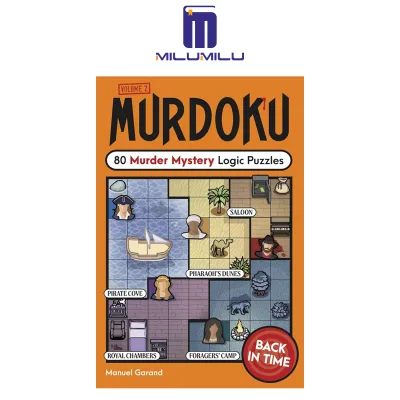
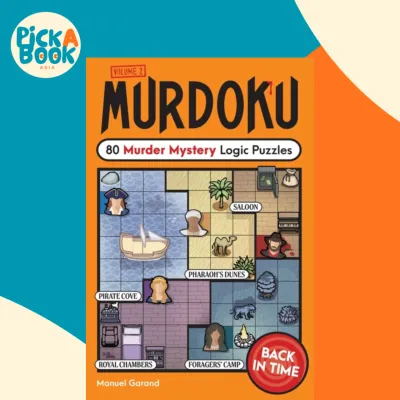
Prices are valid at publication and may change. Please refer to the product page for the latest price.
Another critical factor is the structural relationship between different titles in the bibliography. Standalone novels are highly recommended for beginners because they deliver a complete, self-contained story arc with a clear resolution. This format allows you to experience the author’s thematic concerns without committing to a multi-volume narrative.
In contrast, serialized works or interconnected anthologies require a more structured approach. If you choose to start with a series, always verify the volume sequence on the copyright page or the publisher’s official website. Starting with a sequel or a later volume can lead to confusion regarding character motivations and ongoing plotlines, potentially spoiling key narrative developments.
Evaluating Editions, Formats, and Language Options
Once you have selected a specific title, the next step is to evaluate the available editions and formats to match your reading environment. Physical books remain a popular choice for many readers, offering distinct tactile advantages. Hardcover editions are highly durable and often feature superior paper quality, making them ideal for collectors or books containing detailed illustrations. Paperback editions, on the other hand, are lightweight, flexible, and highly portable, making them perfect for reading during daily commutes on public transit.

Digital editions, such as ePub or PDF formats, offer unparalleled convenience and portability, allowing you to carry an entire library on a single device. However, compatibility is a crucial consideration. Standard text-based novels render beautifully on almost any e-reader, but graphic narratives or heavily illustrated books require careful verification. Ensure your e-reader or tablet has a screen size and color capability sufficient to display complex layouts without requiring constant zooming or losing image clarity. Audiobooks provide another accessible alternative, though it is wise to listen to a sample first to ensure the narrator’s tone and pronunciation of localized terms align with your preferences.
Language and translation quality are particularly important when exploring local literature. Many works originating from multicultural regions like Singapore incorporate unique linguistic elements, local dialects, or colloquial expressions. If you are reading a translated edition, check the translator’s credentials and look for publisher notes explaining how cultural nuances were preserved. Reading reviews from literary journals can also provide insight into whether a translation maintains the emotional weight and stylistic rhythm of the original text.
Finally, keep an eye out for special editions that offer enhanced content. Some publications include exclusive forewords, author interviews, or detailed annotations that explain historical references and cultural contexts. For a first-time reader, these supplementary materials can turn a challenging text into an accessible and deeply educational experience, providing valuable guideposts throughout your reading journey.
How to Verify Authenticity and Source Reliable Copies
Sourcing your books from authorized channels is essential to ensure you receive a high-quality product while supporting the author and publisher. When looking for local literature, prioritize established independent bookstores, official publisher websites, and reputable online marketplaces. These sellers maintain direct relationships with distributors, guaranteeing that the copies they sell are legitimate and complete. Avoid purchasing from unverified third-party sellers on generic ecommerce platforms, where counterfeit or poorly produced copies are common.
To protect yourself from purchasing pirated or unauthorized print-on-demand knockoffs, use a simple verification checklist. First, locate the International Standard Book Number (ISBN) on the back cover or copyright page and cross-reference it with official national library databases or the publisher’s catalog. Second, inspect the physical quality of the book upon delivery. Legitimate publications feature crisp, high-contrast typography, consistent ink distribution, and robust binding. Counterfeit copies often exhibit blurry or pixelated text, low-quality cover art, and fragile glued spines that split easily upon opening.
If you prefer to preview a book before committing to a purchase, local library catalogs and literary archives are invaluable resources. In Singapore, the National Library Board offers extensive physical and digital collections of local literature. Utilizing these public resources allows you to borrow titles, read reviews, and explore the author’s catalog without any upfront financial commitment. This is an excellent way to identify which titles you would like to add permanently to your personal collection.
Planning Your Reading Sequence and Tracking Progress
After successfully completing your first Murdoku book, planning a structured path through the rest of the bibliography can prevent you from feeling overwhelmed by the variety of choices. Keeping a dedicated reading log or using literary tracking applications is a highly effective way to organize your thoughts. Documenting your impressions, key themes, and recurring motifs helps you build a deeper understanding of the author’s evolving style and creative vision over time.
When transitioning from your introductory book to more advanced works, progress gradually in terms of complexity. If you started with a straightforward, contemporary standalone novel, consider moving next to a collection of short stories or an interconnected anthology. This step allows you to experience how the author handles shorter narrative arcs and diverse character perspectives. From there, you can confidently tackle more experimental formats, non-linear timelines, or dense historical epics that require a higher level of reader engagement.
Engaging with the broader literary community is another excellent way to enrich your reading experience. Consider joining local book clubs, participating in online discussion forums dedicated to regional literature, or attending author talks and literary festivals. Hearing other readers’ perspectives and listening to the author discuss their creative process can reveal hidden layers of meaning within the texts, transforming a solitary activity into a shared, intellectually stimulating journey.
Frequently Asked Questions (FAQ)
Are there any content warnings or age restrictions I should check before buying?
Where to look: Check the publisher’s official website, detailed retail listings, or community-driven book review platforms. What to look for: Look for age recommendations, thematic warnings, or content advisories printed on the back cover or copyright page to help you make informed, comfortable choices.
Can I read the books out of publication order?
Standalone titles: These can be read in any order that appeals to your personal interests. Series and shared universes: Reading in chronological publication order is highly recommended to appreciate the natural development of the author’s world-building and style.
Where can I find signed copies or special local editions?
Event releases: Look for signed copies during local literary festivals, official book launch events, or through direct pre-orders on the publisher’s website. Retail partnerships: Established independent bookstores often collaborate with local authors to offer exclusive signed stock or unique cover designs.
Community discussion
Share your experience or ask a question. Comments are reviewed before publication.