
To begin your journey into Singapore literature through Murdoku, the ideal starting point is a standalone contemporary fiction novel or a curated short story anthology. These formats offer an immediate, accessible window into modern Singaporean life without requiring extensive prior knowledge of the nation’s historical milestones. By focusing on everyday urban experiences, these entry points allow you to ease into the unique linguistic rhythms and cultural nuances of the local literary scene.
Understanding Murdoku's Place in Singapore Literature
Murdoku’s works occupy a distinctive niche in Singapore’s literary landscape, serving as a bridge between traditional narrative forms and contemporary urban realities. Through these texts, readers can observe how rapid modernization, multiculturalism, and generational shifts shape the daily lives of individuals. The stories often capture the tension between preserving heritage and embracing globalized progress, making them highly relevant for anyone seeking to understand the country beyond its iconic skyline.
The accessibility of the writing style is a major reason why these works are recommended for beginners. Rather than relying on dense, academic prose, the narratives typically employ a direct, engaging voice that mirrors the natural cadence of local speech. This approach makes the stories highly readable for international audiences while retaining an undeniable sense of place and authenticity that local readers immediately recognize.
Products mentioned in this guide
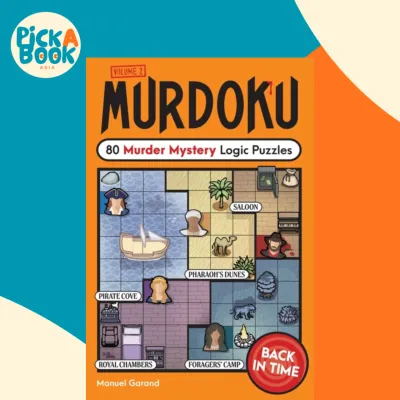
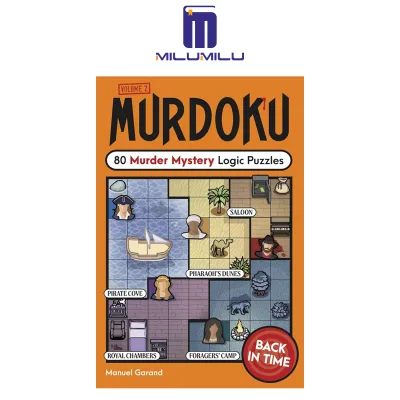
Prices are valid at publication and may change. Please refer to the product page for the latest price.
However, while Murdoku provides an excellent introduction, it is important to remember that no single author or imprint can capture the entire spectrum of Singaporean literature. Singapore’s literary ecosystem is incredibly diverse, spanning multiple official languages—including English, Malay, Chinese, and Tamil—and representing a wide array of socio-economic, cultural, and historical perspectives. Using Murdoku as a launching pad, rather than a final destination, ensures a more comprehensive appreciation of the nation’s rich literary heritage.
How to Select Your First Murdoku Title
When choosing your first book, the structural format of the work is a crucial factor to consider. Standalone novels are ideal if you prefer deep character development and a singular, immersive narrative arc that you can follow from start to finish. On the other hand, short story anthologies offer a lower-commitment entry point, allowing you to sample different themes, writing styles, and character perspectives in shorter reading sessions.

Thematic alignment is another key element of your decision-making framework. If you are drawn to sweeping historical narratives, look for titles that explore Singapore’s pre-independence era, wartime experiences, or early immigrant struggles. For those interested in modern societal dynamics, contemporary urban fiction or family sagas will provide a closer look at modern pressures, relationships, and the complexities of living in a highly structured metropolis.
Publication chronology can also guide your selection process. Early, foundational works often possess a raw, experimental energy that reflects the emerging literary voice of their time, though they may require more patience with pacing. Later, more refined pieces benefit from mature editorial standards and polished narrative structures, making them generally more accessible for readers who prefer seamless storytelling.
To narrow down your choices, consult reliable indicators of quality and accessibility. Look for books that have received recognition from established bodies, such as the Singapore Literature Prize, or those featuring editorial blurbs from respected local literary figures. Reader reviews on library portals and independent book blogs can also offer valuable insights into the narrative pacing and whether the book’s complexity matches your current reading preferences.
Navigating Local Nuances and Linguistic Context
One of the most rewarding yet challenging aspects of reading Singaporean literature is encountering the unique linguistic blend of Singlish, local dialects, and multi-ethnic colloquialisms. Authors frequently use code-switching to reflect how Singaporeans actually communicate in daily life. As a new reader, the key is to avoid stopping at every unfamiliar word; instead, allow the rhythm of the dialogue to carry you forward, as the emotional context of the scene often clarifies the meaning.
Deciding when to consult external resources versus relying on contextual clues is a skill that develops with practice. Many local editions include a glossary at the back to help decode specific terms derived from Malay, Hokkien, Tamil, or Mandarin. If a term seems critical to understanding a plot point, a quick look at a local cultural guide or a trusted online dictionary can be helpful, but over-relying on these tools can disrupt the immersive flow of the narrative.
It is also helpful to distinguish between authentic local voices and exaggerated or stereotyped representations. Authentic Singaporean literature uses local phrasing to add depth, character, and cultural accuracy, rather than using it as a mere novelty or caricature. By paying attention to how language reflects a character’s background, age, and social environment, you will gain a deeper appreciation for the nuanced social tapestry of Singapore.
What to Verify Before Purchasing or Borrowing
Before acquiring a book, always verify the publisher and the specific edition to ensure you are getting a complete and authorized version. Reputable local publishers work closely with authors to preserve the integrity of the text, including specific formatting, layout choices, and linguistic nuances. Checking the publication year can also help you confirm if you are purchasing the most recent, revised edition which may contain updated author notes or corrected typographical errors.
Language editions require careful verification, particularly if the work was originally written in a language other than English. If you are reading a translation, check the credentials of the translator and look for editions that explicitly state they have preserved the original cultural context and idioms. For works originally written in English, ensure that the text has not been heavily edited or sanitized for international markets, as this can strip away the authentic local flavor.
Format compatibility and regional availability are practical considerations, especially for digital readers. When purchasing e-books or audiobooks, verify that the file formats are compatible with your specific e-reader or device and that the digital rights management (DRM) allows access in your region. Some local titles may have restricted distribution rights outside of Southeast Asia, making it essential to purchase from platforms that officially support your location.
To support the local literary ecosystem, source your books from authorized channels. In Singapore, independent local bookstores are excellent resources, often carrying a curated selection of local titles and offering knowledgeable staff recommendations. Public libraries, managed by the National Library Board, provide extensive physical and digital catalogs where you can borrow these works legally. For online purchases, stick to official publisher websites or established local book distributors rather than unverified third-party sellers on general ecommerce platforms.
Expanding Beyond Murdoku: Next Steps in Singapore Literature
Once you have completed your first few Murdoku titles, expanding your reading list to include other local authors will broaden your perspective. Look for writers who explore complementary themes but from different angles, such as poetry collections that capture the emotional landscape of the city, or graphic novels that offer a visual interpretation of Singapore’s history. Comparing different authorial voices will help you build a more rounded understanding of the nation’s literary identity.
To discover new titles, leverage the curation of local cultural institutions and literary awards. The Singapore Literature Prize shortlist is an excellent annual resource for identifying high-quality works across multiple languages and genres. Additionally, curated reading lists from the National Arts Council or prominent local independent bookstores can guide you toward emerging voices and hidden literary gems that you might otherwise miss.
Engaging with the wider literary community can greatly enrich your reading experience. Consider joining local book clubs focused on Singaporean literature, attending events at the annual Singapore Writers Festival, or participating in online discussion groups. These platforms provide valuable opportunities to discuss themes, share interpretations, and receive personalized recommendations from fellow readers who share your passion for local stories.
Frequently Asked Questions (FAQ)
Do I need to read Murdoku's books in chronological order?
For the vast majority of Murdoku’s catalog, reading in chronological order is not necessary. Most titles are standalone works or self-contained anthologies that do not share a continuous plotline or require knowledge of prior books. However, reading chronologically can be an interesting exercise if you wish to observe the author’s stylistic evolution, the development of recurring thematic motifs, or how their portrayal of Singapore’s societal shifts has matured over the years.
Are Murdoku's books suitable for young adult readers?
Suitability varies significantly depending on the specific title, as some works explore mature social, political, or historical themes. It is highly recommended to check the publisher’s age ratings, content advisories, and thematic classifications before sharing these books with younger readers. While many contemporary stories offer valuable educational insights into Singapore’s history and culture, some may contain complex emotional situations or mature language that is better suited for older teens and adults.
Where can I find annotated editions or reading guides for Singapore literature?
Annotated editions and comprehensive reading guides are often produced by academic publishers or educational institutions to support literature curricula. You can locate these resources through local university archives, academic libraries, and specialized literary journals. Additionally, the National Library Board frequently publishes research guides and companion materials that provide valuable historical context, glossary terms, and discussion questions to enhance your understanding of local texts.
Community discussion
Share your experience or ask a question. Comments are reviewed before publication.