
Beginning your journey into the extensive literary world of You Jin (尤今) opens a window into global cultures, warm domestic reflections, and sharp social observations. As one of Singapore’s most celebrated and prolific Chinese-language writers, her career spans several decades and encompasses over a hundred publications. For a newcomer, the sheer volume of her work can feel overwhelming, making it essential to understand her distinct writing styles before choosing your first book. By identifying whether you are drawn to vivid travelogues, intimate family essays, or structured fiction, you can select an entry point that aligns perfectly with your reading preferences.
Starting with the right book ensures that you appreciate her unique voice, which combines a keen eye for detail with a deeply compassionate outlook on humanity. Rather than picking a title at random, taking a structured approach to her bibliography will help you find works that resonate with your personal interests. Whether you are a fluent Chinese reader or looking for translated editions, understanding how to navigate her genres, verify book formats, and locate authentic copies will set you up for a rewarding literary experience.
Understanding You Jin's Core Literary Themes
To fully appreciate You Jin’s writing, it is helpful to understand the three main pillars of her literary output: travelogues, prose essays, and fiction. Each of these genres showcases a different facet of her observational skills and writing style. Her travelogues are perhaps her most famous works, chronicling her journeys to remote and unconventional destinations across the globe. Unlike standard travel guides that focus on landmarks and itineraries, her travel writing centers on the human spirit, capturing the lives, struggles, and warmth of the local people she encounters.
Products mentioned in this guide
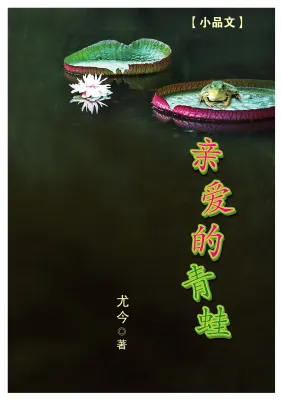
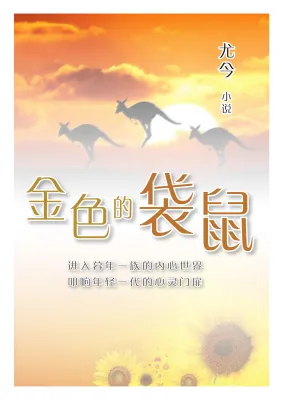
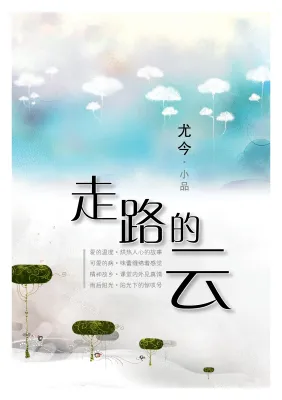

Prices are valid at publication and may change. Please refer to the product page for the latest price.
Her prose essays, on the other hand, offer a more intimate look at her personal life, family dynamics, and daily observations. These writings are characterized by a warm, reflective tone, often drawing profound life lessons from simple, everyday occurrences. From the joys and challenges of motherhood to her experiences as an educator, her essays provide readers with a sense of comfort and shared humanity. The language in these collections is accessible yet elegant, making them highly popular among readers of all ages.
In her fiction and short stories, You Jin shifts her focus to structured narrative and social commentary. Her fictional works often explore the complexities of modern society, addressing themes such as materialism, the erosion of traditional values, and the psychological struggles of individuals navigating rapid urbanization. Through well-crafted characters and realistic scenarios, she holds up a mirror to contemporary life, encouraging readers to reflect on their own values and choices.
By distinguishing between these three core areas, you can easily match your current reading mood to the appropriate category. If you are seeking adventure, cultural discovery, and a broader perspective on the world, her travelogues are the ideal starting point. If you prefer quiet reflection, relatable family stories, and gentle wisdom, her prose essays will serve you well. For those who enjoy character-driven plots and analytical observations of human nature, her fiction is the most suitable path.
How to Select Your First Book Based on Genre
Selecting your first book requires evaluating how each genre aligns with your reading habits and goals. For those interested in travel writing, look for collections that focus on specific regions that intrigue you, such as her travels through South America, Africa, or Central Asia. A good beginner-friendly travelogue is one that features short, episodic chapters, allowing you to journey alongside the author without feeling bogged down by dense historical data. These books excel at making foreign cultures feel familiar and accessible through the shared language of human emotion.

When evaluating her travelogues, pay attention to how she structures her narratives around personal encounters. She often highlights the generosity of strangers, the resilience of communities living in harsh environments, and the universal values that connect people across borders. This humanistic approach makes her travel writing incredibly engaging, even for those who do not typically read travel literature. It is an excellent way to experience the world from the comfort of your home while gaining a deeper appreciation for global diversity.
If you decide to start with her prose and essay collections, look for anthologies that group her writings by theme, such as family, food, or education. These collections are highly accessible because each essay is typically only a few pages long, making them perfect for short reading sessions. For readers in Singapore, these essays hold a special appeal, as they often reflect local cultural shifts, school system experiences, and the changing landscape of family life over the past few decades.
Her culinary essays are another fantastic entry point within the prose genre. You Jin frequently uses food as a medium to explore relationships, heritage, and memory. A single dish can spark a reflection on maternal love, cultural preservation, or a memorable encounter during her travels. These essays are not recipes, but rather sensory and emotional journeys that celebrate the ways in which food brings people together.
For those who prefer fiction, her short story collections are generally more accessible than her full-length novels for a beginner. These stories often depict everyday people facing moral dilemmas, family conflicts, or societal pressures. By starting with short fiction, you can appreciate her ability to build tension and develop characters within a limited space before committing to her longer, more complex novels. This approach allows you to sample her narrative style and decide if her fictional themes align with your tastes.
Checking Editions, Languages, and Formats Before Buying
Before purchasing any of You Jin’s books, it is crucial to verify the edition, language, and format to ensure a smooth reading experience. Because she writes primarily in Chinese, the vast majority of her extensive catalog is published in her native language. If you require English translations, you must carefully check publisher catalogs, as only a select portion of her works has been officially translated. Be aware that translated books are often curated compilations of essays from various original titles rather than direct, cover-to-cover translations of a single Chinese book.
When purchasing translated editions, verify the credentials of the translator and the reputation of the publisher. A high-quality translation is essential for preserving the warmth, rhythm, and subtle cultural nuances of her original prose. Reading sample pages, if available, can help you assess whether the translation captures the essence of her writing style before you make a purchase.
The format of the book is another important consideration, especially if you prefer digital reading. If you are buying e-books, ensure that your e-reader device is fully compatible with Chinese character rendering. Older e-readers or devices with outdated firmware can sometimes struggle with Chinese fonts, leading to formatting errors, missing characters, or layout issues. Opt for reflowable EPUB formats rather than static PDFs, as reflowable text allows you to adjust font sizes and line spacing for a more comfortable reading experience.
Additionally, you should check whether the edition you are buying is abridged or unabridged. Because You Jin’s essays are frequently selected as study materials for schools and language learners, some editions available in the market are specifically tailored for educational purposes. These student editions may feature simplified vocabulary, explanatory footnotes, or abridged texts. While useful for language practice, readers seeking the full literary depth of her work should look for standard, unabridged trade editions.
Finally, pay attention to the publication year and edition history. Some of her classic works have been reissued multiple times by different publishers over the decades. Newer editions may feature updated prefaces, revised layouts, or additional essays that were not included in the original print runs. Checking the publication details will help you select the most complete and up-to-date version of the book.
Where to Find and Verify Authentic Copies
Finding authentic copies of You Jin’s books requires sourcing them from reliable and authorized channels. In Singapore, major local physical bookstores and specialized Chinese-language bookshops are excellent places to start your search. These retailers typically stock her latest releases as well as popular backlist titles, and their staff can often assist you in ordering specific editions that may not be on the shelves.
For those who prefer to borrow books, the National Library Board (NLB) of Singapore maintains a comprehensive collection of her works. You can find her books in the Chinese physical sections of various public libraries, and many titles are also available digitally through the library’s e-reading applications. Borrowing is a highly practical, cost-effective way for beginners to explore her different writing styles and find their preferred genre before investing in a personal collection.
When shopping online, it is important to exercise caution to avoid purchasing unauthorized reprints or low-quality bootlegs. Stick to official publisher storefronts, established online bookstores, or verified sellers on major ecommerce platforms. Be wary of listings with unusually low prices, blurry cover images, or vague product descriptions, as these can be indicators of pirated physical copies or unauthorized digital scans.
To verify the authenticity of a book, always check the International Standard Book Number (ISBN) and the publisher’s details listed on the product page or the copyright page of the book. Reputable publishers of her work include established local and regional literary presses. Cross-referencing the ISBN with official library catalogs or publisher websites can confirm that you are purchasing a genuine, authorized edition that supports the author.
If you are ordering older or out-of-print titles from overseas online marketplaces, factor in potential shipping costs and delivery times. Ensure that the seller packages the books securely to prevent damage during transit, and opt for tracked shipping methods to monitor your order’s progress. When buying used copies, read the seller’s description of the book’s condition carefully, looking out for notes on yellowing pages, foxing, or binding wear.
Frequently Asked Questions (FAQ)
Are there English translations available for her major works?
Yes, select compilations of You Jin’s essays and travel stories have been translated into English. These translated editions are typically published by local literary presses or academic publishers. However, because they represent only a small fraction of her total body of work, the selection is limited. When searching for these books, look for titles that explicitly state they are translated selections, and verify the publisher to ensure you are getting an authorized translation.
Should I read her books in chronological order?
No, there is no need to read her books in chronological order. The vast majority of her publications consist of standalone travelogues, essay collections, and short stories that do not follow a continuous narrative. You can freely choose any book that matches your current interests, whether it is a recent release or one of her early classics. Each book is designed to be an independent reading experience, allowing you to explore her literary world at your own pace.
How can I find her out-of-print or older titles?
To locate older or out-of-print titles, your best options are local public library archives, specialized second-hand bookstores, and online used-book platforms. Many of her early works are preserved in the reference or heritage sections of libraries. When purchasing used copies from online sellers or physical shops, always inspect the book’s condition, checking for loose pages, severe foxing, or water damage to ensure it remains readable and durable.
Community discussion
Share your experience or ask a question. Comments are reviewed before publication.