
With over two billion copies of her books in circulation, Agatha Christie remains the undisputed Queen of Crime. Yet, for a beginner standing in front of a crowded bookstore shelf, her massive bibliography of over sixty detective novels can feel incredibly daunting. Deciding where to start is not just about picking her most famous title; it is about matching her distinct storytelling styles to your personal reading preferences.
To make a confident first purchase, you must first understand that Christie did not write just one type of mystery. Her works span from highly structured logic puzzles to cozy village dramas and dark, psychological survival thrillers. By identifying what keeps you turning pages, you can select an entry point that ensures your first journey into her world is a captivating one.
How to Choose Your First Agatha Christie Novel
Choosing your first Agatha Christie novel requires a quick self-assessment of your favorite narrative elements. If you enjoy the intellectual challenge of piecing together physical clues, analyzing timelines, and spotting contradictions in suspect statements, you will want to start with her classic puzzle-box mysteries. These stories invite you to play detective alongside the protagonist, offering a fair play layout where all the clues needed to solve the crime are presented directly to the reader.
Products mentioned in this guide
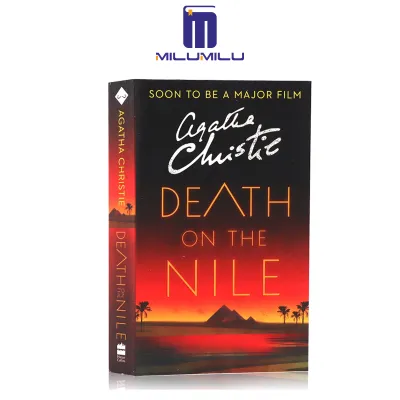
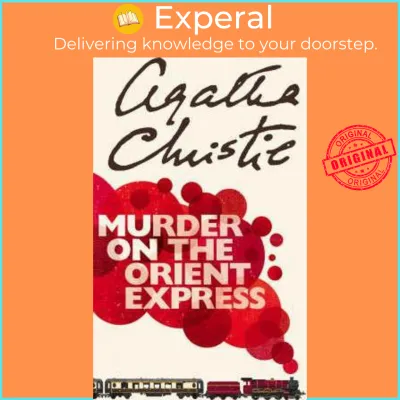

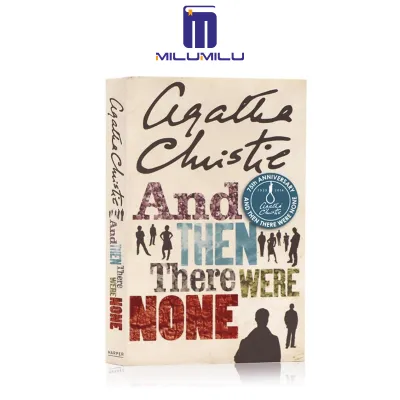
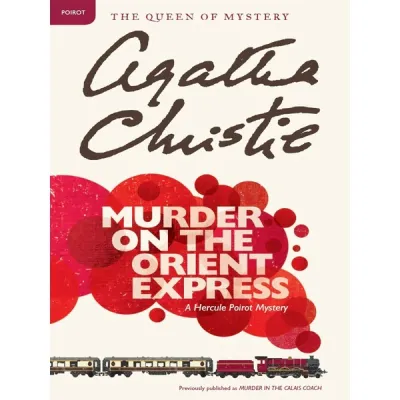
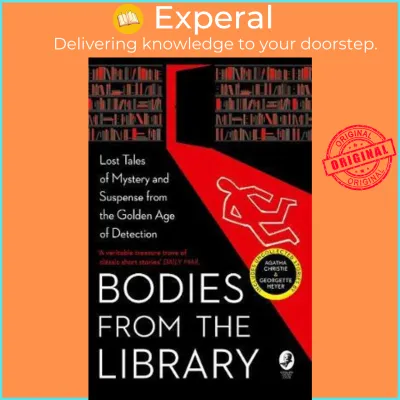
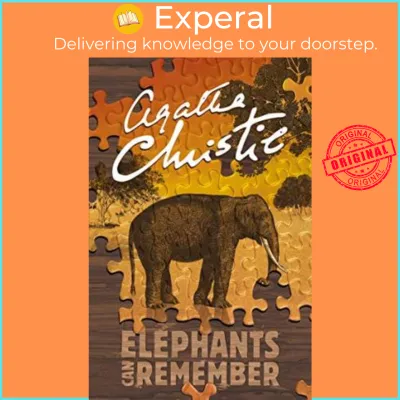
Prices are valid at publication and may change. Please refer to the product page for the latest price.
Alternatively, you might prefer psychological suspense and atmospheric tension over pure logic. Some of Christie’s most celebrated works do not feature a brilliant detective who neatly explains the crime at the end. Instead, they focus on the mounting dread, paranoia, and moral decay of ordinary characters trapped in extraordinary situations. If you prefer a story where the stakes feel immediate and dangerous, a standalone thriller is often the better choice.
It is also worth considering your comfort level with Golden Age pacing and historical settings. Written primarily between the 1920s and the 1970s, these books reflect the social norms, formal dialogue, and slower narrative build of their respective eras. Rather than high-speed car chases or modern forensic science, the investigations rely on conversation, social observation, and psychological deduction. If you appreciate rich character studies and historical charm, you will find her pacing incredibly rewarding.
Best Starting Points by Detective Character
Agatha Christie created several iconic recurring characters, each bringing a unique flavor and methodology to their investigations. Starting with a character-driven novel allows you to build a relationship with a detective whose adventures you can follow across multiple books.

Hercule Poirot: For Fans of Logic and Classic Whodunits
Hercule Poirot, the eccentric Belgian detective with his waxed mustaches and obsession with symmetry, is the perfect guide for readers who love pure, analytical deduction. Poirot disdains physical legwork, preferring to rely on his “little grey cells” to untangle the most complex human motives. His cases typically involve structured interrogations, meticulous alibi checks, and a dramatic final gathering where he reveals the killer in front of all the suspects.
For an ideal introduction to his methods, a classic train-based mystery like Murder on the Orient Express is an exceptional starting point. This iconic story isolates Poirot with a limited group of passengers, forcing him to rely entirely on interviews and logical deduction to solve a murder committed in a locked compartment. It perfectly showcases his systematic approach to suspect elimination without requiring any prior knowledge of his character history. Early Poirot books focus heavily on physical clues, alibis, and systematic suspect elimination, making them highly satisfying for puzzle lovers.
Miss Marple: For Lovers of Cozy, Village-Based Mysteries
In stark contrast to Poirot’s professional brilliance stands Miss Jane Marple, an elderly spinster living in the quiet English village of St. Mary Mead. Miss Marple has no formal training, but her sharp observational skills and deep understanding of human nature make her an incredibly formidable sleuth. She solves complex crimes by drawing parallels between the suspects and the ordinary villagers she has observed for decades, proving that human nature is remarkably consistent, even in the quietest corners of the world.
To experience her sharp intellect and the quintessential “cozy mystery” atmosphere, beginners should start with her first full-length novel, The Murder at the Vicarage. This book perfectly captures the slower, character-driven pacing and domestic settings typical of her stories. The narrative is rich with local gossip, quiet village rivalries, and subtle clues hidden in plain sight, making it a comforting yet intellectually stimulating read.
Standalone Thrillers: For Readers Who Prefer Psychological Suspense
If you prefer to skip the recurring detective formulas entirely, Christie’s standalone novels offer a refreshing shift in tone. These books often blur the lines between traditional mystery and psychological thriller, focusing on ordinary people caught in webs of deceit, blackmail, or sudden danger. Without a brilliant detective to guide the narrative, the sense of peril is heightened, and the moral ambiguity of the characters becomes central to the plot.
A brilliant entry point for this style is And Then There Were None, widely regarded as her masterpiece of suspense. The story follows ten strangers lured to an isolated island, only to be accused of past crimes and systematically targeted by an unseen executioner. The absence of a central sleuth creates an atmosphere of pure paranoia and survival, making it an ideal choice for readers who want a darker, faster-paced narrative that prioritizes psychological tension over cozy puzzle-solving.
Recommended First Reads by Mystery Trope
Another highly effective way to choose your first book is by matching your reading preferences to specific narrative devices and tropes that Christie helped popularize.
The Closed-Circle Mystery
The closed-circle mystery is one of the most satisfying tropes in detective fiction, limiting the suspect pool to a specific, isolated group of people. This setup ensures that the killer is definitely among the characters we have already met, eliminating the possibility of a random outsider committing the crime. It heightens the tension as the characters realize they are trapped with a murderer, turning every conversation into a potential battle of wits.
A classic train-based mystery like Murder on the Orient Express remains the gold standard for this trope. When a snowdrift halts the luxurious train in the middle of the night, the passengers find themselves trapped together with a killer in their midst. The satisfaction of this story lies in its tight structure, the absence of outside interference, and the brilliant logic Poirot uses to dissect a series of seemingly impossible alibis.
The Isolated Setting and Survival Thriller
For readers who enjoy high stakes, dwindling numbers, and a darker tone, the isolated survival thriller offers an intense reading experience. Unlike cozy mysteries where the detective maintains control, these stories place the characters in a hostile environment where help cannot reach them, and survival is the primary goal.
The ultimate isolated-setting thriller that pioneered the “ten little soldiers” trope is And Then There Were None. Set on a bleak island off the coast of Devon, the novel strips away the comforting safety nets of society, leaving the characters to face their own guilt and terror. It is a fatalistic, suspense-driven masterpiece that showcases Christie’s ability to write genuinely chilling narratives without relying on graphic violence.
The Mind-Bending Plot Twist
If your primary goal is to be completely shocked by a narrative revelation, Christie’s mastery of misdirection and perspective tricks will not disappoint. She was famous for challenging the unwritten rules of Golden Age detective fiction, delivering endings that left readers stunned yet completely satisfied by the underlying logic.
To experience her ultimate plot twist, you should start with The Murder of Roger Ackroyd. This novel is legendary for its groundbreaking narrative device, and it is highly recommended that you avoid reading any summaries, reviews, or character lists before opening the book. The true joy of this story comes from actively trying to solve the puzzle alongside the text, only to realize how beautifully you were outsmarted by the author’s clever use of perspective.
What to Check Before Buying Your First Copy
Once you have decided on a title, taking a few moments to evaluate the physical or digital copy you plan to purchase can significantly enhance your reading experience.
First, pay close attention to the edition and cover art. Agatha Christie’s books have been published in countless formats, from vintage-style facsimile editions to modern minimalist paperbacks and media tie-in covers featuring movie posters. When browsing shelves at local bookstores in Singapore, such as Kinokuniya, or ordering online, check the back cover blurbs carefully. Some modern reissues or promotional editions contain introductory essays or promotional summaries that inadvertently spoil key plot points or reveal the killer’s identity. Opt for editions that feature clean text or strictly spoiler-free forewords.
Second, consider your preferred format and accessibility. If you enjoy listening to books during your daily MRT commute, audiobooks are an excellent option. However, because these stories rely heavily on dialogue and subtle vocal cues, it is crucial to listen to a sample first. Look for narrators like Hugh Fraser or Emilia Fox, whose pacing and clear delivery capture the nuance of Golden Age English. If you prefer physical books, standard paperbacks typically retail between S$12 and S$20, making them an affordable way to start your collection.
Third, evaluate the language and localization. Christie’s novels were written in the mid-20th century, meaning they contain British idioms, slang, and cultural references of the era. While most readers find her prose highly accessible, those who prefer a simpler reading experience might want to look for modern annotated editions that explain historical terms, or authorized translated editions if English is not your primary reading language. Checking these details beforehand ensures your first step into the world of classic mystery is seamless and thoroughly enjoyable.
Frequently Asked Questions (FAQ)
Do I need to read Agatha Christie books in chronological order?
No, you do not need to read her books in chronological order. The vast majority of Agatha Christie’s novels are self-contained mysteries that can be enjoyed as standalone stories. While recurring characters like Hercule Poirot and Miss Marple do age and occasionally reference past cases, these mentions are minor and do not spoil the plots of other books. The only major exception is Curtain: Poirot’s Last Case, which serves as the definitive end to Poirot’s journey and should be saved until you have read several of his earlier mysteries.
Are Agatha Christie books suitable for young adults or teenagers?
Yes, her books are highly suitable for young adults and teenagers. While they fundamentally deal with mature themes like murder, jealousy, and greed, they lack the graphic violence, explicit content, and gore common in modern psychological thrillers. Instead, they focus on intellectual puzzle-solving and character study. For younger readers or those sensitive to darker themes, starting with her lighter, village-based Miss Marple mysteries or lighthearted adventure stories like The Secret Adversary is an excellent way to build a love for the mystery genre.
Community discussion
Share your experience or ask a question. Comments are reviewed before publication.