
Quick Answer: Which BAM Series Should You Choose?
Selecting the ideal BAM violin case depends on your travel habits, storage requirements, and budget. Musicians who travel frequently, commute daily on public transit, or carry highly valuable instruments should prioritize the Hightech series. This line offers advanced thermal and impact protection in an exceptionally lightweight package, making it the premier choice for demanding travel schedules.
If you prefer a classic, elegant aesthetic and prioritize thick, plush interior padding over ultra-lightweight materials, the Maestro series is highly suitable. This series is designed for traditionalists who primarily travel by car or over short distances where the case is less exposed to extreme physical wear.
For students and urban professionals seeking a sleek, modern, and compact profile, the Stylus series provides an excellent balance. It is optimized for everyday urban commuting, offering robust protection in a streamlined shape that minimizes bulk.
Products mentioned in this guide
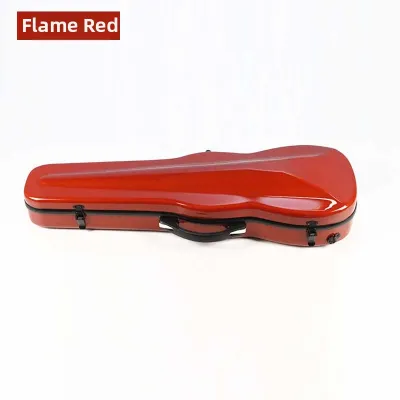
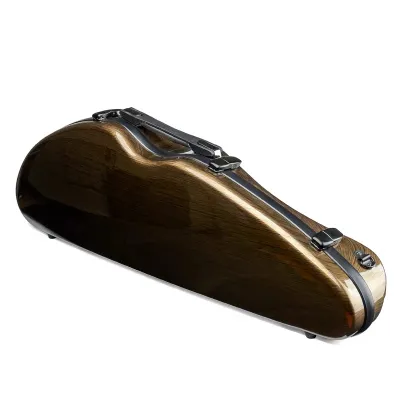
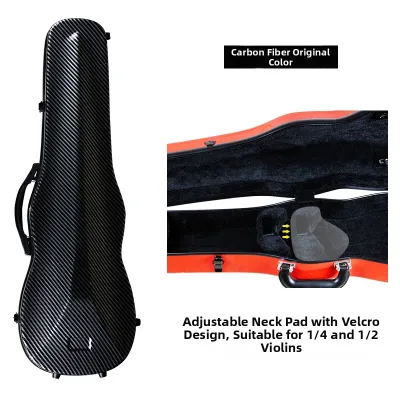
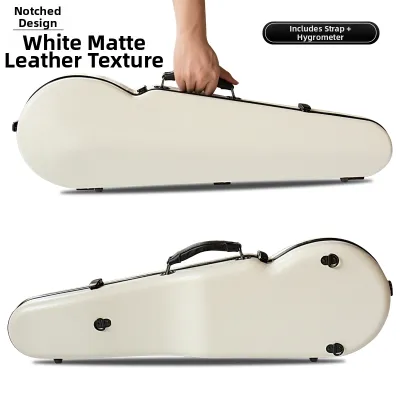
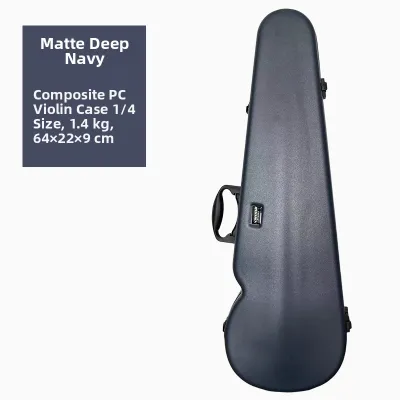
Prices are valid at publication and may change. Please refer to the product page for the latest price.
Before making a final choice, always verify if your instrument has non-standard dimensions, such as an extra-wide lower bout or a fractional size, as internal fit varies across specific models.
Core Positioning: Hightech, Maestro, and Stylus Explained
BAM has established a global reputation among string players for combining elegant French design with functional, high-performance instrument protection. The brand recognizes that a violin case is not merely a carrying container but a critical shield against physical damage and environmental fluctuations. By offering distinct product lines, BAM caters to the diverse lifestyles and aesthetic preferences of modern musicians.

The Hightech series represents the pinnacle of BAM’s engineering capabilities. It is designed for maximum performance, utilizing advanced multi-layer composite shells to achieve an ultra-lightweight yet highly rigid structure. This series is favored by touring soloists, orchestral professionals, and serious students who require uncompromising protection during air travel and intensive daily transit.
The Maestro series is crafted for traditionalists who appreciate classic styling and robust, time-tested materials. Instead of the high-tech, futuristic look of composite shells, the Maestro series offers a more conventional appearance paired with generous interior cushioning. It provides a sense of security through density and thickness, appealing to musicians who want their instrument nestled in a traditional, plush environment.
The Stylus series focuses on modern urban mobility, offering a streamlined, form-fitting shape that reduces external bulk. It is designed to navigate crowded city streets, busy classrooms, and public transport systems with ease. By minimizing empty space and using a compact footprint, the Stylus series provides essential protection without the added volume of more traditional cases.
While these three series define BAM’s core offerings, you must always check the specific model numbers and configurations. Dimensions can vary significantly between 4/4 and fractional sizes, as well as between models designed for Stradivarius or Guarnerius violin patterns.
Protection and Shell Construction
The primary duty of any violin case is to safeguard the instrument from structural damage caused by drops, impacts, and sudden environmental changes. Each BAM series approaches this challenge with a distinct shell design and material composition.
Hightech's Composite Shell
The Hightech series features a proprietary multi-layer structure that typically incorporates high-performance materials such as ABS, Airex foam, and another layer of PVC or ABS. This composite sandwich design provides exceptional rigidity, preventing the case from compressing or flexing under external pressure. The internal Airex foam layer acts as an outstanding thermal barrier, slowing down the transfer of external heat or cold to the interior chamber. This thermal regulation is crucial for preventing the delicate wood of the violin from cracking or warping due to sudden temperature shifts. Additionally, the rigid outer shell is engineered to disperse impact energy across the entire surface of the case, minimizing the localized shock transmitted to the instrument inside.
Maestro's Traditional Robustness
The Maestro series relies on a more traditional approach to physical protection, combining a durable, rigid outer shell with thick, plush interior padding. The outer structure is designed to withstand standard physical impacts, while the generous internal cushioning absorbs and dampens shocks. This series utilizes a high-density polyurethane foam suspension system that cradles the violin, keeping it suspended away from the outer walls of the case. In the event of a drop, the thick padding compresses to absorb the energy, ensuring that the fragile bridge, soundpost, and varnish of the instrument remain undisturbed. This traditional design is highly reliable for daily handling and standard travel scenarios.
Stylus's Compact Defense
The Stylus series utilizes a form-fitting, reinforced shell designed to minimize internal movement. By shaping the case closely to the contours of the violin, BAM reduces the amount of empty space where the instrument could potentially shift during transit. The shell is typically covered with a durable, water-resistant fabric overlay, such as Cordura, which provides an extra layer of defense against abrasions, light rain, and daily wear. While the Stylus does not feature the advanced multi-layer composite technology of the Hightech series, its structural reinforcement and snug interior fit offer robust protection tailored for standard urban hazards, such as accidental bumps in crowded hallways or public transit.
To ensure maximum safety, always inspect the manufacturer’s label or official product page for the exact shell materials and suspension system details of your chosen model. BAM periodically updates its manufacturing specifications and material compositions to incorporate new technologies, so verifying the current product specifications before purchasing is highly recommended.
Weight, Portability, and Daily Commute
For active musicians, the weight and portability of a violin case directly impact their daily physical comfort and energy levels. Carrying a heavy, awkward case over long distances can lead to shoulder fatigue, back strain, and general discomfort.
The three BAM series occupy distinct weight classes. The Hightech series is globally renowned for being exceptionally lightweight, with some contoured models weighing significantly less than traditional cases. This makes it the preferred option for musicians who walk long distances or carry their instruments for hours. The Maestro series, due to its traditional materials and thick padding, is generally the heaviest of the three, making it better suited for musicians who do not need to carry their cases on long walking journeys. The Stylus series offers a balanced middle ground, prioritizing compact external dimensions to reduce the overall physical profile of the case, which in turn enhances maneuverability.
Ergonomics play a vital role in how heavy a case feels during transit. BAM equips these cases with high-quality backpack straps, often featuring padded neoprene shoulder pads and secure security hooks to prevent accidental detachment. The placement of the side handles and the inclusion of a subway handle (a vertical handle at the top of the case) significantly improve ease of use. A subway handle is particularly valuable when standing in crowded spaces, allowing you to hold the case vertically and close to your body.
In Singapore, navigating the public transit system—such as the MRT and public buses—requires a case that is easy to manage in tight spaces. Walking through MRT stations or commuting during peak hours can be physically demanding, especially in a tropical climate where carrying heavy gear quickly leads to exhaustion. A lighter, more compact case like the Hightech or Stylus reduces physical strain and allows you to move more comfortably through warm, humid outdoor environments and air-conditioned transit hubs.
Before finalizing your purchase, check the exact empty weight and external dimensions of the specific model you intend to buy. Weight and dimensions can vary slightly between full-size (4/4) and fractional models, and knowing the precise measurements helps ensure the case matches your physical capabilities and travel routines.
Interior Layout and Accessory Storage
The interior design of a violin case determines how well it organizes your daily gear and protects the delicate components of your instrument.
Bow Capacity and Storage
BAM cases typically accommodate between two and four bows, depending on the specific model and shape (such as contoured versus oblong). The bow holders are designed to secure the bows firmly in place, preventing them from coming loose and scratching the violin’s varnish. Many models feature rotatable bow holders with secure locking mechanisms or fabric ribbons. It is essential to verify the exact bow capacity of the specific model size you are considering, as more compact or fractional-sized cases may have limited bow storage.
Accessory Compartments
The storage of daily accessories—such as a shoulder rest, rosin, mutes, tuners, and spare strings—varies significantly across the three series. The Hightech and Maestro series often feature more spacious, modular, or removable accessory pouches that allow you to customize the internal layout. These compartments are designed to keep hard objects secure, preventing them from moving and colliding with the violin. In contrast, the Stylus series prioritizes a streamlined, compact footprint, which often results in smaller internal accessory compartments. If you use a large shoulder rest or carry extensive gear, you may need to utilize the external music pocket or choose a model with a more generous interior layout.
Neck Support and Suspension
A critical safety feature in all BAM cases is the neck support and internal suspension system. The violin’s neck is secured with a reliable restraint, typically a durable Velcro strap, which holds the instrument firmly against a padded neck block. This block, combined with strategically placed suspension cushions, ensures that the violin’s neck and scroll do not bear the weight of the instrument during transit. The suspension system keeps the back and top of the violin suspended in the air, preventing any direct contact with the outer shell of the case and minimizing the risk of structural damage from external impacts.
Interior Fabric and Varnish Protection
The lining material used inside the case plays a crucial role in protecting the delicate oil or spirit varnish of your violin. BAM utilizes high-quality interior fabrics, such as microfiber, plush velvet, or soft silk-like materials, to provide a gentle contact surface. These fabrics are selected to minimize friction and prevent abrasive wear on the instrument’s edges and corners. To ensure you select a case that matches your preservation standards, always check the product description for the exact lining material used in the specific model.
Price Positioning and Value Assessment
Investing in a high-quality violin case is a long-term decision that directly affects the safety of your instrument. Understanding the pricing structure and purchasing options helps you make an informed financial choice.
Within the BAM product ecosystem, the three series occupy distinct price tiers. The Hightech series represents the premium tier, reflecting the advanced technology, multi-layer composite materials, and specialized manufacturing processes required to produce these ultra-lightweight shells. The Maestro series sits in the mid-to-high price tier, offering excellent value for musicians who prioritize traditional craftsmanship, robust protection, and classic aesthetics. The Stylus series is generally the most accessible entry-to-mid tier option, making it a popular choice for students, advancing players, and professionals seeking a reliable, cost-effective daily case.
When purchasing a BAM violin case in Singapore, it is highly recommended to visit authorized local music dealers or specialist string instrument shops. These specialized retailers can provide accurate SGD pricing, which may fluctuate based on import costs, shipping fees, and specific model configurations. Buying locally also allows you to physically inspect the case, test the fit of your violin, and experience the weight and ergonomics firsthand.
Furthermore, purchasing from an authorized retailer ensures that your case is covered by a valid manufacturer’s warranty. This warranty is essential for accessing after-sales support, such as obtaining replacement parts for worn backpack straps, fixing damaged latches, or repairing handles. You should exercise caution and avoid purchasing from unauthorized online marketplaces or parallel importers, as warranty claims may be rejected, and the authenticity of the product cannot be guaranteed.
Final Decision Framework: Matching the Case to Your Routine
To choose the right BAM violin case, evaluate your daily routine, travel habits, and the specific requirements of your instrument.
- Choose Hightech if: You travel frequently by air, navigate a demanding daily commute on public transit, or carry a highly valuable instrument that requires maximum thermal insulation and impact protection. The ultra-lightweight composite shell and superior environmental buffering make it the ultimate choice for professional musicians on the move.
- Choose Maestro if: You prefer a classic, elegant appearance, appreciate the secure feel of thick traditional padding, and primarily transport your instrument by car or over short, manageable distances. This series is ideal for players who value traditional styling and robust physical cushioning over extreme weight reduction.
- Choose Stylus if: You are a student, teacher, or urban professional who needs a modern, sleek, and compact case for everyday commuting. It offers an excellent balance of reliable protection, streamlined design, and accessibility, making it highly suited for navigating busy city environments.
Neither series may fit your needs if you play an unusually shaped instrument, such as an extra-wide Guarnerius model, or require a specific fractional size that is currently out of production in your preferred line. In these scenarios, it is crucial to measure your violin’s exact dimensions—including the upper bout, lower bout, and total length—and verify these measurements with the retailer or manufacturer’s instructions before making a purchase.
Frequently Asked Questions (FAQ)
Can I take a BAM violin case as carry-on luggage on flights?
Most standard 4/4 BAM violin cases, especially the contoured and slim models, are designed to comply with general airline carry-on dimension limits for musical instruments. However, because overhead bin sizes and cabin baggage policies vary significantly depending on the airline and the specific aircraft type, you should never assume automatic approval. Always check the external dimensions of your specific BAM model and compare them with your airline’s current baggage allowance guidelines before traveling.
How do BAM cases handle Singapore's high humidity?
BAM cases with composite shells, such as the Hightech series, provide excellent thermal insulation, which helps buffer the instrument against rapid temperature changes when moving between air-conditioned indoor spaces and Singapore’s hot, humid outdoor climate. However, no violin case is entirely airtight or climate-proof. To protect your instrument’s wood and delicate glue joints from the damaging effects of high humidity, you must use a reliable two-way humidification system (such as Boveda packs or a Dampit) inside the case to maintain a stable, optimal humidity level.
Community discussion
Share your experience or ask a question. Comments are reviewed before publication.