
Quick Diagnostic: Matching Your Goal to the Right Drum
Choosing the right Chinese drum depends on your musical goals, playing environment, and experience level. Whether you are joining a school Co-Curricular Activity (CCA), performing in a traditional ensemble, or practicing at home, selecting the correct instrument ensures you develop proper technique.
To find your ideal match, consider these common scenarios:
- School CCA or Beginner Ensemble: A medium-sized Tanggu (barrel drum) is the standard choice. It provides a versatile, resonant tone that helps beginners master foundational rhythms and timing.
- Advanced Opera or Timekeeping: The Bangu (clapper drum) is ideal. Its sharp, high-pitched crack cuts through loud ensembles, making it the traditional choice for leading and conducting.
- Modern Percussion or Melodic Solos: A set of Paigu (row drums) offers multiple tunable pitches, allowing you to play complex melodic rhythms and contemporary solos.
- Personal Practice or Tight Spaces: A small Tanggu or a dedicated practice pad is best. These options let you practice patterns without disturbing neighbors in high-density residential areas.
Define Your Playing Context and Space Constraints
Before purchasing a Chinese drum, you must evaluate where you will play and store the instrument. Traditional Chinese drums are acoustic instruments designed to project sound across large performance halls, meaning their volume can easily overwhelm small spaces.
Products mentioned in this guide
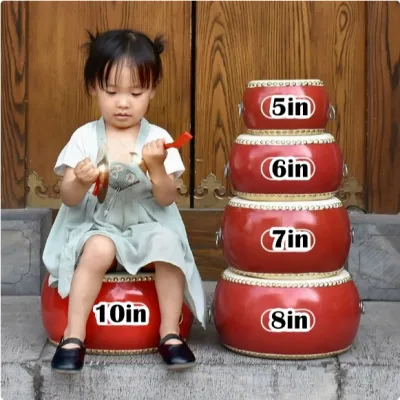
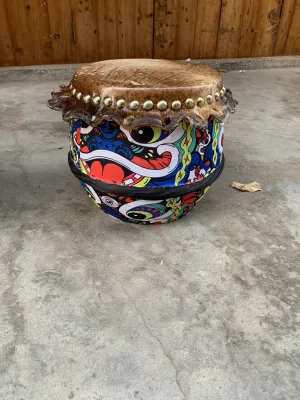
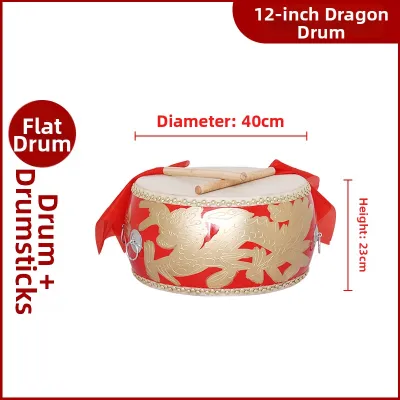
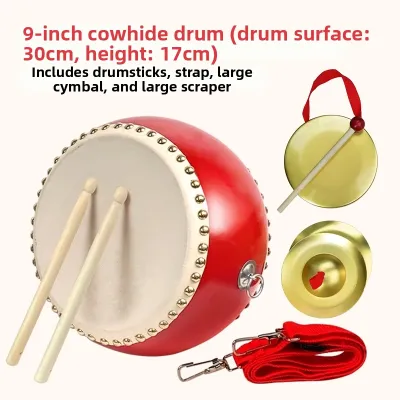
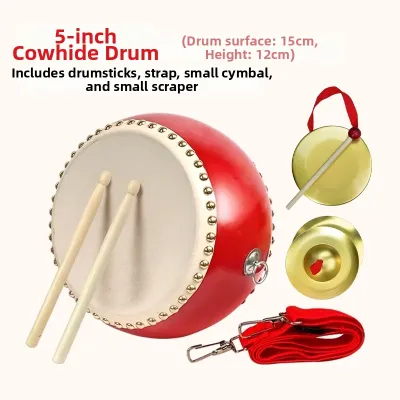
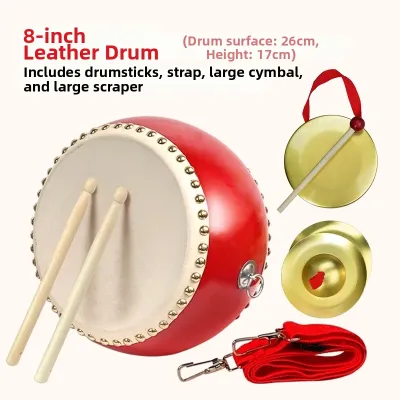
Prices are valid at publication and may change. Please refer to the product page for the latest price.

If you live in a high-density residential area, such as a typical HDB flat in Singapore, acoustic volume is a critical consideration. A large drum played at full force can cause significant noise disturbance. You may need to invest in dampening pads, choose a smaller drum size, or arrange a dedicated practice space outside of quiet hours.
Your role in an ensemble also dictates your choice. A solo performer needs an instrument with a wide dynamic range and expressive capabilities, while an orchestral player must match the specific instrument requirements of the score or the ensemble director.
Portability is another major logistical factor. Large drums require significant effort to transport. If you need to carry your instrument to school CCAs, community centers, or gig venues via public transport like the MRT or buses, a lightweight, compact drum with a sturdy carrying bag is essential. For heavy setups like a full Paigu set, you must plan for vehicle transport and robust, wheeled hardware.
Compare the Core Types of Chinese Drums
Chinese drums are classified by their shape, construction, tuning mechanisms, and traditional roles within an ensemble. Understanding these core differences is key to choosing an instrument that matches your musical aspirations.
Tanggu: The Versatile Ensemble Standard
The Tanggu is a traditional barrel-shaped drum with heads stretched over both the top and bottom of the wooden shell. Typically made with animal skin or durable synthetic heads, it produces a deep, rich, and resonant tone that forms the heartbeat of Chinese percussion.
In modern Chinese orchestras and traditional folk ensembles, the Tanggu serves as the foundational rhythm keeper. Its versatile sound can range from a soft, rumbling roll to a powerful, thunderous strike, making it highly expressive.
These drums come in various sizes, usually categorized as Datanggu (large) and Xiaotanggu (small). Beginners and school students generally start with a medium-sized Tanggu, which offers a balanced weight and pitch that is easy to manage while learning basic striking techniques.
Bangu: The High-Pitched Conductor
The Bangu, also known as Danpigu, is a specialized drum with a very thick, rigid wooden frame and a small, tightly stretched head. It produces a dry, extremely high-pitched, and piercing sound that can easily cut through a full ensemble of wind and string instruments.
In Beijing opera and other traditional regional theater styles, the Bangu player acts as the conductor. By striking different parts of the drumhead, the player signals tempo changes, dramatic pauses, and character entrances to the rest of the orchestra.
Because the Bangu has a very small striking zone and requires precise wrist control, it demands advanced technique. It is generally not recommended as a first instrument for absolute beginners, as mastering its sharp articulation takes years of dedicated practice.
Paigu: The Tunable Percussion Set
The Paigu is a modern set of double-sided drums, typically arranged in a row of three to five units of varying sizes. Unlike traditional fixed-pitch drums, each Paigu features a tuning mechanism—often using tension keys or ropes—that allows the player to adjust the pitch of each drumhead.
This tunable design enables the Paigu to play melodic rhythms, making it a favorite for contemporary percussion ensembles and solo concertos. The drums are mounted on a specialized iron or steel stand, allowing the player to transition quickly between different pitches.
Owning a Paigu set requires a larger physical space for setup and storage, a higher initial budget, and regular maintenance to keep the heads in tune. It is best suited for intermediate to advanced players who want to explore complex, modern repertoire.
Essential Specifications to Verify Before Purchase
When you are ready to buy a Chinese drum, verifying the physical specifications of the instrument is crucial to ensure durability and sound quality.
- Drumhead Material: Traditional drumheads are made from natural animal skins, such as pigskin or cowhide. While natural skin offers a warm, authentic tone, it is highly sensitive to climate fluctuations. In humid environments, natural skin can absorb moisture, causing it to sag, lose pitch, and even develop mold. Synthetic drumheads, made from specialized plastics or composite materials, offer excellent durability, consistent tension, and resistance to humidity, making them highly practical for daily practice and school environments.
- Shell Material and Construction: Inspect the wooden shell of the drum. High-quality drums are often crafted from solid hardwoods like ash, birch, or mahogany, which provide better resonance and structural integrity. Examine the joints and the thickness of the shell; a thicker shell generally offers better projection and durability. Check the hardware, including the metal rings, lugs, and tension rods, to ensure they are securely attached and free of rust.
- Included Accessories: Chinese drums require specific accessories that may not always be packaged with the drum itself. Verify whether the purchase includes a compatible stand, which must be sturdy enough to support the drum's weight during vigorous playing. Additionally, check if the drum comes with the correct mallets (which vary significantly in size and weight depending on the drum type) and a padded carrying bag to protect the instrument during transport.
Sourcing, Budgeting, and Final Verification
Finding a high-quality Chinese drum requires careful sourcing. Specialized Chinese instrument shops and dedicated percussion retailers are the most reliable sources, as they often have direct relationships with reputable manufacturers and can offer expert advice. While general online marketplaces and e-commerce platforms offer convenience and competitive pricing, you must exercise caution and verify the seller’s reputation.
Before finalizing your purchase, perform a thorough physical inspection if buying in person, or request detailed photos and videos if buying online. Check the wooden shell for any hairline cracks or structural splits, which can ruin the drum’s resonance over time. Ensure the drumhead is evenly tensioned across the entire surface, and strike the drum gently at various dynamic levels to listen for any unwanted buzzing, rattling, or air leaks.
Budgeting for a Chinese drum can vary widely. A basic beginner Tanggu may cost around S$100 to S$300, while professional-grade Bangu or multi-drum Paigu sets can range from S$500 to well over S$1,500. Always review the retailer’s return policies and warranty terms. This is especially important for natural skin drums, as transit through varying climate zones can sometimes affect the tension and condition of the drumhead before it even arrives at your doorstep.
Frequently Asked Questions (FAQ)
How do I maintain a natural skin drumhead in a humid climate?
To protect a natural skin drumhead from high humidity, store the drum in a dry, temperature-controlled room, ideally with a dehumidifier running. Avoid placing the instrument near open windows, direct sunlight, or directly under air conditioning vents, as rapid temperature shifts can damage the wood and skin. When storing the drum in its carrying bag, place several reusable silica gel packs inside to absorb excess moisture. If the drum features adjustable tension rods, you may slightly loosen the tension when storing it for extended periods to prevent warping, but always follow the manufacturer’s specific guidelines.
Can I use standard drum kit sticks on a Chinese drum?
It is highly recommended to avoid using standard wooden drum kit sticks on traditional Chinese drums. Drum kit sticks are designed for synthetic heads and metal cymbals; their hard, narrow tips can easily dent, scratch, or puncture natural skin drumheads. Instead, use authentic Chinese drum mallets, which are typically thicker, have rounded or wrapped tips (using felt, yarn, or leather), and are balanced specifically for the rebound of traditional drumheads. Always consult the drum manufacturer’s recommendations to match the correct mallet weight and material to your specific drum type.
Community discussion
Share your experience or ask a question. Comments are reviewed before publication.