
Upgrading your guitar’s stock pickups is one of the most effective ways to transform its sound, and DiMarzio is one of the most respected names in the industry. For a beginner embarking on their first upgrade, the ideal DiMarzio pickup is one that matches your guitar’s physical routing, aligns with your favorite musical genres, and offers a noticeable improvement in clarity without requiring complex modifications. Models like the highly versatile PAF Pro for all-around rock, the D Activator for tight modern metal, or the Area 58 for noise-free single-coil tones provide excellent starting points because they are easy to integrate and deliver immediate sonic rewards.
How to Match a DiMarzio Pickup to Your Guitar and Playing Style
Before browsing through the extensive DiMarzio catalog, you must understand the physical and electronic characteristics of your instrument. Your guitar’s design dictates which pickups will physically fit and how they will interact with your amplifier. Taking the time to analyze your current setup prevents the frustration of purchasing a pickup that cannot be easily installed or fails to deliver the sound you want.
Identify Your Guitar Type and Routing
The first step is examining how your guitar is routed for pickups. Guitars generally feature either single-coil routes (common on traditional Stratocaster-style guitars) or humbucker routes (standard on Les Paul-style or modern rock guitars). A single-coil route is narrow and rectangular, whereas a humbucker route is much wider and accommodates a dual-coil design.
Products mentioned in this guide
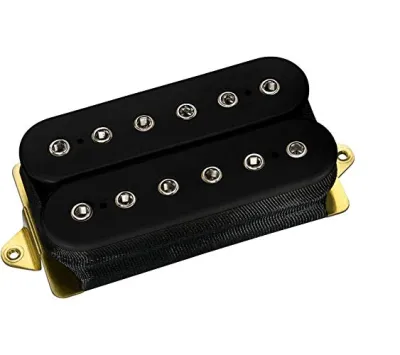
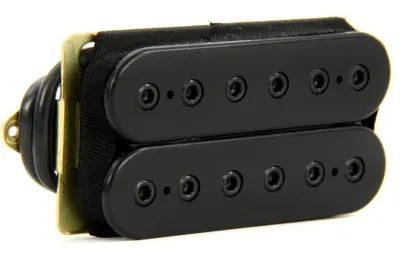
Prices are valid at publication and may change. Please refer to the product page for the latest price.
If your guitar has single-coil routes, you cannot drop a full-sized humbucker into it without physically routing the wood of the guitar body, which is an irreversible modification. Fortunately, DiMarzio offers single-coil-sized humbuckers and noiseless single-coils that fit directly into standard single-coil pickguards and cavities. Always inspect your guitar’s pickup cavities or consult the manufacturer’s specifications before purchasing to ensure a direct physical fit.
Define Your Target Tone and Genre
To find the right DiMarzio pickup, you need to translate subjective tonal descriptions into technical specifications. Terms like “warm” or “smooth” usually refer to a pickup with a prominent midrange, rolled-off treble, and an Alnico magnet. Conversely, terms like “bright,” “tight,” or “aggressive” often describe a pickup with boosted treble and bass, a scooped midrange, and a Ceramic magnet.
Alnico magnets (such as Alnico II, IV, or V) are known for their musical, organic compression and warm bass response, making them excellent for blues, jazz, and classic rock. Ceramic magnets are stronger and produce a faster, more immediate transient response with tight low-end and sharp high-end detail, which is highly desirable for modern metal and high-gain styles. Consider the artists and genres you play most frequently to determine whether you need the vintage warmth of Alnico or the modern precision of Ceramic.
Active vs. Passive Pickups
As a beginner, you will encounter the distinction between active and passive pickups. Passive pickups are the traditional standard; they do not require an external power source and plug directly into your guitar’s existing volume and tone controls. They rely entirely on the physical vibration of the strings over the magnetic field to generate an electrical signal, offering a highly dynamic and expressive playing experience.
Active pickups utilize an onboard preamp powered by a 9V battery to boost the signal and shape the tone. While active pickups offer high output and very low noise, installing them requires replacing all of your guitar’s internal electronics, including the potentiometers and output jack, and finding physical space for a 9V battery inside the control cavity. For your very first pickup upgrade, passive DiMarzio pickups are highly recommended because they are straightforward to install, compatible with standard wiring, and highly versatile.
Output Level Considerations
Pickups are categorized by their output level, which is typically measured in millivolts (mV). Low-output pickups (often vintage-style) deliver a clear, open, and dynamic tone that preserves the natural acoustic character of the wood. They allow for maximum clean headroom on your amplifier, meaning your sound will not distort easily unless you crank the gain.
Medium-output pickups offer a balanced middle ground, providing enough signal strength to push an amplifier into a natural overdrive while retaining excellent dynamic sensitivity and clean tones. High-output pickups are designed to drive the front end of your amplifier hard, making it easier to achieve heavy distortion and long sustain. However, high-output pickups can sometimes sound compressed and may distort your clean channel prematurely. Choose an output level that matches how you intend to use your amplifier and effects pedals.
Top DiMarzio Pickup Recommendations for First-Time Upgraders
DiMarzio’s extensive lineup can be overwhelming for a beginner, but several classic models have stood the test of time due to their reliability, ease of use, and distinct tonal profiles. These recommendations are grouped by musical style and guitar configuration to help you find the perfect match.

Best for Classic Rock, Hard Rock, and All-Around Versatility
For players who want a versatile guitar capable of handling everything from clean jazz chords to heavy classic rock riffs, these humbuckers offer the ideal balance of output, clarity, and dynamic range.
- PAF Pro: Originally introduced in the 1980s, the PAF Pro remains one of the most versatile medium-output humbuckers available. It features a unique EQ curve with a slight dip in the midrange and a bright, clear high-end that cuts through a mix without sounding harsh. This balanced response makes it incredibly forgiving for beginners who are still developing their picking dynamics. It works exceptionally well in both the neck and bridge positions, offering warm, woody tones for rhythm and singing sustain for lead playing.
- Super Distortion: Released in the early 1970s, the Super Distortion was the first pickup specifically designed to drive a tube amplifier into overdrive. It is a high-output humbucker with a massive midrange boost, tight bass, and warm highs. If your primary goal is to play classic hard rock, punk, or early heavy metal, the Super Distortion in the bridge position will instantly transform a thin-sounding guitar into a rock powerhouse. It is highly responsive to your guitar's volume control, allowing you to clean up your tone simply by rolling the volume back.
- Norton: If you find the PAF Pro a bit too clean but worry that the Super Distortion might be too aggressive, the Norton is the perfect middle-ground option. It features a medium-high output with a very rich harmonic response and a strong midrange focus. The Norton provides excellent sustain and crunch for rock rhythm playing while maintaining enough clean headroom to prevent your amplifier's clean channel from breaking up too early. It is an incredibly expressive pickup that rewards nuanced playing.
Best for Modern Metal and High-Gain Clarity
Modern metal genres require exceptional note definition, tight low-end tracking, and the ability to handle extreme amounts of gain without becoming muddy or noisy.
- D Activator: Designed to mimic the high-output, tight response of active pickups without the hassle of batteries and specialized wiring, the D Activator is an outstanding choice for modern metal. It delivers incredibly sharp attack and tight bass response, ensuring that fast, low-tuned riffs remain clear and articulate. Because it is a passive pickup, it retains excellent dynamic headroom, allowing your playing nuances to shine through even under heavy distortion.
- Evolution (Neck and Bridge): Developed in collaboration with guitar virtuoso Steve Vai, the Evolution is a high-output pickup designed for maximum impact and precision. The bridge model is bright, aggressive, and highly focused, with a tight low-end that prevents muddy chords during fast rhythm playing. The neck model is warm and articulate, perfect for sweeping and fast lead work. Beginners should note that the Evolution is extremely sensitive; it reproduces every detail of your playing, which can help you improve your technique but may sound too bright if your guitar is inherently bright.
- Installation Note for Metal Pickups: When installing high-output pickups like the D Activator or Evolution, keep in mind that their high sensitivity can exaggerate any existing setup issues on your guitar. Ensure your guitar's scale length, string gauge, and action are properly adjusted. Heavy strings tuned to lower pitches require precise intonation and pickup height adjustments to prevent unwanted string noise and magnetic pull from affecting your sustain.
Best for Blues, Jazz, and Noise-Free Single-Coil Tones
If you play a Stratocaster or Telecaster and love the expressive, glassy tone of single-coil pickups but cannot stand the annoying 60-cycle hum, DiMarzio’s specialty designs offer the perfect solution.
- Area 58 and Area 61 (Single-Coils): These models belong to DiMarzio's highly acclaimed noiseless single-coil family. They utilize a patented technology that stacks two coils on top of each other to cancel electromagnetic interference while preserving the exact magnetic field and tone of a traditional single-coil. The Area 58 offers a bright, sweet vintage tone inspired by classic late-1950s pickups, making it perfect for the neck and middle positions. The Area 61 has a slightly hotter, fatter sound that works beautifully in the bridge position to prevent thin, ice-pick-like highs.
- PAF 36th Anniversary: For players with humbucker-equipped guitars who want to play blues, jazz, or classic rock, the PAF 36th Anniversary is a masterpiece of vintage design. It is a low-output humbucker that recreates the warm, woody, and highly articulate sound of the legendary late-1950s humbuckers. It features an Alnico V magnet and a soft magnetic field that allows your guitar strings to vibrate freely, resulting in incredible sustain and a highly organic response to your picking attack.
- Tone Chasing vs. Gear Reality: While upgrading to these high-quality pickups will provide an excellent tonal foundation, beginners must remember that a pickup is only one part of the signal chain. Achieving the exact tone of your favorite artist also depends heavily on your amplifier's settings, your effects pedals, and, most importantly, your playing technique. Do not expect a pickup swap to instantly make you sound like a professional without spending time practicing and adjusting your amplifier's EQ to match your new pickups.
Essential Compatibility and Installation Checks Before You Buy
Purchasing a pickup is only half the battle; ensuring it physically fits and functions correctly in your guitar is crucial. Performing these basic checks before making a purchase will save you time, money, and potential damage to your instrument.
String Spacing (Standard vs. F-Spacing)
One of the most common mistakes beginners make is buying the wrong string spacing. DiMarzio offers humbuckers in two spacings: Standard and F-spacing (also known as Floy-spacing or wide spacing). F-spaced pickups feature wider spacing between the pole pieces to align perfectly with the strings on guitars equipped with Fender tremolos, Floyd Rose locking systems, or modern wide-spaced hardtail bridges.
Standard spacing is designed for guitars with narrower string spacing at the bridge, such as traditional Gibson-style Tune-o-matic bridges. To determine which one you need, measure the distance from the center of the high E string to the center of the low E string directly over the bridge pickup. If the measurement is 51 mm (2 inches) or wider, you need an F-spaced pickup. If it is less than 51 mm, choose standard spacing. Using the wrong spacing will not stop the pickup from working, but it can cause slight volume imbalances on the outer strings.
Potentiometer Values
Your guitar’s volume and tone controls use variable resistors called potentiometers (or “pots”). The electrical resistance of these pots directly affects how much high-frequency detail is bled off to the ground. As a general rule, higher-value pots allow more treble to pass through to your output jack, while lower-value pots roll off some of the high-end to warm up the tone.
DiMarzio generally recommends using 500k ohm pots for humbuckers to preserve their high-end clarity and prevent them from sounding muddy. For single-coil pickups, 250k ohm pots are standard because they help tame the naturally bright and piercing highs of single-coils. If you are upgrading from single-coils to a humbucker (or vice versa), check the values of your current pots. You may need to budget for new potentiometers to ensure your new DiMarzio pickup sounds as intended.
Physical Routing and Clearance
Guitars come in many different shapes and thicknesses, and pickup cavities are not always standardized. Some guitars, especially those with carved tops, thin bodies, or shallow vintage routes, may not have enough depth to accommodate pickups with long mounting legs or tall bobbins.
Before ordering, measure the depth of your guitar’s pickup cavities and compare them to the physical dimensions provided on DiMarzio’s official specifications sheets. Pay close attention to the length of the mounting legs (short legs are common on modern guitars, while long legs are typical on vintage-style instruments). Ensuring you have adequate clearance prevents the need to route out wood from your guitar body, which can be difficult and expensive.
When to Stop and Consult a Professional
While soldering a new pickup into a guitar is a valuable skill that many guitarists enjoy learning, it does require patience, the right tools, and basic safety precautions. If your upgrade requires routing new wood, drilling holes for additional switches, or if you are uncomfortable using a soldering iron, it is highly recommended to pause and consult a professional guitar technician or luthier.
A poorly soldered connection can lead to unwanted hum, intermittent signal loss, or a completely dead guitar. In Singapore’s humid climate, proper soldering and grounding are even more critical to prevent corrosion and long-term signal degradation. If you are unsure about any step of the installation process, taking your guitar to a qualified local technician ensures the job is done safely and correctly, preserving your instrument’s playability and resale value. Always refer to your guitar manufacturer’s care instructions and the pickup installation guide before starting any work.
Frequently Asked Questions (FAQ)
Do I need to change my potentiometers when installing a DiMarzio pickup?
You do not always need to change your potentiometers, but doing so is highly recommended if your current pots do not match the recommended values for your new pickup. DiMarzio typically recommends 500k ohm pots for humbuckers to maintain brightness and clarity, and 250k ohm pots for single-coils to smooth out harsh high frequencies. Using the wrong pot value can result in a muddy humbucker or an excessively bright single-coil.
What is the difference between standard and F-spaced DiMarzio pickups?
The difference lies entirely in the physical distance between the pole pieces. F-spaced pickups have wider pole-piece spacing designed to align perfectly under the strings of guitars with Fender-style tremolos, Floyd Rose bridges, or wide hardtails. Standard-spaced pickups are narrower, designed for Gibson-style Tune-o-matic bridges. Choosing the correct spacing ensures balanced volume across all six strings.
Can I mix a DiMarzio pickup with my guitar's stock pickups?
Yes, you can mix a DiMarzio pickup with your stock pickups, but you must be aware of potential phase and output differences. If the new pickup has a much higher output than your stock pickups, you will experience a dramatic volume jump when switching positions. Additionally, if the pickups are out of phase with each other, the middle selector position will sound thin and hollow. You can resolve phase issues by reversing the hot and ground wires of one pickup during installation.
Community discussion
Share your experience or ask a question. Comments are reviewed before publication.