
Choosing the right edition of Franz Kafka’s Metamorphosis is a highly personal decision that directly shapes how you experience this classic work of existential fiction. Because the original text was written in German, your reading experience will be determined almost entirely by the translator you choose. Furthermore, the format you select—whether a durable physical book, a portable digital file, or an immersive audiobook—must align with your lifestyle, study habits, and budget.
To make an informed purchase, you must look beyond the cover art and evaluate the specific translation, the supplementary materials included, and the physical or digital quality of the edition. This guide provides a structured framework to help you identify the version that best matches your reading goals, budget, and format preferences.
Quick Guide: Matching Editions to Your Reading Goals
Before browsing online marketplaces or local bookstores, clarify what you want to get out of the text. Different editions cater to distinct reading styles, and selecting the wrong one can lead to frustration or a dry reading experience.
Products mentioned in this guide
![[Authentic English Version] The Metamorphosis By Franz Kafka.AutoMaxion](https://img.lazcdn.com/g/p/176d5e39b9589501e161457ac9d896ba.jpg_webp_400x400q80.jpg_.webp)
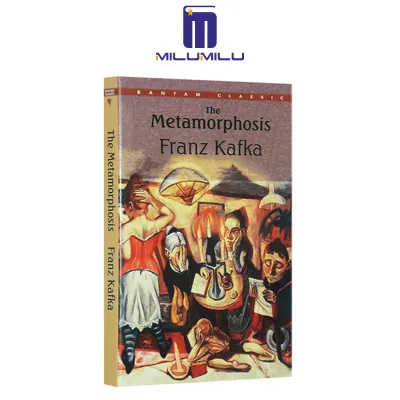
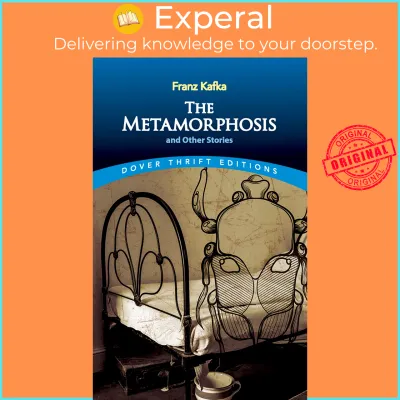
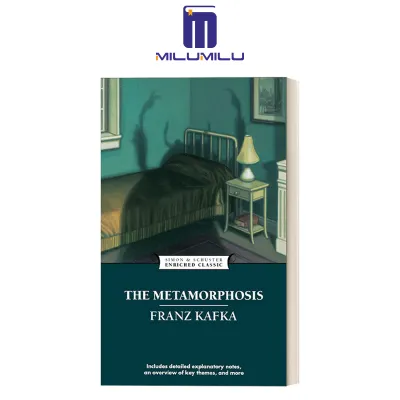
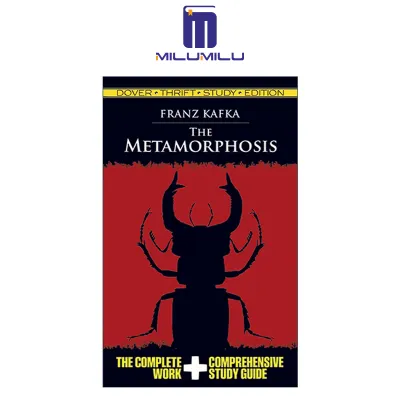
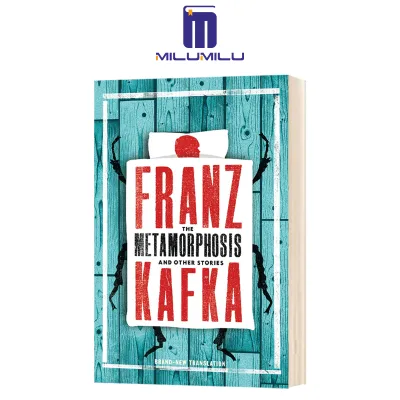
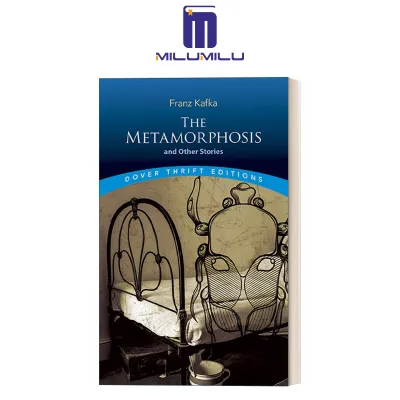
Prices are valid at publication and may change. Please refer to the product page for the latest price.
For casual readers who want to experience the story for its narrative flow and dark humor, a modern, standalone paperback translation is usually the most engaging choice. These editions prioritize natural-sounding English prose over rigid literal accuracy, making the story feel immediate and accessible.
If you are a literature student, academic, or analytical reader, you will benefit most from an annotated critical edition. These versions include explanatory footnotes, essays on historical context, and analyses of Kafka’s themes, which are essential for unpacking the deeper layers of the novella.
For language learners or those interested in translation studies, a parallel-text edition featuring the original German on one page and the English translation on the facing page is highly valuable. This layout allows you to compare sentence structures and word choices directly.
Regardless of your goal, always check the translator’s name and the publication year on the copyright page before buying. Many low-cost editions omit this information, which is a major red flag regarding the quality of the text.
Finally, verify the completeness of the content. Because Metamorphosis is a novella, some publishers bundle it with Kafka’s other short stories, while others sell it as a standalone volume; make sure you know exactly what is included in the table of contents before finalizing your purchase.
How to Choose the Right Translation
Translation is not a simple word-for-word substitution; it is an act of interpretation. Kafka’s original German prose is famous for its flat, bureaucratic, and clinical tone, which contrasts sharply with the surreal and horrifying events of the story. A translator’s approach determines whether this delicate balance is preserved or lost.

When evaluating a translation, consider the translator’s academic background and critical approach. Some translators aim for literal fidelity, preserving Kafka’s long, winding German sentence structures, while others prioritize readability, breaking the text into shorter, more conventional English sentences.
Older, public-domain translations, most notably the classic mid-twentieth-century version by Edwin and Willa Muir, are widely available and often very affordable. While the Muirs’ translation is poetic and historically significant, modern critics often note that it tends to romanticize Kafka’s prose, softening his dry, clinical detachment into a more traditional literary style.
Modern copyrighted translations, such as those by Joachim Neugroschel, Susan Bernofsky, or Stanley Corngold, offer different linguistic flavors. Bernofsky’s translation is highly praised for capturing the dark comedy and fluid rhythm of the text, while Corngold’s version is favored in academic settings for its precise, literal closeness to the original German syntax.
To find your preferred style, use the “opening sentence test” by comparing how different translators handle the famous first line. Pay close attention to how they translate the German word Ungeziefer—some use “monstrous vermin,” others choose “giant insect,” “unclean insect,” or “monstrous bug.”
Reading these opening paragraphs side-by-side in online previews or physical bookstore display copies is the most reliable way to determine which translator’s voice resonates with you before you commit to a full purchase.
Comparing Formats: Print, Digital, and Audio
Once you have decided on a translation, you must choose the physical or digital medium that best fits your lifestyle and reading environment.
Print editions remain the preferred choice for collectors and students who want to physically annotate the text. If you plan to write notes in the margins or highlight passages, a paperback with generous margins or a sturdy hardcover is ideal.
In Singapore’s humid climate, book preservation is an important factor to keep in mind. Cheap mass-market paperbacks printed on highly acidic paper tend to yellow and warp quickly if stored in non-air-conditioned rooms; if you want a copy that lasts, look for hardcovers or trade paperbacks printed on acid-free paper.
Digital editions, such as e-books, offer unmatched portability and convenience for daily commutes on the MRT. E-readers allow you to adjust font sizes, read in low-light conditions, and use built-in dictionaries to look up unfamiliar literary terms instantly.
Audiobooks provide a dramatic, immersive way to experience the story, but their success depends heavily on the narrator’s pacing and tone. A narrator who reads too quickly or uses an overly dramatic delivery can ruin the clinical, deadpan atmosphere that Kafka intended.
Before purchasing a digital book or audiobook, always verify the file format, device compatibility, and regional digital rights management (DRM) restrictions. Some digital platforms restrict purchases to specific devices or regions, so ensure the file will play or open on your preferred hardware.
Budgeting and Sourcing Authentic Copies
Prices for editions of Metamorphosis vary widely depending on the publisher, format, and supplementary materials included.
A standard, mass-market paperback of a public-domain translation typically costs between S$10 and S$15. Modern copyrighted translations in trade paperback format generally range from S$15 to S$25, while premium hardcovers and comprehensive annotated academic editions can cost anywhere from S$25 to S$50 or more.
Be highly cautious when shopping on online marketplaces, as they are often flooded with unauthorized, low-cost “print-on-demand” editions. These copies are frequently generated by scraping public-domain text from the internet, resulting in severe formatting errors, missing paragraphs, typos, and a complete lack of editorial quality control.
To avoid these poor-quality reprints, stick to established, reputable publishers such as Penguin Classics, Oxford World’s Classics, Norton Critical Editions, or Schocken Books. These publishers guarantee professional proofreading, high-quality paper, and clear layouts.
You can find these authentic editions by visiting local brick-and-mortar bookstores in Singapore, where you can physically inspect the paper quality and translation style before buying. Reputable local booksellers often carry a curated selection of classic literature.
If you are on a tight budget or looking for a rare, out-of-print annotated edition, consider checking the catalog of the National Library Board (NLB) or visiting local second-hand bookstores. This allows you to read high-quality translations without paying premium retail prices.
Frequently Asked Questions (FAQ)
Is it necessary to buy an annotated edition?
An annotated edition is not strictly necessary for a casual reading of the story, but it is highly recommended if you want to understand the deeper historical and psychological context. A bare-text edition allows you to experience the narrative without interruption, which is excellent for a first reading. However, an annotated edition provides footnotes that explain Kafka’s wordplay, historical details about early twentieth-century Prague, and biographical connections that make the reading experience much richer.
Why do some editions include other short stories?
Because Metamorphosis is a novella of roughly 20,000 words, it is too short to fill a standard-sized novel on its own. To provide readers with better value, publishers frequently bundle it with Kafka’s other famous short fiction, such as The Judgment, In the Penal Colony, or A Hunger Artist. When shopping, always check the table of contents to see if you are buying a standalone volume or a collection, as a compiled anthology offers significantly more reading material for a similar price.
Community discussion
Share your experience or ask a question. Comments are reviewed before publication.