
Selecting your first musical instrument is a pivotal step in your creative journey, and finding a reliable brand is essential to keep you motivated. For most first-time players, choosing a greg bennett ukulele designed by Samick offers an exceptional entry point. If you are looking for a direct recommendation, a concert-sized model from the Greg Bennett lineup (such as the UK-50 or UK-60 series) provides the most balanced, comfortable, and forgiving playing experience for an adult beginner. This size provides sufficient fretboard space to learn chords easily while maintaining the classic, sweet acoustic tone that makes the ukulele so beloved.
While aesthetic features like high-gloss finishes and decorative bindings are visually appealing, they do not contribute to how easily you can press down on the strings or stay in tune. By focusing on structural design, scale length, and material specifications, you can select an instrument that supports your learning process rather than hindering it with physical frustration.
What Makes a Ukulele Beginner-Friendly? Core Criteria to Evaluate
When evaluating an entry-level instrument, playability must always take precedence over cosmetic upgrades. For a beginner, playability is determined by physical characteristics such as a comfortable neck profile, smooth fret edges, and low string action. String action refers to the height of the strings above the fretboard. If the action is too high, you will need to exert excessive finger pressure to frets notes clearly, which leads to rapid finger fatigue, soreness, and poor intonation. A well-designed beginner instrument features a neck profile that fits naturally in the hand and a factory setup that keeps the strings close to the frets without causing unwanted buzzing.
Products mentioned in this guide

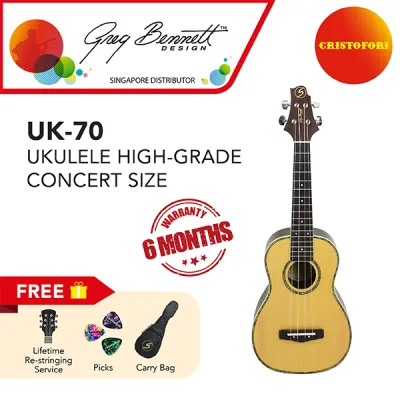
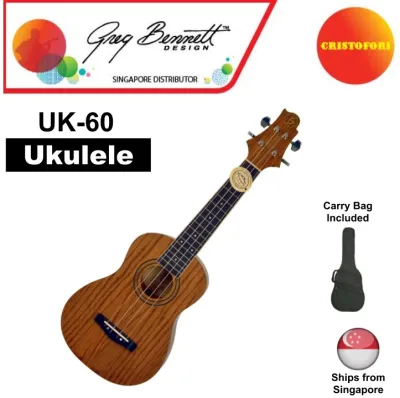
Prices are valid at publication and may change. Please refer to the product page for the latest price.
Setting a realistic budget is the next step in securing a quality instrument. While it is tempting to purchase the cheapest available option on an online marketplace, ultra-low-cost models priced under S$30 are often closer to toys than functional musical instruments. These cheap models frequently suffer from unstable tuning gears, uneven frets, and poor structural alignment, which can make them impossible to tune or play. For a reliable, entry-level instrument that will last for years, beginners in Singapore should expect to invest between S$60 and S$150. Within this price bracket, manufacturers can maintain consistent quality control, install dependable hardware, and use stable materials.
To ensure you are getting genuine value, always verify the manufacturer’s official specifications rather than relying on promotional photos or vague seller descriptions. Retail listings often use terms like “mahogany ukulele” to describe instruments made of cheap plastics or low-grade plywood with a photo-realistic wood grain decal. Checking the official spec sheets from Samick or authorized dealers allows you to confirm the actual materials used in the construction, the type of tuning machines installed, and the exact scale length of the model.
Navigating Greg Bennett Ukulele Sizes for First-Time Players
The Greg Bennett lineup features several distinct ukulele sizes, each offering a unique combination of physical dimensions, playability, and tonal characteristics. Choosing the right size is highly personal, as it dictates how the instrument feels against your body and how much room your fingers have on the fretboard.

Soprano Ukuleles: The Traditional and Portable Choice
The soprano is the traditional, smallest standard size of the ukulele family, typically measuring around 21 inches in total length. This size is responsible for the classic, bright, and highly percussive tone that most people associate with Hawaiian music. Because of its compact dimensions, a soprano model is incredibly lightweight and portable, making it an excellent option for players who want to pack their instrument into a backpack for outdoor gatherings or easily carry it on public transport around Singapore.
However, the soprano’s small body comes with a shorter scale length (the distance between the nut and the bridge) and highly compressed fret spacing. For adult players or anyone with larger hands, navigating chords on a soprano fretboard can feel cramped. It requires precise finger placement to avoid accidentally muting adjacent strings. If you have smaller hands or are purchasing an instrument for a child, a soprano model is an excellent fit, but players with larger fingers may find the learning curve steeper due to the limited physical space on the fretboard.
Concert Ukuleles: The Balanced Middle Ground
Measuring approximately 23 inches, the concert ukulele is widely considered the ideal starting point for adult beginners. This size offers a slightly longer neck and a larger body than the soprano, which translates directly into improved playability. The increased fret spacing allows your fingers to transition between complex chord shapes with much less crowding, making the initial learning phase significantly more comfortable and less frustrating.
From a tonal perspective, the larger chamber of a concert model produces a fuller, warmer, and louder sound. It retains the signature sweetness of the ukulele while adding a richer mid-range resonance and improved projection. This balanced performance makes the concert size highly versatile, accommodating both simple rhythmic strumming and early attempts at fingerpicking without feeling physically cumbersome.
Tenor Ukuleles: For Deeper Tones and Fingerpicking
The tenor ukulele, measuring around 26 inches, is the largest of the three common beginner sizes. It features a noticeably wider neck, a longer scale length, and a deep body. This size is highly favored by players who are transitioning to the ukulele from the acoustic guitar, as the string tension and fretboard spacing feel much more familiar to their existing muscle memory.
Because of its larger physical volume, a tenor ukulele delivers a deep, resonant, and bass-rich voice that projects exceptionally well. The extended fretboard provides more room for high-register playing, making it the preferred choice for instrumentalists who want to focus on intricate fingerstyle arrangements rather than basic vocal accompaniment. While the tenor is a fantastic instrument, the larger scale length requires a wider finger stretch to execute certain chords, which complete beginners with smaller hands might find slightly challenging at first.
Tonewoods and Build: Reading Material Specs for Entry-Level Models
Understanding the materials used to construct a ukulele is crucial for evaluating its durability, tone, and overall value. When reading through the specifications of a Greg Bennett model, you will primarily need to distinguish between laminate and solid wood constructions.
- Laminate Wood: This construction consists of several thin layers of wood pressed and glued together under high pressure, often topped with a thin veneer of decorative wood. Laminate is highly durable, cost-effective, and exceptionally stable.
- Solid Wood: Solid construction uses single, continuous pieces of wood for the top, back, or sides. Solid wood vibrates more freely than laminate, resulting in superior resonance, greater dynamic range, and a tone that naturally improves as the wood ages.
For beginners living in Singapore, the choice of materials involves a direct trade-off between tonal richness and environmental durability. Singapore’s tropical climate features consistently high relative humidity, often exceeding 80%, combined with rapid temperature drops when moving into air-conditioned HDB flats or classrooms. Solid wood is highly sensitive to these extreme shifts in moisture and temperature; without careful climate control, solid wood tops can warp, swell, or crack over time. Laminate bodies, by contrast, are structurally stable and highly resistant to humidity fluctuations, making them incredibly low-maintenance and practical for local players who want a worry-free instrument.
To ensure you know exactly what you are purchasing, read the product descriptions carefully. If a spec sheet lists a material simply as “Mahogany” or “Spruce,” it is almost certainly a laminate construction. High-end models that feature solid wood will explicitly use the word “Solid” (e.g., “Solid Spruce Top” or “Solid Mahogany Back”). Be cautious of listings that use phrases like “Mahogany finish” or “Spruce appearance,” as these terms indicate cosmetic laminates or stained alternative woods rather than genuine tonewoods.
Playability and Setup: A Pre-Purchase Inspection Checklist
Even a well-manufactured ukulele can perform poorly if it is not set up correctly. Before finalizing your purchase—whether you are testing an instrument in a physical music store or unboxing a delivery at home—performing a systematic physical inspection will ensure your ukulele is ready for comfortable play.
- Evaluate the String Action: Look closely at the gap between the strings and the frets. At the 12th fret, the distance should be low enough to press down easily but high enough to prevent the strings from rattling against the metal frets when strummed. If the action is too high at the nut (the slotted plastic piece near the headstock), holding down basic chords like F or Bb will feel painful and stiff.
- Check for Fret Sprout: Run your hand gently up and down the edges of the wooden neck. The metal fret wires should be completely flush with the edge of the fretboard. If you feel sharp metal edges sticking out, the wood has shrunk due to dry storage conditions. This issue, known as "fret sprout," can scratch your fingers during practice and requires professional filing to correct.
- Test Tuning Peg Stability: Turn each tuning key slowly in both directions. The gears should operate smoothly without slipping, sticking, or grinding. If a tuning peg feels loose or has too much play, the instrument will constantly slip out of tune while you are playing.
- Inspect Bridge and Joint Alignment: Examine the bridge where it is glued to the wooden top. There should be no visible gaps, lifting edges, or dried glue residue. Similarly, check the joint where the neck meets the body to ensure it is perfectly flush and structurally sound.
If you are purchasing your ukulele from a local physical music shop in Singapore, do not hesitate to ask the staff if they perform a pre-sale inspection and basic setup. Many dedicated music retailers include a complimentary setup with your purchase, adjusting the nut slots and saddle height to guarantee optimal playability before you walk out the door.
Where to Buy: Securing Authenticity and Warranty in Singapore
To protect your investment and guarantee that you receive a genuine instrument, it is critical to purchase your ukulele from authorized local music retailers or official brand storefronts. Buying locally ensures that the instrument has been shipped, stored, and handled under appropriate conditions before reaching your hands.
Avoid purchasing instruments from unverified third-party sellers on general e-commerce platforms or international online marketplaces. While these listings may offer slightly lower prices, they carry significant risks. Instruments stored in non-climate-controlled warehouses can suffer from severe humidity damage, warped necks, or lifting bridges before they are even shipped. Additionally, purchasing from unauthorized channels means you will not have access to local customer support or valid warranty coverage if a structural defect arises.
An authentic purchase from an authorized dealer in Singapore typically includes a manufacturer’s warranty, usually covering a period of 12 months. It is important to understand what this warranty protects:
- Covered Defects: Structural failures, such as a lifting bridge, cracking glue joints, neck bowing, or defective tuning gear mechanisms that occur under normal use.
- Excluded Issues: Normal wear and tear, broken strings, cosmetic scratches from playing, or structural damage caused by dropping the instrument, improper storage, or exposure to extreme heat and humidity.
By purchasing from a reputable local dealer, you secure peace of mind, professional after-sales support, and a properly inspected instrument that is ready to help you succeed on your musical journey.
Frequently Asked Questions (FAQ)
Do I need to buy a separate tuner and case for my first ukulele?
Yes, a separate tuner and a protective case are essential accessories for any beginner. A clip-on chromatic tuner is highly recommended because it detects the physical vibrations of the instrument, allowing you to tune accurately even in noisy environments where smartphone tuning apps fail. A padded gig bag is equally important to protect your instrument from scratches, minor impacts, and sudden environmental changes when commuting around Singapore.
How often should I change the strings on a beginner ukulele?
For a beginner practicing regularly, changing the strings every six to twelve months is generally sufficient. Over time, nylon and fluorocarbon strings lose their elasticity, resulting in a dull tone, rough texture, and poor tuning stability. If you notice visible wear, fraying on the underside of the strings over the frets, or if the instrument struggles to stay in tune despite being properly stretched, it is time to install a fresh set of high-quality strings.
Is a branded beginner ukulele better than a generic unbranded model?
Yes, investing in an established brand like Greg Bennett is highly beneficial. Reputable brands maintain strict quality control standards, ensuring even fret leveling, stable internal bracing, and reliable tuning hardware. Generic, unbranded models often cut corners on these critical components, resulting in instruments that are difficult to tune, uncomfortable to play, and highly prone to warping or structural failure.
Community discussion
Share your experience or ask a question. Comments are reviewed before publication.