
The type of guzheng tape you need depends entirely on the specific problem you are trying to solve: securing your finger picks (plectrums), managing minor string wear, or temporarily holding loose decorative parts. There is no single “guzheng tape” that does all three. Using the wrong adhesive can ruin your instrument’s finish, leave sticky residue on your strings, or cause skin irritation during long practice sessions.
To play the guzheng comfortably and protect your instrument, you must distinguish between highly breathable cotton finger tapes, specialized high-friction string wraps, and low-tack temporary repair adhesives. Choosing the correct tape ensures your plectrums stay firmly in place during vigorous plucking while preserving the delicate wood and lacquer of your instrument.
Diagnosing Your Need: Match Your Problem to the Right Tape
Identifying the exact issue you are facing is the first step toward choosing the correct tape. Physical discomfort during practice is the most common signal that you need finger tape. If you experience blisters, skin irritation, or notice your finger picks slipping off during fast, vigorous plucking, your current finger tape is likely failing to provide adequate grip or breathability.
Products mentioned in this guide
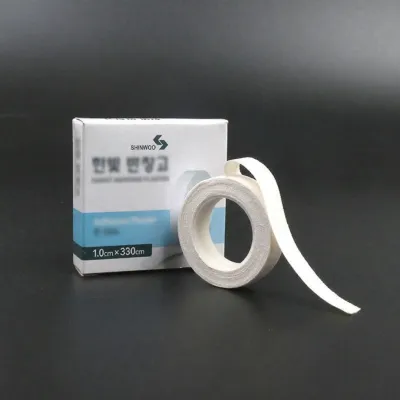
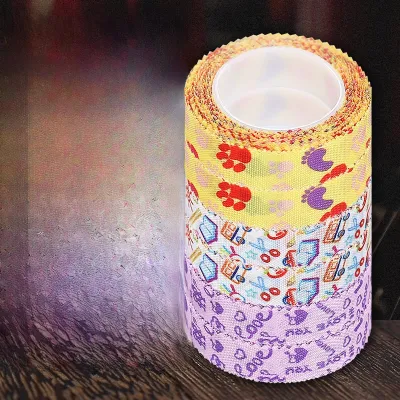
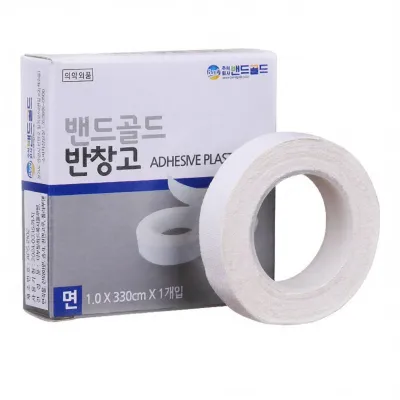
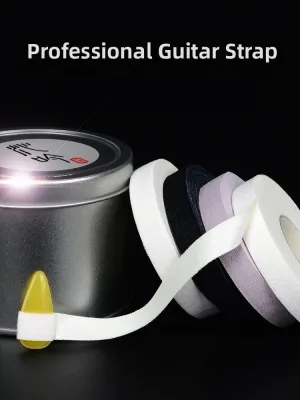
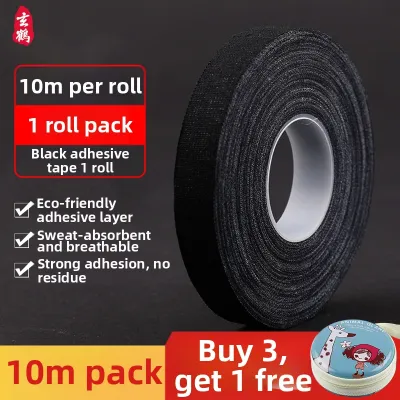
Prices are valid at publication and may change. Please refer to the product page for the latest price.
Inspecting your strings regularly will reveal whether you need a specialized string-wrapping solution. Look closely at the areas near the tuning pins and the tail of the instrument. If you notice the nylon wrapping beginning to fray, unravel, or slip, a temporary binding tape can help manage the wear before you replace the string entirely.
The instrument body itself requires a completely different diagnostic approach. Check the soundboard, frame, and bridges for minor cosmetic issues, loose decorative binding, or bridges that slide out of position during play. If you notice these issues, you must exercise extreme caution, as standard household tapes can permanently damage the guzheng’s delicate lacquer and wood.
Finger and Pick Tape: Securing Plectrums and Protecting Skin
Finger tape, often called plectrum tape, is an essential daily consumable for any guzheng player. Because this tape comes into direct contact with your skin for hours at a time, evaluating its breathability and hypoallergenic properties is critical. High-quality finger tape is typically made of medical-grade cotton, allowing sweat to evaporate and preventing painful skin irritation or allergic reactions.

Adhesive strength is another vital factor to consider when selecting finger tape. The tape must possess enough grip to keep your plastic, tortoiseshell, or composite picks securely attached to your fingertips, even during intense tremolo (saozhi) or rapid plucking techniques. However, the adhesive should not be so aggressive that it leaves a stubborn, sticky residue on your skin or the base of your picks upon removal.
The physical characteristics of the tape—such as width, elasticity, and tearability—greatly influence how easy it is to apply. Most players prefer a tape width of approximately 1 centimeter to 1.5 centimeters, which fits comfortably around the joints of the fingers. Opt for tape with slight elasticity to allow natural joint movement, and ensure it can be easily torn by hand so you do not need to carry scissors in your instrument case.
Applying the tape correctly involves wrapping it firmly but not too tightly around the finger and the pick. Start by placing the pick on the pad of your finger, then wrap the tape around the finger joint, securing both the top and bottom of the pick base. This method prevents the pick from pivoting or shifting during complex performance pieces.
String Wrapping Tape: Managing Fraying and Bridge Slippage
Guzheng strings are under high tension and are subject to constant friction from tuning and playing. Over time, you may notice the nylon winding near the tuning pins or the tail of the instrument beginning to unravel. Applying a thin layer of specialized high-friction tape can temporarily bind the fraying fibers, preventing the winding from unraveling further and keeping the string playable for a short period.
Bridge slippage is another common issue, especially in humid climates like Singapore’s where the wood can become slick. Some players use small pieces of high-friction, ultra-thin anti-slip tape or protective pads beneath the feet of the bridges. This application increases grip against the soundboard, preventing the bridges from sliding out of position during heavy plucking and maintaining tuning stability.
However, you must recognize the strict limits of using tape on your strings. Tape is only a temporary stopgap measure to delay string failure; it cannot restore the bright, resonant tone of a worn-out string. If the core wire of the string is damaged, or if the fraying affects the vibrating portion of the string between the bridge and the front gate, a full string replacement is required to maintain sound quality.
Repair Tape: Safe Boundaries for Temporary Instrument Fixes
When it comes to the wooden body of your guzheng, using the wrong tape can result in costly, irreversible damage. Standard household adhesives, such as duct tape, packing tape, or heavy-duty double-sided tape, contain strong chemical solvents. These solvents can easily strip the guzheng’s natural lacquer, leave permanent dark stains on the paulownia wood soundboard, or pull up wood fibers when removed.
There are very few scenarios where tape is acceptable for instrument repairs, and these should always be temporary. For instance, if a piece of decorative wooden binding or an ornamental endpiece becomes loose, you can use a low-tack, acid-free artist’s tape or painter’s tape to hold the piece in place. This temporary hold keeps the part secure until you can apply professional wood glue or take the instrument to a luthier.
You must establish a strict stop condition for DIY tape repairs. Never use tape to patch structural cracks, soundboard splits, or loose bridge bases. These components are critical to the structural integrity and acoustic projection of the guzheng; attempting to tape them will not fix the issue and will likely worsen the damage. If you encounter structural damage, stop playing immediately and consult a qualified luthier.
Building a Practical Guzheng Tape and Maintenance Kit
A well-prepared guzheng player should maintain a small, organized accessory kit to handle daily practice needs and minor adjustments. Prioritize daily consumables by stocking up on high-quality, breathable cotton finger tape. Since you will use this tape every time you play, keeping a few rolls of different colors or patterns in your case ensures you are always prepared for practice sessions or performances.
Keep string maintenance aids, such as a small roll of thin binding tape, as secondary backups rather than primary solutions. These items should only be used to address unexpected fraying during a rehearsal or performance when an immediate string change is not practical. Always carry a set of replacement strings alongside your tape, as a new string is the only true fix for a worn-out one.
Finally, avoid hoarding generic household repair tapes in your instrument case. Relying on temporary tape fixes for structural issues only delays proper maintenance and risks damaging your instrument. Instead, keep the contact information of a professional repair service or a local luthier handy, and leave structural repairs to those with the specialized tools and adhesives required for delicate musical instruments.
Frequently Asked Questions (FAQ)
Can I use regular medical or electrical tape instead of specialized guzheng tape?
You should avoid using standard household electrical tape or heavy-duty medical tape on your fingers or your instrument. Electrical tape is made of vinyl, which does not breathe, leading to sweat buildup that causes your picks to slip off quickly. Many medical tapes contain industrial-strength adhesives that leave a sticky, difficult-to-clean residue on your skin and can damage the delicate finish of your guzheng if they accidentally come into contact with the wood.
How do I safely remove adhesive residue from my finger picks or strings?
To safely remove sticky residue from plastic or tortoiseshell finger picks, wipe them gently with a soft cloth dampened with a small amount of isopropyl alcohol or a mild soapy water solution. Never use harsh chemical solvents like acetone, as they can melt or warp plastic picks. For strings, gently rub the affected area with a dry microfiber cloth; avoid using liquid cleaners on the strings, as moisture can seep into the core wire and cause premature rust or degradation.
Community discussion
Share your experience or ask a question. Comments are reviewed before publication.