
Choosing the right instrument stand is about balancing safety, accessibility, and structural integrity. A high-quality stand does more than hold an instrument upright; it protects against accidental tips, structural strain, and finish degradation. To find the ideal Hercules stand, you must evaluate the specific physical profile of your instrument, your performance environment, and key engineering features like the Auto Grip System (AGS) or specialized instrument pegs. This diagnostic guide walks you through the selection process, ensuring your gear remains secure whether you are practicing in a Singapore home, recording in a studio, or performing on stage.
Diagnose Your Instrument Profile and Setup Needs
Before browsing specific models, you must analyze the physical characteristics of your instrument and how you intend to use the stand. Instruments vary widely in weight, dimensions, and materials, which directly impacts the type of support they require. For example, a heavy, solid-body electric bass exerts different physical forces on a stand than a lightweight, hollow-body acoustic guitar. Similarly, supporting a compact 61-key synthesizer requires a different structural approach than supporting a heavy, 88-key digital piano with weighted hammer-action keys.
Your primary usage environment is the next critical factor. If your stand will remain in a permanent home setup or a dedicated studio space, you can prioritize heavier, highly stable models that do not need to fold down frequently. Conversely, if you are a gigging musician traveling between venues across Singapore, portability is paramount. You will need a stand that is lightweight, folds down into a compact shape, and can withstand the wear and tear of frequent transport.
Products mentioned in this guide
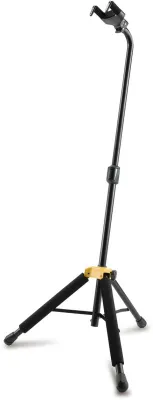
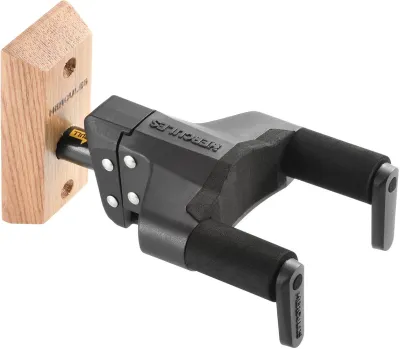
Prices are valid at publication and may change. Please refer to the product page for the latest price.
Space constraints also dictate your choice. In tight practice areas or crowded stages, a wide-base stand might present a tripping hazard. In these scenarios, a compact single stand or a vertical multi-instrument rack is often more practical than multiple individual A-frame stands.
Finally, identify the finish of your instrument. Vintage instruments, particularly those with nitrocellulose lacquer finishes, are highly sensitive to chemical reactions. Standard rubber or low-grade foam padding can leach plasticizers into the lacquer, causing permanent clouding or softening of the finish. Always verify if your instrument’s manufacturer specifies any material restrictions for contact points before selecting a stand.
Match Hercules Stand Categories to Your Instrument
Hercules designs its product lines around specific instrument families to address their unique physical demands. Selecting a stand from the correct category is essential because each line is engineered to support a specific center of gravity and place protective contact points only where the instrument can safely bear its own weight. Using an incorrect stand type—such as resting a heavy brass instrument on a generic string stand—compromises stability and risks structural damage.

Guitars and Basses
For stringed instruments, the choice often begins with the size of your collection. If you only perform with one instrument, a single stand is highly efficient. However, if you frequently switch between instruments during a set, or if your home collection is growing, a multi-guitar rack (such as a 3-piece or 5-piece configuration) is a space-saving alternative. Racks keep multiple guitars aligned side-by-side, reducing the overall footprint compared to multiple single tripod stands.
You must also consider the body depth of your instruments. Acoustic guitars have deep bodies and wide lower bouts, requiring a stand with a wider lower cradle to prevent the body from twisting or slipping. Electric guitars and basses have much thinner profiles, meaning they require less depth but often carry significantly more weight, demanding a robust frame.
Look for stands featuring adjustable yokes. A proper yoke supports the neck just below the headstock, preventing unnecessary lateral strain on the neck joint. Adjustable yokes allow you to customize the height of the support point, ensuring that the instrument’s weight is distributed evenly between the neck hanger and the lower body cradles, keeping the center of gravity low and stable.
Keyboards and Synthesizers
Keyboards demand exceptional lateral stability and load-bearing capacity. The primary structural styles include X-style, Z-style, and A-frame stands. Double-braced X-style stands are highly portable and quick to set up, making them popular for gigging, though they can restrict legroom for seated players. Z-style and heavy-duty table-style stands offer maximum legroom and superior lateral stability, which is essential for heavy, 88-key digital pianos.
If you use multiple instruments, look for stands that support adjustable width and height tiers. Multi-tier stands allow you to position a lightweight synthesizer or MIDI controller directly above a weighted digital piano, keeping both within comfortable reach. Ensure the stand allows independent angle adjustments for the upper tiers to maintain ergonomic hand positions.
Always cross-reference the manufacturer’s stated weight capacity with your keyboard’s specifications. A weighted-action digital piano can easily weigh over 20 to 25 kilograms, which requires a heavy-duty, double-braced frame. Whether supporting a lightweight S$200 MIDI controller or a heavy S$3,000 stage piano, verifying these limits prevents catastrophic structural failures during intense performances.
Brass, Woodwinds, and Orchestral Instruments
Orchestral instruments often have irregular shapes, delicate keywork, and high centers of gravity, requiring highly specialized stands. For saxophones and clarinets, look for stands that offer dedicated bell support and adjustable yokes. The bell of a saxophone is structurally robust enough to bear the instrument’s weight, but the stand must hold it securely without pressing against the delicate side keys. Adjustable height and stable peg bases prevent these top-heavy instruments from tipping over.
Trumpet and trombone stands must balance the instrument’s center of gravity while protecting sensitive slides and valves. Many Hercules brass stands utilize a spring-loaded peg design that cushions the instrument as you place it down, absorbing physical shock and protecting the internal alignment of the valves.
Flutes, oboes, and violins require specialized, smaller pegs and secure holding mechanisms. Violin stands, for instance, often feature a dedicated bow holder and a mini Auto Grip System that secures the neck. Many Hercules woodwind stands feature pre-threaded holes on the base, allowing you to add or swap specialized pegs for flute, clarinet, or oboe. This modular design lets you customize a single base to support multiple instruments while safeguarding delicate wood varnishes and metal plating.
Verify Stability, Weight Capacity, and Portability Features
To ensure your selected stand performs reliably under real-world conditions, you must evaluate its technical specifications and physical mechanisms. One of the most prominent features of Hercules guitar stands is the Auto Grip System (AGS). This mechanism is entirely mechanical, requiring no batteries or external power. When you rest the guitar neck in the yoke, the downward force triggers the two front-facing barriers to rotate inward, locking the instrument in place. When you lift the instrument, the arms automatically open. Before relying on this system, verify that your instrument’s neck width and headstock shape are compatible with the AGS dimensions, as some narrow-necked instruments or asymmetrical headstocks may require specific adapters.
Weight capacity is a critical safety specification. Never estimate the weight of your gear. Check the manufacturer’s documentation for the exact weight of your instrument, and remember to add the weight of any attached accessories, such as heavy leather straps, wireless transmitters, or attached tuning devices. Ensure the total weight remains comfortably below the stand’s rated maximum capacity.
The base design determines how well the stand resists tipping. Standard tripod bases are highly stable and common, but wide-base models offer a lower center of gravity, which is beneficial for heavy or tall instruments. If you frequently perform on uneven stages, outdoor venues, or thick carpets, look for stands with micro-adjustable or extendable legs. These allow you to level the stand’s base, eliminating wobbles that could lead to a tip-over.
For mobile musicians, examine the folding mechanisms and locking pins. High-quality stands use secure locking pins or heavy-duty clutches rather than simple friction joints, which can slip over time under heavy loads. Check if the stand folds into a compact, linear shape and whether the manufacturer offers dedicated travel bags to protect both the stand and your other gear from scratches during transport.
Signs It Is Time to Upgrade or Replace Your Current Stand
Like any musical accessory, instrument stands experience wear and tear over time. Using a compromised stand puts your valuable instrument at immediate risk. The first area to inspect is the contact padding. Over years of use, foam or rubberized contact points can dry out, crack, or wear thin. Once the metal frame beneath the padding is exposed, it can scratch your instrument’s finish or wood. Furthermore, degraded rubber can chemically react with your instrument’s finish, leaving permanent, sticky marks.
Mechanical wear is another clear indicator that it is time for an upgrade. Inspect all joints, locking pins, and height-adjustment clutches. If you notice wobbly joints that cannot be tightened, slipping height adjustments, or locking pins that do not seat securely, the structural integrity of the stand is compromised. For stands with gravity-assisted locking mechanisms, ensure the moving parts operate smoothly without sticking; a sluggish mechanism may fail to lock or release properly.
Your physical setup may also outgrow your current equipment. If you find yourself bringing three individual single stands to a gig, upgrading to a single multi-guitar stand or a multi-tier keyboard stand will significantly reduce your setup time and transport volume. A multi-stand setup also minimizes the footprint of your gear, making it much easier to manage in tight stage environments.
Finally, assess the stability of your stand in its current environment. If you have recently moved your practice space to a high-traffic area of your home, or if you are performing on active stages with significant foot traffic, a lightweight, basic stand may no longer provide sufficient protection. Upgrading to a heavier, wide-base stand with an active locking system offers peace of mind and safeguards your investment.
Frequently Asked Questions (FAQ)
Are Hercules stands safe for nitrocellulose guitar finishes?
Hercules designs its stands using specially formulated foam (SFF) on all contact points to minimize the risk of finish damage. However, because vintage or custom nitrocellulose lacquers can vary greatly in chemical composition, age, and curing state, no single foam compound can guarantee absolute compatibility with every historical finish. Always check the specific product manual and your instrument manufacturer’s care instructions. For highly sensitive, uncured, or vintage finishes, it is highly recommended to test the stand on an inconspicuous area first, or to wrap the contact points in a clean, soft cotton cloth to prevent any direct contact between the lacquer and the foam.
Can I use a standard guitar stand for a banjo or mandolin?
A standard guitar stand is rarely ideal for smaller stringed instruments like banjos or mandolins due to differences in neck width and body depth. The neck yoke of a standard guitar stand is often too wide, which can allow a narrow mandolin neck to slip through or sit crookedly, compromising the balance. Additionally, the lower bout cradle of a guitar stand is designed for a much wider body, meaning a banjo or mandolin may not rest securely against it, increasing the risk of the instrument tipping sideways. While some highly adjustable stands can be configured to hold smaller instruments, it is much safer to use specialized stands or models equipped with yoke adapters designed specifically to accommodate narrow necks and compact bodies.
Community discussion
Share your experience or ask a question. Comments are reviewed before publication.