
Selecting your first novel by Keigo Higashino, one of Japan’s most celebrated modern mystery writers, is an exciting step into a world of brilliant crimes, intricate puzzles, and profound human drama. With dozens of translated works available in Singapore, finding the perfect entry point requires matching his distinct storytelling styles to your personal reading habits. Whether you are commuting on the MRT, relaxing in a quiet cafe to escape the afternoon heat, or winding down at home after a long day, the right book will keep you turning pages late into the night. Higashino’s ability to transition between cold, analytical logic and warm, empathetic human stories has earned him a massive global following, making him a staple of modern translated fiction.
The author’s vast bibliography generally splits into two distinct paths: highly logical, science-infused puzzles and deeply emotional, character-driven social dramas. By identifying which of these narrative styles aligns with your current reading mood, you can select a book that resonates immediately rather than struggling through a pacing style that does not suit your tastes. Understanding these two core approaches is the key to unlocking his work, as it allows you to navigate his extensive catalog with confidence and purpose.
Identify Your Mystery Preference: Puzzle vs. Emotion
To find your ideal starting point, it helps to understand the two primary pillars of Higashino’s writing. The first pillar is the classic puzzle-focused mystery, which prioritizes the mechanics of the crime itself. These stories often feature locked-room scenarios, seemingly impossible alibis, and complex tricks that rely on physics, chemistry, or rigorous logical deduction. This style is heavily influenced by the Japanese “honkaku” tradition, which emphasizes fair-play mysteries where the reader is given all the necessary clues to solve the crime alongside the detective. If you enjoy matching wits with the investigator, analyzing timelines, and trying to spot the subtle logical flaw in a suspect’s statement, you will naturally gravitate toward this style.
Products mentioned in this guide


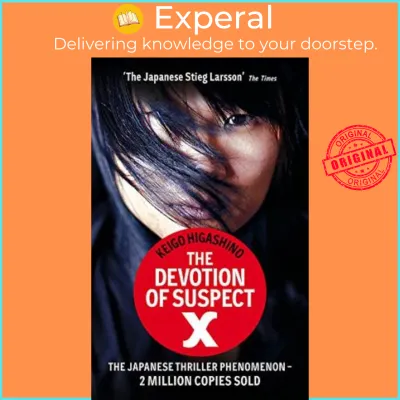
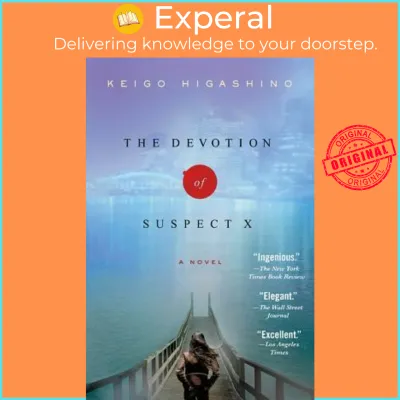
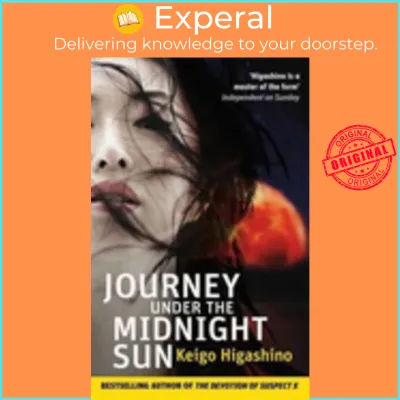

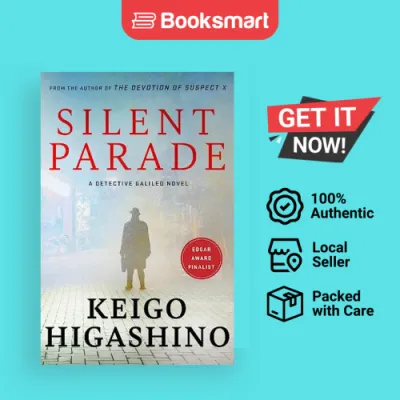
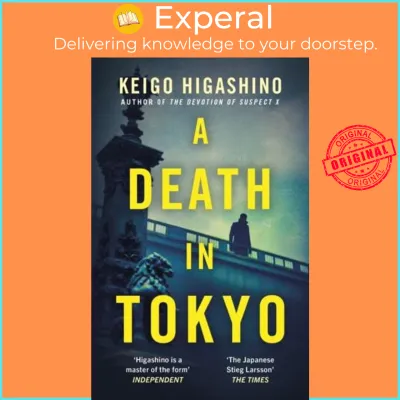
Prices are valid at publication and may change. Please refer to the product page for the latest price.
The second pillar focuses on the emotional and social dimensions of crime, moving away from pure intellectual exercises to explore the human cost of tragedy. In these novels, the central question is rarely just “who did it” or “how was it done,” but rather “why did they do it” and “how does this tragedy affect those left behind.” These narratives delve deeply into human psychology, family dynamics, societal pressures, and the moral gray areas of the law. The pace is often more deliberate, allowing room for character development, atmospheric world-building, and poignant reflections on modern life. This approach aligns more with the “social school” of Japanese mystery writing, which uses crime as a lens to examine broader societal issues.
To determine your preference, ask yourself a few simple questions before making a purchase. Do you find yourself more satisfied by a clever, unexpected plot twist that relies on physical evidence and intellectual deduction? Or do you prefer a story that leaves you reflecting on the characters’ motives, relationships, and personal sacrifices long after the final page is turned? If you lean toward the former, you are a puzzle enthusiast who will appreciate his science-based thrillers; if the latter appeals more, you are a character-driven reader who will find deep satisfaction in his emotional dramas.
Starting Points for Logic and Puzzle Enthusiasts
For readers who crave intellectual challenges and intricate plot mechanics, the Detective Galileo series serves as the ultimate introduction. This series follows Manabu Yukawa, a brilliant physics professor who assists the police in solving crimes that appear to defy natural laws. The mysteries in these books are designed like scientific equations, where every clue is a variable that must be carefully analyzed. The appeal lies in the elegant resolution of seemingly supernatural or impossible events through grounded scientific principles and logical reasoning. As an author with a background in engineering, Higashino excels at creating highly technical, yet accessible, puzzles that challenge the reader’s understanding of physical reality.

Many of these puzzle-focused novels utilize a “howdunit” or inverted mystery structure. In an inverted mystery, the reader often witnesses the crime and learns the identity of the perpetrator in the very first chapter. The tension and excitement do not come from guessing the killer’s identity, but from watching the detective slowly dismantle the suspect’s seemingly airtight alibi. This structure highlights the intellectual duel between two highly intelligent minds, making for a gripping, fast-paced reading experience. It shifts the focus from a traditional search for clues to a psychological battle of wits, where the smallest slip of the tongue can bring down a masterfully constructed cover-up.
When choosing these logic-heavy books, you should expect a narrative that prioritizes plot mechanics and intellectual sparring over deep emotional exploration. While the characters are memorable and distinct, their primary function is to move the puzzle forward. The satisfaction comes from the sheer cleverness of the setup and the brilliant execution of the final reveal, making these novels perfect for those who appreciate the classic golden-age detective tradition updated for the modern era. They offer a clean, intellectually stimulating reading experience that keeps you engaged from the first page to the last.
Starting Points for Emotion and Character-Driven Readers
If you prefer mysteries that explore the complexities of the human heart, the Detective Kaga Kyoichiro series and Higashino’s standalone social dramas offer a more fitting entry point. Detective Kaga is a highly observant investigator who approaches cases with immense empathy, often focusing on healing the emotional wounds of the victims’ families as much as catching the culprit. These stories are less about flashy scientific tricks and more about understanding the subtle shifts in human behavior, family secrets, and the quiet tragedies of everyday life. Kaga’s investigative method relies heavily on footwork, patience, and a deep understanding of human nature, making his cases feel deeply personal and grounded.
These narratives place a heavy emphasis on the “whydunit,” exploring the deep-seated motives, desperation, and love that drive ordinary people to commit extraordinary acts. The crime itself is often just the starting point for a broader examination of social issues, such as the isolation of the elderly, the pressures of academic success, or the breakdown of family communication. The investigation progresses through conversations, domestic details, and the gradual uncovering of long-buried secrets. By focusing on the emotional aftermath of the crime, Higashino creates stories that are deeply moving and intellectually engaging, challenging the reader to empathize with characters who find themselves in impossible situations.
Readers embarking on this path should prepare for a more deliberate pacing style and a heavier emotional weight. The focus on character development means that the narrative takes its time to build a rich, atmospheric world. The payoff in these novels is rarely just a shocking twist, but a profound emotional resolution that challenges your perceptions of right and wrong, making them highly rewarding for those who value thematic depth and psychological realism. These books are perfect for quiet evening reading, offering a thoughtful and deeply human perspective on the mystery genre.
Navigating Series Continuity and Standalone Novels
One common concern for newcomers is whether they need to commit to a long, multi-book series to enjoy Higashino’s work. Fortunately, the author’s approach to series writing is highly accessible. While recurring characters like Detective Galileo (Manabu Yukawa) and Detective Kaga Kyoichiro appear across multiple books, almost every novel is written to function perfectly as a standalone story. You do not need to have read the previous installments to understand the plot, the motives, or the resolution of the central mystery. The author masterfully introduces his recurring characters in a way that provides sufficient context for new readers without bogging down the narrative with excessive backstory.
If you prefer to avoid recurring characters altogether, Higashino has written several highly acclaimed standalone novels that require absolutely no knowledge of his broader literary universe. These standalone books often blend elements of mystery, fantasy, and domestic drama, offering a unique perspective on his storytelling versatility. Some of these works step away from traditional crime altogether, focusing instead on themes of redemption, second chances, and the interconnectedness of human lives. Starting with a standalone novel allows you to experience his writing style without feeling any pressure to seek out sequels or related titles, making it a low-commitment way to explore his work.
When looking for these books in Singapore, you can easily find them in the fiction or translated literature sections of major physical bookstores. If you prefer digital reading, e-book versions are widely available on major online platforms. Before purchasing, it is always wise to check the book’s description or table of contents to confirm whether it is part of a series, helping you set your expectations for character continuity and recurring themes. This simple check ensures you can plan your reading journey according to your personal preferences.
Verifying Translations and Editions Before Purchase
Because Higashino’s novels are translated from Japanese, paying attention to the specific edition and translation quality is essential for the best reading experience. Different publishers may release different English translations over time, and the choice of translator can significantly influence the tone, flow, and cultural nuances of the prose. A skilled translator preserves the author’s distinct voice while ensuring the dialogue feels natural and the cultural context is clear. When browsing books online or in physical stores, take a moment to check the translator’s name and read a brief sample page to ensure the writing style feels natural and engaging to you.
It is also important to verify whether the edition you are purchasing is a full, unabridged translation. While most modern English releases of Higashino’s work are complete, some older or international editions might occasionally feature abridged text or altered character names to suit specific markets. Checking the publisher’s details and reading customer feedback on online marketplaces can help you confirm that you are getting the complete, unaltered narrative as the author intended. Additionally, pay attention to the original publication date versus the translation date; some of his earlier works written in the 1980s or 1990s feature technology of that era, such as public payphones and floppy disks, which adds a charming retro feel to the mystery.
Finally, if you are purchasing physical copies from third-party sellers or secondhand bookshops in Singapore, pay close attention to the book’s condition and formatting. For digital editions, download a free sample first to verify that the formatting, font scaling, and chapter breaks display correctly on your specific e-reader or tablet. Taking these small steps before you buy ensures a smooth, uninterrupted journey into some of the finest mystery fiction ever written, allowing you to fully immerse yourself in the author’s brilliant world.
Frequently Asked Questions (FAQ)
Do I need to read his books in chronological order?
No, you do not need to read his books in chronological order. While recurring characters like Detective Galileo and Detective Kaga grow and change slightly over time, each novel features a self-contained mystery that is fully resolved by the end of the book. Any necessary background information about the detective’s personal life or past cases is briefly and clearly explained within the text. You can comfortably start with whichever title catches your eye first without worrying about missing crucial plot points. This flexibility makes his work incredibly accessible to new readers who want to jump straight into his most famous titles.
Are his novels suitable for readers who dislike graphic violence?
Yes, Higashino’s novels are generally very suitable for readers who prefer to avoid graphic violence or excessive gore. While his stories deal with serious crimes, including murder, the narrative focus is almost always on the intellectual puzzle, the psychological tension, and the emotional impact on the characters. He rarely dwells on graphic descriptions of violence or physical trauma. Instead, the suspense is built through clever dialogue, logical deductions, and the gradual unraveling of complex human motives, making his books a comfortable read for those who prefer psychological suspense over horror.
How can I avoid spoilers for his famous plot twists?
To protect your reading experience, it is highly recommended to avoid reading detailed online reviews, character wikis, or discussion forums before finishing a book. Because Higashino is famous for his dramatic plot twists and inverted mystery structures, even well-intentioned summaries can accidentally reveal crucial details about the culprit’s identity or the mechanics of the crime. Stick to reading the official publisher’s blurb on the back cover, and let the story unfold naturally as you read. If you enjoy discussing books online, try to seek out spoiler-free reading communities or wait until you have finished the novel to join the conversation.
Community discussion
Share your experience or ask a question. Comments are reviewed before publication.