
To build an effective Primary School Leaving Examination (PSLE) preparation strategy using KET assessment books, you need to select titles that match your child’s current academic profile and target specific subject weaknesses. Rather than purchasing every available title, a successful preparation set balances topical drills for foundation building with full-length mock papers for exam-condition practice across English, Mathematics, Science, and Mother Tongue languages. Navigating the wide array of educational resources can be challenging, but focusing on syllabus alignment, progressive difficulty, and clear instructional support will help you make informed decisions that support your child’s learning journey.
How to Evaluate KET Assessment Books for the PSLE Syllabus
Selecting the right assessment books requires a systematic approach to ensure the materials align perfectly with the latest Ministry of Education (MOE) syllabus. An important step is to verify the publication or reprint year on the copyright page, as even minor syllabus adjustments can alter the format of exam components, such as the weighting of specific topics or the structure of oral and listening comprehension sections. Using outdated materials can lead to confusion and wasted study time, so ensuring currency is paramount.
Difficulty progression is another critical factor when evaluating these books. Look for titles that offer clear grading indicators, such as progressive difficulty levels from basic conceptual questions to advanced, non-routine application problems. This allows students to build confidence before tackling challenging exam-style questions. A well-structured book will guide the student from simple recall tasks to complex synthesis, ensuring they are not discouraged by sudden jumps in difficulty.
Products mentioned in this guide
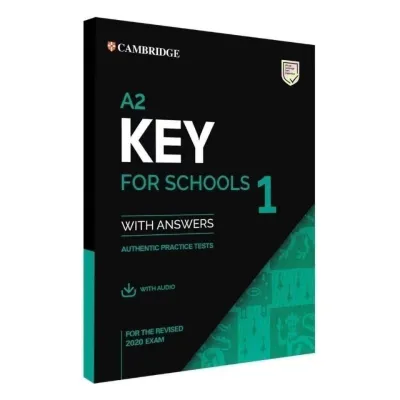
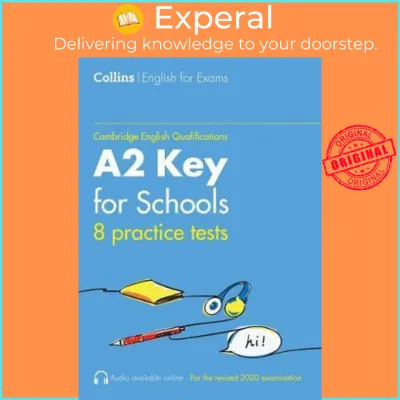
Prices are valid at publication and may change. Please refer to the product page for the latest price.
The layout and visual presentation of the assessment books also play a significant role in a student’s learning efficiency. Cluttered pages with dense text and minimal spacing can cause cognitive overload, making it difficult for primary school students to focus. Look for books that feature clean layouts, clear diagrams, and sufficient writing space for working out math problems or drafting composition outlines. A user-friendly design encourages consistent practice and reduces study-related anxiety.
Finally, examine the quality of the answer keys provided at the back of the book. High-quality assessment books do not just list the final answers; they provide comprehensive, step-by-step worked solutions, detailed marking schemes, and explanations for why certain options are incorrect. This is particularly vital for self-directed learning and parental guidance during home revision, as it helps identify the exact step where a mistake occurred.
Choosing KET Books for English and Chinese Language Prep
Language preparation for the PSLE requires a dual focus on technical accuracy and creative expression. When selecting KET books for English and Chinese, you must distinguish between topical grammar and vocabulary drills and full mock examination papers. Topical drills are ideal for addressing specific grammatical weaknesses, while mock papers help students manage their time across different exam components. Balancing these two types of resources ensures that students develop both deep linguistic knowledge and practical exam strategies.

For the writing components, check for books that feature updated composition prompts, model essays, and structured guides for situational writing. Effective language books provide annotated model essays that highlight excellent vocabulary usage, varied sentence structures, and logical paragraph transitions, giving students clear templates to elevate their own writing. These annotations should explain why a particular phrase or structure is effective, helping students internalize the techniques rather than simply memorizing essays.
For Chinese language preparation, pay close attention to books that offer targeted practice for the comprehension (Reading Comprehension) and vocabulary components. Look for resources that provide Hanyu Pinyin support where appropriate, along with detailed vocabulary lists that align with the prescribed textbook chapters. Effective Chinese assessment books should also teach specific comprehension strategies, such as identifying key narrative elements, understanding character motivations, and structuring precise answers that meet the marking criteria.
Do not overlook the oral and listening comprehension components, which carry significant weight in the final language grades. Ensure the books you select include dedicated sections for these components, complete with access to high-quality audio recordings. These resources help students practice active listening and develop structured responses for the oral communication segment, allowing them to practice pacing, pronunciation, and conversational flow in a realistic setting.
Choosing KET Books for Mathematics and Science Mastery
STEM subjects in the PSLE demand deep conceptual understanding and the ability to apply knowledge to novel scenarios. For Mathematics, prioritize KET books that focus heavily on heuristic approaches and common mistake analysis. An effective math book breaks down complex word problems into manageable steps using bar models, algebraic methods, or systematic listing, helping students master non-routine problem sums. It should also highlight typical pitfalls and misconceptions, teaching students how to avoid careless errors under exam pressure.
In Science, a primary challenge often lies in the open-ended questions (OEQ) section, where students must use precise scientific keywords to secure full marks. Look for books that emphasize concept application over rote memorization, teaching students how to identify the core scientific principles behind experimental setups and structure their answers using the \”Claim-Evidence-Reasoning\” framework. The practice questions should cover a wide range of scenarios, from life sciences to physical sciences, to ensure comprehensive preparation.
In Science, experimental design and process skills are heavily tested. Ensure the KET Science books you select include questions that evaluate a student’s ability to identify variables (constant, changed, and measured), analyze experimental setups, and interpret graphs or tables. Books that provide clear explanations of the scientific method and offer practice on how to formulate hypotheses and draw logical conclusions are invaluable for mastering the challenging application questions in Section B of the Science paper.
To maximize study efficiency, select books that feature diagnostic checklists and clear worked examples at the beginning of each chapter. These tools allow students to quickly assess their understanding of key topics, such as energy forms or fractions, before diving into practice questions, ensuring they do not waste time on concepts they have already mastered. A good diagnostic tool helps pinpoint specific areas that require immediate attention, making revision highly targeted.
Building a Balanced PSLE Prep Set: Core vs. Supplementary
Creating an effective study plan involves categorizing your KET books into core texts and supplementary materials to avoid overwhelming your child. Core books should focus on topical mastery and foundation building, which are essential during the earlier phases of the academic year. These books ensure that fundamental concepts are thoroughly understood before exam preparation intensifies, providing a solid base upon which more complex skills can be built.
A structured timeline can help you manage the deployment of these books effectively throughout the academic year. During the first half of the year, focus almost exclusively on topical workbooks to reinforce classroom learning and address immediate gaps. As the mid-year milestones approach, introduce short topical tests to assess retention. The final months leading up to the PSLE should be reserved for full-length mock papers and past-year papers, allowing the student to practice under strict exam conditions and build the necessary mental stamina.
As the examinations approach, transition your child to supplementary materials, such as topical test papers and full-length mock examination books. These resources are designed for final timed revision, helping students build the stamina and time-management skills required for the actual papers. Limit the number of mock paper books to one or two per subject to prevent study fatigue and ensure that each practice session is followed by a thorough review of mistakes.
Always adjust the final selection of books based on your child’s current school results and feedback from teachers. If a student struggles with specific topics, prioritize targeted topical workbooks over comprehensive exam papers. Conversely, for students who already demonstrate strong conceptual understanding, focus on advanced problem-solving books to stretch their capabilities and keep them engaged.
Essential Checks Before Purchasing KET Assessment Books
Before finalizing your purchase at a bookstore or online marketplace, perform a few essential checks to ensure you are getting the correct and most useful editions. Confirm that the edition year matches the latest PSLE exam format, as publishers frequently update their covers while keeping older content inside. Check the table of contents against the official syllabus guidelines to verify complete coverage of all required topics.
Additionally, check if the publisher provides errata sheets or online updates for their books. Even well-established educational publishers occasionally have printing errors or incorrect answers in their initial print runs. Reputable publishers will list these corrections on their official websites. Verifying these updates beforehand prevents your child from learning incorrect concepts or becoming frustrated by unsolvable questions due to typographical errors in the text.
Many modern assessment books come with supplementary digital resources, such as online learning portals, interactive quizzes, or downloadable audio tracks for listening comprehension. Verify how these digital components are accessed, whether they require an additional subscription fee, and if they are compatible with your home devices, such as tablets or laptops. Having seamless access to these digital tools is crucial for a complete learning experience.
Finally, purchase only from authorized distributors or reputable educational bookstores to avoid counterfeit or poorly printed copies. Check the physical condition of the book for missing pages or printing errors, and ensure that any unique digital access codes printed inside the cover remain unscratched and intact. Investing a few moments in these checks ensures that your child’s study materials are reliable, complete, and ready for immediate use.
Frequently Asked Questions (FAQ)
Can I use older editions of KET assessment books for PSLE revision?
Using older editions carries the risk of preparing with outdated syllabus requirements or obsolete question formats. While basic mathematical operations and grammar rules remain constant, the specific way questions are framed and weighted in the PSLE can change over time. Always cross-reference older books with the latest syllabus guidelines from the Ministry of Education to ensure they are still relevant and cover all current exam requirements.
Do KET assessment books include digital components or audio files?
Many KET assessment books, especially those for language listening comprehension and oral exam preparation, include digital components such as audio files or online practice portals. Before purchasing, check the book cover or introduction page for instructions on how to access these resources, which may involve scanning a QR code or entering a unique access code on the publisher’s official website. Ensure your home devices are compatible with these platforms.
Community discussion
Share your experience or ask a question. Comments are reviewed before publication.