
Choosing the right LiberLive guitar model as a beginner depends on matching your personal musical goals, your home practice environment, and your willingness to engage with a digital learning ecosystem. Because these smart instruments blend physical hardware with software-driven accompaniment, your choice should focus on how each model’s physical form, sensor technology, and app integration align with your daily routine. By evaluating these factors systematically, you can select an instrument that keeps you motivated without introducing unnecessary technical friction.
Unlike traditional acoustic guitars that require months of physical conditioning to play basic chords cleanly, smart guitars use digital interfaces to simplify the early stages of learning. This guide outlines the essential decision-making framework to help you compare available options, perform critical pre-purchase checks, and establish a rewarding practice habit.
Define Your Beginner Goals and Practice Environment
Before comparing specific hardware features, you must clarify what you want to achieve with a smart guitar and where you plan to use it. Defining these parameters early prevents overspending on features you may not need.
Products mentioned in this guide
![[Hot Seller] LiberLive C1 Stringless Smart Guitar Foldable Travel Backing Guitarra Chord Generator (White)](https://img.lazcdn.com/g/p/f6df29ad7158f48413db306ab815c38d.jpg_400x400q80.jpg_.webp)
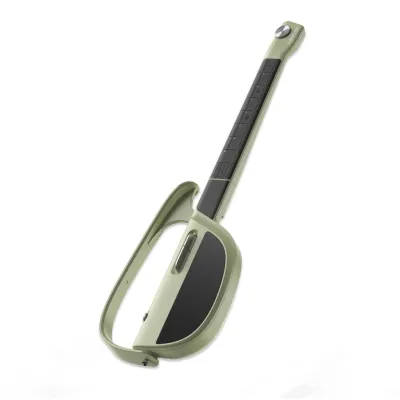
![[NEW] LiberLive U1 Stringless Smart Guitar Foldable — 1.5KG | Stringless Digital Guitar | Foldable Portable Guitar](https://img.lazcdn.com/g/p/a2de14097409ab7852136c5eb188a68c.png_400x400q80.png_.webp)
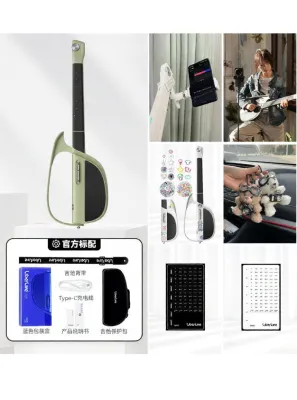
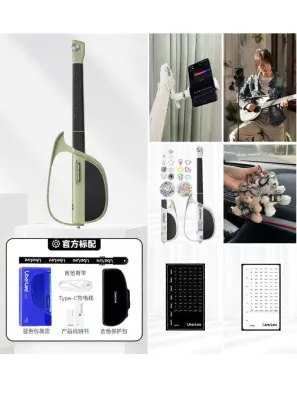
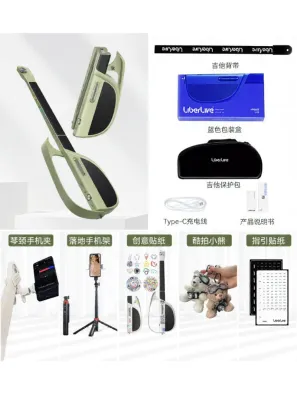

Prices are valid at publication and may change. Please refer to the product page for the latest price.
Identifying Your Musical Aspirations Your primary musical goals dictate the level of hardware complexity you require. If your main objective is casual strumming and singing accompaniment, a smart guitar with simplified chord pads or automated rhythm guides is highly effective. These features allow you to focus on vocal timing and performance without worrying about finger pain or complex fretboard geometry. Conversely, if you hope to eventually transition to a traditional acoustic or electric guitar, you should look for a model that closely mimics standard string spacing, neck width, and finger placement. Understanding this distinction prevents you from outgrowing your instrument too quickly.
Evaluating Your Living and Practice Space Your physical environment plays a significant role in how often you will practice. In compact living environments, such as typical apartments or HDB flats in Singapore, space-saving designs are highly advantageous. A folding smart guitar or a model with a detachable neck can be easily stored in a small wardrobe or drawer, keeping your living area clutter-free. Furthermore, Singapore’s tropical climate brings high relative humidity, which can warp traditional wooden instruments over time. Many smart guitars utilize composite materials, carbon fiber, or high-grade plastics that are highly resistant to humidity and temperature fluctuations. Choosing a model built from these durable materials reduces the need for specialized storage solutions like dry cabinets or dehumidifiers.
Formulating a Complete Budget in S$ When planning your purchase, look beyond the initial price tag of the physical instrument. A realistic budget should account for the total cost of ownership. While the base price of a smart guitar in Singapore typically ranges in the mid-to-high hundreds of S$, you must also factor in potential recurring costs. Many companion apps require a premium subscription to unlock their full song libraries, advanced tutorials, or interactive features. Additionally, budget for essential accessories such as a protective gig bag, a sturdy stand, a charging adapter, and a high-quality pair of wired headphones for silent practice sessions.
Key Features to Compare Across Available Models
Smart guitars vary significantly in their hardware configurations and software capabilities. Comparing these key features side-by-side allows you to identify which model offers the most practical utility for your learning style.

Interactive Learning and Visual Aids One of the greatest advantages of a smart guitar is its ability to provide real-time visual feedback. Evaluate how each model guides your fingers across the fretboard. Some models feature LED indicators embedded directly beneath the fretboard to show you exactly where to place your fingers for various chords. Other designs replace traditional frets entirely with touch-sensitive pads or physical buttons that trigger pre-programmed chords. If you prefer a visual, hands-on approach to learning music theory, look for robust LED integration. If you want to bypass traditional finger shapes altogether to focus purely on rhythm and vocals, a button-based chording mechanism may be more suitable.
Physical Construction and Material Selection The physical build of the guitar directly impacts your comfort during extended practice sessions. Pay close attention to the overall weight and body dimensions specified by the manufacturer. A heavy or poorly balanced instrument can cause shoulder and wrist fatigue, especially for beginners who have not yet developed proper holding posture. Additionally, check the string configuration. Some smart guitars use synthetic strings that require no tuning and are gentle on soft fingertips, while others use standard metal strings to provide a more authentic playing feel. If you want to build finger calluses in preparation for a traditional guitar, metal strings are preferable; if comfort is your priority, synthetic or button-based interfaces are ideal.
The Companion App and Software Ecosystem A smart guitar is only as good as the software that powers it. Because the companion app serves as your virtual instructor, you must evaluate its compatibility, user interface, and content depth. Ensure the app is fully compatible with your smartphone or tablet’s operating system (iOS or Android) and check the minimum system requirements. Browse the available song library to confirm it includes genres and artists you enjoy playing. A well-designed app should offer intuitive navigation, clear video tutorials, and adjustable playback speeds so you can practice difficult sections at your own pace.
Audio Routing and Silent Practice Options For those living in shared spaces or high-density housing, the ability to practice quietly is essential. Compare the audio output capabilities of each model. Look for a guitar with a dedicated 3.5mm headphone jack, which allows for zero-latency monitoring of your playing and the app’s backing tracks. While some models offer Bluetooth connectivity, keep in mind that wireless audio can sometimes introduce a slight delay (latency) between your physical strum and the sound reaching your ears, which can disrupt your sense of rhythm. Additionally, check if the guitar has built-in speakers for times when you want to perform for friends, or if it requires connection to an external amplifier or smartphone speaker.
Essential Pre-Purchase Checks for Smart Guitars
Before finalizing your purchase on an online marketplace or through a local retailer, complete these practical verification steps to ensure a smooth setup and avoid post-purchase frustration.
App Localization and Power Standards Because smart guitars rely heavily on digital connectivity, you must verify that the companion app is fully supported in Singapore. Check the Apple App Store or Google Play Store to ensure the app is available for download in your region and that the user interface is localized in a language you understand. Some parallel-imported models may restrict app registration to specific overseas phone numbers or region-locked accounts. Furthermore, check the charging requirements. Ensure the device charges via a standard USB-C port or includes a power adapter compatible with Singapore’s Type G electrical outlets and 230V/50Hz voltage standard.
In-Box Accessories and Completeness Review the product listing carefully to confirm exactly what is included in the package. Do not assume that essential accessories like charging cables, adjustment tools, straps, or protective cases are bundled with the guitar. Purchasing these items separately can quickly inflate your total expenditure. If the model uses proprietary strings or unique pick-ups, check if the manufacturer includes spares in the box, as sourcing these specialized components locally can be challenging.
Warranty Coverage and Local Support Electronic musical instruments contain sensitive sensors, Bluetooth modules, and battery packs that can occasionally malfunction. Before buying, clarify the warranty terms. Determine whether the warranty is covered by a local distributor in Singapore or if you must ship the instrument back to an overseas manufacturer for repairs. Shipping a guitar-sized package internationally for servicing can be expensive and may leave you without your instrument for several weeks. Prioritize retailers that offer clear, local after-sales support.
Retailer Return Policies Because a smart guitar has a unique physical feel and learning curve, there is always a chance the instrument may not align with your expectations once you try it in person. Review the retailer’s return and exchange policy before checking out. Ensure you can return the product within a specified window (such as 7 to 14 days) if you find the smart features, string tension, or app interface unsuitable for your learning style. Keep all original packaging intact during this trial period to ensure a hassle-free return process.
Frequently Asked Questions (FAQ)
Do I need prior musical experience to use a smart guitar?
No, you do not need any prior musical experience to begin playing a smart guitar. These instruments are specifically engineered to lower the entry barrier for absolute beginners. Features such as simplified chord buttons, LED fretboard guides, and automated backing tracks allow you to play complete songs almost immediately. However, if your long-term goal is to transition to a traditional acoustic or electric guitar, you should gradually incorporate standard finger exercises and music theory into your routine, as smart interfaces do not fully replicate the physical demands of traditional playing.
Can I use standard acoustic strings on a smart guitar?
Generally, you cannot use standard acoustic strings on a smart guitar unless the manufacturer’s user manual explicitly states it is supported. Many smart guitars rely on proprietary sensor-equipped strings, silicone pads, or specific tension wires to register your finger placements and strums. Installing standard steel or nylon strings on an incompatible digital fretboard can damage the sensitive internal sensors, warp the neck due to incorrect tension, or void your warranty. Always consult the official product specifications for exact replacement instructions.
Are there ongoing subscription fees for the learning app?
This depends entirely on the software model of the specific brand you choose. While basic functions such as digital tuning, basic chord charts, and a small selection of starter songs are typically free, advanced features often require a paid subscription. These premium tiers may include interactive video lessons, updated hit song charts, and advanced accompaniment styles. Before purchasing, check the official app store listing or the manufacturer’s website to understand the current pricing structure and factor these potential recurring costs into your overall budget.
Community discussion
Share your experience or ask a question. Comments are reviewed before publication.