
Choosing your first musical instrument is an exciting milestone, but navigating the vast array of options can feel overwhelming. For those starting their musical journey, the Makala lineup—produced by the highly regarded Kala Brand Music Company—stands out as an exceptional entry point. These instruments are widely celebrated for delivering reliable playability, accurate intonation, and a welcoming learning curve without requiring a heavy financial investment. To find the model that best fits your needs, you must evaluate three primary factors: physical comfort, construction material, and your typical playing environment.
While every Makala instrument shares the same commitment to fundamental quality, the lineup is diverse. It spans traditional wooden models that evoke classic acoustic warmth, as well as modern composite designs engineered to withstand rugged outdoor use. By understanding how different body sizes and materials influence both the physical playing experience and the overall tone, you can confidently select an instrument that feels natural in your hands and inspires you to practice every day.
How to Match Makala Ukulele Sizes and Materials to Your Needs
Selecting the right instrument requires balancing physical ergonomics with tonal preferences. Because ukuleles are highly tactile, the physical dimensions of the instrument will directly impact how quickly you build muscle memory and finger dexterity. At the same time, the materials used in construction dictate not only the voice of the instrument but also how much maintenance it will require over its lifespan.
Products mentioned in this guide
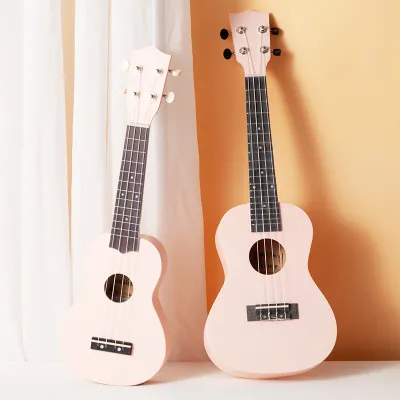
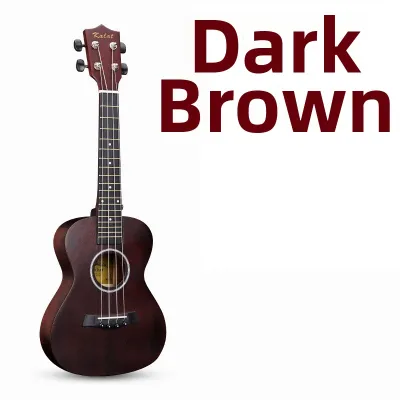
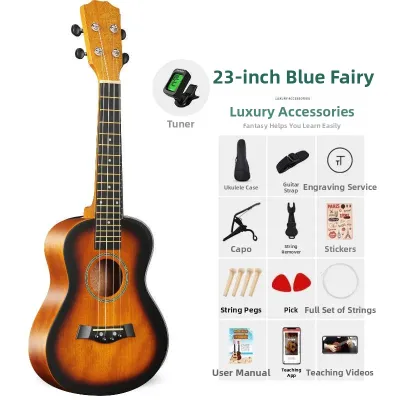
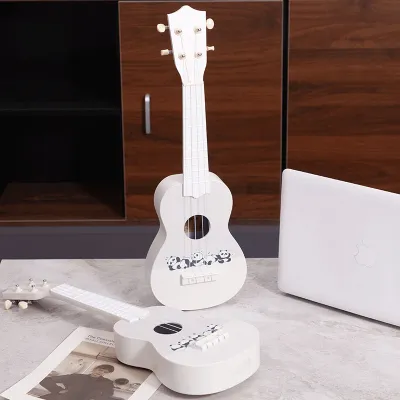
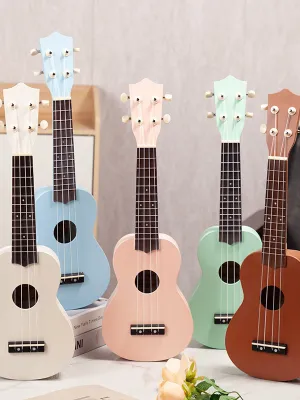
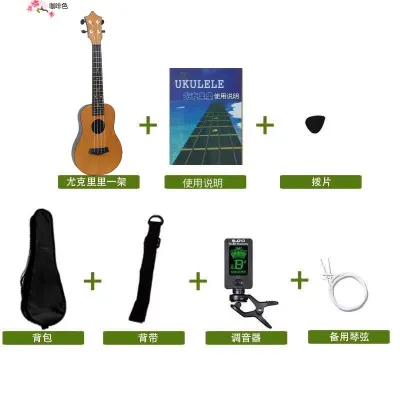
Prices are valid at publication and may change. Please refer to the product page for the latest price.
Size Differences
Makala instruments are primarily available in three standard sizes, each offering a distinct scale length, fret spacing, and acoustic volume:
- Soprano: Measuring approximately 21 inches in total length with a scale length of about 13.6 inches, the soprano is the traditional, classic size. It features a compact fretboard with 12 to 15 frets, making it highly portable and ideal for younger players or those with smaller hands. Tonal characteristics are bright, punchy, and distinctly "plinky," which many associate with the classic Hawaiian sound. However, adults with wider fingers may find the close fret spacing somewhat cramped when executing complex chord shapes.
- Concert: With an overall length of roughly 23 inches and a scale length of 14.8 inches, the concert size serves as a versatile middle ground. The slightly longer neck and wider fret spacing provide more room to maneuver, which significantly reduces finger crowding for adult beginners. The larger body cavity also yields a fuller, warmer sound with noticeably more projection and sustain than a soprano, making it one of the most popular choices for general learning.
- Tenor: The tenor size measures about 26 inches in length with a scale length of 17 inches. It is favored by solo performers and those transitioning from the acoustic guitar. The fretboard is spacious, allowing for intricate fingerpicking and comfortable chord transitions. Tonally, the tenor offers a deep, rich resonance with prominent lower-midrange frequencies, delivering a voice that is mature, loud, and highly expressive.
Material Differences
Wood and composite materials interact with sound waves and environmental factors in fundamentally different ways:
- Traditional Wood Laminates: Most standard wooden Makala models utilize laminate woods, such as Agathis or Mahogany. Laminate construction involves layering thin sheets of wood glued together under high pressure. This makes the body structurally stronger and far less prone to cracking than solid wood, while still retaining a warm, organic acoustic resonance. Wood laminates respond naturally to the vibrations of the strings, offering a classic, mellow tone that matures slightly as the wood ages.
- Composite and Plastic Materials: Modern composite models, such as those in the Waterman series, are constructed from high-grade ABS composite plastics. These materials are completely impervious to moisture, temperature fluctuations, and physical impacts. From a tonal perspective, composite bodies produce a very bright, clear, and focused sound. While they lack the deep, woody resonance of traditional laminates, their projection is excellent, allowing the sound to cut through ambient outdoor noise with ease.
Matching Player to Instrument
To make the best choice, consider your physical build alongside where you plan to play. If you have larger hands or broader fingers, starting with a Concert or Tenor size will save you from the initial frustration of accidentally muting adjacent strings. Conversely, if portability is your main priority, a Soprano is incredibly easy to pack into a backpack.
Your living environment also plays a decisive role. For example, in Singapore’s tropical climate, ambient outdoor relative humidity often exceeds 80%, while indoor air-conditioned spaces can drop below 50% in a matter of minutes. This rapid, repeated cycling of temperature and humidity puts physical stress on wooden instruments, causing the wood to expand and contract. If you live in an air-conditioned apartment and do not want to worry about maintaining a strict humidity-controlled environment with humidipaks, a composite model offers unmatched peace of mind. If you prefer the classic look and warm sound of wood, you must be prepared to store the instrument in a gig bag away from direct air-conditioning vents.
Recommended Makala Ukulele Models for Different Beginner Needs
To cater to different budgets, lifestyles, and aesthetic tastes, the Makala lineup is divided into distinct product families. Each series is designed with a specific type of player in mind, balancing acoustic performance with practical durability.

Makala MK Series (Classic Wood Entry-Level)
The Makala MK Series is the cornerstone of the brand’s traditional wood lineup. Designed to look, feel, and sound like a classic acoustic instrument, this series is highly recommended for beginners who want an authentic, warm tone without a premium price tag.
- Construction and Aesthetics: The MK Series features an Agathis wood top, back, and sides, paired with a sturdy mahogany neck and a walnut or laurel fingerboard. Agathis is a lightweight softwood that provides a surprisingly warm and balanced tone. The finish is a smooth, understated satin that feels comfortable under the hands and resists showing fingerprints. The overall design is classic and unadorned, focusing manufacturing resources on structural integrity and playability rather than expensive cosmetic binding or purfling.
- Model Selection: The series is divided into the MK-S (Soprano), MK-C (Concert), and MK-T (Tenor). The MK-S is a fantastic choice for children or travelers who want a lightweight, traditional wooden instrument. For the vast majority of adult beginners, the MK-C Concert is the recommended starting point. It offers the ideal balance of physical comfort, fretboard space, and acoustic volume, making it highly versatile for both strumming chords and basic fingerstyle playing.
- Climate and Care Considerations: Because the MK Series is constructed from wood laminates, it requires basic preventative care. In Singapore's humid climate, storing the instrument on an open wall hanger in a room that cycles between humid ambient air and dry air-conditioning can lead to structural issues over time. The wood may warp, or the glue joints could weaken. To prevent this, always store your MK series instrument inside a padded gig bag when not in use. Additionally, keep it away from direct sunlight, windows, and active air-conditioning units. If you notice the metal frets starting to feel sharp along the edges of the neck, this is a sign of wood shrinkage (often called "fret sprout") caused by overly dry indoor air; storing the instrument with a small, dedicated instrument humidifier inside its bag will quickly resolve this.
Makala Waterman and Dolphin Series (Travel & Outdoor)
For players who lead active lifestyles, enjoy outdoor gatherings, or simply want a highly durable instrument that requires zero environmental maintenance, Makala offers its famous composite and hybrid models.
- The Waterman Series: Directly inspired by the classic 1950s Maccaferri plastic design, the Waterman is constructed entirely from water-resistant ABS composite plastic. This makes it virtually indestructible. It is completely unaffected by high humidity, rain, splashes, or sudden temperature drops. You can take it to East Coast Park, play it poolside, or pack it for a camping trip without a second thought. The Waterman features nickel-plated open-gear tuners, which are reliable but do require basic maintenance. While the plastic body is water-resistant, the metal tuning gears can rust if exposed to saltwater or heavy rain; always wipe the metal hardware dry with a clean, soft cloth after outdoor use.
- The Dolphin Series: The Dolphin is a unique hybrid model that has earned a massive following among younger players and casual hobbyists. It features a molded composite back and sides paired with a painted Kauri wood top. This hybrid construction gives the Dolphin a distinct advantage: the composite back provides structural durability and projection, while the wooden top adds a touch of traditional acoustic warmth. The most defining feature of this series is the fun, dolphin-shaped bridge, which adds a playful visual touch. It is available in a wide variety of vibrant gloss colors, making it highly appealing as a gift.
- Tonal Profiles and Trade-offs: Both the Waterman and Dolphin series lean heavily toward a bright, clear, and highly focused sound. Because composite materials do not absorb or dampen sound waves the way wood does, these instruments have excellent projection and a fast acoustic response. They cut through ambient outdoor noise exceptionally well, which is perfect for group sing-alongs. However, they do not deliver the deep, woody resonance or the complex, lingering sustain of the MK Series. If your primary goal is to sit in a quiet room and enjoy a warm, mellow, traditional acoustic tone, these composite models may sound slightly too bright or sterile for your taste.
Quick Comparison: Makala Wood vs. Composite Models
To help you quickly evaluate which series aligns with your personal priorities, the table below contrasts the key physical and acoustic characteristics of the primary Makala lines.
| Model Series | Available Sizes | Primary Material | Tone Profile | Best Suited For |
|---|---|---|---|---|
| Makala MK Series | Soprano (MK-S), Concert (MK-C), Tenor (MK-T) | Agathis wood laminate body, Mahogany neck | Warm, traditional, resonant, balanced | Traditionalists, indoor practice, adult beginners seeking a classic acoustic experience |
| Makala Waterman | Soprano, Concert | ABS Composite plastic body and neck | Very bright, punchy, clear, high projection | Travelers, beachgoers, outdoor players, and those wanting zero humidity maintenance |
| Makala Dolphin | Soprano | Composite back/sides, painted Kauri wood top | Bright, lively, balanced hybrid tone | Young learners, casual players, and those seeking vibrant colors and playful designs |
When using this table to make your final decision, identify your primary constraint first. If your absolute priority is a warm, rich tone for home practice, follow the MK Series path and select the Concert size (MK-C) for optimal comfort. If your primary concern is durability, hassle-free maintenance in a humid environment, or having an instrument you can safely toss into the back of a car, the Waterman or Dolphin series will serve you best.
Essential Pre-Purchase Checks for Your First Ukulele
Before you finalize your purchase and start strumming your first chords, taking the time to perform a few essential checks will ensure you receive a high-quality, authentic instrument that is set up correctly for playability.
Starter Kit Contents
Many retailers offer Makala ukuleles in bundle packages, which can provide excellent value for beginners. When evaluating these starter kits, verify that they include the following essential accessories:
- Padded Gig Bag: A gig bag protects your instrument from dust, minor physical impacts, and rapid humidity changes. Look for a bag with at least 5mm of padding; thin, unpadded dust covers offer very little physical protection.
- Digital Clip-on Tuner: Tuning is a daily task for any string player. A clip-on chromatic tuner detects the physical vibrations of the headstock, allowing you to tune accurately even in a noisy room.
- Extra Strings: Ukulele strings eventually wear out, lose their tonal clarity, or occasionally break. Having a spare set of high-quality nylon or fluorocarbon strings (such as Aquila Nylgut) on hand is highly convenient.
Setup and Action
An instrument’s “setup” refers to how well it has been adjusted for optimal playability. When you first receive your Makala, perform these quick physical checks:
- String Action: The "action" is the height of the strings above the fretboard. If the strings are too high, pressing them down to fret a note will require excessive finger pressure, leading to hand fatigue and sore fingertips. If the strings are too low, they will vibrate against the metal frets, causing an annoying buzzing sound. Check that the strings sit at a comfortable, uniform height (typically around 2.5mm to 3mm at the 12th fret) and that every note plays cleanly up and down the neck.
- Tuning Stability and String Stretching: New ukulele strings are highly elastic. When you first tune a brand-new instrument, the strings will naturally stretch and drop out of tune within minutes. This is completely normal behavior and does not mean your tuning pegs are broken. To help them settle, gently pull each string away from the fretboard a few times along its length, retune, and repeat. It typically takes three to five days of regular stretching and playing before new strings hold their pitch consistently.
Authenticity and Retailer Verification
To ensure you receive a genuine product with reliable quality control, always purchase your Makala from an authorized musical instrument retailer or an established local music shop in Singapore.
- Avoid Unverified Online Sellers: Purchasing from unauthorized discount storefronts or unverified sellers on general online marketplaces carries significant risks. You may receive counterfeit instruments built with inferior hardware, poorly cut nuts, or cheap strings that cannot hold pitch.
- Warranty and Support: Authorized dealers provide a valid manufacturer warranty against structural defects, such as lifting bridges or neck joint separation. Furthermore, established local shops often inspect and set up the instrument before it leaves the store, ensuring that the frets are smooth and the action is comfortable right out of the box.
Frequently Asked Questions (FAQ)
Is Makala a good brand for beginners?
Yes, Makala is widely regarded as one of the best entry-level brands on the market. Because it is manufactured by Kala Music Company, it benefits from the same engineering standards, quality control protocols, and reliable neck profiles as Kala’s premium models. This ensures consistent fret placement, accurate intonation, and comfortable playability, which are crucial for helping beginners avoid frustration during their early practice sessions.
Should I buy a soprano or concert Makala ukulele?
For most adult beginners, the Concert size is the highly recommended choice. The longer neck and wider fret spacing offer more physical room for your fingers, making chord shapes easier to press cleanly. It also delivers a fuller, warmer sound. However, if you are purchasing the instrument for a young child, have very small hands, or prioritize maximum portability for travel, the Soprano size is an excellent, classic alternative.
Community discussion
Share your experience or ask a question. Comments are reviewed before publication.