
To build a resilient sense of personal worth, navigating the extensive bibliography of psychotherapist Nathaniel Branden requires a clear strategy. The most effective book to read first depends entirely on whether you seek a comprehensive practical system, a deep theoretical exploration of the mind, or a highly targeted solution for a specific life challenge. For the vast majority of readers, The Six Pillars of Self-Esteem serves as the definitive starting point because it seamlessly bridges profound psychological theory with a structured, daily practice. If you prefer a highly active, workbook-style approach with minimal theory, How to Raise Your Self-Esteem is the ideal alternative, while those who want to understand the deep philosophical and historical roots of self-esteem should begin with The Psychology of Self-Esteem. By matching your current psychological needs and reading habits to the specific design of each text, you can establish a sustainable foundation for personal growth.
Identifying Your Starting Point: Theory, Practice, or Specific Goals
Embarking on a self-improvement journey requires an honest assessment of your immediate psychological needs and learning preferences. Some readers approach personal development with a desire to understand the “why” behind their behavioral patterns, seeking to dissect the cognitive mechanisms that govern self-evaluation. Others are in search of immediate, actionable tools to disrupt negative self-talk and build daily habits of self-acceptance. Recognizing where you fall on this spectrum between theoretical curiosity and practical urgency is the first step in selecting the right text.
A structured, daily practice routine demands a different level of active participation than reading a standard narrative book. Branden’s work frequently utilizes a technique known as sentence completion, which requires readers to write down rapid, instinctual endings to open-ended prompts. If you are ready to commit to writing exercises every morning or evening, a practice-heavy book will yield the most direct benefits. Conversely, if you prefer to absorb concepts quietly during a commute or before bed without the pressure of homework, a more theoretical volume will keep you engaged without causing reader fatigue.
Products mentioned in this guide
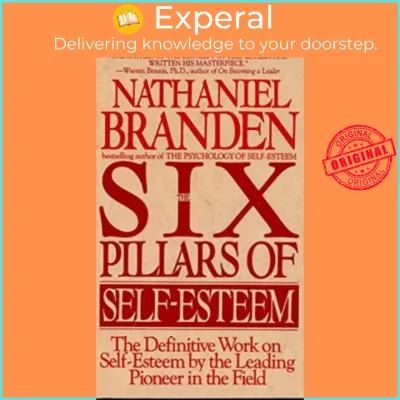
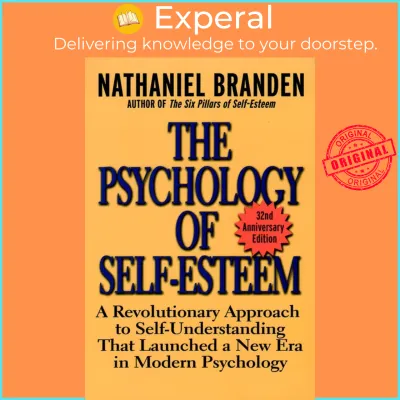
Prices are valid at publication and may change. Please refer to the product page for the latest price.
You must also determine whether your primary goal is to address general, foundational self-worth or to apply these principles to a specific area of your life. General self-esteem books address the overall relationship you have with yourself, covering broad themes of guilt, self-responsibility, and personal integrity. However, if your self-esteem issues manifest primarily as professional imposter syndrome or recurring conflicts in romantic relationships, starting with a specialized text can offer immediate relief. These targeted books apply Branden’s core concepts directly to specific environments, making the lessons highly relatable from the very first page.
Finally, establish a realistic baseline for your reading commitment and patience. Branden’s earlier writings reflect his background in academic psychology and philosophy, featuring dense prose, complex terminology, and rigorous logical arguments. His later works, written as his clinical practice matured, tend to be more accessible, conversational, and structured for the general public. Honestly evaluating your appetite for challenging, academic texts versus streamlined, user-friendly guides will prevent you from abandoning a book halfway through.
The Comprehensive Foundation: Evaluating His Core Framework Books
For readers seeking a complete, step-by-step system that integrates both deep psychological insights and practical exercises, Branden’s later comprehensive works are unmatched. The cornerstone of this category is The Six Pillars of Self-Esteem, which represents the culmination of his life’s work on the subject. This text does not merely define self-esteem; it outlines a holistic, operational framework built upon six distinct practices: living consciously, self-acceptance, self-responsibility, self-assertiveness, living purposefully, and personal integrity.

The structure of these foundational books is designed to guide the reader through a logical progression. You are first introduced to the definition of self-esteem, which Branden conceptualizes not as a vague feeling of confidence, but as the disposition to experience oneself as competent to cope with the basic challenges of life and as worthy of happiness. Each of the six pillars is then given its own dedicated chapter, explaining the psychological necessity of the practice and how its absence manifests in daily behavior. This systematic approach ensures that you do not just learn about self-esteem in the abstract, but understand how it functions as an active process.
A defining feature of these core framework books is the integration of sentence-completion exercises. These are not optional add-ons but are central to the therapeutic methodology Branden developed over decades of clinical practice. The exercises are structured as weekly programs, requiring you to spend a few minutes each day completing stems such as “If I bring five percent more awareness to my activities today…” or “If I take full responsibility for my choices…”. This interactive format bypasses conscious defenses to reveal subconscious beliefs, making it highly effective for readers who learn best through active self-reflection.
The ideal reader for this foundational approach is someone who is prepared for a medium-to-long-term developmental process. Because these books present a complete system, they require time to digest and implement. If you are willing to spend several weeks working through the chapters and committing to the daily writing practices, these comprehensive texts offer a robust, life-changing framework. They provide the necessary vocabulary and conceptual tools that make his other, more specialized books much easier to understand and apply.
The Theoretical Deep Dive: Choosing Books on Psychological Roots
If you are a reader who must understand the underlying mechanics, historical context, and philosophical foundations of a concept before you can trust its practical applications, starting with Branden’s early works is highly beneficial. Books like The Psychology of Self-Esteem and Honoring the Self explore the deep cognitive and emotional frameworks that govern human behavior. These texts examine how self-esteem interacts with motivation, anxiety, depression, and the fundamental nature of human consciousness.
These earlier works contrast sharply with his later, more action-oriented guides. Rather than offering step-by-step exercises, they focus on establishing a rigorous definition of mental health and the role of self-esteem as a biological necessity for survival. Branden discusses how the mind processes reality, the relationship between reason and emotion, and the psychological consequences of self-betrayal. This theoretical depth is crucial for readers who find typical self-help advice superficial or intellectually unsatisfying.
Understanding these cognitive and emotional frameworks first can make subsequent practical work much more meaningful. When you understand why self-acceptance is a prerequisite for change, or how repressed emotions erode your sense of efficacy, you are far more likely to approach practical exercises with serious intent. This approach appeals particularly to students of psychology, philosophy enthusiasts, and analytical thinkers who prefer a solid intellectual foundation before embarking on personal change.
However, you must be prepared for the academic density of these texts. The prose can be highly philosophical, reflecting Branden’s early intellectual associations and his desire to establish self-esteem as a serious branch of scientific psychology. To gauge if this reading level aligns with your preferences, preview a chapter to see if you are comfortable with discussions on epistemology, volition, and psychological determinism. If you find this level of abstraction engaging, these books will provide a profound, intellectually stimulating entry point into his philosophy.
Targeted Applications: Selecting Books for Specific Life Contexts
Sometimes, the motivation to read about self-esteem does not stem from a general desire for self-improvement, but from an acute, pressing challenge in a specific area of life. Branden recognized that self-esteem does not exist in a vacuum; it is constantly tested and expressed through our daily interactions, professional pursuits, and intimate relationships. For readers facing immediate difficulties in these areas, starting with a targeted, context-specific book can be the most practical choice.
Branden’s bibliography includes specialized works that map his core principles directly to distinct life domains. For instance, The Psychology of Romantic Love explores how our level of self-esteem dictates our choice of partners and our capacity to sustain intimacy. Self-Esteem at Work addresses the unique challenges of the modern professional environment, focusing on leadership, personal responsibility in the workplace, and how self-doubt hinders career advancement. Another key work, The Art of Living Consciously, expands on the first pillar of self-esteem, offering a deep dive into mindfulness, personal responsibility, and living in alignment with reality.
Starting with a niche, context-specific book offers distinct advantages, particularly the immediate relevance of the material. You can quickly find solutions to urgent problems, such as communication breakdowns with a partner or chronic anxiety at work. However, there are trade-offs to this approach. Because these books focus on specific applications, they may gloss over the broader theoretical foundations of self-esteem. If you start here, you might occasionally find yourself needing to refer back to his core texts to fully grasp the underlying psychological principles being applied.
To decide if a targeted book is your best first choice, evaluate the urgency of your current life pressures. If a relationship crisis or a career transition is consuming your mental energy, a general book on self-esteem might feel too detached from your immediate reality. In such cases, selecting the book that directly addresses your specific pain point is highly recommended. Once you have stabilized that area of your life using Branden’s targeted advice, you can then transition to his comprehensive works to build a more balanced, overall foundation.
Practical Selection: Checking Editions, Formats, and Accessibility
Once you have identified the right Nathaniel Branden book for your needs, the final step is to verify the physical or digital format, language, and edition features before making a purchase or borrowing from a library. Because many of Branden’s books rely heavily on interactive elements, your choice of medium can significantly impact how effectively you engage with the material.
Print editions are generally superior for books that feature extensive sentence-completion exercises, such as The Six Pillars of Self-Esteem or How to Raise Your Self-Esteem. Having a physical copy allows you to write your responses directly in the margins or easily flip back and forth between the instructional text and your daily writing logs. Digital formats, while convenient for reading theoretical chapters on a tablet or e-reader, can make executing these daily writing routines cumbersome. Audiobooks are excellent for absorbing his theoretical concepts during a commute, but they are highly impractical for books that require active, written participation.
When sourcing these books through local bookstores in Singapore or online marketplaces, pay close attention to the edition details. Some older titles have been re-released with updated introductions, forewords by contemporary psychologists, or revised exercise structures. Verify that the edition you are purchasing contains the complete, unabridged text, as some condensed versions or study guides may omit the vital sentence-completion programs entirely. Additionally, if English is not your preferred reading language, check for authorized translations that accurately preserve Branden’s precise psychological terminology.
Before finalizing your selection, take a moment to review the table of contents and any available publisher notes. Ensure that the book’s structure aligns with your learning goals—whether that means a clear division between theory and practice, or a focus on a specific life domain. By taking these practical steps to verify the format and edition, you ensure a smooth, uninterrupted reading experience that allows you to focus fully on the vital work of building your self-esteem.
Frequently Asked Questions (FAQ)
Do I need to read his books in chronological order?
No, reading Nathaniel Branden’s books in chronological order is not necessary. While his early works lay the philosophical groundwork for his later theories, his ideas evolved into a more refined, practical system over time. Starting with his later, more comprehensive books like The Six Pillars of Self-Esteem is generally more beneficial for modern readers, as these texts synthesize his lifetime of clinical experience into a highly accessible format. You should prioritize books that match your immediate personal goals and reading preferences over their historical publication dates.
Can I just do the exercises without reading the theoretical chapters?
While it is tempting to skip directly to the sentence-completion exercises, doing so significantly reduces their effectiveness. The theoretical chapters provide the essential context, cognitive understanding, and emotional preparation required to approach the exercises honestly and deeply. Without this conceptual foundation, the writing prompts can feel mechanical or confusing. If you prefer a highly action-oriented approach, choose How to Raise Your Self-Esteem, which is specifically structured to minimize dense theory while still providing the necessary context to make the practical exercises impactful.
Community discussion
Share your experience or ask a question. Comments are reviewed before publication.