
Selecting the right hardcover English dictionary is an investment in your personal library, study space, or professional toolkit. The Oxford English Dictionary (OED) family offers several distinct formats, each tailored to different levels of linguistic depth, physical space, and research needs. Choosing between the Concise, Compact, and Complete editions requires balancing your daily vocabulary demands against the physical size and cost of these reference works.
By understanding the structural differences, physical requirements, and intended audiences of these three primary hardcover editions, you can select the version that best supports your language goals. Whether you need a quick desk reference for modern terms or an exhaustive historical archive of the English language, verifying the specific publisher details will ensure you make the right purchase.
Defining the Three Hardcover Editions
To make an informed choice, you must first understand the fundamental identity and intended purpose of each specific Oxford dictionary variant. These editions are not simply different sizes of the same book; they represent entirely different levels of lexical coverage and historical documentation.
Products mentioned in this guide
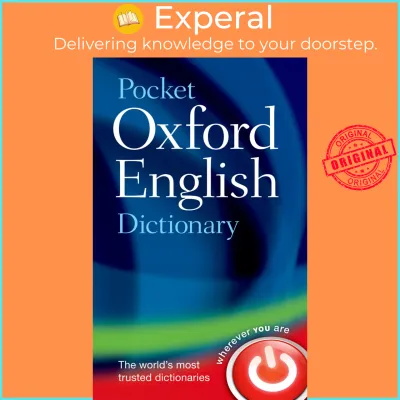
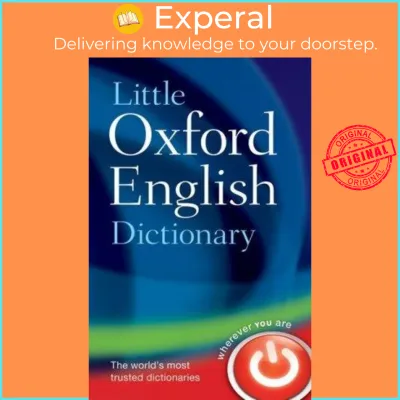
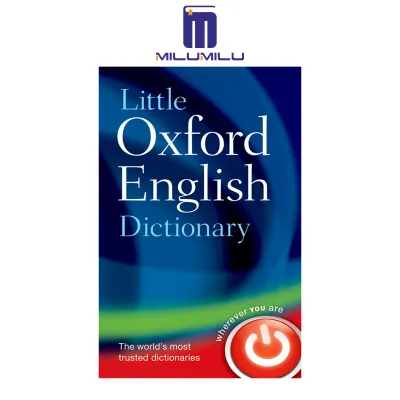
![[OXFORD] DICTIONARY OF ENGLISH THIRD EDITION HARD COVER](https://img.lazcdn.com/g/p/adfafcd3060d121b129729f8372d525d.jpg_400x400q80.jpg_.webp)
Prices are valid at publication and may change. Please refer to the product page for the latest price.
The Concise Oxford English Dictionary is designed as a streamlined, everyday reference. It focuses on standard vocabulary, modern usage, and clear, direct definitions. This edition is ideal for quick lookups of contemporary words, common idioms, and essential grammatical guidance without the burden of historical etymologies or obsolete terms.
The Compact Oxford English Dictionary serves as a middle-ground option that balances lexical depth with physical manageability. It typically contains the full text of larger editions but reproduces it in a highly condensed, microscopic format. This edition often requires a magnifying glass—which is frequently included in the slipcase—making it a comprehensive reference that still fits on a standard bookshelf.
The Complete (or Unabridged) Oxford English Dictionary is an exhaustive, multi-volume historical archive. Rather than just defining modern words, it traces the entire history of the English language, detailing when words first appeared, how their meanings evolved over centuries, and listing obsolete terms alongside extensive literary citations. This edition is a massive physical collection that requires significant shelf space and a dedicated reading area.
Before purchasing, always verify the exact edition year, volume count, and publisher specifications on the product listing. Naming conventions can vary by release, and some listings may use “compact” or “concise” interchangeably in error, so checking the physical dimensions and page count is essential to confirm what you are buying.
Comparing Key Specifications and Physical Traits
Evaluating the practical and physical differences of each edition is crucial, as these factors directly affect daily usability, readability, and where you can store the book. A dictionary is only useful if it is accessible and comfortable to read.

When comparing vocabulary scope, check the stated headword count on the publisher’s label or product description. The Concise edition offers a curated selection of active modern words, while the Compact and Complete editions provide a vastly expanded vocabulary that includes historical, technical, and regional variations.
Physical dimensions and weight vary dramatically across these formats. The Concise edition is a standard, single-volume hardcover that fits easily on a desk or in a backpack. The Compact edition, while single-volume or two-volume, is exceptionally thick and heavy due to its dense pages. The Complete edition consists of multiple heavy volumes that often require a dedicated desk stand or reinforced shelving to prevent damage.
Typography and readability are major differentiators, particularly for the Compact edition. Because the Compact version crams multiple pages of the unabridged text onto a single sheet, the font size is extremely small. If you have difficulty reading fine print, you will need to rely heavily on the included magnifying glass, whereas the Concise edition features standard, easily readable typography.
Supplementary materials also differ across the versions. The Concise edition often includes practical appendices, such as quick grammar guides, punctuation rules, and standard pronunciation keys. The larger editions focus more heavily on detailed etymological roots, historical usage notes, and extensive literary citations from historical texts.
Aligning the Edition with Your Language Goals
Selecting the right dictionary depends heavily on your specific learning, professional, or personal objectives. Buying the largest or most expensive edition is counterproductive if its physical size or complex layout discourages regular use.
For casual readers, secondary school students, and general office use, the Concise edition is usually the most practical choice. It provides immediate answers for standard writing, reading comprehension, and everyday vocabulary building without overwhelming you with historical data you do not need.
Advanced learners, creative writers, and crossword enthusiasts often find the Compact edition to be the ideal compromise. It offers the deep etymological context and broad synonym choices of the unabridged text, allowing you to explore the nuances of language without committing to the massive physical footprint of a multi-volume set.
Academics, historical linguists, and serious book collectors will find the Complete edition indispensable. If your work involves tracing the historical evolution of words, studying dialect variations across centuries, or accessing exhaustive literary citations from early English texts, only the unabridged edition will suffice.
Consider your actual lookup frequency and physical handling preferences before making a decision. If you prefer a quick, seamless lookup while writing, a heavy volume that requires a magnifying glass or a trip to a specific shelf may disrupt your workflow.
Evaluating Cost, Value, and Purchasing Conditions
Hardcover reference books are premium items, and purchasing one requires assessing the financial investment against long-term utility and physical durability.
The price-to-utility ratio should guide your budget. While the Complete edition represents a significant financial investment, its value lies in its role as a lifetime reference work for academic research. If you only require standard definitions, the lower cost of the Concise edition offers far greater daily value per dollar spent.
Durability and binding quality are critical for heavy hardcovers. Look for product specifications that indicate a sewn binding (Smyth sewn) rather than a glued binding, especially for the thicker Compact and Concise editions. A sewn binding allows the book to lay flat when open without cracking the spine, ensuring the pages remain secure over decades of use.
Always verify the retailer when purchasing online or in person. To ensure you receive the correct, specific edition year and avoid mislabeled listings, buy from authorized bookstores or reputable academic distributors. Check the ISBN carefully, as older editions may still be in circulation under similar titles.
Additionally, check if the physical hardcover purchase includes digital access or a bundled online subscription. Some publishers offer temporary or permanent access to their online databases with the purchase of specific print editions, which can add substantial value to your investment.
Final Selection Checklist
Before finalizing your purchase, use this checklist to confirm that your chosen hardcover edition matches your practical needs and physical space:
- Determine Your Primary Use Case: Choose the Concise edition for everyday portability and quick modern definitions, the Compact edition for deep lexical study without massive bulk, or the Complete edition for exhaustive academic and historical research.
- Measure Your Space: Ensure your desk, bookshelf, or study area can accommodate the physical dimensions and weight of the book, especially if you are considering a multi-volume set.
- Check Readability Needs: Confirm if you are comfortable using a magnifying glass for the dense, microscopic text of the Compact edition, or if you require the standard font size of the Concise edition.
- Verify the Listing Details: Double-check the publication year, volume count, and ISBN on the retailer's page to guarantee you are purchasing the exact hardcover revision you intend to buy.
Frequently Asked Questions (FAQ)
Do I need the Complete edition for everyday English learning?
No, standard language learners rarely require the historical depth, obsolete vocabulary, and massive physical footprint of the Complete edition. The Concise or Compact editions are far more practical for daily reference, modern vocabulary building, and standard writing tasks.
How should I store and care for a heavy hardcover dictionary?
To prevent spine damage and page sagging, store heavy hardcover dictionaries upright with adequate support from sturdy bookends, or lay them completely flat on a shelf. Keep the books away from direct sunlight, high humidity, and extreme temperature fluctuations to protect the binding, cover materials, and paper quality over time.
Community discussion
Share your experience or ask a question. Comments are reviewed before publication.