
Choosing your first percussion instrument is an exciting step, but the sheer variety of options can feel overwhelming. The right choice depends on a balance between your musical aspirations, your living environment, how portable you need the instrument to be, and your budget. By systematically evaluating these factors, you can select an instrument that matches your favorite music genres and fits seamlessly into your daily life.
To find your ideal starting point, you must look beyond the visual appeal of a massive drum kit and consider the practical realities of daily practice. Whether you are drawn to the driving rhythms of rock, the acoustic warmth of folk, or the digital versatility of electronic music, there is a percussion instrument tailored to your lifestyle. This self-assessment guide will walk you through five essential steps to identify the most suitable category for your musical journey.
Step 1: Define Your Musical Goals and Genre Preferences
Your musical taste is the logical starting point when choosing a percussion instrument. If your goal is to play along with rock, pop, metal, or jazz, a traditional drum kit is the standard foundation. These genres rely heavily on the coordinated, multi-limbed independence that a full drum set provides, where your hands and feet work together to drive the rhythm section.
Products mentioned in this guide
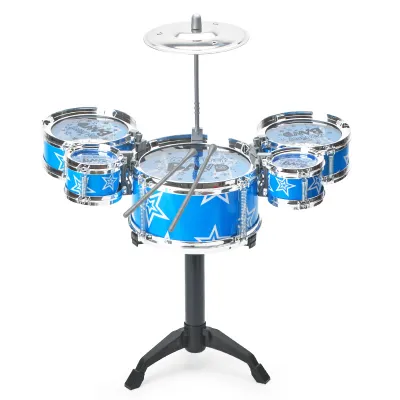
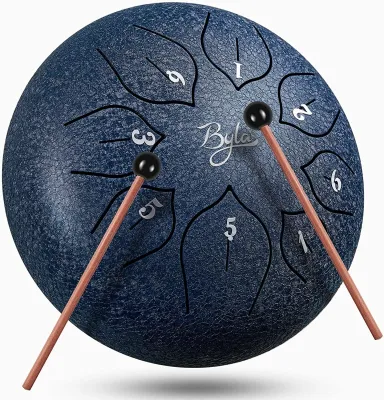
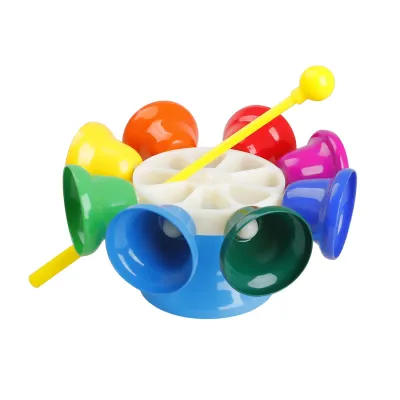
![[SG FREE ] Wooden Hand Drum Kid Percussion Toy Wood Frame Drum for Children Music Game Convenient Portable Musical](https://img.lazcdn.com/g/p/02b2376c513c6fbfda63c197271ab5ee.jpg_400x400q80.jpg_.webp)
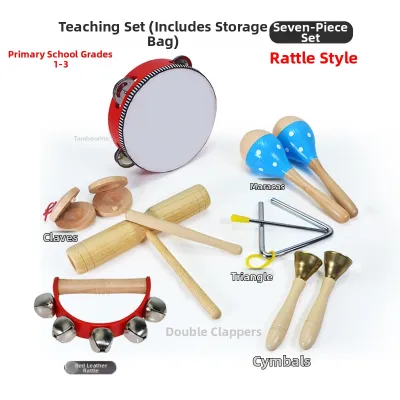
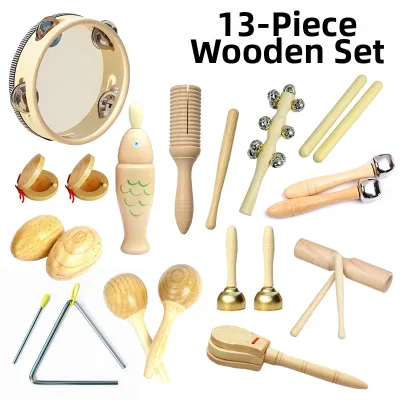
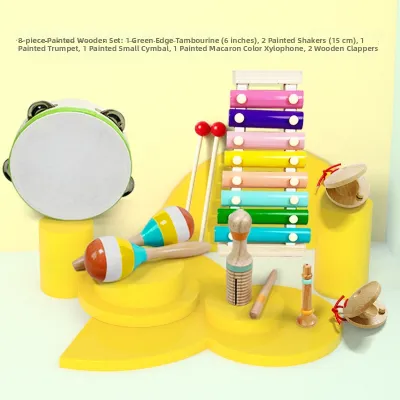
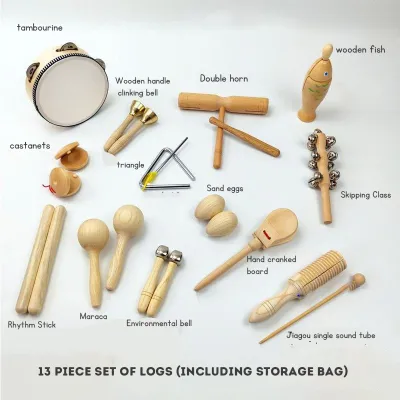
Prices are valid at publication and may change. Please refer to the product page for the latest price.
Conversely, if you prefer acoustic sessions, world music, folk, or Latin rhythms, hand percussion instruments offer an organic fit. Instruments like the cajon, congas, bongos, or djembe provide warm, earthy tones that complement acoustic guitars and vocals. These instruments allow you to focus on hand techniques, finger rolls, and direct physical contact with the playing surface, offering a tactile experience distinct from using drumsticks.
Clarify your long-term performance goals before making a purchase. If you plan to join a band, a drum kit or electronic setup helps you fulfill the traditional role of a timekeeper. If you want to provide casual accompaniment at social gatherings or participate in drum circles, hand percussion is far more practical. For music producers, electronic percussion pads or MIDI controllers are highly efficient tools for inputting beats directly into software.
Step 2: Evaluate Your Practice Space and Noise Constraints
Your physical space and neighbor tolerance are critical factors. Acoustic drum kits are inherently loud, easily penetrating walls and floors. In high-density housing environments, such as apartments in Singapore, playing an acoustic drum kit at home is rarely feasible without extensive soundproofing. Even with dampening pads, low-frequency vibrations from a bass drum pedal can travel through concrete structures and disturb neighbors.

If you live in a shared space, evaluate quieter alternatives. Electronic drum kits with mesh heads offer a realistic rebound while keeping acoustic noise to a minimum. These systems allow headphone practice, meaning the only sound audible to others is the quiet tap of rubber or mesh. Electronic percussion pads are even more compact, offering a space-saving alternative that sits on a desk or a simple snare stand.
Hand percussion instruments offer a middle ground. While a djembe or conga can produce significant volume when struck with force, they are easier to play softly than an acoustic drum kit. A cajon can be fitted with internal dampening or played with brush-style sticks to lower its volume. If you are committed to an acoustic kit but have noise constraints, low-volume cymbals and mesh practice heads can reduce acoustic output significantly.
Step 3: Assess Portability and Lifestyle Needs
Your practice and performance locations should heavily influence your choice. A standard acoustic drum kit consists of multiple drums, heavy stands, cymbals, and pedals. Transporting a full kit requires a vehicle with ample cargo space, physical effort, and significant setup time. Without dedicated transport or a permanent assembly space, a large setup can quickly become a chore to use.
In contrast, hand percussion instruments are highly portable options. A cajon is essentially a wooden box that doubles as your seat, making it incredibly easy to carry to a beach, a park, or a friend’s living room. Bongos, frame drums, and small hand pans can fit into a backpack or a lightweight gig bag, allowing you to travel easily on public transport. For musicians who want to jam spontaneously or travel frequently, the simplicity of hand percussion is unmatched.
If you require the versatility of a full drum kit but still need portability, compact electronic kits or portable acoustic “cocktail” kits offer a compromise. Many modern electronic kits feature folding frames that allow them to be packed away into a closet or transported in a standard car trunk. When choosing any portable instrument, you should also factor in the cost and availability of protective gig bags or hard cases, as frequent transport without protection will quickly damage wood finishes, drumheads, and sensitive electronic components.
Step 4: Set a Realistic Budget and Starter Kit Expectations
Your budget involves more than just the initial purchase price. When starting out, compare the relative entry costs of different percussion families. Basic hand percussion instruments, such as a beginner-friendly cajon or a pair of bongos, are highly accessible, often starting at under S$150. These instruments are generally self-contained, meaning you do not need to purchase additional accessories to start playing immediately.
Acoustic and electronic drum kits represent a higher financial commitment. A complete entry-level acoustic kit might seem affordable, but you must verify whether it includes essential components like cymbals, a drum throne, and hardware. Often, budget kits are sold as shell packs, requiring you to purchase stands and cymbals separately. For electronic kits, you must budget for headphones, a drum throne, drumsticks, and potentially an amplifier.
Ongoing maintenance is another factor to keep in mind. Acoustic drums require periodic drumhead replacements as the plastic heads stretch, and drumsticks are a recurring expense. When setting your budget, it is wiser to invest in a high-quality, durable core instrument from a reputable manufacturer rather than a massive, low-quality accessory bundle. A well-made, simple instrument holds its tuning better, feels more responsive, and retains a higher resale value.
Step 5: Match Your Profile to a Percussion Category
To finalize your decision, you can match your personal circumstances to one of three primary profiles. The Acoustic Drum Kit Profile is ideal for aspiring band players who have a dedicated practice room, no immediate noise restrictions, a larger budget, and a reliable way to transport heavy gear. This path offers the most authentic physical feedback and is essential for anyone serious about mastering traditional drum set techniques for rock, jazz, or metal.
The Hand Percussion Profile is well-suited for acoustic musicians, casual hobbyists, and those with limited living space or a modest budget. If you want an instrument that is highly portable, easy to store, and suitable for acoustic jam sessions, starting with a cajon, djembe, or congas is the most practical choice. This category allows you to develop a strong foundational sense of rhythm and hand coordination without the logistical challenges of a multi-piece kit.
The Electronic Percussion Profile is a highly practical solution for urban dwellers, apartment residents, and music producers. If you must practice quietly at any hour of the day, have limited floor space, and enjoy experimenting with a wide variety of digital drum sounds, an electronic kit or percussion pad is a highly practical option. This setup provides the layout of a traditional drum kit while offering headphone compatibility and direct integration with recording software.
Frequently Asked Questions (FAQ)
Do I need to learn music theory to start playing percussion?
You do not need to master complex music theory to begin your percussion journey. While classical percussionists must learn to read standard notation for melodic instruments like the marimba, drum kit players and hand drummers primarily focus on rhythm, timing, and coordination. Developing a steady inner pulse and understanding basic rhythmic notation—such as whole notes, half notes, quarter notes, and eighth notes—is far more important in the beginning. Practicing regularly with a metronome and playing along to your favorite songs will help you build a strong rhythmic foundation naturally.
Can I start with an affordable percussion instrument and upgrade later?
Starting with an entry-level instrument is a highly practical and common path for beginners. Budget-friendly hand percussion or starter electronic kits allow you to build basic coordination and determine your long-term commitment without a massive upfront investment. You will know it is time to upgrade when you find yourself limited by the instrument’s physical capabilities, such as an electronic kit lacking dual-zone pads, or an acoustic drumhead that no longer holds its tune. When you do upgrade, prioritize high-quality contact points first, such as a better snare drum, a responsive bass drum pedal, or premium cymbals.
Community discussion
Share your experience or ask a question. Comments are reviewed before publication.