
Choosing your first percussion instrument is an exciting step, but the sheer variety of options—from compact hand drums to massive acoustic kits—can feel overwhelming. To find the right match, you must balance your musical goals, your physical living space, and your budget. By assessing these three factors before making a purchase, you can select an instrument that fits your lifestyle and keeps you motivated to practice.
Diagnosing Your Musical Goals and Style Preferences
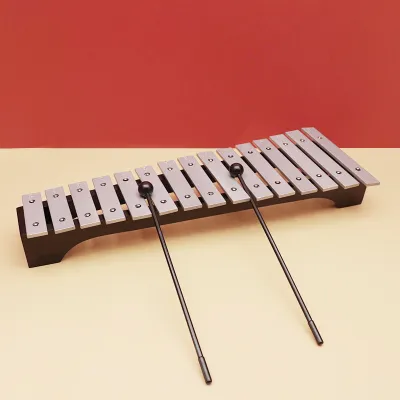
Before browsing online marketplaces or visiting a local music showroom, clarify what kind of music you want to play and the role you wish to fill. Percussion instruments generally fall into two main categories: purely rhythmic and melodic. If you are drawn to driving beats, steady tempos, and physical coordination, rhythmic instruments like drum kits or hand drums are ideal. If you prefer playing melodies, harmonies, and expressive pitch variations, melodic percussion instruments like the glockenspiel or xylophone will suit you better.
Your preferred musical genres also dictate your choice. If you love acoustic sessions, folk music, or intimate singer-songwriter setups, a portable hand drum like a cajon is an excellent fit. For those interested in Latin, jazz, or world music, congas, bongos, or djembe drums offer rich tonal variations and traditional hand-playing techniques. If your goal is to play in a modern rock, pop, or metal band, a complete drum kit is the standard path to building the necessary multi-limb coordination.
Products mentioned in this guide
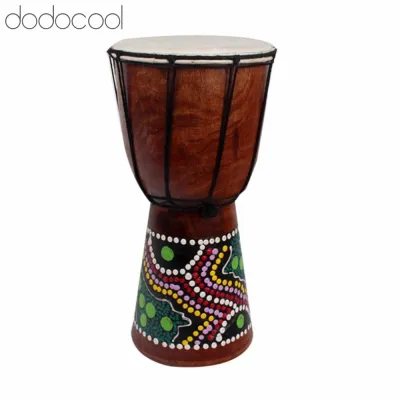
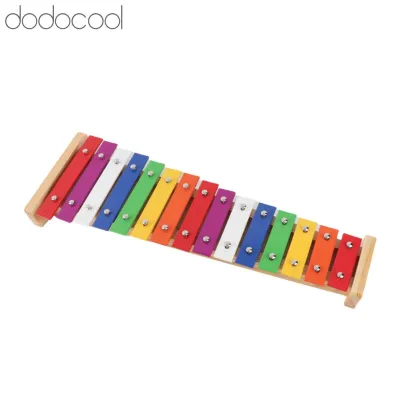
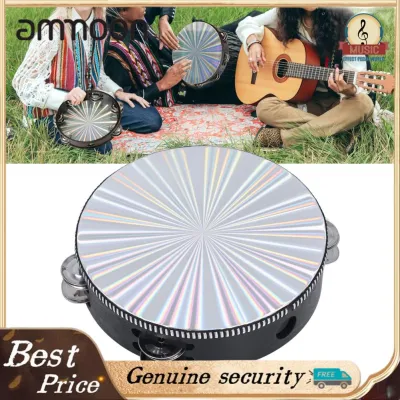
![[mouse mi]Maracas Hand Percussion Rattles Wooden Rumba Shaker Musical Instrument for Kids Adults Set of 2 Easy to Use 20 X 6cm](https://img.lazcdn.com/g/p/a05fc5c1a8c479ae869fd4ac9ca1fe6c.jpg_400x400q80.jpg_.webp)
![[SG FREE ] Wooden Hand Drum Kid Percussion Toy Wood Frame Drum for Children Music Game Convenient Portable Musical](https://img.lazcdn.com/g/p/02b2376c513c6fbfda63c197271ab5ee.jpg_400x400q80.jpg_.webp)
Prices are valid at publication and may change. Please refer to the product page for the latest price.
Consider whether you plan to practice primarily as a solo hobbyist or collaborate with other musicians. Solo players often find melodic percussion or electronic drum kits highly engaging because they allow for independent song play and backing track integration. If you aim to join a community ensemble, an orchestral group, or a local band, your choice should align with the specific instrumentation those groups require.
Evaluating Your Practice Space and Noise Constraints
Your physical environment is one of the most critical factors in determining which percussion instrument is practical for your home. A full acoustic drum kit requires a dedicated area of at least two meters by two meters, whereas a cajon or a set of bongos can easily sit in the corner of a small bedroom or closet when not in use. Measure your available floor space and consider how easily you can transport the instrument if you need to travel for lessons or rehearsals.

Noise tolerance is another major consideration, especially in high-density housing environments common in Singapore. Acoustic drum kits and large metal percussion instruments are naturally loud and produce low-frequency vibrations that easily travel through concrete floors and shared walls. If you live in an apartment, an acoustic kit may lead to noise complaints from neighbors unless you invest heavily in professional soundproofing.
Fortunately, there are several low-volume alternatives for noise-sensitive spaces. Electronic drum kits allow you to practice using headphones, keeping the airborne sound to a minimum, though you may still need a vibration-dampening mat to absorb the physical impact of the bass drum pedal. Alternatively, acoustic hand drums like the cajon can be played softly with brushes or bundle sticks, and many mallet instruments have synthetic bars that produce a quieter, warmer tone than metal equivalents.
Setting Your Budget and Long-Term Commitment Expectations
Establishing a realistic budget helps narrow down your options and prevents unexpected expenses down the road. Entry-level percussion instruments vary widely in price. A basic practice pad or a simple cajon might cost under S$100, while a reliable entry-level electronic or acoustic drum kit typically starts around S$400 to S$800. Be cautious of extremely cheap instruments, as they often suffer from poor hardware stability, fragile tension rods, and subpar sound quality that can discourage beginners.
When planning your budget, remember to account for essential accessories that are rarely included with the instrument itself. For drum kits, you will need to purchase drumsticks, a comfortable drum throne, and potentially a bass drum pedal or a set of cymbals. Mallet players will need specific mallets suited to their instrument’s bar material, along with a sturdy, adjustable stand. Protecting your investment also requires a padded gig bag or case, especially if you plan to transport your instrument to lessons.
Consider your long-term commitment and the potential upgrade path. If you are testing the waters, starting with a high-quality, budget-friendly hand drum or a practice pad minimizes financial risk. These items also tend to hold decent resale value on local secondhand marketplaces if you decide to upgrade or try a different instrument later. Investing in a reputable, mid-range brand from an authorized dealer ensures better durability and makes it easier to find replacement parts or sell the gear in the future.
Matching Your Results: Percussion Categories for Beginners
Once you have assessed your goals, space, and budget, you can match your profile to one of the primary percussion categories.
Hand drums and portable percussion are the most accessible options for space-conscious players who want to start playing immediately. The cajon, a box-shaped drum you sit on, is incredibly popular because it mimics the basic bass-and-snare sound of a full drum kit in a highly portable, acoustic package. Bongos and djembes are also excellent for beginners, offering a tactile connection to rhythm without the need for sticks or complex hardware setups.
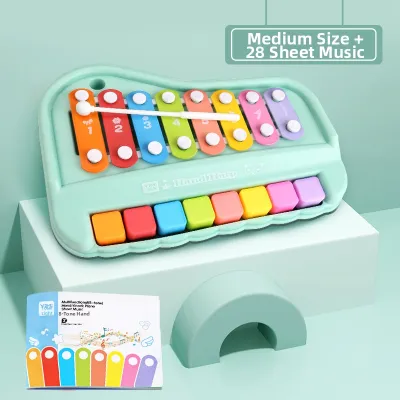
For those who want to focus on melody and music theory, mallet instruments are the perfect entry point. A beginner-friendly table-top glockenspiel or a compact 32-note practice marimba allows you to learn scales, read sheet music, and play recognizable tunes. These instruments are highly favored by students who want to build a strong foundation for classical percussion or school band participation.
If your ultimate dream is to play the drums in a band, you must choose between an acoustic and an electronic drum kit. Acoustic kits offer unmatched physical feedback, natural cymbal response, and authentic tone production, making them the gold standard for live performance. However, they require significant space and have no volume control. Electronic kits are the practical choice for most modern homes, offering volume adjustment, headphone jacks, built-in metronomes, and various pre-loaded drum kit sounds to keep practice sessions engaging.
Final Pre-Purchase Checklist for Beginners
Before finalizing your purchase online or at a local music store, complete these essential verification checks:
- Inspect Build Quality: Check the physical integrity of the instrument. For wooden drums, ensure there are no cracks in the shell or frame. For metal instruments, verify that the welding is clean and the hardware feels stable under pressure.
- Verify Included Accessories: Read the product specifications carefully to see what is included in the box. Do not assume a drum kit comes with cymbals, a throne, or sticks unless explicitly stated by the manufacturer.
- Check Compatibility: If buying an electronic instrument, verify that the output ports are compatible with your existing headphones or amplifiers.
- Confirm Seller Status: Purchase from authorized local dealers or reputable music retailers to ensure you receive a genuine product, a valid manufacturer's warranty, and access to reliable customer support.
Frequently Asked Questions (FAQ)
Do I need to read sheet music to start playing percussion?
No, you do not need to read sheet music to begin playing most rhythmic percussion instruments. Many hand drummers and drum kit players learn primarily through ear training, rhythm notation, or drum tablature. However, if you choose melodic mallet instruments or plan to play in an orchestral or classical ensemble, learning to read standard music notation is highly recommended and will be a core part of your practice.
Can I start on a practice pad instead of a full instrument?
Yes, starting with a practice pad is a highly effective and budget-friendly way to build your fundamental skills. A practice pad allows you to focus entirely on stick control, hand coordination, and rebound technique without the distraction of loud volume or complex setups. It is an invaluable tool that even professional drummers use daily, making it a smart initial purchase before investing in a full drum kit.
Community discussion
Share your experience or ask a question. Comments are reviewed before publication.