
Starting your musical journey with a PRS electric guitar is an exciting decision. Known for their striking aesthetics, exceptional playability, and versatile tonal options, instruments from Paul Reed Smith (PRS) have earned a stellar reputation among professional musicians and hobbyists alike. For a beginner, navigating the various models, series, and technical specifications can feel overwhelming. The key is finding an instrument that feels comfortable in your hands, stays in tune, and inspires you to practice every day. By understanding how different PRS models are structured and what features align with your musical goals, you can make an informed investment that will support your learning for years to come.
Understanding the PRS Lineup for Beginners
To choose the right PRS electric guitar, you must first understand how the brand structures its product tiers. PRS categorizes its instruments into three primary series: the SE (Student Edition) series, the S2 series, and the Core series. Each tier represents a different manufacturing origin, target demographic, and price point, which directly impacts your initial investment.
The SE series is the entry-level lineup, manufactured in partner facilities in Asia under strict quality control guidelines from PRS. This series is specifically designed to offer the brand’s iconic design elements—such as the bird inlays, carved tops, and versatile electronics—at a fraction of the cost of American-made models. For almost all beginners, the SE series is the most practical and logical starting point. It delivers professional-grade playability and reliable hardware without requiring a massive financial commitment.
Products mentioned in this guide
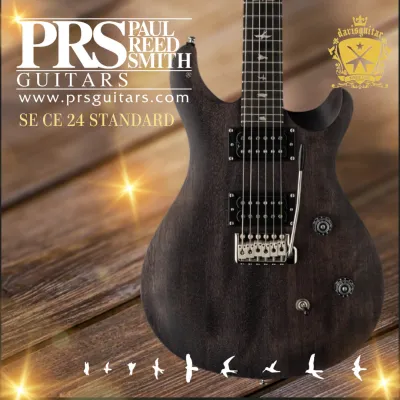
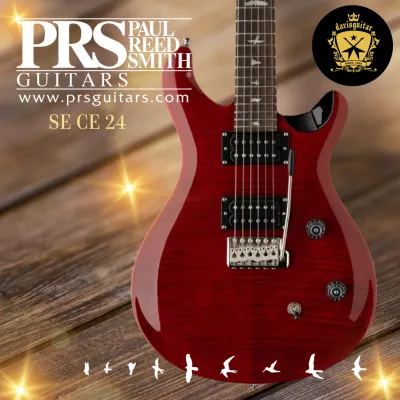
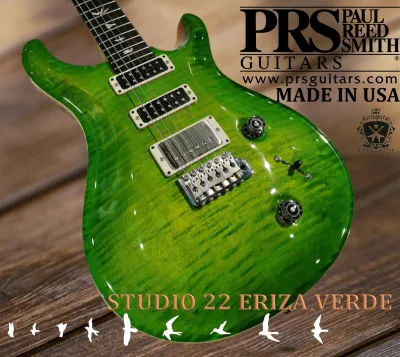
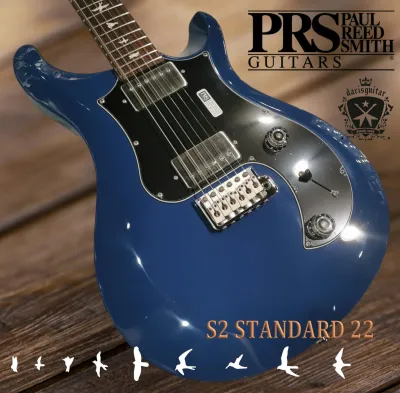
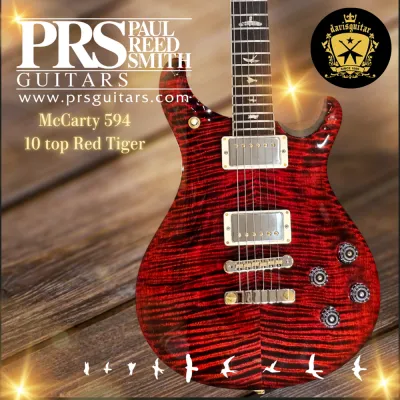
Prices are valid at publication and may change. Please refer to the product page for the latest price.
Moving up the ladder, the S2 (Stevensville 2) series is manufactured in the PRS factory in Maryland, USA. These guitars use a blend of American-made necks and bodies with some imported hardware and electronics, offering a middle ground in pricing. The Core series represents the pinnacle of PRS craftsmanship, built entirely in the USA with premium woods, custom-wound pickups, and exquisite finishes. While S2 and Core models are exceptional instruments, their premium pricing makes them less practical for someone just learning their first chords.
When shopping in Singapore, it is important to note that specific model availability, exact specifications, and S$ pricing can vary. To get an accurate picture of what is currently in stock and to compare the physical feel of these instruments, you should consult authorized local dealers. This ensures you receive up-to-date information and access to valid manufacturer support.
Key Features to Evaluate in an Entry-Level PRS
When evaluating an entry-level PRS electric guitar, several physical and electronic specifications will directly affect how comfortable the instrument is to play and how it sounds. Understanding these features allows you to look past the aesthetic appeal and focus on the ergonomics that match your physical build and musical preferences.

Body shapes play a significant role in physical comfort and weight distribution. PRS offers two main body styles: double-cutaway and single-cutaway. Double-cutaway models, such as the classic Custom 24 shape, feature deep curves on both sides of the neck joint. This design provides excellent balance when playing sitting down or standing up, and it allows easy access to the highest frets. Single-cutaway models, reminiscent of traditional solid-body guitars, tend to have a slightly thicker body, which can add weight but often provides a more robust, resonant feel. Beginners should consider how the guitar rests against their body and whether the weight feels manageable during long practice sessions.
Pickup configurations are the heart of your guitar’s plugged-in tone. Most PRS SE models feature humbucking pickups, which are dual-coil designs that cancel unwanted electrical hum and produce a warm, thick, and powerful sound. Humbuckers are excellent for rock, metal, and blues. Some models also include a coil-splitting feature, which allows you to temporarily deactivate one of the coils in the humbucker, mimicking the bright, crisp, and articulate sound of a single-coil pickup. This versatility is highly beneficial for beginners who are still exploring different genres and tonal landscapes.
The neck profile and scale length are critical for hand comfort. PRS necks typically come in profiles like “Wide Thin” or “Wide Fat” (often referred to as “Pattern Thin” or “Pattern Vintage” in higher-end models). A Wide Thin neck is flatter and easier for players with smaller hands or those who prefer a faster playing feel, while a Wide Fat neck offers a rounder, chunkier grip that supports the palm. Additionally, most PRS guitars feature a 25-inch scale length (the distance between the nut and the bridge). This is a comfortable middle ground between the shorter scale of traditional single-cut guitars and the longer scale of traditional double-cut bolt-on guitars, offering moderate string tension that is gentle on beginner fingers. Trying these profiles in person is the only way to ensure a proper reach and comfortable grip.
Finally, you must choose between a fixed bridge (stoptail) and a tremolo bridge. A fixed bridge is anchored directly to the body, offering excellent tuning stability and making string changes straightforward for beginners. A tremolo bridge allows you to use a whammy bar to bend the pitch of the strings, adding expressive vibrato to your playing. However, tremolo systems require more careful setup and can be more sensitive to tuning fluctuations when strings are changed or when the climate shifts. Beginners who want a low-maintenance experience often prefer fixed bridges, while those interested in expressive lead playing may opt for the tremolo.
Building Your Shortlist: Matching Features to Playing Styles
Rather than looking for a single “best” model, you should build a shortlist based on how specific features align with your musical goals. Different configurations excel in different musical contexts, and identifying your preferred style will help you narrow down the options.
If you want a versatile, all-round setup that can handle everything from jazz to hard rock, look for a double-cutaway model equipped with dual humbuckers and a push-pull coil-split switch. This combination allows you to transition from thick, warm rhythm tones to bright, clean single-coil sounds with a simple pull of the tone knob. A 24-fret neck paired with a tremolo bridge is common in this category, offering a wide note range and expressive pitch control. This setup is ideal for beginners who want to experiment with a broad palette of sounds before committing to a specific genre.
For those drawn to high-gain, rock, or metal styles, the focus should shift toward tuning stability and high-output pickups. Look for models with a fixed stoptail bridge or a string-through-body design. These configurations keep the guitar in tune even during aggressive strumming or when using heavier string gauges. Pickups designed for high output will help push your amplifier into natural distortion without losing clarity or definition. A comfortable, fast neck profile will also assist in executing quick chord transitions and early scale exercises.
If your musical interests lean toward clean, bluesy, or pop tones, you will want an instrument that emphasizes articulation and dynamic response. Look for models that feature single-coil pickups or specialized low-output humbuckers. These pickups preserve the natural woody character of the guitar and respond beautifully to the nuances of your picking hand. A slightly thicker neck profile can also enhance sustain and provide a solid anchor for bending strings during blues solos.
Once you have identified the features that match your style, cross-reference your shortlist with the actual inventory at local music shops. It is essential to physically hold the instruments, check the quality of the fretwork, and experience how the neck feels in your hand. No specification sheet can replace the physical feedback of playing the guitar in person.
Pre-Purchase Checks and Setup Considerations
Purchasing your first PRS electric guitar involves more than just selecting a model; you must also ensure the instrument is authentic, properly set up, and accompanied by the necessary gear. Taking these steps before finalizing your purchase will save you time, money, and frustration.
Always purchase your guitar from authorized dealers in Singapore. This guarantees that you are buying an authentic PRS instrument and secures a valid manufacturer warranty. Gray-market imports or unauthorized online sellers may offer slightly lower prices, but they often lack warranty coverage, leaving you unprotected if the guitar develops structural or electronic issues. Authorized dealers also employ knowledgeable staff who can assist you with initial adjustments and verify the instrument’s condition.
The physical setup of the guitar is another crucial factor. When guitars are shipped from overseas factories, they undergo significant temperature and humidity changes. Singapore’s consistently high humidity can cause the wood in the neck to expand or warp slightly, which affects the string action (the height of the strings above the fretboard), intonation, and neck relief. Before taking your guitar home, ask the shop’s technician to perform a professional setup. Adjusting the truss rod, bridge height, and nut slots to suit local conditions will make the guitar significantly easier to play and prevent fret buzz.
Finally, remember to factor the cost of essential accessories into your total S$ budget. An electric guitar cannot produce its intended sound on its own. You will need a dedicated guitar amplifier or an audio interface to hear your playing. Additionally, budget for a high-quality instrument cable, an electronic tuner, a comfortable strap, a stand, and a padded gig bag to protect your investment when traveling to lessons or jam sessions. Allocating a portion of your budget to these accessories ensures you have a complete, functional setup from day one.
Frequently Asked Questions (FAQ)
Do I need to buy an amplifier separately when purchasing my first PRS electric guitar?
Yes, an electric guitar requires an external device to amplify its sound, as the acoustic volume of a solid-body electric guitar is very quiet. To hear your instrument properly, you will need to purchase a guitar amplifier or an audio interface connected to a computer or mobile device. For beginners, a small practice amplifier is highly recommended. Look for compact digital modeling amplifiers that include built-in effects, basic equalization controls, and a headphone jack. The headphone jack is particularly useful for practicing quietly at home without disturbing others, while built-in effects allow you to experiment with different sounds without buying separate pedals.
How does Singapore's climate affect the maintenance of a PRS SE guitar?
Singapore’s tropical climate is characterized by consistently high humidity, which can significantly impact wooden musical instruments. High humidity causes guitar wood to absorb moisture, leading to swelling. This swelling can bow the neck, raise the string action, and make the guitar difficult to play. Over time, excess moisture can also corrode metal hardware, pickups, and strings. To protect your PRS SE guitar, store it in a high-quality gig bag or hard case when not in use, preferably with silica gel packs or a specialized humidity-control system designed for instruments. Additionally, always wipe down the strings, fretboard, and metal hardware with a clean, dry microfiber cloth after every playing session to remove sweat and oils.
Is it better to buy a used PRS Core model or a new PRS SE model as a beginner?
For most beginners, a new PRS SE model is the safer and more practical choice. A new SE guitar comes with a manufacturer warranty, predictable factory condition, and modern playability features right out of the box. It also requires a much lower initial S$ outlay, leaving more of your budget for a quality amplifier and accessories. While a used PRS Core model is a premium, American-made instrument with exceptional craftsmanship, buying used carries risks for a beginner. Without experience, it is difficult to spot hidden structural issues, worn frets, or faulty electronics. Furthermore, used instruments rarely come with a warranty, and the significantly higher cost of a Core model may not be justified before you have committed to the instrument long-term.

Community discussion
Share your experience or ask a question. Comments are reviewed before publication.