
The best Seneca book to read first depends entirely on the specific personal challenge you are currently facing. If you are struggling with time management and procrastination, start with On the Shortness of Life. For anger and emotional reactivity, begin with On Anger. If career burnout and professional misalignment are your primary concerns, choose On Tranquility of Mind. For general daily anxieties, grief, and a comprehensive guide to living, Letters from a Stoic is the ideal entry point.
Stoicism is not a rigid set of abstract dogmas, but a highly practical toolkit designed for real-world friction. Lucius Annaeus Seneca, a prominent Roman statesman and philosopher, wrote his essays and letters to address immediate human struggles. By identifying your primary emotional or situational hurdle first, you can select the specific text that offers the most direct, actionable guidance for your life.
Identify Your Core Life Challenge
Before purchasing any philosophical text, it is essential to diagnose your current state of mind. Many readers turn to ancient philosophy during periods of transition or distress, but different texts target distinct psychological pain points. Recognizing where your energy is currently blocked will prevent you from feeling overwhelmed by the sheer volume of classical literature.
Products mentioned in this guide
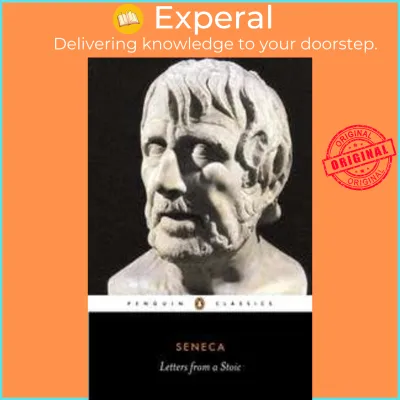
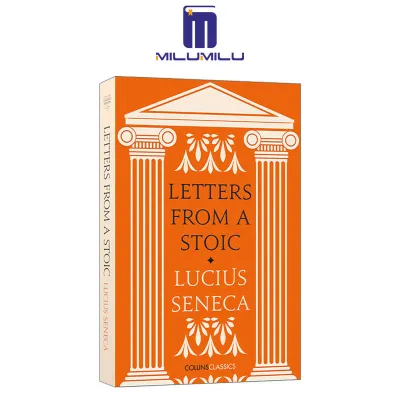
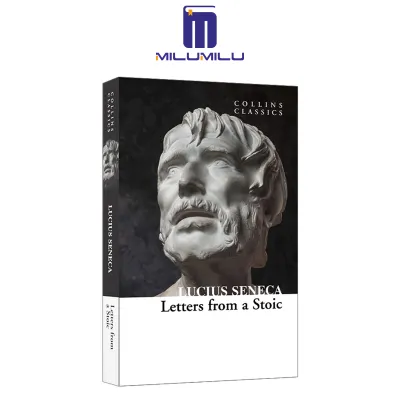

Prices are valid at publication and may change. Please refer to the product page for the latest price.
Perhaps you experience a persistent sense of time anxiety. This often manifests as chronic procrastination, a feeling that the hours are slipping away, or a constant state of being busy without achieving anything of personal value. You might find yourself endlessly scrolling through digital feeds or filling your schedule with low-priority tasks, only to feel a deep sense of regret at the end of the day.
Alternatively, your primary struggle might be emotional volatility. If you find yourself reacting with unmanaged anger, harboring resentment toward colleagues, or experiencing frequent frustration during daily commutes, your challenge is one of emotional regulation. This pattern of behavior can strain relationships and leave you feeling exhausted by your own reactions.
For others, the issue is professional misalignment or career burnout. You may have achieved external success, perhaps securing a stable role in a competitive environment, yet you feel a persistent restlessness. This inner turmoil often stems from a conflict between public duties, personal ambition, and the desire for genuine peace of mind.
Finally, you might be dealing with persistent daily worries, existential dread, or the heavy burden of grief. Coping with personal loss, illness, or the general uncertainty of the future requires a broad, resilient framework that addresses the human condition as a whole.
Match Your Challenge to the Right Seneca Book
Once you have identified your primary struggle, you can map it directly to Seneca’s surviving works. His essays and letters are highly thematic, allowing you to bypass a strict chronological reading order and go straight to the text that speaks to your current situation.

The following recommendations are structured around the core themes of Seneca’s most influential writings. Each text offers a unique perspective and a distinct set of practical exercises tailored to specific life challenges.
For Time Anxiety and Procrastination: On the Shortness of Life
If you constantly feel that you do not have enough time, On the Shortness of Life (De Brevitate Vitae) is the perfect starting point. Seneca’s central argument is startlingly modern: life is not short, but we make it so by wasting much of it on trivial pursuits. He draws a sharp distinction between merely existing for many years and actually living.
This essay is characterized by a direct, confrontational tone that challenges you to reevaluate your daily habits. Seneca exposes the self-imposed distractions that consume our days, from social posturing to obsessive planning for a distant retirement. By reading this work, you will be forced to confront your own procrastination and learn to treat your time as your most valuable, non-renewable resource.
For Anger and Frustration: On Anger
For those struggling with irritability and reactive behavior, On Anger (De Ira) provides a comprehensive psychological framework for dismantling destructive emotions. Seneca rejects the idea that anger is a natural or useful tool for motivation, instead defining it as a temporary madness that completely bypasses reason.
The text is highly practical, offering cognitive exercises designed to help you pause and reflect before reacting to external triggers. Seneca emphasizes that while we cannot always control our initial impressions, we do have control over our assent to those impressions. This work teaches you how to cultivate a mental buffer, allowing you to respond to life’s provocations with deliberate reason rather than impulsive rage.
For Career Stress and Inner Turmoil: On Tranquility of Mind
If you are experiencing professional burnout or a lack of fulfillment despite external achievements, On Tranquility of Mind (De Tranquillitate Animi) is highly recommended. Written as a dialogue with his friend Annaeus Serenus, Seneca addresses the restlessness that comes from trying to balance ambition with inner peace.
This work focuses on finding a suitable role in society that aligns with your capacities, while warning against the endless pursuit of wealth, status, and public approval. Seneca discusses the importance of balancing public duty with private retreat, showing how to cultivate a stable mind that is neither overwhelmed by professional demands nor bored by inactivity.
For Daily Anxieties and Grief: Letters from a Stoic
For a broader, more comprehensive guide to daily living, Letters from a Stoic (also known as the Epistulae Morales ad Lucilium) is the ultimate choice. This collection of 124 letters written to his friend Lucilius covers an extraordinary range of practical topics, making it highly accessible for modern readers.
Because the letters were written to a real person, the tone is conversational, warm, and deeply empathetic. Seneca addresses everything from the value of true friendship and the management of physical illness to coping with the fear of death and personal loss. It functions as a daily mentorship program, offering bite-sized pieces of wisdom that you can easily digest and apply to your own life.
How to Start Reading Seneca Effectively
Reading ancient philosophy does not have to be an intimidating academic chore. To get the most out of Seneca’s works, it is crucial to approach them with a practical mindset rather than a purely historical one. Your goal is to find actionable insights that you can test in your daily life.
First, prioritize selecting a modern, accessible translation. Older, public domain translations often use archaic English that can obscure Seneca’s direct and punchy style. Before purchasing, verify the edition, language, and publisher details. Look for reputable academic or trade publishers, and check the translator’s introduction to ensure the language feels natural to you. If you are purchasing a digital edition, verify its compatibility with your e-reader and ensure the file format is complete.
Second, avoid the temptation to rush through these texts. Seneca’s writing is dense with aphorisms and psychological insights that require time to digest. A highly effective strategy is to read just one short section or a single letter each day. Keep a journal nearby to write down passages that resonate with you, and actively reflect on how you can apply those specific concepts to your schedule or interactions that very day.
Finally, focus on personal relevance rather than academic memorization. You do not need to master the historical context of first-century Rome to benefit from Seneca’s advice on anxiety or time management. Treat his writings as a conversation with a wise, imperfect friend who is also navigating the complexities of human nature.
When to Look Beyond Philosophy for Support
While Stoicism offers powerful tools for building cognitive resilience and reframing daily challenges, it is vital to recognize its limitations. Ancient philosophy is a method for self-reflection and personal development, not a clinical intervention for mental health disorders.
If you are experiencing severe depression, persistent panic attacks, overwhelming grief that prevents you from functioning, or chronic anxiety, philosophy alone is rarely sufficient. These are clinical conditions that require professional evaluation and treatment. Stoic concepts like voluntary discomfort or cognitive reframing should never be used to suppress genuine emotional pain or delay seeking professional medical advice.
Combining philosophical reading with professional psychological support can be highly effective. A qualified therapist can help you navigate deep-seated trauma or clinical symptoms, while Stoic practices can provide a supportive framework for daily mindfulness and value-based living. Always prioritize your safety and well-being by consulting a healthcare professional when your challenges exceed the scope of self-help.
Frequently Asked Questions (FAQ)
Do I need to read Seneca's books in chronological order?
No, there is no need to read Seneca’s works chronologically. His surviving essays, dialogues, and letters were written at different points in his life, but they function as independent pieces of practical philosophy. You can select any text based on your current life challenges without losing necessary context. The only exception is Letters from a Stoic, which is often best read sequentially because the letters document a progressive, evolving mentorship between Seneca and Lucilius.
Which modern translation of Seneca is best for beginners?
When choosing a translation, look for modern editions published by reputable presses, such as Penguin Classics or the University of Chicago Press. These editions feature clear, contemporary English that preserves Seneca’s conversational tone. Before buying, check the publication details and read a sample page to ensure the prose flows naturally. It is also highly beneficial to choose editions that include introductory essays and explanatory footnotes, as these will help clarify any unfamiliar Roman cultural references without disrupting your reading flow.
Community discussion
Share your experience or ask a question. Comments are reviewed before publication.