
Choosing the right translation of Marcus Aurelius’s Meditations is the most important decision you will make before exploring Stoic philosophy. Because the Roman emperor wrote these personal journals in Koine Greek for his own self-improvement, every English version reflects the unique stylistic and philosophical choices of its translator. Selecting an edition that aligns with your reading level and goals ensures you can fully absorb and apply his timeless reflections.
To find your ideal match, you must weigh the balance between modern readability, historical accuracy, and classic literary style. Some translations prioritize direct, punchy language for daily reflection, while others offer dense historical annotations for academic study. Understanding these differences will help you avoid frustrating reading experiences and find a text that resonates with your personal journey.
Understanding the Most Popular English Translations
Gregory Hays’s 2002 translation for the Modern Library series is widely recognized for making Stoicism accessible to a modern audience. Hays strips away the formal, Victorian-era phrasing that characterized older translations, opting instead for direct, contemporary English. His short sentences and active verbs capture the urgent, self-correcting tone of an emperor writing to himself during military campaigns. This translation is highly effective for readers who want to focus on the practical application of Stoic principles without getting bogged down in complex sentence structures.
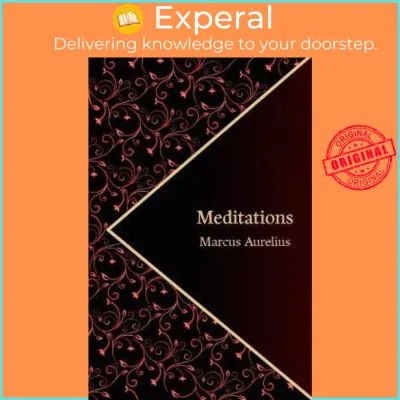
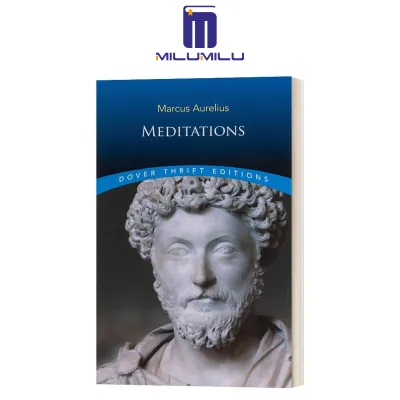
Products mentioned in this guide


![[Wiley] Meditations - The Philosophy Classic by Aurelius - 9780857088468](https://img.lazcdn.com/g/p/2424bb4cf7ddf2a8c83e25dc92f28b63.png_400x400q80.png_.webp)

Prices are valid at publication and may change. Please refer to the product page for the latest price.
Robin Waterfield’s 2021 translation, published by Oxford World’s Classics, offers a balanced approach that appeals to both casual readers and history enthusiasts. Waterfield, an established classicist, delivers a text that is highly readable while remaining exceptionally faithful to the nuances of the original Greek. The defining feature of this edition is its extensive annotation. Nearly every page includes detailed notes that explain the historical figures, cultural references, and philosophical concepts that Marcus Aurelius mentions, providing invaluable context for the modern reader.
George Long’s 1862 translation represents the classic, Victorian-era style of presenting ancient philosophy. Long uses formal, slightly archaic English, complete with complex syntax and traditional pronouns like “thee” and “thou.” While his scholarship was highly respected in the nineteenth century, the prose can feel dense and difficult to navigate for contemporary readers. Because this translation is in the public domain, it is the version most commonly found in free digital editions and budget paperbacks, making it highly accessible but challenging for daily reading.
Key Dimensions for Comparing Meditations Editions
When evaluating different editions of Meditations, the trade-off between readability and literal accuracy is the first major factor to consider. Koine Greek does not translate directly into modern English without some level of interpretation. A highly readable translation like Hays’s often paraphrases complex Greek idioms to make them immediately clear, which can occasionally obscure the precise philosophical terminology. Conversely, a more literal translation preserves the exact phrasing of the original text but may require you to reread passages multiple times to grasp their meaning.

Structural choices also vary significantly between editions and affect how you navigate the text. Marcus Aurelius did not write his journal with publication in mind, and the division of the text into twelve books was established by later editors. Some translations maintain a raw, fragmented structure that reflects the original notebook format, while others introduce thematic headings or organize the passages to improve the narrative flow. If you plan to discuss the text with others or reference specific passages, choosing an edition that retains the standard book and chapter numbering is essential.
Supplementary materials can completely transform your reading experience, especially if you are new to Stoicism. A bare translation of the text can be confusing because the author frequently references contemporary Roman figures and specific philosophical doctrines without explaining them. Editions that include a comprehensive introduction, a glossary of Stoic terms, and detailed explanatory notes help bridge this gap. These materials allow you to understand the broader philosophical system that informed the emperor’s daily reflections.
Decision Framework: Match the Translation to Your Purpose
If your primary goal is personal development and daily reflection, the Gregory Hays translation is highly suitable. The modern, punchy language allows you to read a passage in the morning and immediately understand how to apply its core lesson to your day. It serves as an excellent, low-barrier introduction to Stoic thought, making it ideal for beginners or those who prefer a fluid, conversational reading style.
If you are studying Roman history, want rigorous academic context, or prefer a highly accurate translation, the Robin Waterfield edition is a strong choice. The extensive annotations and historical introduction provide a deep dive into the world of second-century Rome. This edition is perfect for readers who want to understand not just what Marcus Aurelius wrote, but why he wrote it, placing his personal struggles in the context of his duties as emperor.
If you appreciate classic literature, prefer traditional philosophical prose, or are shopping on a strict budget, the George Long translation remains a viable option. The formal, elevated tone of Victorian English can give the reflections a dignified, almost biblical quality that some readers find appealing. It is also the most practical choice if you want to explore the text through free public domain library apps or online archives before committing to a physical purchase.
If you are looking for a strict, word-for-word academic interlinear text for linguistic analysis, none of these mainstream translations will fully meet your needs. In this scenario, you should verify specialized academic publishers, such as the Loeb Classical Library, which offer parallel Greek and English texts. These editions allow you to compare the translation directly with the original Greek terminology on the facing page.
What to Verify Before You Buy
Before purchasing a copy of Meditations, always check the publisher and the publication year listed on the product page. Because older translations like George Long’s are in the public domain, many low-quality, print-on-demand publishers package these outdated texts with modern, minimalist cover designs. This can easily mislead you into thinking you are buying a modern translation when you are actually purchasing a nineteenth-century text that may be poorly formatted and full of typographical errors.
Verify the format and page count to ensure the edition includes the complete text and the supplementary materials you want. Some budget paperbacks strip out the translator’s introduction, footnotes, and index to minimize printing costs, leaving you with a bare text that is difficult to contextualize. Checking the product specifications or using the “look inside” feature on online marketplaces can help you confirm that the edition contains the full twelve books along with robust explanatory notes.
Confirm the translator’s name on the product listing rather than relying solely on the cover art or title. Online marketplaces frequently group reviews and listings for entirely different translations of Meditations under a single product page. A listing might display a cover image associated with the Gregory Hays translation but actually ship a public domain version translated by George Long or Jeremy Collier. Double-checking the editorial details in the product specifications is the most reliable way to ensure you receive the exact translation you intend to buy.
Frequently Asked Questions (FAQ)
Do I need to read the books in chronological order?
No, you do not need to read the twelve books of Meditations in chronological order. The text is a collection of personal notes, reminders, and aphorisms rather than a structured narrative or a systematic philosophical treatise. You can start reading from any book or even open the text to a random passage for daily reflection. Many readers find it helpful to skip Book 1 initially, as it consists entirely of Marcus Aurelius listing his debts of gratitude to his family, teachers, and mentors, which can feel dry compared to the practical philosophy that begins in Book 2.
Are audiobook versions of Meditations worth it?
Audiobooks can be an excellent medium for absorbing Stoic philosophy, as the short, meditative passages lend themselves well to daily listening during a commute or walk. However, the success of the audiobook experience depends heavily on the translation used. Modern translations like Gregory Hays’s flow naturally when read aloud and are easy to comprehend in an audio format. Older translations like George Long’s can be difficult to follow when spoken due to their complex, archaic sentence structures, so it is highly recommended to listen to a sample first to verify the translation and narration style.
Community discussion
Share your experience or ask a question. Comments are reviewed before publication.