
Quick Answer: Which Communication Book Fits Your Goals?
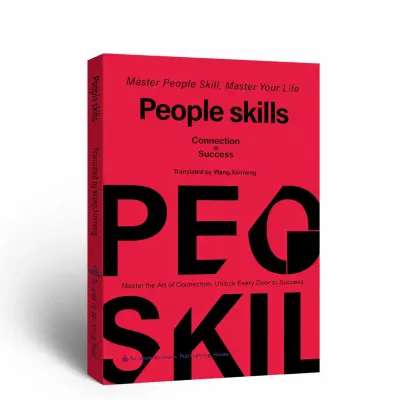
Choosing the right communication book to read first depends entirely on your immediate interpersonal challenges and professional environment. If you need a structured, modern framework designed for daily workplace clarity and assertive professional messaging, a book like Winning in Communication serves as an excellent starting point. This type of guide focuses on the practical mechanics of structured business communication, helping you deliver concise updates, write effective emails, and present ideas clearly to stakeholders.
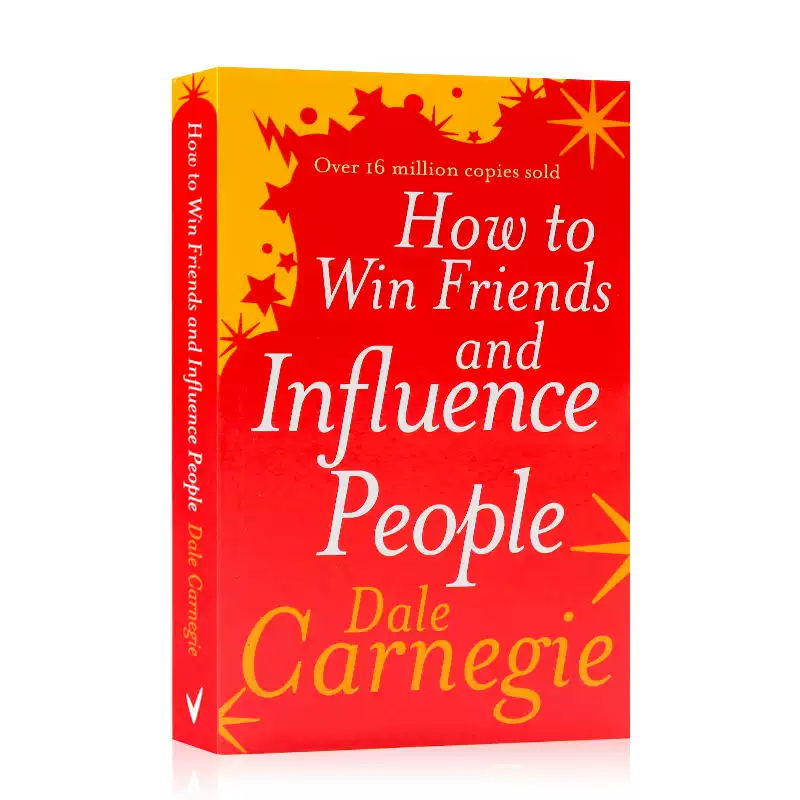
However, if your primary struggles involve managing emotional friction, negotiating high-stakes deals, or building foundational rapport, other established classics are better suited as your first step. For navigating intense, emotional disagreements where opinions differ and stakes are high, Crucial Conversations is the industry standard. If you want to build long-term relationships, improve your general likability, and understand basic human relations, Dale Carnegie’s timeless How to Win Friends and Influence People remains unmatched. For those focused strictly on negotiation, persuasion, and uncovering hidden leverage in competitive environments, Chris Voss’s Never Split the Difference provides a tactical, psychology-based toolkit.
To help you decide which book deserves a spot on your nightstand first, this comparison evaluates each title across four essential dimensions:
Products mentioned in this guide
![EBOOK Fearless Interviewing - How To Win The Job By Communicating With Confidence [Full Version]](https://img.lazcdn.com/g/p/a10a7b503722a59c6219d7c20577ffac.jpg_400x400q80.jpg_.webp)
Prices are valid at publication and may change. Please refer to the product page for the latest price.
- Core Philosophy: The underlying theory of human behavior and interaction that drives the book's advice.
- Target Audience: The specific professional roles or personal scenarios where the book's strategies are most effective.
- Practical Applicability: How easily the concepts can be translated into immediate, daily habits and actionable scripts.
- Reading Style: The tone, structure, pacing, and overall accessibility of the text.
Core Focus and Philosophy: What Each Book Actually Teaches
Winning in Communication
Winning in Communication centers on the philosophy of structured clarity and purposeful interaction. The core premise is that professional success is directly tied to your ability to synthesize complex information and present it in a way that respects the listener’s time and cognitive load. Rather than focusing on deep psychological manipulation or emotional healing, this approach teaches you how to organize your thoughts before speaking or writing. It emphasizes modern corporate communication dynamics, offering frameworks for clear assertion, active feedback loops, and goal-oriented dialogues. It operates on the belief that most professional misunderstandings stem from poor message structure and ambiguous intent rather than malice or deep-seated conflict.

Crucial Conversations
Crucial Conversations (by Joseph Grenny, Kerry Patterson, Al Switzler, and Ron McMillan) operates on the philosophy that the quality of your relationships and organization is defined by the lag time between identifying a problem and discussing it. A “crucial conversation” is defined by three factors: high stakes, opposing opinions, and strong emotions. The book’s core framework teaches readers how to create a “Pool of Shared Meaning” by establishing mutual respect and purpose. It argues that when people feel safe, they will share their honest thoughts; when they feel threatened, they resort to silence (withholding information) or violence (controlling, labeling, or attacking). The philosophy is highly collaborative, focusing on self-awareness, recognizing physical signs of stress, and keeping dialogue flowing under pressure.
How to Win Friends and Influence People
Dale Carnegie’s foundational work is built on the philosophy of genuine empathy and ego management. Carnegie argues that the deepest urge in human nature is the desire to feel important and appreciated. Therefore, the most effective way to influence others is to stop focusing on your own desires and instead look at things from the other person’s perspective. The book teaches that by showing sincere appreciation, listening actively, remembering names, and avoiding direct criticism, you disarm resistance and build deep, trusting connections. The philosophy is relational and cooperative, suggesting that long-term influence is earned through kindness, humility, and making others feel valued.
Never Split the Difference
Chris Voss’s philosophy is rooted in “tactical empathy,” a concept forged during his time as a lead international kidnapping negotiator for the FBI. Voss rejects the traditional, purely rational negotiation models, arguing that human beings are fundamentally emotional and irrational decision-makers. Instead of seeking a compromise (which he equates to wearing one black shoe and one brown shoe), Voss teaches readers how to use active listening, calibrated questions, and emotional labeling to uncover the counterpart’s hidden drivers—what he calls “Black Swans.” The philosophy is strategic and slightly competitive, though still highly empathetic, focusing on gaining leverage by making the other party feel completely understood and in control.
Overlaps and Contradictions
While all four books agree that active listening is the cornerstone of effective communication, they differ sharply in their strategic execution. Carnegie’s approach is highly relational and soft, encouraging you to avoid arguments entirely. In contrast, Voss and the authors of Crucial Conversations argue that avoiding conflict is counterproductive. Voss views conflict as an opportunity to gather information and negotiate better terms, while Crucial Conversations treats conflict as a necessary path to truth and alignment. Winning in Communication bridges these perspectives by providing a structured, middle-ground framework that allows you to express dissenting opinions clearly and assertively without the emotional weight of a hostage negotiation or the soft-pedaling of traditional politeness.
Target Audience and Best Use Cases
For Corporate Professionals and Leaders
Corporate professionals and team leaders require communication tools that scale across diverse teams, upward management, and cross-functional projects. Winning in Communication is highly effective for daily corporate operations, helping professionals structure executive summaries, deliver concise status updates, and run efficient meetings. However, when those business interactions turn tense—such as during performance reviews, budget cuts, or project delays—Crucial Conversations becomes the essential manual. It provides leaders with the exact scripts and psychological safety tools needed to deliver tough feedback without destroying morale or triggering defensive reactions.
For Entrepreneurs and Salespeople
Entrepreneurs, business founders, and sales professionals operate in high-stakes environments where persuasion and negotiation directly impact the bottom line. For this group, Never Split the Difference is the most valuable first read. Its tactical tools, such as “labels” and “calibrated questions,” are designed to reveal a client’s true budget, uncover hidden objections, and secure favorable contract terms without damaging the relationship. To complement these tactical negotiation skills, How to Win Friends and Influence People serves as an excellent secondary read, helping entrepreneurs build the long-term rapport and personal likability necessary to generate repeat business and warm referrals.
For Personal Relationship Building
Navigating family dynamics, resolving deep-seated domestic conflicts, or building social confidence requires a softer, more empathetic touch. For these personal scenarios, How to Win Friends and Influence People remains the premier choice. Its simple, universally applicable principles help readers ease daily domestic friction, build stronger friendships, and approach social gatherings with confidence. When personal discussions escalate into highly emotional arguments—such as discussing estate planning with siblings or navigating marital disagreements—Crucial Conversations provides the necessary emergency toolkit to de-escalate tension and restore safe, constructive dialogue.
Learning Style and Readability
Structure and Pacing
The reading experience varies significantly across these four titles, making certain books more appealing depending on your preferred learning style:
- Winning in Communication: Typically structured like a modern professional handbook. It features concise chapters, clear bullet points, and direct frameworks that allow busy professionals to skim, locate relevant templates, and apply them immediately. The pacing is fast and highly efficient.
- Crucial Conversations: Structured like a corporate training manual. It is highly methodical, using diagrams, step-by-step models, and flowcharts to explain human behavior under stress. The pacing is moderate, requiring reflective reading to fully grasp and internalize the behavioral models.
- How to Win Friends and Influence People: Highly narrative and anecdotal. Carnegie uses historical examples, personal letters, and business success stories from the early 20th century to illustrate his points. While the language is simple and conversational, the chapters can feel repetitive as they drive home a single principle through multiple stories.
- Never Split the Difference: Reads like an action thriller. Voss opens almost every chapter with a high-stakes hostage negotiation story before breaking down the tactical tools used to resolve the crisis. The pacing is fast and highly engaging, though readers must actively work to translate hostage-negotiation scenarios into corporate or personal contexts.
Actionability and Supplementary Materials
Crucial Conversations offers robust post-chapter summaries, self-assessments, and online resources, including video examples of good and bad conversations. Winning in Communication excels in providing immediate, actionable templates, checklists, and email scripts that can be copied and adapted for daily workplace use. Never Split the Difference includes concrete preparation sheets (such as the “Negotiation One-Sheet”) to help readers plan their strategy before entering a meeting. Carnegie’s book, while highly inspiring, is more conceptual; it relies on the reader’s self-discipline to consciously apply the broad principles to their daily life without the aid of structured worksheets or modern digital companions.
Feature Comparison: 'Winning in Communication' vs. Top Alternatives
| Book Title | Core Focus | Best For (Target Audience) | Key Framework/Concept | Actionability Level |
|---|---|---|---|---|
| Winning in Communication | Structured professional messaging and daily clarity | Corporate professionals, project managers, and team leads | Message structuring and assertive professional templates | High (Direct templates and checklists) |
| Crucial Conversations | High-stakes, emotional, and opinion-varied discussions | Managers, HR professionals, and families in conflict | Pool of Shared Meaning; Creating Safety; State My Path | High (Structured models and scripts) |
| How to Win Friends and Influence People | Foundational empathy, active listening, and rapport | General readers, networkers, and early-career professionals | Principle of appreciation; Seeing from others' perspectives | Moderate (Conceptual principles) |
| Never Split the Difference | Tactical empathy and strategic negotiation | Salespeople, entrepreneurs, and contract negotiators | Mirroring; Labeling; Calibrated Questions | High (Tactical scripts and prep sheets) |
Price, Formats, and Availability in Singapore
Formats Available
All four of these titles are widely available in multiple formats to suit different learning preferences. Physical paperbacks and hardcovers are ideal for those who like to highlight text and write notes in the margins. For commuters navigating the MRT or bus networks in Singapore, e-books (compatible with Kindle or Kobo readers) and audiobooks (via platforms like Audible) offer highly convenient, portable learning options.
Local Availability in Singapore
Finding these books in Singapore is highly convenient across both physical and digital channels:
- Physical Bookstores: Major brick-and-mortar retailers like Books Kinokuniya (especially the main store at Ngee Ann City, Orchard Road) carry extensive stocks of these titles in their business, self-help, and communication sections. Popular Bookstore outlets across heartland malls also carry How to Win Friends and Influence People and other popular self-improvement titles.
- Digital and Library Access: The National Library Board (NLB) Singapore offers exceptional digital access. Residents can borrow e-books and audiobooks of these titles for free through the Libby app. Physical copies are also widely available for borrowing across various regional libraries.
- Online Marketplaces: Major online marketplaces and local e-commerce platforms offer competitive pricing and home delivery for physical copies.
Price Range and Value
In Singapore, physical paperbacks generally retail between S$18 and S$35, depending on the edition, publisher, and bookstore promotions. E-books typically range from S$10 to S$25, while audiobooks are available via monthly platform subscription credits or individual purchase. To maximize value, check the NLB Libby app first for digital availability, or look for bundled self-improvement book deals on trusted online marketplaces.
Final Verdict: How to Choose Your First Read
To make your final decision, evaluate your immediate communication bottleneck and choose your first book based on the following conditional framework:
- **Choose Winning in Communication if**: You are a corporate professional looking to refine your daily business communication, structure your emails and presentations more effectively, and improve your assertive clarity in meetings.
- **Choose Crucial Conversations if**: You are facing immediate, high-stakes conflicts at work or home, need to deliver difficult feedback, or find that important discussions frequently shut down due to emotional outbursts or defensive silence.
- **Choose How to Win Friends and Influence People if**: You are starting your career, want to improve your general social confidence, or need to build a foundational mindset of empathy and rapport with colleagues, clients, and friends.
- **Choose Never Split the Difference if**: Your primary goals are commercial negotiation, closing sales deals, securing salary increases, or mastering strategic persuasion in competitive environments.
How to Sequence Your Reading Over Time
For a comprehensive communication education, consider reading these books in a logical sequence rather than treating them as mutually exclusive. Start with How to Win Friends and Influence People to build a foundational, empathetic mindset toward human relations. Next, read Winning in Communication to translate that positive mindset into structured, clear, and professional daily habits. Once your daily interactions are structured and clear, read Crucial Conversations to master the specific skills needed when those daily interactions face intense emotional pressure. Finally, study Never Split the Difference to refine your strategic negotiation and persuasion skills for high-stakes business scenarios.
Community discussion
Share your experience or ask a question. Comments are reviewed before publication.