
Quick Answer: Which Violin Hardcase Material is Right for You?
Choosing the right violin hardcase is a balance of physical defense, weight, and climate resilience. For traditionalists who travel mostly by car and store their instruments in stable, climate-controlled environments, a traditional wood case offers exceptional structural rigidity and classic aesthetics. If you are a touring professional, frequent flyer, or daily commuter navigating crowded public transit, a carbon fiber case provides the ultimate defense against crushing forces while keeping weight to an absolute minimum. For students, budget-conscious players, or those seeking superior insulation against rapid temperature swings, a high-density foam-core or composite case offers outstanding shock absorption and thermal buffering at an affordable price point.
However, remember that the outer shell material is only half of the protection equation. No matter how tough the exterior is, your instrument remains vulnerable if the internal suspension system does not fit your violin’s exact dimensions. A secure fit, reliable suspension cushions, and quality hardware are just as critical as the shell itself when safeguarding your instrument from daily wear and unexpected drops.
Key Comparison Dimensions for Violin Hardcases
To evaluate which material suits your needs, you must understand the distinct physical forces at play during transit and storage. Protecting a delicate stringed instrument requires a combination of structural strength and environmental management.
Products mentioned in this guide
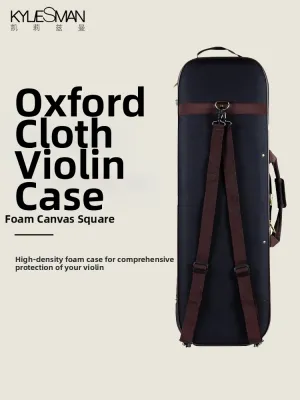
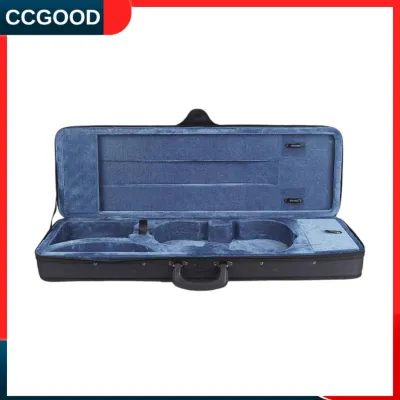
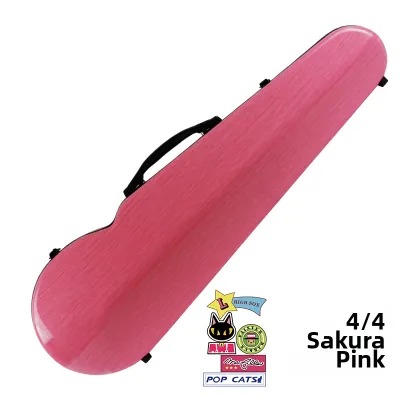
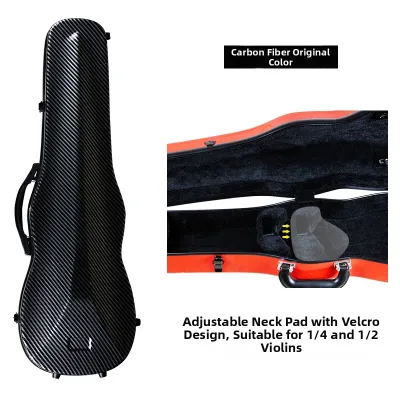
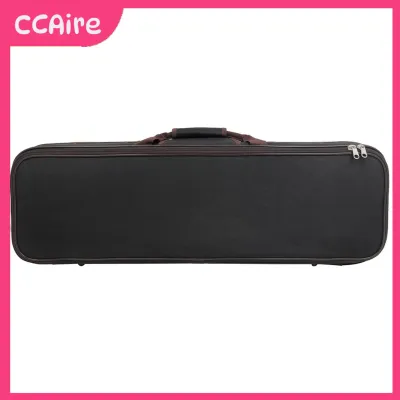
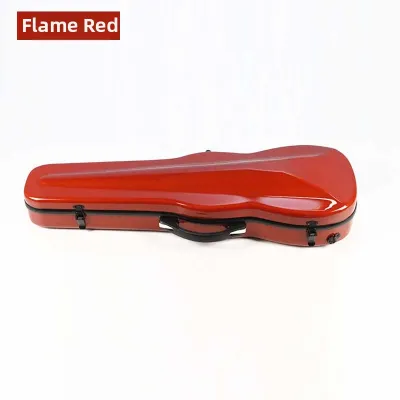

Prices are valid at publication and may change. Please refer to the product page for the latest price.

Impact Protection vs. Shock Absorption
Impact protection refers to a shell’s ability to resist direct penetration, sharp blows, and crushing forces. Rigid shells, such as wood and carbon fiber, excel at deflecting external pressure, ensuring that heavy loads do not transfer directly to the violin’s delicate spruce top.
Shock absorption, on the other hand, is the ability to dissipate kinetic energy when the case is dropped or shaken. High-density foam excels at this, acting as a crumple zone that slows down the deceleration of the instrument inside. A rigid case without proper internal padding will transfer the shock of a fall directly to the violin, potentially snapping the neck or dislodging the soundpost.
Weight and Portability
The weight of your case directly impacts your physical well-being. Carrying a heavy case over long distances leads to shoulder strain and muscle fatigue, which can negatively affect your playing posture and performance technique.
Students and commuting musicians who walk or use public transit daily will find that even a difference of one or two kilograms makes a massive impact over time. Minimizing case weight reduces strap fatigue and makes navigating tight spaces significantly easier.
Climate and Humidity Buffering
In tropical climates like Singapore, humidity and temperature fluctuations are constant threats to wooden instruments. The ambient outdoor relative humidity often hovers between 80% and 90%, whereas heavily air-conditioned concert halls, classrooms, and homes can drop the humidity to 40% or 50% within minutes.
This rapid transition causes the violin’s wood to expand and contract unevenly. Because the spruce top plate and maple back plate expand at different rates, sudden shifts can cause the wood to warp, seams to open, or cracks to form along the grain. Different case materials react uniquely to these shifts. While some materials naturally insulate, others conduct temperature rapidly. You should always verify manufacturer specifications regarding seam sealing, gasket seals, and thermal resistance rather than assuming any hardcase is automatically weatherproof.
Internal Suspension and Fit
The ultimate line of defense is the internal suspension system. This design suspends the violin on padded cushions, preventing the back and top plates from touching the outer walls of the case.
It holds the instrument securely by the neck block and tailpiece area to minimize movement. When purchasing a case, you must match it to your violin’s exact size, such as a standard 4/4 or a fractional 3/4 size. Additionally, check that there is sufficient bridge clearance so that the closed lid does not press down on the bridge or strings.
Wood Hardcases: Classic Aesthetics and Rigid Protection
For centuries, wood has been the standard material for instrument protection, appreciated for its natural structural integrity and classic craftsmanship.
Traditional wood cases, especially those constructed using multi-ply laminate plywood, are celebrated for their natural structural integrity. Plywood is built by gluing thin layers of wood together with the grain of each layer running perpendicular to the next. This cross-grained construction prevents warping and offers immense resistance to crushing forces. Traditional wood cases are often finished with elegant leather, canvas, or synthetic covers, housing a luxurious velvet or silk plush interior. The sheer weight of a wood case provides a stable, grounded feel, making it highly resistant to tipping over when placed on its side.
However, this stability comes with a significant weight penalty. A fully loaded wood case can easily weigh between four and six kilograms, which quickly becomes exhausting during long-distance walking. For musicians who carry multiple items or travel extensively on foot, this weight can cause chronic back and shoulder discomfort.
Wood is also an organic, hygroscopic material. If the exterior protective cover or the internal varnish is compromised, the wood shell can absorb ambient moisture, leading to swelling, mold, or structural softening. In humid regions, wood cases require regular monitoring to ensure they do not harbor dampness. It is essential to inspect the quality of the exterior stitching, water-resistant coatings, and interior linings to ensure moisture cannot easily penetrate the shell.
Wood cases are ideal for studio musicians, orchestral players who primarily travel by private car, and collectors who store their instruments in stable, climate-controlled environments. If your priority is traditional aesthetics, maximum structural crushing resistance, and a stationary storage solution, wood remains an exceptional choice.
Carbon Fiber Hardcases: Lightweight Strength and Travel Durability
Carbon fiber represents the pinnacle of modern materials science in instrument protection, offering an extraordinary strength-to-weight ratio.
Carbon fiber consists of thin, strong crystalline filaments of carbon woven together and bound by a polymer resin. This creates a shell that is incredibly rigid yet remarkably lightweight, often weighing under two and a half kilograms. This combination makes it the gold standard for touring professionals who must navigate busy airports, train stations, and crowded city streets.
The rigidity of carbon fiber is unmatched. It can withstand significant external pressure without bending or cracking, protecting your violin from being crushed in overhead airplane bins or luggage compartments. The sleek, modern aesthetic of carbon fiber cases, with their high-gloss or matte woven patterns, also appeals to contemporary players.
Despite its strength, carbon fiber has notable drawbacks. It is a highly efficient conductor of temperature, meaning it transfers external heat or cold to the interior of the case much faster than wood or foam. In a hot climate, a carbon fiber case left in a sunny spot will heat up rapidly inside, putting your violin at risk. Additionally, carbon fiber cases sit at a premium price point. To mitigate thermal risks, look for advanced models that incorporate insulated interior linings, rubber gasket seals, or thermal barrier layers. Beware of cheaper “carbon look” cases, which are often made of standard ABS plastic with a printed carbon pattern; these do not offer the same structural strength or weight savings as genuine carbon fiber.
This material is best suited for professional violinists, frequent flyers, and active commuters who demand the lightest possible rigid protection and are willing to invest in a premium, long-lasting case.
Foam-Core and Composite Hardcases: Shock Absorption and Thermal Buffering
Foam-core and composite cases offer a highly practical middle ground, combining excellent physical insulation with lightweight portability.
It is important to distinguish high-quality foam-core cases from cheap, unpadded gig bags. Professional foam hardcases utilize high-density expanded polystyrene (EPS) or polyurethane foam cores. This rigid foam is molded to the shape of the violin and wrapped in a tough, weather-resistant outer fabric like Cordura or nylon, or encased in a thin thermoplastic composite shell.
From a physics standpoint, high-density foam is the best material for absorbing shock. If the case is dropped, the foam core compresses slightly, absorbing and dissipating the kinetic energy before it can reach the violin. Furthermore, foam is an exceptional thermal insulator. It slows down the transfer of heat and humidity, providing a stable microclimate for your instrument when moving between air-conditioned interiors and humid outdoor air.
While foam cases excel in insulation and shock absorption, they do not possess the same lifespan as wood or carbon fiber. Over years of heavy use, the outer fabric covers can fray, zippers can wear out, and the internal foam core can gradually lose its structural resilience if subjected to repeated heavy impacts. When shopping for a foam case, always check the denier rating of the outer fabric (higher is more durable) and inspect the quality of the zippers, latches, and strap attachments.
Foam-core cases are perfect for students, music school pupils, and budget-conscious players. They provide top-tier thermal safety and drop protection without the high cost or heavy weight of alternative materials.
Decision Guide: Match the Material to Your Playing Lifestyle
To choose the right case, evaluate your daily routine, travel habits, and local climate.
Choose Wood if:
- Aesthetics: You prefer classic craftsmanship and a traditional aesthetic.
- Transport: Your travel is mostly limited to local car trips or stable indoor environments.
- Stability: You want a heavy, stable case that will not easily tip over when opened.
- Longevity: You prioritize long-term structural durability over lightweight portability.
Choose Carbon Fiber if:
- Commuting: You travel frequently by air or navigate crowded public transit daily.
- Impact: You require the maximum possible crushing resistance to protect against heavy luggage.
- Ergonomics: You want to minimize physical strain and shoulder fatigue during long commutes.
- Investment: You are prepared to invest in a premium, high-tech case and will actively manage internal humidity.
Choose Foam-Core/Composite if:
- Climate: You need excellent thermal insulation to protect against rapid temperature and humidity shifts.
- Safety: You want superior shock absorption to protect against accidental drops.
- Value: You are on a budget but still require reliable, lightweight daily protection.
- Storage: You prefer a case with external pockets for sheet music and accessories.
Pre-Purchase Verification Checklist
Before making your final purchase, perform these essential checks:
- Measure Your Instrument: Double-check your violin's exact dimensions, including the upper bout, lower bout, and overall length. Do not rely solely on the "4/4" label, as individual maker models can vary slightly.
- Verify Bridge Clearance: Ensure there is ample space between the bridge and the closed lid of the case. Pressing down on the bridge can crack the top plate of the violin.
- Inspect the Suspension Padding: Verify that the violin is suspended securely, with padding under the neck and tailpiece blocks, and that the instrument does not shift when the case is closed.
- Check Bow Holder Security: Ensure the bow holders are sturdy and feature secure spinners or clips that prevent the bow from falling onto the violin during transit.
- Examine Hardware Quality: Test all latches, hinges, and backpack strap D-rings. High-quality metal hardware is crucial for preventing accidental openings or drops.
- Check Manufacturer Instructions: Always refer to your violin manufacturer's care guidelines and the case manufacturer's manual regarding cleaning, maintenance, and weight limits to avoid damaging your gear or voiding warranties.
Frequently Asked Questions (FAQ)
Can I bring a carbon fiber violin hardcase as a carry-on on flights?
Yes, in most cases, airlines allow violin hardcases as carry-on luggage, provided they fit in the overhead compartments or under the seat. However, carry-on rules vary significantly by airline, region, and aircraft size. Always verify the specific airline’s musical instrument policy and maximum dimension limits before booking your flight. To protect your carbon fiber case from scratches in crowded overhead bins—and to prevent the rigid shell from scratching the bin interiors—consider using a padded exterior case cover or a soft outer bag during travel.
How do I maintain the interior humidity of my violin hardcase?
Maintaining a stable relative humidity (typically between 40% and 60%) inside your case is essential for preventing wood cracks, seam separations, and fingerboard warping. While foam and wood cases provide some natural thermal buffering, they cannot actively regulate moisture levels. You should use a dedicated case humidifier (such as a clay, sponge, or gel-based pack system) during dry spells, and a desiccant pack during highly humid periods. Always monitor the environment using a calibrated digital hygrometer placed inside the case accessory pocket. When using any humidity control product, check the manufacturer’s instructions carefully to prevent direct water contact with your instrument, which can ruin the varnish.
Community discussion
Share your experience or ask a question. Comments are reviewed before publication.