
Quick Answer: Which Rain Drum Material Should You Choose?
Choosing the right rain drum material depends heavily on your playing environment, acoustic preferences, and maintenance commitment. If you seek a warm, organic tone with traditional aesthetic appeal, a wooden rain drum is your best option. For those who prioritize a bright, highly resonant sound with exceptional structural durability, a metal rain drum delivers outstanding projection. If you require consistent performance across varying climates, complete weather resistance, and a budget-friendly entry point, a synthetic rain drum is the ideal choice. By matching these material properties to your specific musical goals, you can select an instrument that offers both long-term satisfaction and reliable performance.
Sound Profile and Tonal Characteristics
The material of a rain drum shell acts as the primary acoustic chamber, fundamentally shaping how sound waves propagate and decay. Wooden shells are celebrated for their warm, earthy, and natural resonance. Because wood is a porous, organic material, it naturally absorbs some of the higher-frequency overtones, resulting in a mellow, rounded sound profile. This organic warmth makes wooden rain drums highly sought after for intimate acoustic settings, yoga studios, and sound therapy sessions, where a soothing, non-intrusive auditory experience is paramount.

In contrast, metal shells—typically constructed from steel, brass, or copper—produce a bright, sharp, and highly resonant tone. Metal is highly reflective and non-porous, allowing sound waves to bounce off the inner walls with minimal absorption. This creates a brilliant high-end response and a significantly longer sustain, allowing the simulated sound of falling rain to linger in the air. This bright projection is particularly useful in mixed musical ensembles, outdoor performances, or larger venues where the instrument needs to cut through a dense mix of other acoustic or electronic instruments.
Products mentioned in this guide
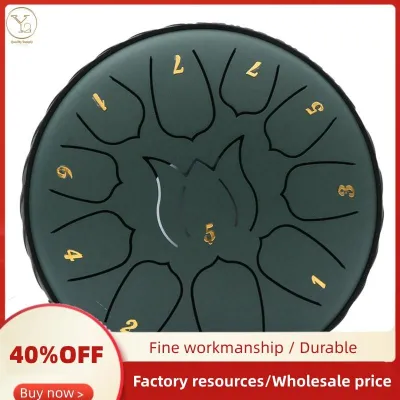
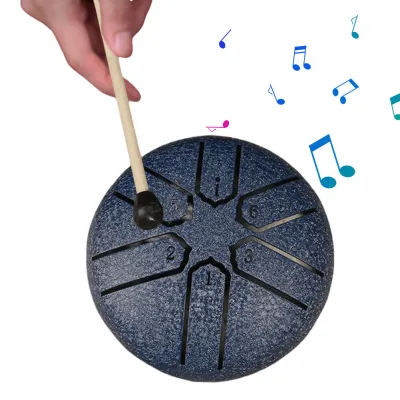
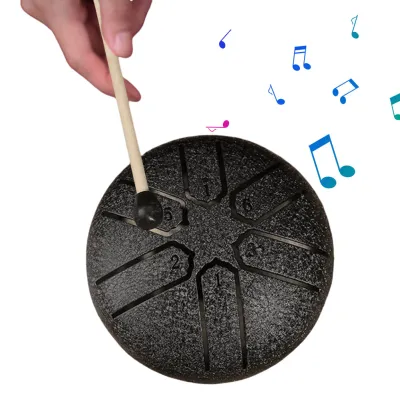
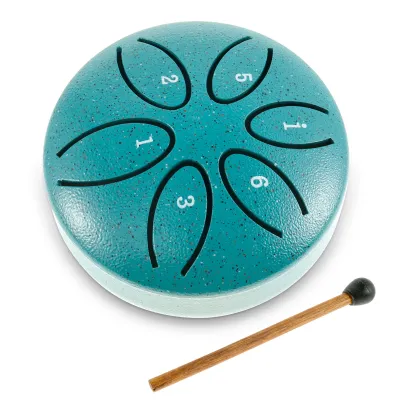

Prices are valid at publication and may change. Please refer to the product page for the latest price.
Synthetic shells, often made from fiberglass, acrylic, or high-impact plastics, offer a focused, consistent, and highly controlled tone. Because synthetic materials are manufactured to precise, uniform densities, they lack the natural variations found in wood grain or the complex harmonic overtones of hand-hammered metal. This uniformity results in a very predictable sound that is highly versatile for both daily practice and amplified live performances.
While the shell material dictates the overall resonance and projection, you must also check the manufacturer’s specifications regarding the internal beads, pellets, or pins. The material of these internal elements—whether they are metal steel shot, plastic beads, or natural seeds—interacts directly with the shell. For example, metal beads inside a metal shell will produce a sharp, metallic downpour effect, whereas plastic beads inside a synthetic shell will yield a softer, more controlled patter. Always verify these internal specifications to ensure the overall tonal combination matches your artistic vision.
Durability, Maintenance, and Environmental Factors
Environmental conditions play a critical role in the longevity and performance of your percussion instruments, especially in regions with high relative humidity. Wooden rain drums are highly susceptible to humidity and temperature fluctuations. Wood naturally breathes, absorbing moisture from damp air and releasing it in dry, air-conditioned spaces. This constant expansion and contraction can lead to warping, joint separation, or even structural cracking over time. To preserve a wooden drum, you must store it in a temperature-controlled environment, ideally with a dehumidifier or silica gel packs, and occasionally apply specialized wood conditioners or oils to maintain the integrity of the fibers.
Metal rain drums offer excellent resistance to physical impacts and are completely immune to the warping issues that plague wood. However, they present their own environmental challenges, primarily surface oxidation and rust. In humid climates, moisture in the air can react with certain metals if the protective finish is compromised. Dents from accidental drops can also chip away protective lacquers, exposing the raw metal beneath to corrosion. To maintain a metal drum, you should regularly wipe down the exterior with a dry microfiber cloth after use to remove sweat and oils, and periodically inspect the surface for any signs of finish wear.
Synthetic rain drums represent the pinnacle of durability and low-maintenance design. Impervious to moisture, humidity, and rapid temperature shifts, synthetic shells will not warp, crack, or rust. They can withstand the rigors of outdoor drum circles, school classrooms, and frequent travel without requiring specialized storage solutions or conditioning treatments. For educators, therapy practitioners, or musicians who frequently perform outdoors, synthetic models offer unmatched peace of mind. Before making a final purchase, always verify the manufacturer’s care instructions and warranty conditions, as some warranties may be voided by exposure to extreme outdoor elements or improper handling.
Budget and Value Considerations
Aligning your material choice with your budget requires looking beyond the initial purchase price to consider the long-term value and maintenance costs of the instrument. Wooden rain drums vary widely in price, largely driven by the specific type of wood used and the level of craftsmanship involved. Instruments crafted from premium hardwoods or featuring hand-carved designs command higher prices, reflecting the artistry and material costs. While these premium wooden drums hold their value well among collectors and professional therapists, they represent a significant upfront investment.
Metal rain drums generally occupy the mid-to-high price range. The cost of metal models is determined by the manufacturing processes, such as precision spinning, hand-hammering, and the application of protective anti-corrosion coatings. High-quality metal drums that offer precise tuning and durable finishes are priced to reflect their professional-grade construction. For serious musicians and recording artists, the superior projection and tonal clarity of a well-made metal drum justify the higher initial outlay.
Synthetic rain drums are typically the most cost-effective options on the market. The standardized manufacturing processes for plastics and composites allow brands to produce highly durable, consistent instruments at a fraction of the cost of wood or metal. This makes synthetic drums the preferred choice for beginners, recreational players, and educational institutions purchasing instruments in bulk. When shopping, it is highly recommended to compare current retail prices in S$ across authorized music retailers rather than relying on general online estimates, ensuring you receive a valid local warranty and authentic product support.
Material Comparison Matrix
To help you quickly evaluate the core differences between these three materials, the following matrix summarizes their key physical and acoustic properties. Keep in mind that individual product designs can vary, so you should always verify specific product specifications with the manufacturer or retailer before finalizing your purchase.
| Material | Tonal Character | Durability Level | Maintenance Needs | Best Use Case |
|---|---|---|---|---|
| Wood | Warm, earthy, natural resonance | Moderate (sensitive to humidity) | High (requires conditioning and climate control) | Sound therapy, acoustic sessions, indoor studios |
| Metal | Bright, sharp, long sustain | High (resistant to warping, prone to dents) | Moderate (requires wiping down to prevent oxidation) | Mixed ensembles, outdoor performances, live stages |
| Synthetic | Focused, consistent, controlled | Very High (weatherproof and impact-resistant) | Low (minimal wiping, highly durable) | Classrooms, outdoor travel, budget-conscious players |
Final Decision Framework
To make your final decision, evaluate your primary playing environment, acoustic needs, and physical handling preferences against these scenario-based guidelines:
- Choose Wood if: You prioritize acoustic warmth, organic aesthetics, and plan to play primarily in controlled indoor environments such as yoga studios, meditation spaces, or home recording setups where humidity can be actively managed.
- Choose Metal if: You need a bright, projecting sound that can cut through other instruments, value long sustain, and require a physically robust instrument for diverse performance settings.
- Choose Synthetic if: You need a highly weather-resistant, low-maintenance, and budget-conscious instrument that can withstand outdoor travel, classroom environments, or frequent transport without risk of damage.
Before completing your purchase, verify if you have specific ergonomic, weight, or mounting requirements. The density of the material significantly affects the instrument’s overall weight; for instance, a thick-walled metal or hardwood drum will be substantially heavier than a synthetic counterpart of the same size. If you plan to hold the drum for extended periods during performances or mount it on a standard percussion stand, ensure the weight and mounting compatibility align with your physical comfort and existing hardware.
Frequently Asked Questions (FAQ)
Can I use a wooden rain drum outdoors in humid weather?
Using a wooden rain drum outdoors in highly humid weather is generally not recommended due to the risk of moisture absorption. Wood is a hygroscopic material, meaning it naturally absorbs water vapor from the surrounding air, which can cause the shell to swell, warp, or lose its structural integrity. Prolonged exposure to high humidity can also dull the acoustic resonance of the wood, resulting in a flat, muddy sound. If you must perform outdoors, it is highly advisable to choose a synthetic or properly sealed metal alternative. Always check the specific product’s weather-resistance rating and manufacturer guidelines to understand the environmental limits of your instrument.
Does the material of the rain drum affect its weight?
Yes, the material of the rain drum has a direct impact on its overall weight and portability. Metal drums, particularly those made from steel or brass, tend to be the heaviest due to the high density of the material. Hardwood drums also carry significant weight, whereas softwood and synthetic models are considerably lighter. Considering the weight profile is crucial if you plan to use the drum for marching, hold it for prolonged periods during sound therapy sessions, or mount it on a lightweight percussion stand. Always review the product specifications for the exact weight before purchasing to ensure it meets your physical handling requirements.
Community discussion
Share your experience or ask a question. Comments are reviewed before publication.