
Quick Answer: Wound vs Unwound Low G Strings
Choosing between a wound and an unwound low G string comes down to a balance of tone, physical feel, and your ukulele’s physical setup. The core difference lies in their construction: wound strings feature a thin metal wire wrapped around a synthetic core, while unwound strings consist of a single, solid strand of synthetic material like fluorocarbon or nylon.
Select a wound low G string if you want a warm, resonant, piano-like bass tone with excellent sustain. This option is physically thinner, meaning it usually fits into standard ukulele nut slots without any modifications to the instrument.
Select an unwound low G string if you prefer a bright, percussive, and cohesive tone that matches the other three strings. Unwound strings offer a completely smooth surface under your fingers, eliminating the sliding squeaks common with metal-wound strings, though they require a much thicker physical diameter to achieve the lower pitch.
Products mentioned in this guide
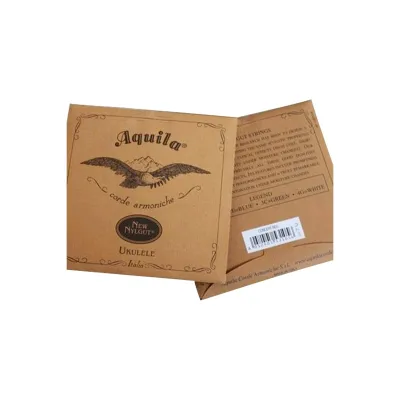
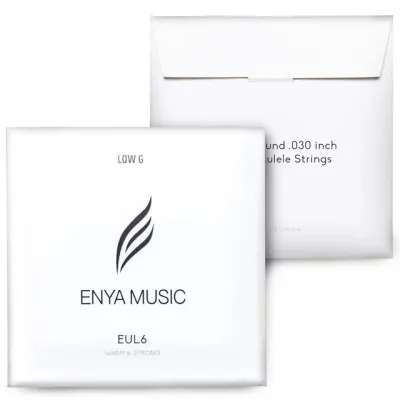
![[Fast and Free Delivery] Enya Ukulele Low G String Fluorocarbon And Brass Wound String For Soprano Concert Tenor Ukulele](https://img.lazcdn.com/g/p/539b142a9274b03dae4c7a50004bc759.jpg_webp_400x400q80.jpg_.webp)

Prices are valid at publication and may change. Please refer to the product page for the latest price.
Why Switch to a Low G String?
Standard ukuleles utilize re-entrant tuning, where the fourth string (high G) is tuned higher than the third string (C). This configuration produces the classic, breezy, and high-pitched sound traditionally associated with the instrument. Linear low G tuning replaces this high string with one tuned an octave lower, creating a continuous ascending pitch sequence from the fourth string to the first.

Switching to a low G expands your instrument’s range by five semitones, opening up deeper bass notes that are highly beneficial for solo arrangements and classical pieces. This linear layout makes playing chord melodies more intuitive, as bass lines can descend naturally rather than jumping up an octave. It also provides fuller, more guitar-like voicings when strumming, giving your accompaniment a richer foundation.
However, linear tuning is not always the ideal choice for every player. If your primary goal is to play traditional Hawaiian music or styles that rely on the “campanella” technique—where notes ring out across multiple strings like a carillon—the standard high G is indispensable. The high octave gives the ukulele its signature rhythmic “bark” during fast strumming, which can be lost when transitioning to a deeper bass register.
Tone and Sound Characteristics
Wound low G strings are known for their warm, robust, and highly resonant acoustic profile. Because the metal winding adds significant mass to the string, it vibrates with greater energy and sustain, producing a deep fundamental tone. This added projection helps the low G stand out, creating a balanced volume level across all four strings, particularly on larger tenor-sized ukuleles.
Unwound low G strings offer a brighter, more percussive sound that blends seamlessly with the rest of your string set. Because they are made of the same synthetic material as the other strings, they maintain a consistent tonal character across the entire fretboard. However, because solid synthetic materials are less dense than metal, an unwound low G can sometimes sound slightly quieter, softer, or less resonant on the low end.
This difference in density introduces a volume balance challenge that every player should consider. A thick unwound string may lack the projection needed to carry bass lines, making your lower notes sound somewhat muffled or dull. Conversely, a highly resonant metal-wound string can sometimes overpower the higher unwound strings, making your overall strumming sound muddy or excessively bass-heavy.
To find the right balance, always check the string material labels and manufacturer descriptions before buying. Fluorocarbon strings tend to be denser and brighter, offering better projection in an unwound format, while nylon strings provide a warmer, softer response. Titanium-infused polymers and other synthetic blends offer intermediate options that can help you fine-tune your instrument’s acoustic output.
Playability and Physical Feel
The physical texture of your strings directly impacts your playing comfort and technique. Wound strings feature a textured outer surface created by the metal wrapping. When you slide your fingers along a wound string, this texture can produce a noticeable squeaking noise, which can be distracting during quiet acoustic performances or studio recording sessions.
Unwound strings are completely smooth, offering a silent and uniform feel across the entire fretboard. If you perform a lot of slides, hammer-ons, or pull-offs, the smooth surface of an unwound string allows your fingertips to glide effortlessly without any friction or unwanted noise. This makes them highly popular among players who prefer a quiet, traditional playing experience.
String thickness and tension also vary dramatically between the two types. Because metal is dense, a wound string can achieve the low G pitch at a relatively thin diameter. Unwound strings must be significantly thicker to reach the same pitch at an acceptable tension. This extra thickness can make the string feel stiff or bulky under your fingers, and if the material density is too low, it may feel floppy and unresponsive.
Your strumming and picking style should also influence your choice. The textured surface of a wound string can feel rough on bare fingers or fingernails during rapid strumming, sometimes causing mild irritation over long playing sessions. Unwound strings provide a consistent, smooth feel across all four strings, which many players find more comfortable for traditional fingerstyle and strumming techniques.
Ukulele Compatibility and Setup Checks
Before installing a low G string, you must perform a few physical checks to ensure your ukulele can accommodate the change without buzzing or structural issues. The most critical area to inspect is the nut slot width. Standard ukuleles are slotted for a thin high G string, and a thick unwound low G string will often sit on top of the slot rather than sliding into it.
When a string sits too high in the nut slot, it raises the action at the first fret, making chords difficult to press down and causing the notes to play sharp. A thin wound low G string usually fits into standard nut slots without any adjustment. If you choose a thick unwound string, you may need to have the nut slot professionally widened to ensure the string seats properly.
Next, examine your bridge and tie-block clearance. If your ukulele uses a tie-block bridge, a thick unwound string can be difficult to thread through the small hole and may require a double-loop knot to prevent it from slipping. For slot-style bridges, ensure the slot is wide enough to hold the knot of a thicker string securely without causing damage to the bridge plate.
Changing the mass and tension of your fourth string can also affect your instrument’s intonation. Because thicker strings stretch differently when pressed against the frets, you should check your tuning accuracy at the 12th fret after installation. If the note at the 12th fret is significantly sharp or flat compared to the open string, your instrument’s saddle compensation may need adjustment.
Always consult a qualified luthier or your ukulele’s manufacturer before filing nut slots, modifying the bridge, or making any permanent structural changes. Improper modifications can ruin the playability of your instrument or void its warranty, so professional guidance is highly recommended if you are unsure about making these adjustments yourself.
Decision Framework: Which Low G String Should You Buy?
To finalize your decision, evaluate your specific playing style, instrument setup, and tonal preferences against this practical checklist.
Choose a Wound Low G String if:
- You want a warm, resonant, guitar-like bass response with long sustain.
- You primarily play fingerstyle, classical, or jazz arrangements where distinct bass lines are essential.
- You want a drop-in replacement that fits standard nut slots without any physical modifications to your ukulele.
- You do not mind occasional finger squeak or the textured feel of metal under your fingertips.
Choose an Unwound Low G String if:
- You prefer a bright, cohesive, and traditional ukulele tone across all four strings.
- You want to avoid finger squeak entirely for clean recordings and quiet performances.
- You prefer a smooth, uniform physical feel across the entire fretboard.
- You are comfortable having your ukulele's nut slot professionally widened if the thick string does not fit.
Verify These Factors First:
- Check your ukulele's bridge style to ensure it can accommodate a thicker string diameter.
- Inspect the current width of your nut slots to see if a wound or unwound string is a better physical fit.
- Confirm the manufacturer's recommended tension limits for your instrument, especially if you play a delicate, lightly braced custom ukulele.
Always purchase dedicated low-G single strings or complete low-G sets designed specifically for your ukulele’s scale length (soprano, concert, tenor, or baritone). Attempting to use random strings or guessing with incorrect gauges can result in poor intonation, high action, or excessive tension that could warp your instrument’s neck over time.
Frequently Asked Questions (FAQ)
Can I mix a wound low G with unwound higher strings?
Yes, mixing string types is a very common practice. Many pre-packaged low G string sets actually feature a wound low G paired with unwound fluorocarbon or nylon C, E, and A strings. This hybrid configuration allows you to enjoy the deep, resonant bass of a wound string while maintaining the bright, traditional treble tones of unwound strings on the higher registers. When mixing, just ensure the overall tension is balanced so the low G does not physically overpower or sound tonally disconnected from the rest of the set.
Do I need to adjust my ukulele when switching from high G to low G?
In many cases, some minor adjustments are necessary. Because a low G string is physically different from a standard high G, you will likely need to check how it sits in the nut slot. An unwound low G is significantly thicker and will often require the nut slot to be widened so the string can seat properly at the correct height. Additionally, the overall tension on the neck will change slightly, so you should monitor the neck relief and action to ensure the instrument remains comfortable to play.
Community discussion
Share your experience or ask a question. Comments are reviewed before publication.