
After turning the final page of Legend of the Condor Heroes, readers are often left with a deep craving for more of the high-stakes martial arts, rich historical tapestries, and profound chivalric codes that define the wuxia genre. Fortunately, this masterpiece is merely the gateway to a vast literary universe. To continue your journey, you can dive straight into the direct sequels of the Condor Trilogy, explore other legendary works by the same author, or branch out into the distinct styles of other classic and contemporary masters.
For those seeking their next great read, the path forward depends on which elements of Guo Jing and Huang Rong’s adventure resonated most. Whether you prefer historically accurate epics, fast-paced martial arts mysteries, or modern progression fantasy, there is a wealth of translated literature and regional historical fiction waiting to be discovered.
Understanding the Core Appeal of the Condor Trilogy
To choose your next book effectively, it helps to analyze what made Legend of the Condor Heroes so compelling. At its heart, the novel succeeds by weaving fictional martial artists into the real-world historical conflict between the Southern Song Dynasty, the Jurchen Jin Empire, and the rising Mongol Empire under Genghis Khan. This integration of genuine history lends an epic scale to the narrative, making the personal struggles of the characters feel deeply consequential to the fate of nations.
Products mentioned in this guide
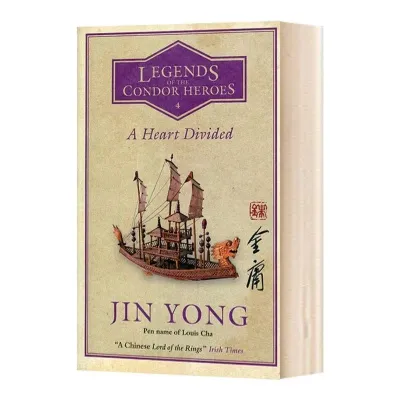
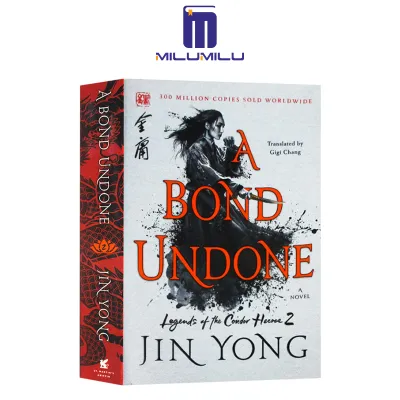
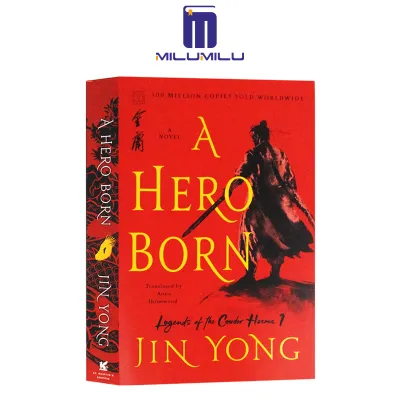
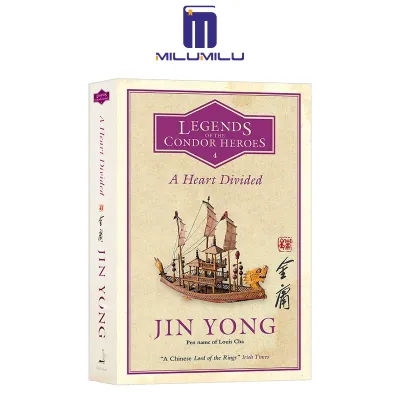
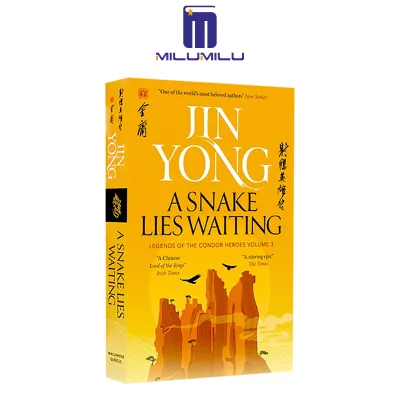
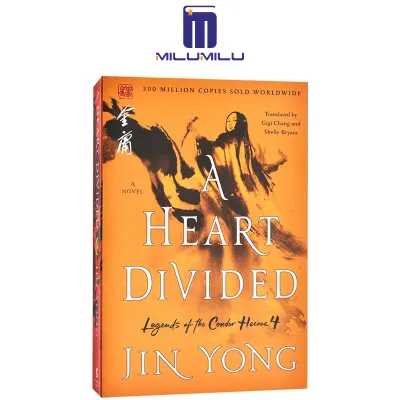
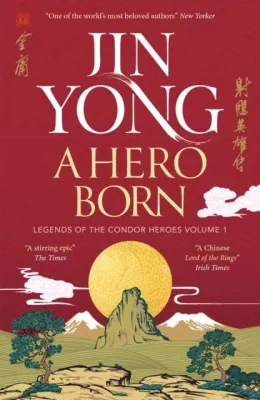
Prices are valid at publication and may change. Please refer to the product page for the latest price.
Another major draw is the classic progression of the protagonist. Guo Jing’s journey from a slow-witted, clumsy youth in the Mongolian steppes to a legendary master of the Eighteen Subduing Dragon Palms is the ultimate “zero-to-hero” archetype. This slow, methodical accumulation of martial power, internal energy, and philosophical wisdom provides a highly satisfying narrative arc that keeps readers turning pages.
The moral framework of the story, known as the chivalric code, also plays a crucial role. Wuxia heroes are not merely skilled fighters; they are bound by a strict sense of justice, honor, and social responsibility. This code often forces characters into tragic dilemmas where their personal desires, romantic relationships, and family loyalties clash directly with their duty to protect the innocent and defend their homeland.
Finally, the vibrant cast of supporting characters—from the eccentric Seven Freaks of Jiangnan to the formidable Five Greats—creates a living, breathing world. The playful, brilliant intelligence of Huang Rong perfectly balances Guo Jing’s stubborn honesty, establishing a romantic partnership that remains one of the most beloved in Chinese literature. Identifying which of these elements you enjoyed most will help you select a follow-up novel that matches your reading preferences.
Exploring Classic Wuxia Masters
The most direct path after finishing the first book is to complete the rest of the Condor Trilogy written by Jin Yong. The second book, The Return of the Condor Heroes, takes place several years later and shifts the focus to Yang Guo, the orphaned son of Yang Kang, and his forbidden romance with his martial arts teacher, Xiaolongnu. This installment is much more emotionally intense and romantic, focusing on societal rebellion, personal trauma, and the heavy burden of heroic legacies.

The final chapter of the trilogy, The Heaven Sword and Dragon Saber, leaps forward nearly a century to the twilight of the Yuan Dynasty. It follows a new protagonist, Zhang Wuji, as he becomes embroiled in the power struggles between various martial arts sects and the rebel forces fighting to overthrow the Mongol rulers. While it features a new cast of characters, the legendary weapons of the title are forged from the very swords used by the heroes of the previous books, tying the entire trilogy together in a grand historical cycle.
Beyond the Condor Trilogy, Jin Yong’s other masterpieces offer incredible depth. Demi-Gods and Semi-Devils is a massive, multi-perspective epic set during the Northern Song Dynasty that explores Buddhist themes of desire, fate, and suffering through the eyes of three distinct protagonists. If you prefer a story that critiques the political corruption of the martial arts world, The Smiling, Proud Wanderer is a brilliant, satirical novel about a carefree swordsman who is caught in the crossfire of power-hungry orthodox and unorthodox sects.
To experience a completely different style of classic wuxia, readers should explore the works of Gu Long. While Jin Yong’s novels are sweeping historical epics with detailed martial arts choreography, Gu Long’s stories are fast-paced, atmospheric, and heavily influenced by Western detective fiction and film noir. His characters are often lonely, melancholic figures who value wine, friendship, and quick, lethal duels. The Sentimental Swordsman, Ruthless Sword is an excellent starting point, featuring a protagonist who fights with unmatched speed but struggles with deep emotional wounds.
Another foundational pillar of the genre is Liang Yusheng, who is widely credited with pioneering the modern wuxia movement. Liang’s writing is deeply poetic, traditional, and historically grounded, often featuring strong female protagonists and complex political intrigue. His most famous work, The Bride with White Hair, blends a tragic romance between star-crossed lovers from opposing factions with the turbulent politics of the late Ming Dynasty, offering a beautiful and melancholic reading experience.
Discovering Contemporary and Modern Wuxia
As the literary landscape has shifted from print newspapers to digital platforms, the wuxia genre has undergone a significant evolution. Modern writers have expanded the traditional boundaries of the martial arts underworld, leading to the rise of web novels, progression fantasy, and cultivation fantasy. These contemporary subgenres incorporate elements of Taoist mythology, spiritual alchemy, and cosmic power scales, appealing to readers who enjoy the detailed training sequences of traditional wuxia but want a grander, more fantastical setting.
For readers who loved the martial arts progression of Guo Jing, modern progression fantasy novels are an excellent alternative. These stories focus heavily on the mechanics of training, the refinement of internal energy, and clear stages of martial advancement. Many of these works are written by international authors who blend Eastern martial arts philosophy with Western fantasy structures, creating a highly accessible entry point for modern readers.
In Southeast Asia, particularly in Singapore, the spirit of wuxia has influenced a unique wave of historical fiction and martial arts literature. Local authors and regional publishers have crafted stories that transplant the chivalric codes of the genre to the historical backdrop of maritime Southeast Asia. These works often explore the lives of Chinese immigrants, martial arts masters, and secret society members during the colonial era, blending traditional kung fu styles with local martial arts like silat. Reading these regional adaptations offers a fresh perspective on how the values of honor, justice, and community defense adapted to new cultural landscapes.
When exploring modern translations and serialized web novels, it is important to establish clear criteria for quality. Because many contemporary works are published as ongoing web serials, they can vary significantly in translation quality, pacing, and editorial polish. To ensure a satisfying reading experience, look for completed series, professionally edited translations, or works published by licensed digital platforms that support the original creators.
How to Select and Purchase Your Next Wuxia Edition
Acquiring your next wuxia novel requires a bit of research to ensure you get a high-quality edition. Because these stories are deeply rooted in historical context, classical poetry, and complex martial arts terminology, the quality of the translation is paramount. A poor translation can make the narrative feel clunky and confusing, while a skilled translation preserves the poetic flow and emotional resonance of the original text.
When choosing a format, consider your reading habits and storage space. Physical box sets of translated epics make beautiful additions to any bookshelf and often include helpful supplementary materials like maps, character lists, and historical glossaries. However, if you prefer reading during your daily commute in Singapore, individual paperbacks or digital editions are much more practical. Local bookstores and specialized regional distributors are excellent places to find authorized English translations of classic Chinese literature.
Before making a purchase, verify the translator’s credentials and the publication history of the edition. For example, the highly acclaimed English translation of Legend of the Condor Heroes published by MacLehose Press is celebrated for its ability to translate complex martial arts moves and historical titles into natural, engaging English. Check if the edition you are buying is an authorized, unabridged translation rather than a heavily condensed adaptation that cuts out important character development or world-building details.
For digital readers, it is essential to check device compatibility, file formats, and regional restrictions. Some e-book platforms restrict access to specific translated titles based on your geographical location, so ensure the digital edition is licensed for your region before purchasing. If you enjoy audiobooks, listen to a sample first to verify that the narrator’s pronunciation of Chinese names, historical titles, and martial arts techniques is accurate and consistent throughout the recording.
Frequently Asked Questions (FAQ)
Do I need to read the Condor Trilogy in order?
While each novel in the Condor Trilogy features a self-contained main plot and a different protagonist, it is highly recommended to read them in chronological order: Legend of the Condor Heroes, The Return of the Condor Heroes, and The Heaven Sword and Dragon Saber. Reading them in sequence allows you to fully appreciate the generational character arcs, the evolution of legendary martial arts techniques, and the long-term historical consequences of the characters’ actions. If you skip ahead, you will miss the deep emotional weight of seeing beloved characters grow old, pass down their legacies, or become legendary figures of the past.
Where can I find reliable English translations of wuxia novels?
Authorized English translations of classic wuxia novels can be purchased through major global publishing houses, official online marketplaces, and established local bookstores. Look for editions published by reputable presses that specialize in translated Asian literature. Avoid unauthorized translation sites or platforms that rely on unedited machine translations, as these often strip away the poetic nuance, historical accuracy, and complex philosophical underpinnings that make wuxia a celebrated literary genre.
Community discussion
Share your experience or ask a question. Comments are reviewed before publication.