
Choosing your first digital piano is a pivotal step in your musical journey. With major manufacturers like Yamaha, Casio, and Roland dominating the entry-level market, finding the right instrument requires balancing your personal learning goals, budget, and living space. Each brand approaches beginner instruments with a distinct design philosophy. Yamaha emphasizes traditional acoustic replication and structured educational integration. Casio focuses on space-saving portability, modern app connectivity, and highly accessible pricing. Roland prioritizes expressive sound engines and robust build quality designed for long-term progression. To make an informed decision, you must evaluate how their key actions, sound generation, and physical formats align with your personal learning path.
Defining Your Beginner Needs and Learning Goals
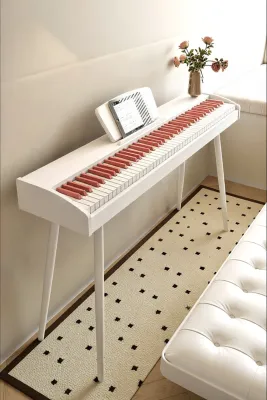
Before comparing specific brands, clarify your primary constraints and objectives. First, assess your physical space and portability needs. In high-density living environments, such as typical apartments in Singapore, space is often at a premium. A fixed furniture-style digital piano provides a stable, traditional look and integrated pedals, but it requires a dedicated, permanent spot in your home. Conversely, a portable slab-style keyboard can be placed on a folding stand and stored away or moved easily, making it ideal for smaller living spaces or shared rooms.
Second, establish a clear budget. Entry-level digital pianos generally range from around S$500 to S$1,500. Understanding what features justify a higher price tier—such as fully weighted keys, superior speaker systems, or advanced wireless connectivity—will prevent you from overspending on features you do not need, or conversely, buying an instrument you will quickly outgrow.
Products mentioned in this guide
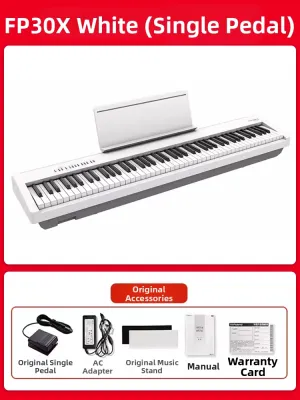
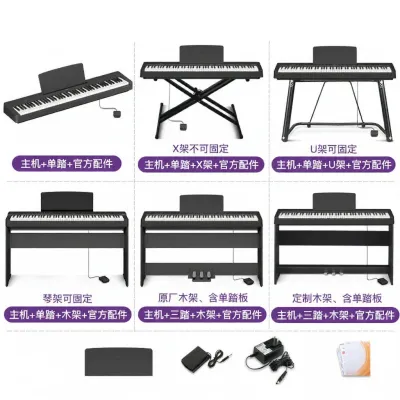
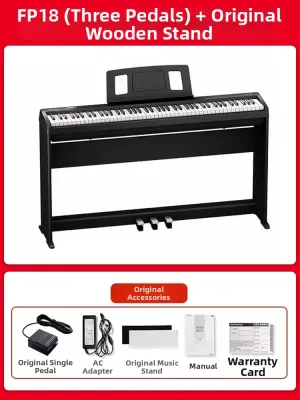
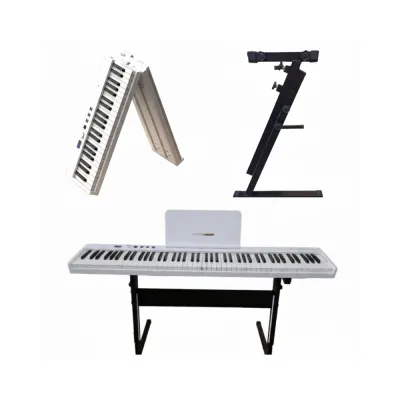
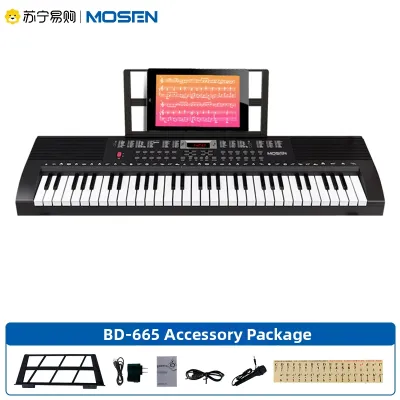
![[✅SG Ready Stock] 61 Key High Quality Music Keyboard Piano kids toys new player beginner Electric Piano](https://img.lazcdn.com/g/p/1f34b80fc1c4ffa462a06ed0ad2ca2fd.jpg_400x400q80.jpg_.webp)
Prices are valid at publication and may change. Please refer to the product page for the latest price.
Third, identify your musical goals. If you plan to study classical piano technique under a formal curriculum, you will need an instrument that closely mimics the physical resistance and key return of an acoustic piano. If your interest lies in casual playing, songwriting, or music production, you may prioritize digital features, MIDI connectivity, and a wider variety of instrument voices over a heavy key action.
Brand Strengths: Yamaha vs Casio vs Roland
Each of these three major manufacturers has established a distinct reputation in the musical instrument industry. These reputations are built on historical design trends and engineering philosophies, meaning you should always verify the exact specifications of a specific model before purchasing.

Understanding each brand’s general approach helps narrow down your options. Yamaha, Casio, and Roland target different aspects of the beginner experience, from traditional touch to modern digital integration. By analyzing their core design philosophies, you can better predict which brand’s lineup will align with your learning style and environment.
Yamaha: Traditional Acoustic Feel and Education
Yamaha leverages its extensive history of manufacturing acoustic grand pianos to design its digital instruments. Their entry-level models typically focus on replicating the physical resistance and acoustic resonance of a traditional piano. This makes them a popular choice for students who take formal lessons and need to transition smoothly between their home practice instrument and their teacher’s acoustic piano.
Many beginner-focused Yamaha instruments feature key actions designed to feel heavier in the lower register and lighter in the higher keys, mimicking the natural behavior of acoustic hammers. They also emphasize clean, acoustic piano samples recorded from their own concert grands.
For structured learning, Yamaha frequently integrates built-in educational tools, metronomes, and compatibility with proprietary learning applications like Smart Pianist. When reviewing a Yamaha spec sheet, look for terms describing their weighted key actions and check the polyphony rating to ensure it supports your growing repertoire.
Casio: Value, Portability, and Smart Features
Casio has carved out a strong position by offering highly accessible, space-saving instruments that do not compromise on essential learning features. Their beginner lines, such as the Privia and CDP series, are often characterized by slim, lightweight profiles that fit easily into compact apartments or temporary setups.
In addition to portability, Casio emphasizes modern digital connectivity. Many of their entry-level models feature Bluetooth audio and MIDI capabilities, allowing seamless integration with interactive learning apps like Casio Music Space and digital audio workstations. This makes them highly appealing to self-directed learners who enjoy gamified practice sessions.
While Casio offers excellent value, buyers should carefully check the speaker output wattage and the specific key action mechanism on entry-level models. Ensure the key texture and resistance meet your personal preferences for daily practice, as some ultra-slim models compromise slightly on key depth to maintain their compact form factor.
Roland: Expressive Sound and Long-Term Durability
Roland is widely recognized for its focus on advanced sound modeling technology and robust build quality. Instead of relying solely on static audio recordings, Roland’s sound engines often model the complex physical interactions of an acoustic piano in real time, creating a more dynamic and responsive auditory experience.
This approach provides a highly expressive dynamic range, allowing beginners to develop a nuanced touch and control over their volume and tone. Roland’s key actions, such as the PHA-4 Standard keyboard, are designed to be highly responsive, often featuring simulated ivory textures to prevent fingers from slipping during long practice sessions.
Their instruments are built to endure years of regular use, making them suitable for players who want an instrument that will support them well past the beginner stage. When evaluating entry-level Roland models, verify the specific generation of their sound engine and check the compatibility of included sustain pedals, as some entry-level packages may require upgrades to unlock full pedal expression.
Comparing Key Specifications for Beginners
To make an objective comparison, you must look past marketing terms and evaluate the technical specifications listed on manufacturer spec sheets. Understanding these technical details will help you compare models across different brands on an equal footing.
Key Action: This is the most critical factor for a beginner. Non-weighted keys offer no resistance and are common on basic electronic keyboards. Semi-weighted keys provide light resistance using springs. Fully weighted hammer actions use actual weights to simulate the mechanical movement of an acoustic piano hammer. For classical learning and proper finger strength development, a full 88-key keyboard with fully weighted hammer action is highly recommended. Look for terms like “graded” or “scaled” hammer action, which indicate that the keys are heavier on the left and lighter on the right.
Sound Engine and Polyphony: Polyphony refers to the maximum number of individual notes or voices the digital piano can produce simultaneously. When you play a chord and hold down the sustain pedal, each note continues to sound, consuming polyphony. If the polyphony limit is too low, older notes will be cut off abruptly. Look for a minimum of 64-note polyphony, though 128-note or higher is preferable for complex pieces and layered sounds.
Connectivity and Pedals: Modern digital pianos should offer a USB-to-Host port or Bluetooth MIDI to connect to computers, tablets, or smartphones for educational apps. Additionally, ensure the instrument includes a sustain pedal input. Some entry-level packages include a basic plastic footswitch, but upgrading to a physical pedal that resembles an acoustic piano pedal will greatly improve your playing experience and help you develop proper pedaling technique.
Use the official manufacturer spec sheets to compare these three dimensions directly across your candidate models, ensuring you get the best balance of features for your budget.
Decision Framework: Matching Brand to Your Profile
To simplify your decision, match your personal profile and constraints to the typical strengths of each brand. This framework helps you identify which manufacturer’s design priorities align with your immediate and long-term goals.
Choose Yamaha if: You prioritize a traditional acoustic feel, plan to follow a classical piano curriculum, and want an instrument backed by a brand with deep roots in acoustic piano manufacturing. This path is ideal for students working with a private tutor who expects a highly traditional touch and tone.
Choose Casio if: You are working with a strict budget, have limited space in your home, or need an instrument that is easy to transport. This is also an excellent choice if you prefer to learn independently using interactive mobile apps and value modern wireless connectivity.
Choose Roland if: You value expressive sound dynamics, want an instrument that will last for years without needing an upgrade, and prefer a robust, durable build. This suits dedicated beginners who are willing to invest slightly more upfront for long-term playability.
Verify first if: You are uncertain about how different key actions feel under your fingers. It is highly recommended to visit local authorized music retailers to test the physical keys of various models in person before making a final purchase.
Purchasing Checklist and Verification Steps
Once you have selected a brand and model, follow these steps to ensure a safe and successful purchase:
Buy exclusively from authorized music retailers or official brand stores. This ensures you receive a genuine product, a valid local warranty, and access to reliable customer support. Avoid unauthorized third-party sellers on online marketplaces where warranty coverage may be void or difficult to claim.
Verify the exact model number and what is included in the box. Some packages are sold as “slab only,” requiring you to purchase a stand, bench, and sustain pedal separately, while others are sold as complete bundles. Always check that the power supply is compatible with local voltage standards (such as the standard UK 3-pin plug used in Singapore).
Review the retailer’s return policy and trial period. Because key action and sound are highly subjective, having the option to exchange or return the instrument if it does not suit your touch provides valuable peace of mind.
Frequently Asked Questions (FAQ)
Do I need an 88-key weighted keyboard as a beginner?
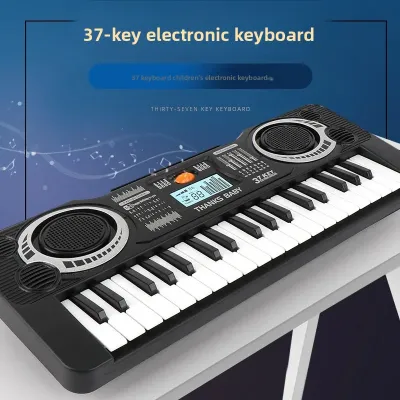
Yes, if your goal is to learn traditional piano technique or classical music. An 88-key layout ensures you will not run out of keys as your pieces become more complex. Fully weighted keys are essential for building the finger strength, control, and muscle memory required to transition smoothly to an acoustic piano. However, if you only plan to play casual pop melodies, use the keyboard as a MIDI controller for music production, or are buying for a very young child, a smaller 61-key or 76-key unweighted keyboard may suffice as a starting point.
Can I use a digital piano with learning apps?
Most modern digital pianos can connect to learning applications on tablets or computers. To do this, verify that the instrument has a USB-to-Host port (often a USB Type-B port) or built-in Bluetooth MIDI. You will also need to check the compatibility requirements of your chosen learning app to ensure it supports the operating system of your device and the MIDI output of your specific digital piano model.
Community discussion
Share your experience or ask a question. Comments are reviewed before publication.