
Starting to learn the drums is an exciting milestone, but for beginners in Singapore, the journey begins with a practical decision: finding an instrument that fits both your learning goals and your living space. Yamaha has long been a staple in music schools and home studios, offering a range of entry-level kits designed to balance durability with playability. Choosing the right set requires looking beyond the brand name to evaluate how a kit’s physical footprint, noise level, and hardware specifications align with your specific environment.
Rather than declaring a single best model, the ideal choice depends on your living situation, budget, and practice constraints. By understanding the key differences between acoustic and electronic setups, and knowing what hardware details to verify, you can select a kit that supports your musical growth without causing unnecessary friction in your home.
Assessing Your Space and Noise Constraints
In Singapore, where high-density apartment living in HDB flats or condominiums is the norm, noise and vibration are the most critical factors when choosing a drum kit. Acoustic drums are naturally loud, often exceeding 100 decibels, which can easily penetrate concrete walls and floors. Even if you practice during permitted hours, the sheer volume of an acoustic kit can strain neighborly relations and limit your practice time.
Products mentioned in this guide
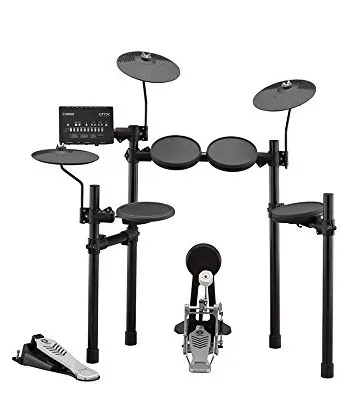
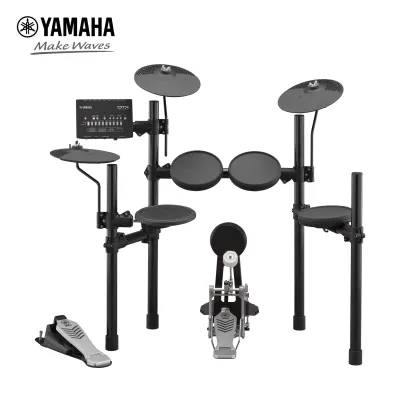
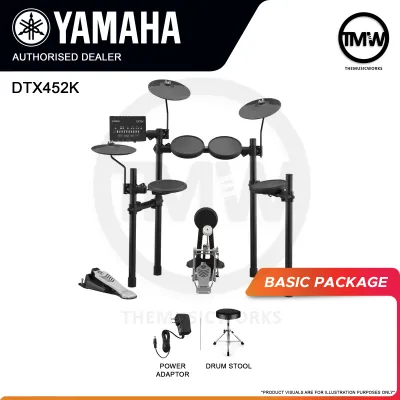
![Yamaha DTX6KX Electronic Drums DTX6K-X DTX 6K X Digital Drum DTX 6KX DTX6 The Music Works Store [LIMITED STOCK]](https://img.lazcdn.com/g/p/b6a8ffb94630b560f5e937d7664610bc.jpg_400x400q80.jpg_.webp)
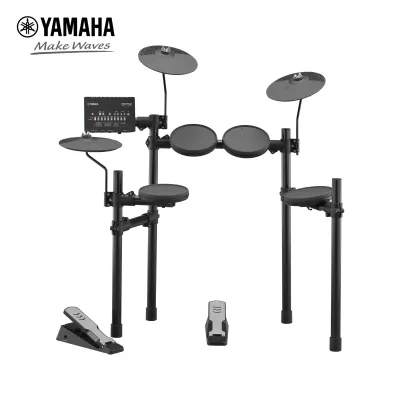
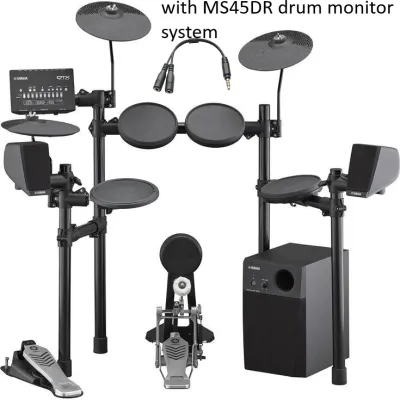
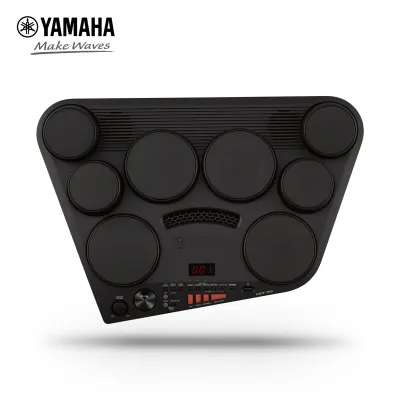
Prices are valid at publication and may change. Please refer to the product page for the latest price.
Electronic drum kits offer a practical alternative for silent practice, allowing you to route the sound directly to headphones. However, players must realize that electronic kits are not completely silent. The physical impact of wooden sticks hitting rubber or silicone pads, and especially the downward force of the bass drum pedal, creates low-frequency vibrations. These vibrations travel through the building’s structure and can sound like a dull thudding to neighbors living directly below you.
To mitigate this impact noise, many local drummers construct a sound-dampening platform, often referred to as a tennis ball riser, or use specialized acoustic mats designed to absorb structural vibrations. If you are fully committed to an acoustic kit, you will need to invest in heavy-duty dampening accessories. This includes mesh drumheads and low-volume practice cymbals, which significantly reduce the acoustic output while preserving a more traditional playing feel.
Physical space is another major constraint. A standard acoustic drum setup typically requires a dedicated area of at least 1.5 by 1.5 meters to accommodate the shells, cymbal stands, and the drummer’s throne. Electronic kits generally feature a more compact, adjustable rack system that can fit into tighter corners or even be partially folded away when not in use. Measuring your designated practice space before browsing kits ensures you select a setup that allows for proper ergonomic positioning without blocking walkways.
Core Specifications to Check in Entry-Level Yamaha Kits
When evaluating entry-level Yamaha drum kits, understanding the technical specifications of the hardware and materials will help you make an informed investment. For acoustic kits, the type of wood used in the shells directly influences the tone and resonance. Entry-level models often utilize poplar, a lightweight wood that produces a soft, warm tone with a boosted high-end, making it highly forgiving for beginners. Higher-tier beginner or intermediate kits may feature birch, which offers a brighter, punchier sound with excellent projection, though at a higher price point.

Hardware durability is another essential consideration. Drumming involves repetitive physical impact, meaning the stands, mounts, and pedals must withstand constant force. Look for double-braced legs on cymbal and snare stands, as they provide superior stability compared to single-braced alternatives. The bass drum pedal should have a solid steel base plate and a smooth chain-drive mechanism to ensure consistent response and longevity as your footwork develops.
For electronic kits, the drum module—often called the “brain”—is the core component to analyze. A good beginner module should feature a built-in metronome with adjustable time signatures to help you develop a steady sense of rhythm. Look for integrated coaching or training functions, which offer interactive exercises to grade your timing and stroke consistency. Connectivity options are equally vital; ensure the module has an auxiliary input to play along with backing tracks from your phone, and a USB-to-Host port for MIDI or audio transfer to a computer.
Finally, always verify the exact configuration of the package you are purchasing. Some entry-level kits are sold as “shell packs,” which include only the wooden drum shells and mounting hardware, leaving you to purchase cymbals, stands, and a drum throne separately. Other packages are complete “all-in-one” bundles. Carefully reading the product description prevents the disappointment of unboxing a kit only to find you cannot play it immediately.
Navigating Yamaha's Beginner Drum Series
Yamaha categorizes its percussion instruments into distinct acoustic and electronic product families, each tailored to different learning environments and budgets. Understanding these divisions allows you to narrow down your options based on whether you require physical acoustic feedback or digital versatility. Because product lineups, model numbers, and bundled accessories can change, it is essential to verify current availability and exact box contents with local retailers in Singapore before making a final decision.
Acoustic Options for Traditional Feel
For beginners who have access to a dedicated practice space or a soundproofed room, Yamaha’s entry-level acoustic kits provide an authentic physical response that electronic pads cannot fully replicate. These kits typically feature standard five-piece configurations, consisting of a bass drum, a snare drum, two rack toms, and a floor tom. Sizing is an important factor; a kit with a 20-inch bass drum is often more manageable for younger players or tighter spaces, while a traditional 22-inch bass drum offers a deeper, more powerful resonance.
The factory-installed drumheads on entry-level acoustic kits are generally single-ply heads designed for basic setup and initial tuning. While they are perfectly adequate for learning the basics, they may wear out quickly under heavy play or struggle to hold precise tuning over time. Upgrading to high-quality aftermarket drumheads after a few months of practice can dramatically improve the kit’s overall sound quality without requiring a costly upgrade to the shells themselves.
When purchasing an acoustic kit, pay close attention to the inclusion of cymbals. Many entry-level acoustic sets do not include cymbals or a drum throne in the base price. You will need to check if the package includes a basic cymbal set (typically a pair of hi-hats and a crash-ride cymbal) and the necessary stands, or if you must budget separately for these essential components.
Electronic Options for Silent Practice
For the majority of home learners in Singapore, electronic drum kits represent the most practical path forward. These kits utilize electronic trigger pads that send signals to a central module, which translates the physical strikes into digital drum sounds. The material of the pads plays a massive role in both playability and cost. Entry-level electronic kits often feature rubber pads, which are highly durable and cost-effective but offer a firmer rebound that can feel stiff compared to a real drumhead.
Higher-tier electronic options may incorporate Yamaha’s proprietary Textured Cellular Silicone pads or mesh heads. These pads are designed to mimic the natural playability and rebound of an acoustic drum while remaining exceptionally quiet, reducing the physical “clack” sound of wooden sticks. When evaluating electronic kits, check the module’s connectivity features. A USB audio/MIDI interface allows you to connect the kit directly to a computer or tablet, enabling you to use educational software, recording programs, or companion apps designed to guide your practice sessions.
The physical rack system that supports the pads must also be evaluated for stability and adjustability. A sturdy, well-designed rack prevents the pads from slipping or sagging during energetic play. Look for racks that offer flexible height adjustments, ensuring the kit can grow with a younger player or be comfortably configured for adults of different heights.
Budgeting Beyond the Base Price
When planning your purchase, it is easy to focus solely on the price of the drum kit itself. However, a complete, playable setup requires several additional accessories that are rarely included in the base package. Budgeting for these items from the outset prevents unexpected expenses and ensures a smoother start to your learning journey.
The most critical accessory is a high-quality drum throne. Beginners often overlook the importance of a sturdy, adjustable seat, but proper posture is essential for preventing back strain and developing correct drumming technique. Avoid cheap, unstable stools; instead, look for a throne with a thick, padded seat and double-braced legs that lock securely into place. You will also need to purchase several pairs of drumsticks (size 5A is the standard recommendation for beginners) and a practice pad for quiet rudiment practice away from the kit.
If you choose an electronic kit, you must factor in the cost of audio output devices. A good pair of closed-back headphones is essential for silent practice, as they block out the physical tapping sound of the pads and deliver clear, detailed audio from the module. If you plan to play along with other musicians or want to practice without headphones occasionally, you will also need to budget for a dedicated personal drum monitor or amplifier, as standard home speakers are rarely designed to handle the intense low-frequency transients of a bass drum.
Ongoing maintenance is another factor to consider. Acoustic drumheads are wear-and-tear items that will eventually stretch, dent, or break, requiring replacement every six to twelve months depending on your practice frequency. Electronic kits require less frequent maintenance, but trigger cables can occasionally wear out, and pads may need cleaning to maintain sensitivity. Finally, consider the logistics of getting the kit to your home. Drum kits are heavy and bulky; factor in potential delivery fees, and decide whether you want to pay for professional assembly and tuning services or handle the setup yourself using online instructional guides.
Verifying Authenticity and Warranty Before Checkout
To protect your investment, always purchase your Yamaha drum kit from an authorized local dealer in Singapore. Buying from authorized channels ensures that you receive a genuine product and gain access to official manufacturer warranty coverage. This is particularly important for electronic kits, where the drum module and trigger pads contain sensitive electronic components that can be costly to repair or replace out of pocket.
Before finalizing your purchase, cross-check the exact model number and specifications. For electronic kits, verify that the power adapter supplied is compatible with Singapore’s electrical standards (230V, 50Hz) and features the correct UK-style 3-pin plug. Importing a kit from an overseas retailer might seem cheaper initially, but you risk receiving an incompatible power supply and voiding any local warranty support.
Upon delivery, inspect the packaging immediately for any signs of transit damage. Acoustic shells should be checked for cracks, warping, or splintering, while electronic components should be tested to ensure all trigger inputs and outputs function correctly. Finally, familiarize yourself with the retailer’s return policy. Ensure you understand the terms regarding restocking fees and return shipping, especially if you discover the kit does not fit comfortably within your designated home practice space.
Frequently Asked Questions (FAQ)
Do I need an amplifier for an electronic Yamaha drum kit?
No, an amplifier is not strictly necessary for home practice. Most beginners use a high-quality pair of closed-back headphones connected directly to the module’s headphone jack, which provides a detailed stereo sound while keeping your practice silent to those around you. However, if you want to play along with other musicians, perform live, or practice without wearing headphones, you will need to connect the module to a dedicated drum amplifier or a PA system. Standard home audio speakers or computer monitors are generally not built to handle the powerful low-frequency signals of a bass drum and can easily be damaged at higher volumes. Always check the output jacks on your specific Yamaha module (typically 1/4-inch or 3.5mm jacks) to ensure compatibility with your chosen headphones or external speakers.
Can I upgrade individual parts of an entry-level Yamaha kit later?
Yes, both acoustic and electronic Yamaha kits offer various upgrade paths as your skills progress. On an acoustic kit, you can easily swap out the factory drumheads for premium options, upgrade your cymbals, or replace the bass drum pedal and hardware without changing the core shells. For electronic kits, you can often add an extra cymbal pad or upgrade the snare pad to a more advanced model, provided your drum module has unused trigger input jacks. However, keep in mind that upgrading the core sound module or the physical wood shells of an acoustic kit is rarely cost-effective; in those cases, it is usually more practical to save up and purchase a complete intermediate-level kit when you outgrow your beginner setup.
Community discussion
Share your experience or ask a question. Comments are reviewed before publication.