
Selecting the right Yamaha DTX electronic drum kit requires balancing your current playing level, the physical space available in your home, and your overall budget. Yamaha’s DTX ecosystem spans from compact, entry-level setups to highly customizable professional rigs. The decision hinges on three core variables: the physical material of the drum pads, the processing capabilities of the drum module, and the overall footprint of the rack system. By understanding how these elements align with your goals, you can select a kit that supports your musical growth without overcomplicating your practice space.
For beginners, the priority is often affordability and a compact footprint that fits easily into a bedroom or study. Intermediate players typically seek a more realistic stick rebound and expanded sound-editing capabilities to refine their technique. Advanced drummers and studio producers require high-fidelity audio outputs, extensive routing options, and physical hardware that replicates the layout of an acoustic drum set. Mapping your specific needs to the corresponding tier of the DTX lineup ensures you invest in the features that matter most to your daily practice.
Matching Yamaha DTX Tiers to Your Playing Profile
The Yamaha DTX lineup is structured into distinct tiers, each designed to address specific performance demands and environmental constraints. As you move up the range, the kits transition from highly compact, rubber-pad configurations to larger setups featuring specialized silicone heads and sophisticated sound modules. Identifying where your current skills and living conditions sit on this spectrum is the first step toward making an informed purchase.
Products mentioned in this guide
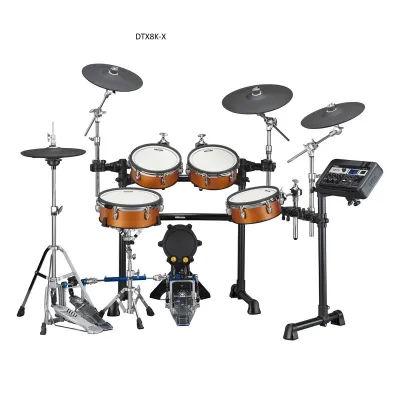
![Yamaha DTX402K Electronic Drums DTX-402K DTX 402 K Digital Drum Set [LIMITED STOCK]](https://img.lazcdn.com/g/p/70cd82f589c9b929f2e99afd4e639545.jpg_400x400q80.jpg_.webp)
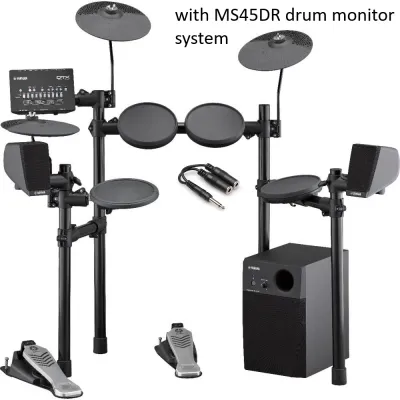
![Yamaha DTX452K Electronic Drums Digital Drum Set DTX-452K DTX 452 K DTX 452K DTX452 [PREORDER]](https://img.lazcdn.com/g/p/af5553ead0032cf1aa86c61dfabcbc22.jpg_400x400q80.jpg_.webp)
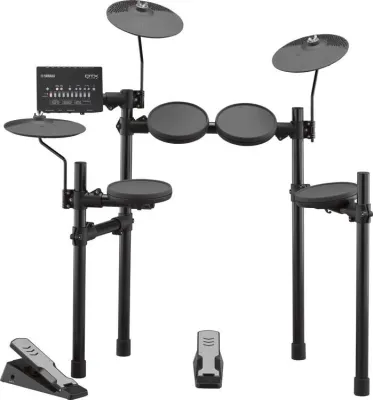
![Yamaha DTX-MULTI 12 Electronic Tabletop Drum Pads 12 Pads Compact Portable E-Drums [PREORDER]](https://img.lazcdn.com/g/p/b63361679d189a1e9dd53d4164950c4e.png_400x400q80.png_.webp)
Prices are valid at publication and may change. Please refer to the product page for the latest price.
Entry-Level Kits for Beginners and Small Spaces
Entry-level DTX kits are engineered primarily for accessibility, ease of use, and space conservation. These models typically feature a highly compact rack system that can be folded down or tucked into a corner when not in use. The drum pads in this tier generally utilize durable rubber surfaces, which provide a consistent rebound but tend to produce a louder physical acoustic click when struck compared to premium materials. The accompanying modules are streamlined, offering a selection of pre-configured drum kits, basic training functions, and simplified controls that allow you to start playing immediately without navigating complex menus.
While these entry-level options are excellent for establishing basic rhythm and coordination, they do present certain trade-offs. The rubber pads offer limited dynamic expression, meaning the module may not fully capture the subtle nuances of your ghost notes or rimshots. Additionally, the sound editing capabilities are basic, often limiting you to pre-set volume levels and kit configurations. Before purchasing an entry-level bundle, always verify which accessories are included in the box. Some packages omit essential components such as a drum throne, headphones, or even a physical kick pedal, which can unexpectedly increase your total startup cost.
Mid-Tier Kits for Developing Drummers
As your drumming skills progress, a mid-tier DTX kit offers the physical feedback and sonic flexibility needed to develop advanced techniques. The defining feature of this tier is the introduction of Yamaha’s proprietary Textured Cellular Silicone (TCS) pads. TCS pads are designed with tiny air bubbles embedded in the silicone, creating a playing surface that closely mimics the natural rebound and playability of a coated acoustic drumhead. This tier also introduces multi-zone cymbals, allowing you to trigger different sounds from the bell, bow, and edge, as well as choke the cymbal by grabbing the edge.
The modules included with mid-tier kits offer significantly more processing power and customization. You can expect features such as the ability to import your own custom samples via USB, adjust individual drum muffling, and utilize built-in recording functions to analyze your practice sessions. This level of control is highly beneficial for transitioning between acoustic and electronic setups, as it allows you to configure the kit’s response to match the dynamics of a traditional drum set. The physical rack systems in this tier are also more robust, offering greater stability during intense practice sessions.
Advanced Kits for Professional and Studio Use
For professional performers, session musicians, and recording studios, advanced DTX kits provide the ultimate level of realism and connectivity. These flagship models feature full-sized pads mounted on heavy-duty, acoustic-style hardware, including independent hi-hat stands and multi-clamp rack systems. The TCS pads are larger, offering a wider target area that accommodates traditional acoustic stick movements. The modules in this tier are powerful audio computers, featuring high-resolution sound engines, extensive onboard effects, and physical faders that allow you to mix your drum levels on the fly.
Connectivity is a major differentiator for advanced kits. These modules typically support multi-track USB audio, allowing you to send individual drum channels directly to your Digital Audio Workstation (DAW) for precise mixing without the need for an external multi-channel audio interface. They also feature dedicated MIDI inputs and outputs, balanced stereo outputs for live sound systems, and multiple auxiliary trigger inputs for expanding your kit with extra pads or cymbals. Keep in mind that these professional rigs require a permanent, dedicated footprint in your home or studio, as their heavy-duty hardware is less suited for frequent teardowns.
Critical Specifications to Verify Before Buying
When comparing specific models within the Yamaha DTX lineup, relying solely on marketing descriptions can lead to mismatched expectations. Instead, focus on a technical checklist of critical specifications to determine exactly what a kit can deliver. First, examine the pad zone configurations. A single-zone pad triggers the same sound regardless of where or how hard you strike it. Dual-zone and triple-zone pads allow for distinct sounds on the rim, head, and edge, which is essential for executing realistic rimshots, cross-sticks, and complex cymbal patterns.

Next, evaluate the module’s polyphony and sound engine capabilities. High polyphony ensures that rapid drum rolls, sustained cymbal crashes, and complex patterns do not result in dropped notes or artificial sound cutting. Look into the sound engine’s editing depth; some modules allow you to adjust virtual microphone placement, room acoustics, and transient parameters, while others only offer basic equalization. If you plan to use third-party drum software, verify the module’s MIDI latency and compatibility to ensure a seamless connection to your computer.
Connectivity options should align with your intended use case. If you enjoy playing along to your favorite tracks, look for a module with Bluetooth audio connectivity or a dedicated auxiliary input. For recording enthusiasts, a module that supports both USB MIDI and multi-channel USB audio is highly advantageous, as it simplifies your studio cabling. Finally, inspect the physical hardware. Ensure the rack system offers sufficient height and angle adjustability for your playing posture, and check that the pad clamps use standard diameters if you plan to integrate acoustic hardware or third-party mounts in the future.
Purchasing and Setup Considerations in Singapore
Buying an electronic drum kit in Singapore requires careful consideration of local retail options, warranty coverage, and the realities of apartment living. It is highly recommended to purchase your Yamaha DTX kit through an authorized local music retailer. This ensures that your investment is protected by a valid local warranty and that you have access to official after-sales support and replacement parts. Visiting a physical showroom also allows you to personally test the physical difference between rubber and TCS pads, helping you make a confident decision before committing your S$ budget.
Living in a high-density housing environment, such as a Housing & Development Board (HDB) flat or a private condominium, introduces unique acoustic challenges. While electronic drums are significantly quieter than acoustic kits, the physical impact of your sticks on the pads—and especially your foot on the kick pedal—creates low-frequency vibrations that travel easily through concrete floors. To maintain good relations with your downstairs neighbors, plan to install a heavy-duty, vibration-dampening drum rug or construct a DIY isolation platform using tennis balls or acoustic foam blocks.
Additionally, carefully review the product listing details before finalizing your purchase. Many mid-to-high-tier DTX kits are sold as ‘shell packs’ or partial configurations, meaning they do not include a kick pedal, a hi-hat stand, a drum throne, or headphones. Factoring these essential accessories into your initial budget is crucial to avoid unexpected expenses. If you plan to play without headphones, you will also need to budget for a dedicated electronic drum monitor or a suitable active PA speaker, as standard home audio systems are rarely designed to handle the dynamic peaks of live drumming.
Frequently Asked Questions (FAQ)
Do I need a special amplifier for a Yamaha DTX kit?
Yes, if you choose not to use headphones, you will need an amplifier specifically designed for electronic percussion or a full-range flat-response (FRFR) active PA speaker. Standard electric guitar amplifiers are designed to color the sound of a guitar and cannot handle the extreme low frequencies of a bass drum or the crisp high frequencies of cymbals. Attempting to use a guitar amplifier can result in muddy sound reproduction and may permanently damage the amplifier’s speaker cone. A dedicated electronic drum monitor ensures that the full dynamic range and frequency spectrum of your DTX module are accurately reproduced.
How can I reduce vibration noise for downstairs neighbors?
The most effective way to reduce structural vibration is to decouple your drum kit from the floor. Standard carpet rugs help reduce surface noise but do little to stop the low-frequency impact of the kick pedal and hi-hat controller from traveling through concrete. You can significantly mitigate this by placing a specialized acoustic isolation mat under your kit or building a simple riser platform. A popular DIY solution involves sandwiching tennis balls or high-density acoustic foam between two sheets of medium-density fibreboard (MDF), which absorbs the kinetic energy of your footwork before it can vibrate the building’s structure.

Community discussion
Share your experience or ask a question. Comments are reviewed before publication.