
Choosing between a Yamaha entry-level DTX electronic drum kit and a stage-tier model comes down to balancing your current playing proficiency with your long-term performance goals. Entry-level kits prioritize compact footprints, essential training tools, and accessible price points, making them excellent for home practice and beginners. In contrast, stage-tier DTX kits offer advanced trigger response, realistic pad materials like Textured Cellular Silicone (TCS), and robust connectivity options designed for live performance and studio recording. By understanding the core differences in hardware, module capabilities, and physical playability, you can select a kit that supports your musical journey without overpaying for features you do not yet require.
Defining Your Playing Needs and Skill Level
Before comparing specific models, you must evaluate your physical practice environment and noise tolerance. Electronic drums are significantly quieter than acoustic kits, but physical impact noise from rubber pads or bass drum pedals can still transfer through floors. If you live in a high-density apartment or shared housing, minimizing physical vibration is just as important as using headphones.
The physical footprint of your drum kit also dictates how comfortably you can integrate it into your living space. When measuring your available space, remember to account for the drum throne and the outward swing of your elbows while playing. Portability is another key factor; if you plan to transport your kit to rehearsals or local gigs, a lightweight, easily foldable rack system will save you setup time and physical effort.
Products mentioned in this guide
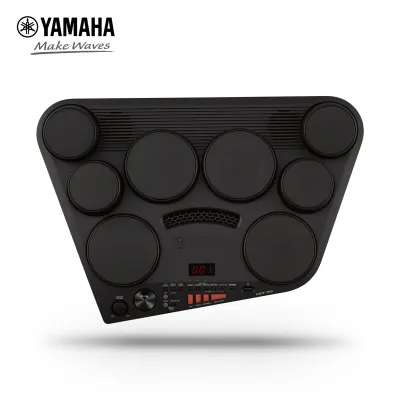
Prices are valid at publication and may change. Please refer to the product page for the latest price.
Your current technical ability and musical goals should dictate the level of hardware sophistication you choose. Beginners focusing on basic coordination, timing, and simple grooves can progress rapidly on standard pads with simplified trigger responses. However, intermediate and advanced players practicing complex dynamics, buzz rolls, and subtle cymbal choking require highly sensitive triggers that accurately translate these nuances. If your practice involves playing along with instructional videos, using interactive learning apps, or recording basic covers, you will also need to consider the module’s digital connectivity options.
Entry-Level DTX Kits: Features and Best Use Cases
Yamaha’s entry-level DTX kits are engineered to provide a streamlined, user-friendly introduction to drumming while maintaining the brand’s reputation for durability. These kits typically feature compact rubber pads for the toms and snare, though some entry-level configurations offer a Textured Cellular Silicone (TCS) snare pad upgrade for a more realistic rebound. The sound modules in this tier focus on delivering clean, essential acoustic and electronic drum samples alongside built-in training programs.

The built-in training functions are a cornerstone of the entry-level DTX experience, acting as a virtual drum instructor. These programs include visual aids that show whether your strikes are ahead of or behind the beat, helping you develop a steady internal clock. Some modules also feature a “gate” function that silences the sound if your timing drifts too far off-beat, encouraging precise execution.
Connectivity on entry-level modules is optimized for modern learning workflows and quiet practice. Most models include a standard headphone output, an auxiliary input for playing along with external audio tracks, and a USB port that handles MIDI data. This USB connection allows you to connect the kit to a computer or tablet to interface with educational software and Yamaha’s dedicated mobile applications.
These entry-level configurations are ideal for beginners, casual hobbyists, and players operating within strict space or budget constraints. Their compact racks occupy a minimal footprint, fitting easily into small bedrooms or study corners. Because they focus on essential features, they offer an affordable entry point into the Yamaha ecosystem, allowing you to develop foundational skills before committing to a larger financial investment.
Stage DTX Kits: Performance and Professional Features
Stage-tier Yamaha DTX kits are built to withstand the rigors of live performance and professional studio tracking while delivering an authentic acoustic playing experience. The defining feature of these advanced kits is the widespread use of Textured Cellular Silicone (TCS) pads across the snare and toms. TCS technology utilizes a proprietary foam structure that mimics the natural rebound, stick sink, and playability of a tensioned acoustic drumhead, significantly reducing wrist fatigue during long playing sessions. Additionally, stage kits incorporate multi-zone cymbals that support distinct sounds on the bell, bow, and edge, as well as realistic choking capabilities.
Beyond physical playability, the sound engines in stage-tier modules offer unprecedented control over your acoustic environment. Instead of relying on static pre-recorded samples, these modules utilize advanced digital signal processing to simulate the complex resonance of a drum shell and the natural decay of cymbals. You can adjust virtual microphone placement, add overhead room compression, and apply studio-grade equalization to individual pads.
For professional audio routing, stage modules frequently feature dedicated stereo outputs, individual direct outputs for separate mixing, and integrated USB audio interfaces. This means you can send multi-channel digital audio directly to a digital audio workstation (DAW) without needing an external audio interface.
These high-performance kits are best suited for gigging musicians, session drummers, and advanced students who require uncompromising hardware stability and realistic feel. The heavy-duty rack systems and professional-grade hi-hat stands ensure the kit remains stable under heavy playing. If your goals include recording high-quality drum tracks, performing on stage, or maintaining the exact muscle memory required for transitioning back and forth to an acoustic kit, a stage-tier DTX model is the appropriate choice.
Side-by-Side Specification Checklist
To help you evaluate the structural and functional differences between these two tiers, it is helpful to compare their hardware and module capabilities side by side. The following checklist outlines the typical hardware configurations, pad technologies, and input/output options you will encounter when comparing these two categories.
| Feature Category | Entry-Level DTX Kits | Stage-Tier DTX Kits |
|---|---|---|
| Primary Pad Material | Compact rubber pads (optional TCS snare upgrade) | Full TCS (Textured Cellular Silicone) snare and tom pads |
| Snare & Tom Zones | Typically single-zone pads | Multi-zone snare (head/rimshot) and customizable tom zones |
| Cymbal Pad Design | Single or dual-zone cymbals without advanced choking | Triple-zone cymbals (bell, bow, edge) with full choke support |
| Hi-Hat Controller | Foot controller pedal with detached cymbal pad | Real hi-hat pad mounted on a traditional acoustic hi-hat stand |
| Module Audio Outputs | Single stereo headphone/line output | Dedicated stereo main outputs, plus optional individual routing |
| USB Functionality | USB MIDI for software control | Integrated USB Audio and MIDI multi-channel interface |
| Rack & Hardware | Lightweight, foldable, compact footprint | Heavy-duty, highly adjustable rack with professional hardware |
| Expansion Inputs | Limited or shared extra trigger inputs | Multiple dedicated auxiliary trigger inputs for kit expansion |
When reviewing these specifications, always consult the official Yamaha product documentation for the exact model number you are considering. Hardware configurations, such as whether a kick pedal or hi-hat stand is included in the box, can vary by region and specific package bundle.
How to Choose the Right Yamaha DTX Kit
Selecting the right Yamaha DTX kit requires matching your current budget with your long-term musical aspirations. If you are a beginner focusing on foundational timing, require a highly portable setup for a small room, or want to keep your initial investment low, an entry-level DTX kit is the most practical choice.
On the other hand, if you are an experienced drummer, plan to perform live, or intend to record high-fidelity tracks directly into a computer, investing in a stage-tier DTX kit is highly recommended. The realistic rebound of the TCS pads, the expressive control of a physical hi-hat stand, and the advanced routing capabilities of the stage modules will prevent you from outgrowing your instrument as your skills advance.
Before making your final decision, visit an authorized music retailer in Singapore to test the physical feel of the pads in person. Be sure to verify current retail availability and local pricing in S$, as promotional bundles may include essential accessories like drum thrones, kick pedals, or headphones. If you plan to upgrade an existing kit over time, carefully review the module’s compatibility charts to ensure future pad additions are fully supported.
Frequently Asked Questions (FAQ)
Can I upgrade an entry-level DTX kit with stage-tier pads later?
Yes, many entry-level Yamaha DTX modules allow you to upgrade individual pads, such as replacing a rubber snare pad with a Textured Cellular Silicone (TCS) pad. However, the upgrade potential is limited by the entry-level module’s trigger inputs and processing capabilities. For example, an entry-level module may not support the multi-zone functionality or advanced choking features of a stage-tier cymbal pad, even if the pad physically plugs into the module. Before purchasing any individual pad upgrades, always consult the official user manual for your specific module to verify its input compatibility, zone limitations, and pad impedance requirements.
Do I need an external amplifier for Yamaha DTX kits?
You do not need an external amplifier for private practice, as all Yamaha DTX modules feature a dedicated headphone jack designed for quiet monitoring. However, if you want to play along with other musicians, perform live, or practice without headphones, you will need to connect the module to an external sound system. For home use, a dedicated electronic drum amplifier or a clean active PA speaker is ideal, as standard guitar amplifiers cannot handle the wide frequency range of electronic drums. Always check your module’s output jacks to ensure you have the correct cables, whether you are connecting to a simple home speaker or a professional mixing console.

Community discussion
Share your experience or ask a question. Comments are reviewed before publication.