
Choosing the right electronic drum set depends heavily on your current playing level, available physical space, and long-term musical goals. The Yamaha DTX402K is designed primarily for beginners, casual players, and those who require a highly compact, space-saving practice setup with essential learning tools. In contrast, the Yamaha DTX6K-X targets intermediate to advanced drummers who demand realistic pad rebound, sophisticated sound customization, and robust connectivity for recording or live performance. While it is tempting to focus solely on technical specifications, evaluating how each kit’s physical design and module capabilities align with your daily practice habits will lead to a much more satisfying investment.
Core Differences and Target Audience
The fundamental positioning of these two electronic drum sets highlights a clear division in user needs and skill progression. The DTX402K serves as an entry point into the world of drumming, offering a streamlined, lightweight configuration that fits easily into small bedrooms or shared living spaces. It is engineered to remove the barriers of entry for novices, providing straightforward navigation and pre-configured kits that allow you to start playing immediately without a steep learning curve.
On the other hand, the DTX6K-X is built for musicians who have outgrown basic practice pads and require an instrument that behaves more like an acoustic drum kit. This model is tailored for intermediate players refining their technique, studio enthusiasts who need high-quality audio outputs, and gigging drummers who require reliable hardware. The structural differences between the two models are immediately apparent in their rack designs and module tiers, with the DTX6K-X featuring a more robust frame and a significantly more advanced control center.
Products mentioned in this guide
![Yamaha DTX6KX Electronic Drums DTX6K-X DTX 6K X Digital Drum DTX 6KX DTX6 The Music Works Store [LIMITED STOCK]](https://img.lazcdn.com/g/p/b6a8ffb94630b560f5e937d7664610bc.jpg_400x400q80.jpg_.webp)
![Yamaha DTX402K Electronic Drums DTX-402K DTX 402 K Digital Drum Set [LIMITED STOCK]](https://img.lazcdn.com/g/p/70cd82f589c9b929f2e99afd4e639545.jpg_400x400q80.jpg_.webp)
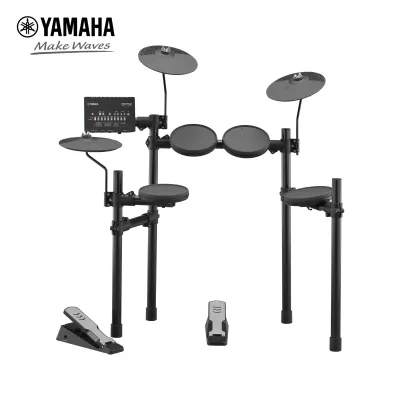
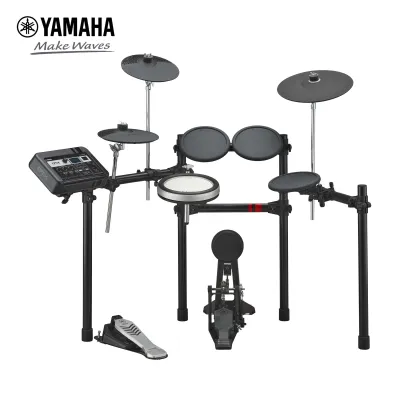
![Yamaha DTX6K2X Electronic Drums DTX6K2-X DTX 6K2 X Digital Drum DTX 6K2X DTX6 The Music Works [PREORDER]](https://img.lazcdn.com/g/p/dbb03d29e0c686e3e39376ae0c45e5e3.jpg_400x400q80.jpg_.webp)
![Yamaha DTX6K3-X Electronic Drums Digital Drum DTX6KX DTX 6K3 X DTX 6K3X DTX6 [LIMITED STOCK]](https://img.lazcdn.com/g/p/eff698a0eedd30e663d759209d4fad53.jpg_400x400q80.jpg_.webp)
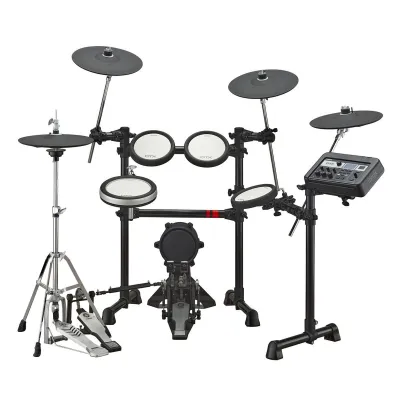
![Yamaha DTX452K Electronic Drums Digital Drum Set DTX-452K DTX 452 K DTX 452K DTX452 [PREORDER]](https://img.lazcdn.com/g/p/af5553ead0032cf1aa86c61dfabcbc22.jpg_400x400q80.jpg_.webp)
Prices are valid at publication and may change. Please refer to the product page for the latest price.
When deciding between these tiers, consider your trajectory as a musician. If you are testing the waters or need a secondary, low-profile kit strictly for quiet rudiment practice, the entry-level model offers a practical solution. However, if you plan to record multitrack audio, perform live, or practice advanced expressions like rimshots and cymbal chokes, investing in the higher-tier platform prevents the need for a costly system replacement in the near future.
Pad Materials and Playing Feel
The physical interaction between your drumsticks and the pad surface is one of the most critical factors in developing proper drumming technique. When comparing these two kits, you will want to check the official manufacturer specifications regarding pad materials, as they differ significantly in texture and rebound. The DTX402K typically utilizes specially formulated rubber pads for the snare and toms, which offer a consistent bounce and high durability but feel distinct from a traditional acoustic drumhead.

For players seeking a more authentic response, the DTX6K-X introduces textured cellular silicone pads, often referred to by the brand as Textured Cellular Silicone (TCS). You should verify the exact pad configuration for the specific sub-model you are viewing, as silicone surfaces are designed to mimic the natural tension and stick rebound of an acoustic drum while keeping acoustic impact noise to a minimum. This material difference is particularly noticeable during extended practice sessions, where softer silicone pads can reduce wrist fatigue compared to harder rubber surfaces.
Beyond the material itself, the triggering technology dictates how expressively you can play. You will want to check the product manuals to confirm the number of zones on each pad; for instance, a three-zone snare pad allows you to play head shots, open rimshots, and closed rimshots, whereas a single-zone pad only registers a single sound regardless of where you strike it. Similarly, check the cymbal pads for choke compatibility, which allows you to stop the cymbal sound by grabbing the edge, a technique essential for intermediate and advanced repertoire.
The kick pad and hi-hat configurations also represent a major functional divide. The entry-level DTX402K often relies on a silent kick unit or a simplified trigger pedal designed to minimize floor vibration, which is highly beneficial for apartment living but does not use a physical bass drum beater. The DTX6K-X, conversely, is designed to accommodate a traditional kick pedal striking a dedicated kick pad, providing the realistic physical resistance necessary to build double-bass speed or precise single-pedal control.
Sound Modules and Connectivity Options
The drum module, or the “brain” of the electronic kit, determines both the quality of the sounds you hear and how you can interact with external devices. The module included with the DTX402K is streamlined for learning, featuring built-in training programs, rhythm gates, and fast metronome access to help beginners build timing and stamina. Its sound library is curated to provide essential acoustic and electronic drum kits, but editing capabilities are generally limited to basic volume and kit selection.
In contrast, the DTX-PRO module paired with the DTX6K-X offers a vast leap in sound customization and processing power. This higher-tier module allows you to adjust real-room ambience, compression, and effects using dedicated control knobs, giving you the ability to sculpt your drum sound to match specific acoustic environments. It also supports user sample loading, meaning you can import your own audio files via USB to create completely custom kits for studio production or live performance.
Connectivity is another area where you must carefully verify specifications based on your intended workflow. If you plan to record your playing, check the official manuals to see if the module supports USB audio and MIDI transmission directly to a computer or smart device. While both modules offer USB connectivity, the DTX-PRO provides more advanced routing options, which are essential if you want to send individual drum tracks to a Digital Audio Workstation (DAW) rather than a single stereo mix.
Additionally, look closely at the physical input and output jacks on each module. The DTX402K is designed primarily for headphone practice and simple auxiliary input playback from a phone. The DTX6K-X module expands on this with dedicated stereo outputs for connecting to external amplifiers or PA systems, as well as individual trigger inputs that allow you to expand your kit with additional pads or cymbals as your setup grows.
Hardware, Footprint, and Space Requirements
Before purchasing any electronic drum set, it is vital to measure your designated practice area and compare it against the manufacturer’s official dimension charts. The DTX402K features a highly compact, lightweight rack system that can be folded down relatively easily for storage or transport. This makes it an exceptional choice for tight corners, small study rooms, or shared apartments where the drums cannot remain permanently set up.
The DTX6K-X utilizes a more substantial rack system designed to provide maximum stability during heavy playing. While this rack offers greater adjustability, allowing you to position the snare, toms, and cymbals precisely where you need them for ergonomic comfort, it also requires a larger permanent footprint. You will want to ensure your floor space can comfortably accommodate the wider stance of this rack, especially when factoring in the space needed for a drum throne and the outward reach of the cymbal arms.
Another hardware detail to verify is the inclusion of standalone pedals. The DTX6K-X typically requires you to supply your own bass drum pedal and, depending on the exact package, a physical hi-hat stand. This allows you to use your preferred hardware brands but adds to the overall initial cost. The DTX402K, by contrast, is usually sold as an all-in-one package with integrated pedal controllers, making it simpler to set up out of the box but less customizable.
Finally, consider the physical environment of your home, particularly if you live in a multi-story residential building in Singapore. While electronic drums are much quieter than acoustic kits, the physical impact of the kick pedal and hi-hat controller can transmit low-frequency vibrations through the floor. You may need to budget for a sound-absorbing drum mat or a DIY riser platform to keep peace with neighbors downstairs, regardless of which model you choose.
Making the Right Choice for Your Goals
To finalize your decision, evaluate your current skill level, budget, and space constraints against a clear, condition-based framework.
Choose the DTX402K if:
- You are a complete beginner or purchasing a kit for a young student who is just starting their musical journey.
- Your practice space is highly limited, and you need a lightweight kit that can be folded and stored away when not in use.
- You live in a close-quarters apartment where minimizing physical pedal impact noise is your highest priority.
- You want a straightforward, budget-friendly package that includes all necessary controllers out of the box.
Choose the DTX6K-X if:
- You are an intermediate or advanced drummer who requires realistic stick rebound and dynamic pad response to practice advanced techniques.
- You plan to use the kit for home studio recording, music production, or live performances where advanced sound editing and individual audio outputs are required.
- You want a highly stable rack system that allows for precise, ergonomic adjustments to match your playing style.
- You already own or plan to purchase high-quality standalone hardware, such as a dedicated bass drum pedal.
Verify first if: Before making your final purchase in Singapore, verify the exact bundle inclusions with your local retailer, as some packages may or may not include essential accessories like a drum throne, headphones, drumsticks, or a kick pedal. Additionally, check the local distributor’s warranty terms to ensure your module and pads are covered against manufacturing defects. Finally, if you plan to use companion practice apps or connect the module to a computer, verify the software compatibility requirements with your specific operating system version to ensure a seamless setup.
Frequently Asked Questions (FAQ)
Can I upgrade the DTX402K module later?
If you start with the DTX402K, you may eventually want to upgrade your sounds or add more pads. While it is technically possible to swap components, you must check the official manufacturer compatibility charts before purchasing new parts. The DTX402K module has a fixed multi-pin cable harness designed specifically for its included pads, which limits your ability to plug in individual third-party triggers or higher-tier pads. Upgrading to a completely different module, such as the DTX-PRO, usually requires replacing both the module and the cable harness, making it more practical to upgrade the entire kit rather than individual components.
Do these kits require external amplifiers?
Both the DTX402K and the DTX6K-X are designed to be played silently using headphones, which plug directly into the module’s headphone jack. They do not have built-in speakers, so if you want to play out loud for an audience or practice without headphones, you will need to connect them to an external amplifier. For the best sound quality, verify the module specifications and look for a dedicated electronic drum monitor or a keyboard amplifier, as standard guitar amplifiers are not designed to handle the wide dynamic range and deep low-end frequencies produced by electronic kick drums.

Community discussion
Share your experience or ask a question. Comments are reviewed before publication.