
Quick Answer: Is the Yamaha FG800 the Right Choice for You?
Deciding on your first acoustic guitar is a pivotal step in your musical journey, and the Yamaha FG800 is frequently recommended as a starting point. However, whether it is the ideal instrument for you depends on your physical comfort, tonal preferences, and budget.
As a baseline, this model is highly regarded for its consistent build quality and its solid spruce top, which is a premium feature at an entry-level price point. This solid wood construction allows the guitar to produce a clearer, more resonant tone that actually improves as the wood ages.
Even so, the traditional dreadnought body shape of this model may feel bulky or uncomfortable for players with smaller frames or those practicing in compact living spaces. If physical comfort is your primary concern, exploring smaller body shapes or alternative tonewoods might be a more suitable path for your specific needs.
Products mentioned in this guide
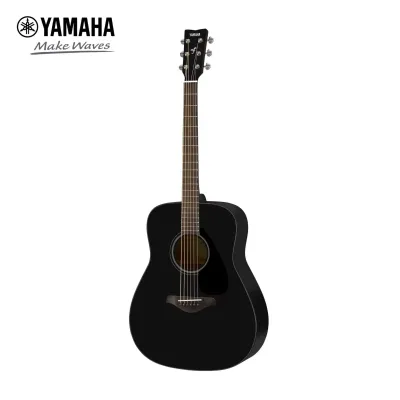
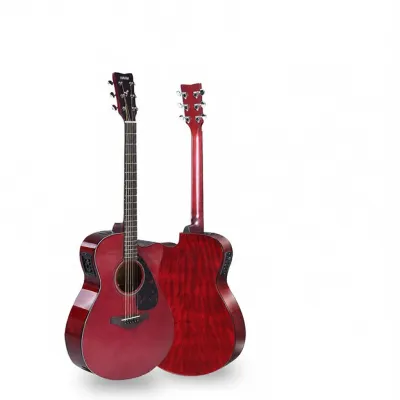
![Yamaha FG800 FG800M Acoustic Guitar FG 800 M Full Size Solid Spruce Top Beginners Series [LIMITED STOCK]](https://img.lazcdn.com/g/p/be01a1e53fd73b46b2926a68af876c6b.jpg_400x400q80.jpg_.webp)
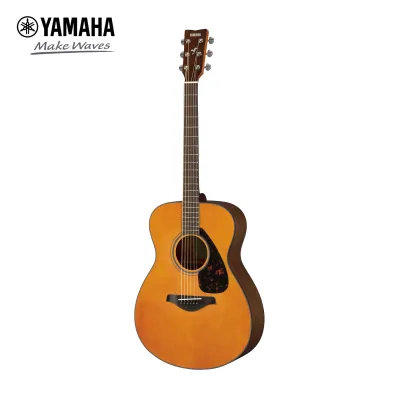
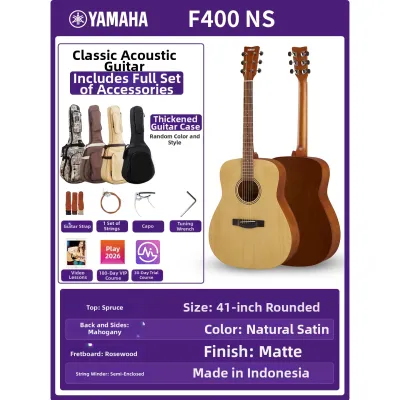
![Yamaha F310 Acoustic Guitar Natural Brown Cherry Sunburst F 310 F-310 Spruce Top Standard Size [LIMITED STOCK]](https://img.lazcdn.com/g/p/ccd5e325f3295bdb6d6e1cb2cca8bfd4.jpg_400x400q80.jpg_.webp)
Prices are valid at publication and may change. Please refer to the product page for the latest price.
Comparing Core Build and Material Specifications
When evaluating entry-level acoustic guitars, understanding the materials used in construction is essential for predicting durability and baseline performance. The most critical specification to verify is the top wood, often referred to as the soundboard. Guitars in this price range typically feature either a solid wood top or a laminated top.

To verify what a guitar has, look closely at the edge of the soundhole. On a solid top instrument, the wood grain lines will run vertically all the way through the edge into the soundhole. On a laminated top, you will see distinct layers of wood pressed together, resembling plywood. A solid spruce top offers superior resonance and tonal development over time, whereas laminated tops are more resistant to structural changes caused by environmental shifts.
For the back and sides, entry-level models generally utilize laminated woods such as nato, okoume, or mahogany alternatives. While these woods do not influence the tone as dramatically as the top wood, they provide the structural integrity necessary to keep the guitar stable. Laminated back and sides are highly durable, making them excellent for resisting warping in warm, humid climates.
Hardware quality is another area where specifications must be verified. Look for die-cast tuning machines rather than open-gear tuners on spec sheets, as enclosed die-cast tuners generally keep dust out and maintain tuning stability more reliably. Additionally, check the material of the nut and saddle; while plastic is standard on entry-level models, synthetic bone upgrades offer a more consistent transfer of string vibration to the bridge.
Evaluating Playability and Physical Comfort
An instrument that is physically uncomfortable to play can quickly discourage a beginner. Playability is determined by several measurable specifications, starting with the neck profile and nut width. Most entry-level acoustic guitars feature a nut width of approximately 43 millimeters, which is comfortable for average hand sizes but may feel slightly cramped for fingerstyle players or those with larger hands.
Scale length, which is the distance between the nut and the bridge saddle, also affects playability. A standard scale length of around 650 millimeters provides excellent string tension and projection, but a shorter scale length reduces string tension, making it easier for beginners to press down on the strings. You can easily find these measurements on the manufacturer’s official specification sheets before making a purchase.
Factory string action—the height of the strings above the fretboard—is a common variable among entry-level instruments. If the action is too high, fretting chords will require excessive finger strength and cause discomfort. It is highly recommended to budget for a professional setup at a local guitar workshop, where a technician can adjust the truss rod and saddle height to optimize playability for your hands.
Body shape is the most immediate physical factor you will experience. The traditional dreadnought shape of the Yamaha FG800 provides a deep body that can feel cumbersome when practicing seated on a low chair or sofa. If you have a smaller frame, a concert or parlor body shape offers a narrower waist and a shallower depth, allowing your arm to drape comfortably over the instrument.
Understanding Sound Profile and Tonal Expectations
Aligning your musical preferences with the acoustic characteristics of a guitar requires a basic understanding of how tonewoods and body shapes interact. Spruce is the most common top wood for a reason; it offers a bright, articulate, and versatile sound profile that handles both heavy strumming and light fingerpicking exceptionally well.
If you prefer a warmer, mellower sound with a prominent midrange, you might want to look for guitars featuring a mahogany top. Mahogany tends to compress the dynamic range slightly, offering a focused tone that is highly suited for blues and vocal accompaniment. Understanding these general tonewood tendencies helps you narrow down your choices based on the genres of music you plan to play.
Body volume directly influences projection and bass response. A dreadnought body has a large internal cavity that naturally amplifies lower frequencies, resulting in a booming bass and high overall volume. Conversely, smaller body formats like concert or grand auditorium shapes sacrifice some of this low-end power in exchange for a more balanced, mid-range focused sound that sits cleanly under a singing voice.
To avoid falling for subjective marketing claims, rely on verified audio samples or in-store testing to evaluate sound quality. When listening to online demonstrations, seek out dry, unedited recordings rather than highly produced videos with heavy artificial reverb, as these can mask the true acoustic profile of the instrument.
Assessing Value, Pricing, and Beginner Bundles
When shopping for an entry-level guitar, comparing the total cost of ownership across authorized retailers is a smart financial move. In Singapore, base prices for quality entry-level acoustic guitars typically range from S$250 to S$400. Checking authorized local music stores ensures you receive authentic products and reliable customer service.
Many retailers offer beginner bundles that package the guitar with accessories such as gig bags, clip-on tuners, straps, and picks. While these bundles can seem convenient, it is important to evaluate the quality of the included items. A flimsy, unpadded gig bag offers very little protection against accidental drops, so purchasing a high-quality padded gig bag and a reliable tuner separately is often a better long-term investment.
Finally, always verify the warranty terms and return policies before finalizing your purchase. A manufacturer’s warranty is crucial for protecting your investment against structural defects, such as a lifting bridge or a warping neck. Buying from an authorized local dealer ensures that you have a direct point of contact should you need to utilize after-sales support or seek professional maintenance.
Decision Framework: Choosing Your First Acoustic Guitar
To help you make a confident decision, use this condition-based framework to determine which path fits your physical and musical needs:
- Choose the Yamaha FG800 if… You want a traditional dreadnought body with a solid spruce top, prefer a bright and versatile tone, and want an instrument with a proven track record of structural reliability and strong local dealer support.
- Choose a smaller-bodied alternative if… You have a smaller physical frame, find the dreadnought shape uncomfortable to hold, or plan to practice primarily in tight spaces where a compact concert or parlor body is easier to manage.
- Choose a different tonewood combination if… You specifically prefer a warmer, mellower sound profile with a strong midrange focus, in which case an all-mahogany construction may suit your musical style better than spruce.
- Verify first if… You are buying online and cannot physically test the instrument. Check the retailer's return policy, ask if they perform a pre-shipping inspection, and budget for a professional setup to ensure the string action is comfortable from day one.
Frequently Asked Questions (FAQ)
Do I need a left-handed acoustic guitar if I am left-handed?
If you are left-handed, you can choose between a dedicated left-handed model or learning to play on a standard right-handed guitar. Dedicated left-handed guitars are built specifically for left-handed players, but they are generally less common and offer fewer model options. Restringing a standard right-handed guitar backward is not recommended, as it requires replacing the nut and saddle to prevent severe intonation and playability issues. Many left-handed beginners find that learning to play right-handed is entirely manageable, as both hands must develop complex, unfamiliar motor skills regardless of your dominant hand.
How can I tell when it is time to change my guitar strings?
You can determine when to change your strings by looking for clear visual and tactile signs of wear. Over time, strings accumulate sweat, skin oils, and environmental moisture, leading to discoloration, dark spots, or a rough, rusty texture under your fingers. Acoustically, worn-out strings will sound dull, muddy, and lose their sustain, and you may find that the guitar struggles to stay in tune. In Singapore’s humid climate, strings corrode more rapidly; as a general guideline, regular players should expect to change their strings every six to eight weeks to maintain optimal tone and playability.
Community discussion
Share your experience or ask a question. Comments are reviewed before publication.