
Choosing your first acoustic guitar is a major milestone, and Yamaha’s FG series has long been a staple recommendation for beginners. Within this lineup, the Yamaha FG800 and the Yamaha FG830 stand out as two of the most popular options. Both instruments share the same traditional dreadnought body shape and a solid spruce top, which provides a strong foundation for learning. However, they differ in their back and side tonewoods, cosmetic appointments, and price points.
Understanding these differences is key to making an informed decision. While the FG800 is often celebrated as an accessible, no-frills workhorse, the FG830 offers upgraded materials and aesthetics that appeal to players looking for a bit more depth in their sound and appearance. Rather than declaring one model universally preferable, this comparison explores how their physical builds, tonal characteristics, and overall value align with your personal budget and musical goals.
By examining the nuances of each guitar, you can determine whether the entry-level standard or the upgraded version is the right fit for your hands and ears. Let’s look closely at what sets these two instruments apart, starting with their physical construction and material choices.
Products mentioned in this guide
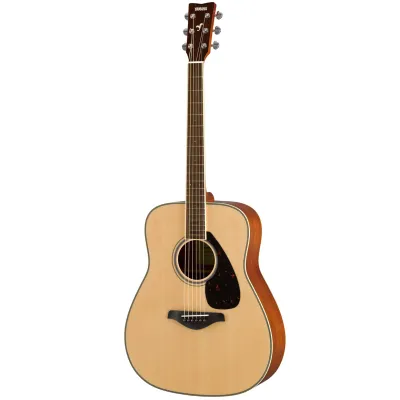
![Yamaha FG800 FG800M Acoustic Guitar FG 800 M Full Size Solid Spruce Top Beginners Series [LIMITED STOCK]](https://img.lazcdn.com/g/p/be01a1e53fd73b46b2926a68af876c6b.jpg_400x400q80.jpg_.webp)
Prices are valid at publication and may change. Please refer to the product page for the latest price.
Core Build and Tonewood Differences
At first glance, the Yamaha FG800 and FG830 look remarkably similar because they share the same structural blueprint. Both models feature a solid Sitka spruce top, which is a crucial feature for any beginner guitar. Solid wood tops vibrate more freely than laminated tops, allowing the instrument to project more volume and develop a richer, more mature tone as the wood ages over time. Both guitars also utilize Yamaha’s proprietary scalloped bracing design, which reinforces the top while maximizing acoustic resonance and low-end response.
The primary physical distinction lies in the choice of wood for the back and sides of the instrument. The FG800 utilizes nato or okoume, which are affordable tonewoods often compared to mahogany in terms of density and appearance. These woods are durable and cost-effective, helping to keep the guitar’s price accessible for first-time buyers. In contrast, the FG830 features rosewood back and sides, a highly prized tonewood known for its density and striking grain patterns.
Beyond the internal tonewoods, the FG830 boasts several cosmetic upgrades that distinguish it from its sibling. The FG830 features cream-colored body binding and an abalone-style rosette around the soundhole, giving it a more premium, traditional look. The headstock of the FG830 also includes additional binding and a slightly more ornate design. The FG800, on the other hand, has a simpler black binding and a basic printed rosette, prioritizing functional simplicity over visual flair.
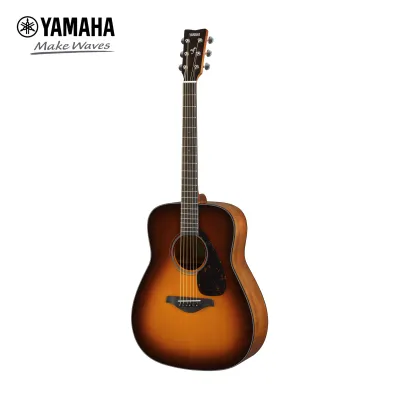
Color options also vary between the two models. While both are available in a classic natural gloss finish, the FG830 often comes in a wider variety of sunburst and color options depending on regional availability. These aesthetic differences do not affect the playability of the instrument, but they can play a significant role in how much you enjoy picking up your guitar to practice every day.
The fingerboard and bridge materials on these models are also worth noting. Depending on the production year and environmental regulations, Yamaha typically uses rosewood or walnut for these components. Both materials provide a smooth surface for fretting and a stable anchor for the strings at the bridge. Because both models utilize the same fingerboard and bridge materials, the tactile feel under your fingertips remains consistent between the two, meaning your choice will primarily be guided by the back and side woods rather than the fretboard itself.
How Tonewood Choices Shape Your Sound
The difference in back and side woods directly influences the acoustic voice of each guitar. The nato or okoume construction of the FG800 produces a balanced, mid-range focused sound. This tonal profile is often described as warm and direct, with a clear fundamental note and fewer complex overtones. Because the mid-range is prominent, the FG800 sits very well in a mix and provides excellent vocal accompaniment, making it a favorite for singer-songwriters who want a reliable, non-intrusive backing instrument.

The rosewood back and sides of the FG830 alter the acoustic response by scooping the mid-range slightly and boosting both the low and high frequencies. This results in a deeper, more resonant bass response and sparkling, clear highs. The FG830 also produces more complex overtones, meaning that notes ring out longer and blend together with a richer, more three-dimensional quality. This makes the FG830 feel more expressive and dynamic under your fingers.
For a beginner, these tonal differences can influence how you approach learning different playing styles. The balanced, punchy mid-range of the FG800 is highly forgiving for heavy strumming and flatpicking, as it prevents the sound from becoming muddy or overwhelming. If you plan to focus primarily on basic chord progressions and vocal accompaniment, the straightforward projection of the FG800 is highly effective.
Conversely, the enhanced bass and treble clarity of the FG830 make it particularly well-suited for fingerstyle playing and light flatpicking. The separation between individual notes is more pronounced, allowing intricate melodies to stand out clearly against a deep bass foundation. If you appreciate a more resonant, “hi-fi” acoustic sound and want an instrument that can grow with you as you explore complex playing techniques, the FG830 offers a noticeable sonic upgrade.
Another aspect to consider is how the sound of a solid-top guitar matures over time, a process often referred to as “opening up.” As you play the guitar, the solid spruce top is subjected to continuous vibration, which gradually loosens the wood fibers and enhances its resonance. While both the FG800 and FG830 will improve with age, the rosewood back and sides of the FG830 will continue to provide a more complex harmonic backdrop for that maturing spruce top, making it an instrument that rewards long-term dedication.
Playability and Setup for Beginners
When it comes to physical playability, the FG800 and FG830 are virtually identical out of the box. Both guitars feature the same neck profile, a satin-finished neck, and a standard nut width of 43mm (1.69 inches). This neck shape is relatively slim and comfortable, making it easy for beginners with smaller hands to wrap their fingers around the fretboard and form chords without excessive strain. The satin finish on the back of the neck is also a major benefit, as it prevents your hand from sticking when moving up and down the fretboard.
However, the physical comfort of any acoustic guitar is heavily dependent on its setup, specifically the string action. Action refers to the height of the strings above the fretboard. Like many factory-standard acoustic guitars, both the FG800 and FG830 can sometimes arrive with relatively high action from the factory. High action requires more finger pressure to press the strings down, which can lead to rapid finger fatigue and soreness for beginners who have not yet developed calluses.
To ensure the most comfortable start to your musical journey, it is highly recommended to have either guitar checked and adjusted by a professional guitar technician or luthier. A professional setup typically involves adjusting the truss rod, filing the nut slots, and sanding down the bridge saddle to lower the action to a comfortable level. This simple adjustment can transform a stiff, difficult-to-play instrument into a smooth, inviting guitar that is easy to practice on for hours.
Because both models share the same neck dimensions and hardware, investing in a professional setup is equally beneficial for both. Do not assume that the higher price of the FG830 guarantees a lower or more comfortable action straight out of the box. Budgeting for a setup, regardless of which model you choose, is one of the most effective ways to ensure your long-term success and enjoyment as a beginner.
In addition to a professional setup, the choice of strings can significantly impact playability for a beginner. Both guitars come equipped with light-gauge steel strings from the factory. If you find these strings too stiff or painful at first, you can ask your technician to install extra-light strings during the setup process. This temporary adjustment reduces string tension, making it even easier to press down on the frets while your fingers adapt to the instrument.
Price, Value, and Budget Considerations
Budget is often the deciding factor for beginners, and the price gap between these two models is a key consideration. The FG800 is positioned as Yamaha’s entry-level standard, offering exceptional build quality and a solid wood top at a highly accessible price point. The FG830 commands a premium, which is directly attributed to the higher cost of rosewood and the additional cosmetic detailing.
When evaluating the overall cost, it is important to look beyond the guitar itself and consider the necessary accessories. As a beginner, you will need a few essential items to get started, including a gig bag or hard case, a clip-on tuner, a guitar strap, picks, and perhaps a stand. Many retailers offer bundle deals that include these accessories. When shopping in Singapore, comparing these bundle prices in S$ can help you determine the true cost of ownership.
If choosing the FG830 pushes your budget to its absolute limit, leaving you without enough funds for a protective case or a tuner, it may be wiser to opt for the FG800. A well-protected FG800 that is kept in tune will ultimately serve you better than an unprotected FG830. However, if your budget is flexible, the FG830 represents excellent long-term value. The upgraded tonewoods and aesthetics mean you are less likely to outgrow the instrument as your skills develop, potentially saving you money on a future upgrade.
Ultimately, both guitars offer outstanding value for money. Yamaha’s manufacturing consistency ensures that even their entry-level models are built to last, holding their value well on the secondary market. Consider your total starting budget, including accessories and a potential professional setup, to decide which model fits comfortably into your financial plans.
When deciding how much to spend, think about your long-term commitment to the instrument. If you are testing the waters and are unsure if you will stick with the guitar long-term, the FG800 represents a lower-risk investment that still delivers a genuine, high-quality playing experience. However, if you are committed to learning and want an instrument that you won’t feel the need to upgrade after a year or two, paying the premium for the FG830 is a highly sensible choice that pays off in musical satisfaction.
Decision Framework: Which Model Should You Pick?
To help you make your final decision, we have outlined a simple decision framework based on your budget, aesthetic preferences, and musical goals.
Choose the FG800 if:
- You are working with a strict budget and want the highest quality solid-top guitar available for the lowest price.
- You prefer a balanced, mid-range focused tone that is ideal for vocal accompaniment and general strumming.
- You want to save money to spend on essential accessories, a high-quality gig bag, or professional guitar lessons.
Choose the FG830 if:
- You have a flexible budget and want a richer, more resonant sound with deeper bass and sparkling highs.
- You are interested in fingerstyle guitar or playing styles that benefit from clear note separation and complex overtones.
- You appreciate premium cosmetic details, such as body binding and an abalone-style rosette, and want an instrument with a more traditional, high-end look.
Verify first if:
- You require a left-handed model, as availability can vary significantly between the FG800 and FG830 lineups.
- You prefer a specific color finish, as the FG830 offers a wider selection of sunburst and translucent finishes.
- You need built-in electronics for plugging into an amplifier or recording interface; if so, look for the acoustic-electric variants, which are typically designated with an "X" (such as the FGX800C or FGX830C).
Frequently Asked Questions (FAQ)
Is the FG series a full-size dreadnought guitar?
Yes, the FG designation stands for Folk Guitar, which is Yamaha’s traditional dreadnought body shape. This is a full-size acoustic guitar with a deep body and a wide lower bout, designed to deliver robust volume and strong projection. Because of its larger physical size, it is highly suitable for adults and older teens, though players with smaller frames might find Yamaha’s smaller FS series (such as the FS800 or FS830) more comfortable to hold.
Should I buy an acoustic-electric version instead?
The standard FG800 and FG830 are purely acoustic instruments with no built-in electronics. You should only opt for the acoustic-electric versions (the FGX series) if you plan to perform live on stage, plug into an amplifier, or record directly into an audio interface. For home practice and casual playing, the standard acoustic models are lighter, more affordable, and ideally suited for learning without the added complexity of preamps and cables.
Do these models come with a built-in tuner?
No, the standard acoustic FG800 and FG830 do not include built-in electronic tuners or preamps. Beginners will need to purchase a separate tuner to keep the instrument in pitch. A simple, affordable clip-on headstock tuner is highly recommended, as it detects the vibrations of the guitar neck directly and allows you to tune accurately even in noisy environments.

Community discussion
Share your experience or ask a question. Comments are reviewed before publication.