
Selecting a first digital piano is a critical step for any aspiring musician. In Singapore, where residential space is often at a premium and the tropical climate makes maintaining an acoustic piano a constant battle against humidity, the Yamaha P-series has long been a popular choice. Models like the P-45, P-125, and P-225 offer weighted keys and realistic piano tones in a portable format. Deciding between these three instruments requires looking closely at their key action, sound engines, and connectivity options to see which matches your learning goals and living space.
Understanding the Yamaha P-Series Lineup for Beginners
The Yamaha P-series (where “P” stands for portable) is designed to deliver authentic piano performance in a compact footprint. The P-45 serves as the entry-level baseline, focusing on essential features for absolute beginners who need a straightforward, budget-friendly instrument. The P-125 has historically occupied the mid-tier position, offering enhanced sound projection and additional instrument voices for progressing students. The P-225 represents a modern evolution, introducing a more compact body design and updated sound technology to suit contemporary living spaces.
When evaluating these models, beginners should focus on how well the instrument simulates the physical response and acoustic resonance of a traditional piano. A digital piano that feels too light or sounds artificial can hinder the development of proper finger strength and expressive control. By comparing these models across key performance areas, you can select an instrument that supports your musical growth for years to come.
Products mentioned in this guide
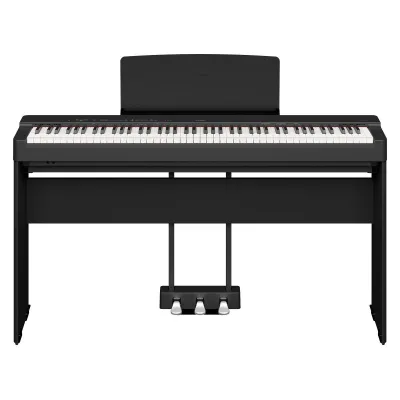
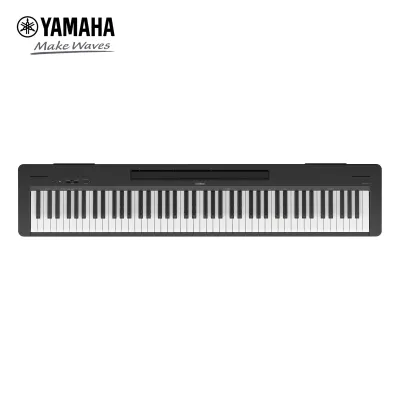
![Yamaha P-143BT Portable Digital Piano 88 Weighted Keys Bluetooth Beginners Instrument P143 P-143 [LIMITED STOCK]](https://img.lazcdn.com/g/p/b40c0a5d1400f3afb2c14a886464b0ef.jpg_400x400q80.jpg_.webp)
Prices are valid at publication and may change. Please refer to the product page for the latest price.
Key Action and Playing Feel
The physical connection between the player and the instrument is defined by the key action mechanism. The P-45 and P-125 utilize Yamaha’s Graded Hammer Standard (GHS) action. This mechanism simulates the feel of an acoustic piano by offering a heavier touch in the lower register and a lighter touch in the higher keys. For beginners, this graded resistance is crucial for building the finger dexterity and muscle memory required to transition to traditional acoustic pianos in exam halls or teacher studios.

In contrast, the P-225 introduces the Graded Hammer Compact (GHC) action. This newly designed mechanism achieves a similar graded feel while significantly reducing the physical depth of the keyboard unit. When testing these actions in person, pay close attention to the pivot length of the keys and the resistance felt when playing deep into the key bed. Some players find the GHS action feels slightly more substantial, while others prefer the sleek, responsive nature of the GHC action. Additionally, observe the mechanical noise level of the keys during silent practice with headphones, as some keybeds can produce a noticeable thumping sound over time.
Sound Engine, Polyphony, and Speaker Systems
The quality of the piano sound directly influences how engaging your practice sessions will be. The P-45 uses basic AWM (Advanced Wave Memory) stereo sampling, which provides a reliable, clear tone but lacks the complex tonal layers of higher-end models. The P-125 upgrades this experience with the Pure CF Sound Engine, delivering a richer, more dynamic grand piano tone. The P-225 features advanced CFX sampling, which captures the nuances of a flagship concert grand piano, complemented by virtual resonance modeling to simulate the sympathetic string vibrations of an acoustic instrument.
Polyphony—the number of individual notes or voices the piano can produce simultaneously—is another critical specification. The P-45 offers a basic 64-note polyphony, which is sufficient for simple beginner pieces but may cut off sustained notes during complex classical passages. The P-125 and P-225 both offer a generous 192-note polyphony, ensuring that even dense chords played with heavy sustain pedal usage remain clear and uninterrupted.
The speaker configuration also varies significantly across these models. The P-45 features a modest dual-speaker system suitable for quiet home practice. The P-125 utilizes a two-way speaker system that projects sound both upward and downward, creating a more immersive, room-filling acoustic field. The P-225 redesigns this speaker placement to accommodate its slimmer chassis, directing sound toward the player to maintain clarity despite the smaller cabinet volume.
Portability, Design, and Space Requirements
For many Singaporean households, finding room for a musical instrument is a major consideration. The P-45 and P-125 share similar physical dimensions, weighing around 11.5 to 11.8 kilograms, making them relatively easy to move or store when not in use. The P-225 is specifically engineered to be more compact, reducing both the depth and height of the keyboard body. This slimmer profile makes it an excellent choice for tight corners, study rooms, or small apartments where every centimeter counts.
Your choice of stand and pedal setup will also impact the instrument’s footprint. All three models can be placed on a basic, collapsible X-stand for temporary setups, though this can sometimes feel unstable during vigorous playing. For a more permanent and aesthetically pleasing setup, look for dedicated wooden furniture stands (such as the L-85 for the P-45, or the matching stands for the P-125 and P-225). These furniture stands allow you to attach a matching triple-pedal unit, which is essential for learning proper pedaling techniques as you progress beyond basic pieces.
Connectivity, Apps, and Extra Features
Modern digital pianos offer a range of connectivity options that can greatly enhance the learning process. The P-45 features a basic USB-to-Host port, allowing you to connect the keyboard to a computer or tablet to use as a MIDI controller for learning software. The P-125 expands on this with a built-in audio interface, meaning you can send both MIDI and digital audio data through a single USB cable, simplifying recording setups.
The P-225 takes digital integration further by incorporating Bluetooth audio capabilities. This allows you to stream backing tracks or lesson videos directly through the piano’s speakers, making it easier to play along with your favorite music. Furthermore, both the P-125 and P-225 are compatible with Yamaha’s Smart Pianist app, which provides an intuitive graphical interface for selecting voices, adjusting metronome settings, and even generating chord charts from songs in your music library.
How to Evaluate Price and Value for Your Needs
When shopping for a digital piano in Singapore, it is important to look beyond the initial price tag of the keyboard itself. A complete practice setup requires several essential accessories, including a sturdy stand, a comfortable bench, a sustain pedal, and a pair of quality headphones for silent practice. Many authorized local retailers offer bundle deals in S$ that package these items together, often providing better overall value than purchasing each component separately.
Be cautious of parallel imports or unauthorized online sellers offering unusually low prices. These units may not come with a valid local warranty, leaving you unprotected if the keyboard develops electronic or mechanical faults. Additionally, verify whether the package includes a power adapter and a basic sustain switch, as some bare-bones listings omit these necessities, resulting in unexpected extra costs.
Final Decision Framework: Which Model Should You Choose?
To make the right choice, align the features of each model with your specific budget, space, and learning objectives:
- Choose the P-45 if: Your primary goal is to secure a reliable, weighted-key instrument at the lowest possible price point. It is an excellent, no-frills option for absolute beginners or young children starting their first year of lessons, where basic acoustic piano simulation is sufficient.
- Choose the P-125 if: You want a robust, traditional-feeling digital piano with a powerful speaker system and a rich sound engine. This model is ideal for progressing students who plan to keep the instrument for several years and value a full, resonant tone for daily practice.
- Choose the P-225 if: Space is your primary constraint, or you want the latest in wireless connectivity. Its slim design fits easily into compact rooms, and the Bluetooth integration makes it highly compatible with modern, app-based learning routines.
- Neither model may fit if: You require advanced synthesizer capabilities, extensive rhythm accompaniment styles, or high-end physical modeling of acoustic grand pianos. In those cases, you may need to explore dedicated workstations or premium console digital pianos.
Frequently Asked Questions (FAQ)
Do I need an amplifier or external speakers for these models?
For standard home practice in a typical living room or bedroom, the built-in speakers on all three models are entirely sufficient. You do not need an external amplifier or speakers to hear yourself play clearly. However, if you plan to perform in larger venues, play alongside loud acoustic instruments in an ensemble, or record high-fidelity audio, you may want to connect the piano to external studio monitors or a dedicated keyboard amplifier.
Can I use these digital pianos with online piano lesson platforms?
Yes, all three models can be connected to computers, tablets, or smartphones to work with popular online learning platforms and interactive sheet music apps. You will typically need a standard USB cable (often a USB Type-B to Type-A or Type-C cable, depending on your device) to transmit MIDI data. For models without built-in Bluetooth, using a wired connection is highly recommended to avoid any audio latency or delay that could disrupt your playing rhythm.
Community discussion
Share your experience or ask a question. Comments are reviewed before publication.