
Quick Answer: Choosing Between Nylon and Steel
Choosing your first instrument is a pivotal step in your musical journey, especially when navigating the unique design of a silent guitar. The Yamaha Silent Guitar series offers two distinct paths for beginners: the nylon-string SLG200N and the steel-string SLG200S. Your decision between these two models primarily hinges on the genre of music you wish to play, your physical comfort with string tension, and your long-term learning goals. For those living in high-density residential spaces in Singapore, such as HDB flats or condominiums, both models provide an exceptional solution for quiet practice, but they feel and sound entirely different.
To make an immediate decision, choose the SLG200N if you are drawn to classical, flamenco, bossa nova, or intricate fingerstyle arrangements, as its nylon strings offer a softer feel under the fingers. Conversely, select the SLG200S if your musical interests lean toward pop, rock, folk, or country, where the bright, driving projection of steel strings is essential. If you are still undecided, evaluating the physical playability and structural differences of each model will help you select the instrument that best supports your daily practice.
String Tension and Playability for Beginners
The physical sensation of pressing down on a guitar string is one of the first hurdles every beginner must overcome. Nylon strings, featured on the SLG200N, are made of a softer synthetic material that requires significantly less finger pressure to fret cleanly. This lower tension makes the learning curve gentler on sensitive fingertips, reducing the initial discomfort and callus development period that often discourages new players. For beginners who may have physical limitations, joint sensitivity, or simply want a more forgiving introduction to fretting, the nylon variant offers a highly accessible entry point.
Products mentioned in this guide
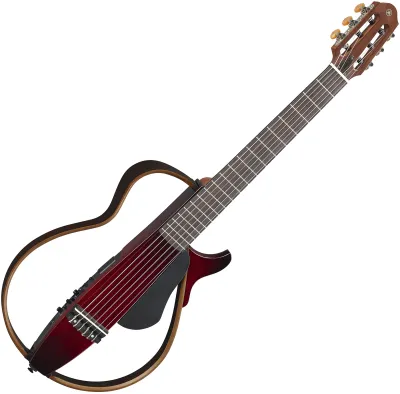
![Yamaha SLG200S Acoustic Electric Silent Guitar SRT Pickup Preamp Detachable SLG200 Series [LIMITED STOCK]](https://img.lazcdn.com/g/p/8c3638748c7d9eca939f1b277d4ab579.jpg_400x400q80.jpg_.webp)


Prices are valid at publication and may change. Please refer to the product page for the latest price.

In contrast, the steel strings of the SLG200S are under much higher tension, requiring greater finger strength and precision to press against the fretboard. While this higher tension inevitably leads to temporary finger soreness and requires time to build up protective calluses, it prepares your hands for the physical demands of standard acoustic and electric guitars. If your ultimate goal is to transition to a traditional steel-string acoustic guitar later on, starting with the SLG200S ensures your fingers adapt to the necessary pressure from day one.
Beyond the strings themselves, the neck profiles of these two models dictate how you shape chords and navigate the fretboard. The SLG200N features a wider, flatter neck that closely mirrors a traditional classical guitar, providing ample space between the strings. This wide spacing is excellent for preventing accidental string muting during fingerpicking, though players with smaller hands may find stretching across the fretboard more challenging. The SLG200S utilizes a narrower, slightly curved neck profile similar to a modern acoustic or electric guitar, making it much easier to wrap your hand around for open chords and barre chords.
Regardless of which model you choose, the playability of your instrument is heavily influenced by its setup. The “action”—or the height of the strings above the fretboard—should be checked immediately upon purchase. A high action makes any guitar difficult to play, while an action that is too low can cause distracting fret buzz. Beginners should verify the neck relief and saddle height, or have a qualified technician adjust the setup to ensure the strings are as comfortable to press as possible.
Sound Profiles and Genre Compatibility
The sonic identity of each model is shaped by its construction and the inherent properties of its strings. The SLG200N delivers a warm, mellow, and rounded tone that excels in solo classical pieces, jazz chord melodies, and traditional Latin American genres. Because nylon strings naturally decay faster and have a softer attack, the sound is intimate and focused, making it ideal for expressive, dynamic playing where subtle nuances in finger pressure alter the tonal color.
The SLG200S, on the other hand, produces a bright, crisp, and highly articulate sound profile with excellent sustain. This bright treble response and ringing resonance are characteristic of modern acoustic music, allowing your chords to cut through a mix or accompany vocals effectively. If you plan to play contemporary pop covers, strum along to folk tunes, or practice flatpicking with a plectrum, the steel-string model provides the familiar, energetic acoustic voice required for these styles.
To compensate for the lack of a hollow wooden body, both models utilize Yamaha’s proprietary Studio Response Technology (SRT) powered preamp system. This technology is designed to simulate the natural acoustic resonance, body decay, and atmospheric space of a high-end acoustic guitar recorded in a professional studio environment. Through the onboard controls, you can blend the direct piezo pickup sound with the simulated microphone tones, allowing you to customize your headphone mix or amplifier output. When evaluating these models, listen closely to how the SRT system shapes the high frequencies of the steel strings versus the mid-range warmth of the nylon strings to see which profile resonates with your personal taste.
Shared Features and Electronics to Verify
While their playability and sound profiles differ, both models share the core engineering that makes the Yamaha Silent Guitar series highly practical for modern players. The primary appeal of these instruments is their headphone practice capability, allowing you to plug standard headphones directly into the guitar’s onboard preamp. This feature is invaluable for late-night practice sessions in quiet neighborhoods, ensuring you can play at any hour without disturbing family members or neighbors. Additionally, both models feature a standard line-out jack, enabling direct connection to an external amplifier, mixing console, or audio interface for recording.
Power management is another critical aspect to verify before you begin a practice session. The onboard electronics can be powered by standard AA batteries or an external AC adapter. When relying on battery power, it is wise to verify the expected runtime in the product manual, as using the built-in effects like reverb and chorus will drain the batteries more rapidly. For long home practice sessions, using a compatible AC adapter is highly recommended to avoid unexpected power loss and reduce battery waste.
Before finalizing your purchase, conduct a thorough physical inspection of the instrument’s unique structural components. The silent guitar features a detachable top frame that allows the instrument to be packed down into a compact travel bag. Inspect the locking mechanisms and body joints where the frame attaches to the center slab to ensure they fit securely without any play or rattling. Any looseness in these joints can cause unwanted vibrations when playing, so verifying a tight, stable connection is essential whether buying a new or pre-owned model.
Budgeting and Purchasing in Singapore
When planning your purchase in Singapore, it is helpful to understand the general pricing structure of these instruments. While retail prices can fluctuate based on promotions and shipping costs, both the nylon and steel-string models typically sit within a similar premium price tier. Because this represents a significant investment for a beginner, budgeting should also account for essential accessories such as a sturdy guitar stand, a high-quality instrument cable, a comfortable strap, and a reliable set of headphones.
To safeguard your investment, always purchase through authorized musical instrument dealers in Singapore. Buying from an authorized retailer ensures that your guitar comes with a valid local warranty, protecting you against any manufacturing defects in the complex onboard electronics or structural components. Be cautious of parallel imports or unauthorized online sellers, as these purchases often lack local warranty support, leaving you responsible for costly repairs if an electronic component fails.
Finally, inquire about the specific return policies and after-sales services offered by the retailer. Many reputable local music shops include a complimentary initial setup service with your purchase. Having a professional technician inspect the nut slots, adjust the truss rod, and set the saddle height before you take the guitar home can dramatically improve its playability, ensuring your learning experience is as smooth and enjoyable as possible.
Frequently Asked Questions (FAQ)
Can I put steel strings on the SLG200N or vice versa?
No, you should never attempt to swap string types between these models. The SLG200N is structurally designed solely for nylon strings, featuring a bridge, nut slots, and tuning rollers tailored to the lower tension and thicker gauge of nylon. Conversely, the SLG200S is built to withstand the much higher tension of steel strings. Installing steel strings on a nylon model can exert excessive force that may warp the neck or damage the bridge, while putting nylon strings on a steel model will result in poor string seating, severe buzzing, and inadequate volume.
Do I need a special amplifier for the Yamaha Silent Guitar?
You do not need a specialized amplifier to enjoy the Yamaha Silent Guitar, as its primary design allows for completely silent practice using standard headphones plugged directly into the body. However, if you wish to perform or play aloud, the guitar’s line-out jack is fully compatible with standard acoustic guitar amplifiers, keyboard amplifiers, or PA systems. For the best tonal reproduction, avoid using high-gain electric guitar amplifiers, as they can color the sound and introduce unwanted distortion to the acoustic simulations.
Community discussion
Share your experience or ask a question. Comments are reviewed before publication.