
Choosing your first or next acoustic drum set is a significant milestone that shapes your daily practice, musical growth, and overall playing experience. Yamaha has earned a legendary reputation in the global drumming community for manufacturing instruments with exceptional build quality, precise engineering, and outstanding structural durability. When exploring their entry-level and intermediate lineup, two prominent options consistently stand out: the Yamaha Stage Custom Birch and the Yamaha Rydeen. While both kits carry the hallmark of Yamaha’s meticulous quality control, they are designed for different stages of a drummer’s journey and represent distinct approaches to sound, hardware, and overall financial investment.
Quick Answer: Which Yamaha Drum Set Should You Choose?
The choice between the Yamaha Stage Custom and the Yamaha Rydeen ultimately depends on your current budget, your skill level, and your long-term musical aspirations. The Stage Custom Birch is a premium, intermediate-level kit constructed from 100% birch wood, offering a professional-grade sound profile that can easily transition from home practice to live gigs and studio recording. It is the ideal choice for advancing beginners, intermediate players, or budget-conscious gigging drummers who want a high-quality instrument they will not outgrow as their skills develop.
Conversely, the Yamaha Rydeen is a highly accessible, budget-friendly starter kit designed specifically for absolute beginners. Built with durable poplar shells, the Rydeen provides a warm, forgiving tone and is typically sold as a complete package that includes essential hardware, making it a highly convenient, out-of-the-box solution. If you are uncertain about your long-term commitment to the instrument or require a complete, playable setup on a strict budget, the Rydeen offers an excellent entry point. Your decision should weigh the immediate convenience of a complete package against the long-term sonic benefits of premium wood shells.
Products mentioned in this guide
![Yamaha DTX6K2X Electronic Drums DTX6K2-X DTX 6K2 X Digital Drum DTX 6K2X DTX6 The Music Works [PREORDER]](https://img.lazcdn.com/g/p/dbb03d29e0c686e3e39376ae0c45e5e3.jpg_400x400q80.jpg_.webp)
![Yamaha DTX6K3-X Electronic Drums Digital Drum DTX6KX DTX 6K3 X DTX 6K3X DTX6 [LIMITED STOCK]](https://img.lazcdn.com/g/p/eff698a0eedd30e663d759209d4fad53.jpg_400x400q80.jpg_.webp)
![Yamaha DTX402K Electronic Drums DTX-402K DTX 402 K Digital Drum Set [PREORDER]](https://img.lazcdn.com/g/p/70cd82f589c9b929f2e99afd4e639545.jpg_400x400q80.jpg_.webp)
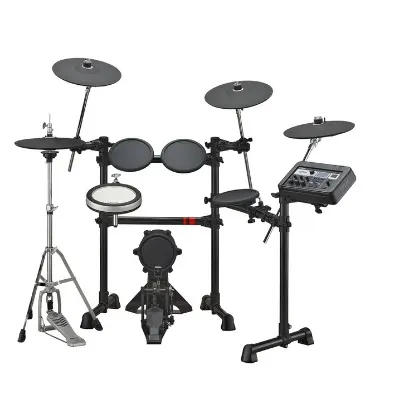
Prices are valid at publication and may change. Please refer to the product page for the latest price.
Shell Materials and Sound Characteristics
The wood species used to construct a drum shell is the primary factor determining its acoustic footprint, resonance, and projection. In acoustic drums, the physical properties of the wood fibers dictate how sound waves bounce inside the shell and radiate outward. Understanding these material differences helps you choose a kit that matches your sonic preferences and practice environment.

The Yamaha Stage Custom features shells made entirely of 100% birch, a hardwood highly prized in the recording industry. Birch is celebrated for its distinctive sound profile, characterized by crisp, boosted high frequencies, a slightly scooped midrange, and a powerful, punchy low-end. This acoustic clarity means the Stage Custom cuts through dense musical mixes with ease, making it a favorite for live performances in local music venues and jam studios. The focused attack of birch also makes it easy to mic and record, providing a clean, professional sound even with minimal audio processing.
The Yamaha Rydeen utilizes poplar wood for its shells, though buyers should verify the exact ply specifications for current inventory on the official Yamaha website or through local authorized dealer documentation, as regional specifications can occasionally vary. Poplar is a softer wood compared to birch, resulting in a warmer, more balanced tone with a softer transient attack. This creates a highly forgiving sound that blends smoothly in a room, making it excellent for practicing at home. The softer attack also means the Rydeen is less harsh to the ears when practicing in smaller spaces, such as typical urban apartments.
Living in a tropical climate like Singapore introduces specific environmental factors that drum owners must consider. High relative humidity can cause acoustic drum shells to absorb moisture, which can dull their resonance and, in extreme cases, cause the wood plies or bearing edges to warp. The Stage Custom’s birch shells are finished with a premium high-gloss lacquer that acts as a protective barrier against moisture absorption. The Rydeen, on the other hand, features a durable PVC wrap finish. This wrap is exceptionally resilient against physical scuffs and provides a solid shield against humidity, making the Rydeen a highly durable option for student environments or high-traffic practice spaces. Regardless of the kit you choose, it is highly recommended to store your drums in a well-ventilated room, away from direct sunlight, and to consult the manufacturer’s care instructions regarding climate control.
Hardware, Features, and Out-of-the-Box Readiness
Beyond the wood shells, the physical hardware and mounting systems play a critical role in both the sound of the drums and the ease of setting them up. Yamaha’s hardware design is widely regarded as some of the most robust and reliable in the music industry, drawing on decades of engineering expertise.
A major technical distinction between the two series lies in how the rack toms are mounted to the bass drum. The Stage Custom Birch utilizes the Yamaha Enhanced Sustain System (YESS). This proprietary mounting system attaches the tom bracket to the shell at the nodal point—the specific location on the shell where vibration is at its lowest. By securing the bracket with minimal bolt contact at this point, the YESS mount allows the shell to vibrate with maximum freedom, significantly increasing the drum’s resonance, sustain, and dynamic range.
In contrast, the Rydeen utilizes a more traditional tom mounting system. It features Yamaha’s classic CL940B ball-and-socket clamp, which penetrates the shell. While this design does not offer the same level of nodal isolation and resonance as the YESS mount, it provides an incredible practical benefit: near-infinite positioning flexibility. The resin ball-and-socket mechanism allows you to angle and position the rack toms precisely to suit your physical reach, which is particularly beneficial for younger players or absolute beginners who are still finding their ergonomic sweet spot.
When purchasing an acoustic drum kit, understanding “out-of-the-box readiness” is essential to avoid unexpected expenses. The Rydeen is typically marketed and sold as a complete package. This means the box usually contains not only the five-piece drum shell pack but also a full set of genuine Yamaha 600-series hardware, including a snare stand, hi-hat stand, bass drum pedal, and cymbal stands. Some local authorized dealers may even bundle these kits with basic cymbals and a drum throne, allowing you to start playing the moment you finish assembly.
The Stage Custom Birch, however, is most commonly sold as a “shell pack” (the drums themselves, plus the tom holder). To make the kit playable, you will need to purchase a separate hardware pack—such as the heavy-duty Yamaha HW780 or medium-weight HW680 series—along with a bass drum pedal, a drum throne, and a set of cymbals. Always verify the exact SKU, model specifications, and package inclusions with your retailer before completing your purchase, as buying hardware and cymbals separately can significantly increase your total initial investment.
Price Positioning and Value Assessment
Evaluating the financial investment of these two kits requires looking beyond the initial price tag and assessing long-term value, maintenance, and potential upgrade paths.
The Yamaha Rydeen occupies the budget-friendly entry-level price tier. It is designed to minimize the initial financial barrier for families, students, or adult hobbyists who want to explore drumming without committing a large sum of money. Because it is often sold as a complete bundle, the Rydeen represents a highly predictable, single-transaction purchase. If you eventually decide that drumming is not a long-term pursuit, the financial risk is kept to a minimum. Furthermore, because of Yamaha’s strong brand reputation, the Rydeen retains a healthy resale value on local secondhand marketplaces compared to lesser-known budget brands.
The Stage Custom Birch is positioned in the intermediate price tier, representing a higher upfront cost. However, from a long-term value perspective, the Stage Custom is often considered one of the most cost-effective drum kits on the market. Because the 100% birch shells deliver a professional-grade sound, this is a kit you will likely never outgrow. Many professional drummers keep a Stage Custom as their primary gigging or teaching kit because it sounds exceptional under microphones and can withstand years of constant transportation.
When comparing the two, you must calculate the total “out-the-door” cost. While a Stage Custom shell pack might appear only moderately more expensive than a complete Rydeen bundle on paper, adding the cost of a high-quality hardware pack, a comfortable drum throne, a reliable bass drum pedal, and a set of bronze cymbals can easily double the final price. If your budget is tight and absolute, the Rydeen is the logical choice. If you have the financial flexibility to invest in a modular setup over time, the Stage Custom offers far superior long-term value.
Side-by-Side Specification Comparison
To help you quickly compare the technical differences between these two popular Yamaha series, the table below outlines their key specifications based on official manufacturer documentation.
| Feature | Yamaha Stage Custom | Yamaha Rydeen |
|---|---|---|
| Shell Material | 100% Birch (6-ply) | Poplar (6-ply) (Verify regional variations) |
| Bearing Edge Type | 45-degree | 45-degree |
| Tom Mount System | YESS (Yamaha Enhanced Sustain System) | CL940B Ball Clamp & Pipe Mount |
| Hoops | 1.5mm Triple-Flanged Steel | 1.5mm Triple-Flanged Steel |
| Bass Drum Hoop | Matching Wood Hoop | Steel Hoop with Color Inlay |
| Finish Type | High-Gloss Lacquer | Durable PVC Wrap |
| Target Player Level | Intermediate / Advancing Beginner | Absolute Beginner / Student |
Final Verdict: How to Make Your Decision
Making your final decision comes down to matching your budget, physical space, and musical goals with the specific strengths of each drum kit.
Choose the Yamaha Stage Custom if:
- You want a professional-grade sound with maximum resonance, projection, and clarity.
- You plan to play in live bands, record in studios, or keep the drum kit for many years without needing an upgrade.
- You have the budget to purchase high-quality hardware, cymbals, and accessories separately to build a customized setup.
- You prefer a premium, high-gloss lacquered wood finish over a wrapped finish.
Choose the Yamaha Rydeen if:
- You are an absolute beginner, student, or hobbyist looking for a reliable, high-quality starter kit on a strict budget.
- You want a complete, hassle-free package that includes stands and pedals right out of the box.
- You require a highly durable, wrapped finish that can withstand physical wear and tear in a shared practice space or family home.
- You want an easy-to-tune instrument with a warm, forgiving tone that is well-suited for smaller practice environments.
Verify first if:
- You are purchasing from a third-party online marketplace or an unauthorized seller. Always confirm the exact bundle contents, SKU, and local warranty coverage. Buying from authorized local distributors ensures that your investment is protected against manufacturing defects and that you have access to genuine replacement parts if needed.
Frequently Asked Questions (FAQ)
Do these Yamaha drum sets come with cymbals and a throne?
In their standard factory configurations, neither the Yamaha Stage Custom nor the Yamaha Rydeen includes cymbals or a drum throne. However, because these accessories are essential for playing, local music retailers frequently create custom promotional bundles that package these items together with the drums. It is critical to read the product description and SKU details carefully before buying to confirm exactly what is included in the box.
Is it worth upgrading the drumheads on an entry-level Yamaha kit?
Yes, upgrading the factory stock drumheads is one of the most effective and affordable ways to dramatically improve the sound of both the Rydeen and the Stage Custom. Factory-installed heads on entry-level kits are typically thin, single-ply heads designed for basic demonstration purposes. Replacing them with high-quality aftermarket heads—such as double-ply clear heads for the toms to add punch and durability, or a coated snare head for warmer tones—will significantly expand the tuning range, control unwanted overtones, and unlock the true acoustic potential of your Yamaha shells.
Community discussion
Share your experience or ask a question. Comments are reviewed before publication.