
Choosing your first electric guitar is a pivotal decision that shapes your early playing experience, practice habits, and musical journey. Yamaha, Squier, and Epiphone stand as the three giants of the beginner guitar market, each offering distinct design philosophies, physical profiles, and tonal characteristics. Rather than one brand being universally superior, the ideal choice depends on your physical comfort, the genres of music you want to play, and your preference for classic heritage versus modern versatility.
By understanding how these brands differ in neck shape, scale length, pickup configuration, and hardware reliability, you can select an instrument that feels natural in your hands and inspires you to practice daily. Let’s break down how these three contenders compare across the essential categories that matter most to a new player.
The Contenders: Yamaha, Squier, and Epiphone at a Glance
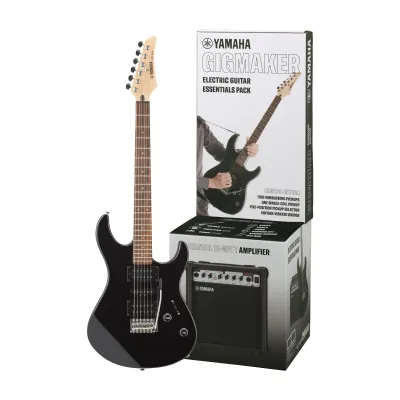
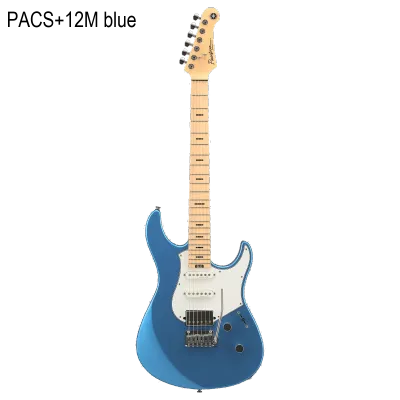
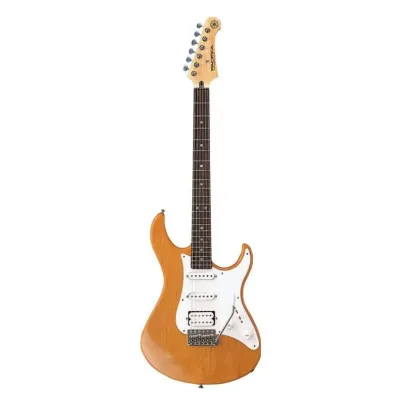
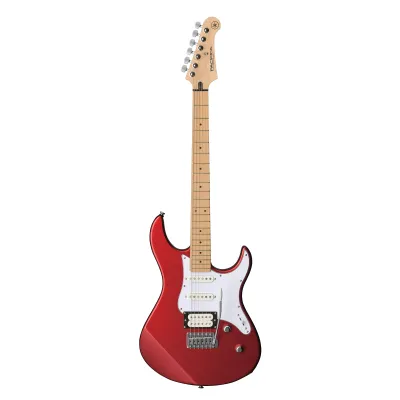
Yamaha has built a formidable reputation for manufacturing consistency and exceptional quality control across all price points. Unlike brands that rely heavily on vintage nostalgia, Yamaha focuses on modern engineering, ergonomic designs, and highly versatile electronics. Their entry-level Pacifica series, for example, has been a staple recommendation for music teachers and beginners for decades due to its reliable build quality and adaptable sound.
Products mentioned in this guide
![Yamaha PAC112V Electric Guitar Pacifica Pac Series Beginners Alder Body Maple Neck [LIMITED STOCK]](https://img.lazcdn.com/g/p/4619ed5d06bc90789cf20fd89cba1869.jpg_400x400q80.jpg_.webp)
Prices are valid at publication and may change. Please refer to the product page for the latest price.
Squier serves as the official entry point to the legendary Fender family, offering affordable versions of iconic instruments like the Stratocaster, Telecaster, Jazzmaster, and Mustang. When you choose a Squier, you are buying into a historic lineage of bright, clear tones and classic offset body shapes that have defined rock, indie, pop, and funk music for generations. Squier organizes its lineup into distinct series, ranging from the highly accessible Sonic series to the vintage-inspired Classic Vibe series, making it essential to verify the specific tier before purchasing.
Epiphone occupies a similar space as the authorized sibling of Gibson, bringing classic designs like the Les Paul, SG, and Explorer to budget-conscious players. Known for warm, thick tones and substantial body designs, Epiphone guitars are deeply rooted in classic rock, blues, and heavy metal history. Like Squier, Epiphone offers multiple tiers, from basic starter models to premium, artist-inspired editions, meaning the overall feel, weight, and hardware quality will vary depending on the specific series you select.
Playability and Neck Feel: What Suits Your Hands?
The physical interaction between your hand and the guitar neck is the single most important factor in how comfortable an instrument feels during long practice sessions. Each of these three brands approaches neck design with a different philosophy, which directly impacts how easy it is to press down strings and reach across the fretboard.

Squier guitars typically feature a modern “C”-shaped neck profile, which is relatively slim and fits comfortably in a wide variety of hand sizes. Most Squier models also utilize a 9.5-inch fretboard radius, offering a slightly curved surface that makes fretting open chords feel natural and ergonomic. Additionally, Squier instruments generally use a standard Fender scale length of 25.5 inches (the distance between the nut and the bridge), which creates higher string tension and a snappy, responsive feel under your fingers.
Epiphone guitars often feature a rounder, chunkier neck profile, frequently referred to as a “D” shape or a vintage rounded profile, though some modern models offer slimmer tapers. Epiphone instruments traditionally use a shorter scale length of 24.75 inches, which reduces the overall string tension. This shorter scale makes the strings feel slightly looser and easier to bend, which can be highly beneficial for beginners who are still developing finger strength.
Yamaha guitars, particularly the Pacifica series, are celebrated for their slim, modern neck profiles and flatter fretboard radiuses, often measuring around 13.75 inches. This flatter surface is highly favored by players who prefer a fast, smooth feel for single-note lines and modern playing techniques. Yamaha’s scale length matches the standard 25.5 inches, providing a familiar tension that balances clarity with a modern, streamlined physical profile.
Before making a final decision, it is highly recommended to visit a local music retailer to hold these different neck profiles in your hands. Pay close attention to how easily your thumb wraps around the back of the neck and whether your fingers can comfortably reach the lowest and highest frets without straining.
Tonal Profiles: Matching the Sound to Your Music
The pickups installed on an electric guitar act as its microphone, translating string vibrations into an electrical signal that your amplifier turns into sound. The type and arrangement of these pickups determine the guitar’s baseline tonal character and how well it aligns with your favorite musical genres.
Squier guitars are famous for their single-coil pickups, which produce a bright, crisp, and articulate sound with plenty of high-end “twang” and clarity. This tonal profile is highly sought after for genres like funk, country, indie rock, and clean blues, where every note needs to cut through the mix. However, traditional single-coil pickups are susceptible to a low-frequency hum when used with high-gain distortion, which is a key consideration if you plan to play heavy rock or metal.
Epiphone guitars primarily utilize humbucker pickups, which consist of two coils paired together to cancel out unwanted electrical noise and hum. Humbuckers produce a much warmer, thicker, and darker tone with a higher output level, making them exceptionally well-suited for heavy rock, blues-rock, jazz, and metal. If your musical goals involve thick rhythm riffs, sustaining guitar solos, and heavy distortion, the humbucker-equipped designs of Epiphone are a natural fit.
Yamaha offers a highly versatile solution for beginners who are still exploring their musical preferences by utilizing an HSS (Humbucker-Single-Single) pickup configuration on many Pacifica models. This layout places a humbucker at the bridge position for heavy, rock-oriented tones, alongside two single-coil pickups in the middle and neck positions for bright, clean sounds. This hybrid approach allows you to experiment with a vast range of genres on a single instrument without feeling locked into one specific tonal style.
While pickups can be upgraded or swapped by a technician as your playing style evolves, choosing an instrument with a baseline configuration that matches your current musical interests will make your early practice sessions far more rewarding.
Build Quality and Hardware: What to Expect Out of the Box
The reliability of a guitar’s hardware directly affects its tuning stability, intonation, and overall longevity. For a beginner, an instrument that constantly slips out of tune can be incredibly frustrating and may even discourage daily practice.
One of the most critical hardware decisions for a beginner is choosing between a hardtail bridge and a tremolo (vibrato) bridge. Many Squier and Yamaha models feature vintage-style tremolo bridges, which allow you to bend the pitch of all strings simultaneously using a whammy bar. While fun to use, budget tremolo systems can sometimes compromise tuning stability for beginners who do not yet know how to stretch strings or maintain the bridge system. Epiphone models, particularly those based on the Les Paul and SG designs, typically feature a fixed “Tune-o-matic” bridge and tailpiece, which offers excellent tuning stability and simpler string changes.
Regardless of the brand you choose, budget-friendly guitars are manufactured in large quantities and often require a professional setup to perform at their best. A professional setup involves adjusting the truss rod, setting the string height (action), and fine-tuning the intonation at the bridge. Investing in a setup at a local guitar workshop ensures the strings are close enough to the fretboard to press down easily without causing unwanted fret buzz.
When shopping, you will also encounter starter packs that bundle a guitar with an amplifier, cable, strap, gig bag, and picks. While these bundles offer immediate convenience and a lower initial cost, the included amplifiers and accessories are often basic entry-level components. If your budget allows, purchasing a standalone guitar and pairing it with a dedicated, modern practice amplifier or a headphone modeling device can often yield a significantly better sound and a more satisfying learning experience.
Final Verdict: How to Choose Your First Electric Guitar
To make your final decision, evaluate how your physical preferences, musical tastes, and budget align with what each brand does best.
- Choose Squier if you are drawn to classic Fender aesthetics, prefer a bright and articulate single-coil tone, and want to play genres like indie, funk, blues, or classic pop. The slim "C"-shaped neck and standard scale length offer a highly responsive, traditional playing experience.
- Choose Epiphone if your musical tastes lean toward classic rock, hard rock, blues, or heavy metal, and you prefer a warmer, thicker humbucker tone. The shorter scale length provides lower string tension for easier string bending, while the fixed bridge designs offer reliable tuning stability.
- Choose Yamaha if you want maximum tonal versatility to explore multiple genres, value highly consistent manufacturing quality, and prefer a modern, fast neck profile. The HSS pickup configuration makes it an exceptional all-rounder for undecided players.
Before finalizing your purchase, verify local stock availability at authorized dealers, confirm the specific series tier you are buying, and ensure your budget accounts for essential accessories like a cable, tuner, and a suitable practice amplifier.
Frequently Asked Questions (FAQ)
Do I need to buy an amplifier with my first electric guitar?
Yes, you will need some form of amplification to hear the full tonal range and sustain of an electric guitar, as the unplugged instrument is very quiet. While a traditional practice amplifier is the most common choice, modern beginners can also use compact headphone amplifiers, multi-effects modeling pedals, or digital audio interfaces connected to a computer or mobile device. If you choose a starter pack, verify whether an amplifier is included in the bundle to avoid purchasing duplicate equipment.
Is it better to buy a starter pack or the guitar by itself?
A starter pack is an excellent, cost-effective option for absolute beginners who want a convenient, all-in-one solution to start playing immediately. However, buying the guitar individually allows you to select a higher-quality instrument and pair it with a more capable practice amplifier that offers better sound quality and more versatile digital effects. Consider your budget and how quickly you expect to progress when deciding between the immediate convenience of a bundle and the long-term value of individual components.

Community discussion
Share your experience or ask a question. Comments are reviewed before publication.