
Starting your journey to learn Arabic is an incredibly rewarding decision, but as a complete beginner in Singapore, the first major hurdle is choosing the right learning materials. Arabic is a language rich in history, culture, and linguistic depth, featuring a unique writing system and phonetic structure that differ significantly from English. While digital apps and online videos can offer quick vocabulary practice, a well-structured textbook remains the most reliable foundation for mastering the language’s grammar, script, and syntax. The ideal beginner book should not only teach you how to read and write but also guide you through the cultural and practical contexts of the language.
To make an informed purchase, you must evaluate several critical factors, including the specific variant of Arabic taught, the pedagogical features of the book, and the availability of companion audio resources. Because language books are a long-term investment in your education, understanding how to select, source, and utilize these resources effectively is key to maintaining steady progress. This guide will help you navigate the essential decisions involved in choosing the best Arabic learning books for your self-study needs.
Define Your Arabic Learning Goals: MSA vs. Dialects
Before browsing the shelves of a bookstore or adding items to your online shopping cart, you must clarify which form of Arabic aligns with your personal and professional goals. The Arabic language exists in a state of diglossia, meaning there is a significant difference between the written, formal language and the spoken, regional dialects used in daily life. Purchasing a book without verifying which variant it teaches is one of the most common mistakes beginner self-learners make.
Products mentioned in this guide
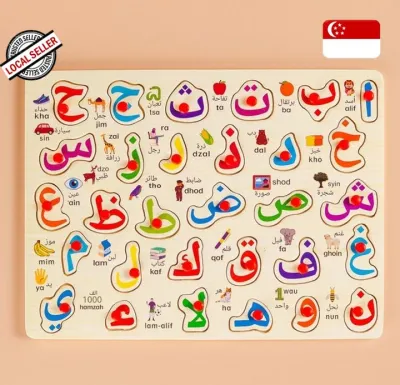
Prices are valid at publication and may change. Please refer to the product page for the latest price.
Modern Standard Arabic, often abbreviated as MSA or referred to as Fusha, is the universal written standard across the Arab world. It is the language used in literature, academic textbooks, newspapers, formal speeches, and news broadcasts. If your primary goal is to read classical texts, pursue religious studies, engage in professional translation, or work in international relations, an MSA-focused textbook is essential. MSA provides a highly structured grammatical framework that serves as an excellent foundation for all future Arabic studies.
Conversely, if your primary objective is to converse naturally with native speakers during travel, family gatherings, or casual social interactions, you may want to focus on a specific regional dialect, known as Ammiyya. Spoken dialects vary considerably from region to region. The most common dialects taught in beginner books include Egyptian Arabic, Levantine Arabic (spoken in Jordan, Lebanon, Syria, and Palestine), and Gulf Arabic. Learning a dialect directly allows you to speak more naturally in everyday situations, though these books typically place less emphasis on formal reading and writing.
To ensure you select the correct book, always check the preface, introduction, or back cover description. Look for explicit statements regarding whether the book teaches Modern Standard Arabic, Classical Arabic, or a specific colloquial dialect. Some modern textbooks offer an integrated approach, introducing basic MSA grammar alongside conversational dialect phrases. Deciding on your linguistic path early will prevent the frustration of learning formal vocabulary that might sound overly stiff in a casual cafe setting, or conversational phrases that do not help you read formal texts.
Essential Features to Look for in Beginner Arabic Textbooks
Once you have determined your linguistic focus, you should evaluate the pedagogical design of potential textbooks. A high-quality beginner Arabic book must be tailored specifically for self-learners, offering clear explanations that do not assume prior knowledge of Semitic languages. Look for books that incorporate three essential features to support your independent study routine.

First, a comprehensive script and pronunciation guide is non-negotiable. Because the Arabic alphabet is written from right to left and features letters that change shape depending on their position in a word—whether isolated, initial, medial, or final—the book must provide clear visual diagrams of letter formation. Look for textbooks that include stroke-order guides, which show you exactly how to draw each letter. Additionally, the pronunciation guide should explain the phonetics of unique Arabic sounds, such as the pharyngeal and glottal consonants, using clear anatomical descriptions or comparisons to familiar sounds.
Second, verify the availability and format of accompanying audio support. Arabic is a highly phonetic language, and attempting to learn its pronunciation solely from written text can lead to deeply ingrained habits that are difficult to correct later. The textbook should offer high-quality audio recordings of all vocabulary lists, dialogues, and pronunciation exercises. Check whether the audio is provided via physical CDs, downloadable MP3 files, a companion website, or QR codes printed directly on the pages. Ensure that these digital resources are still active and accessible, as older editions may rely on outdated websites or physical media that your modern devices cannot play.
Third, look for a structured progression paired with practical workbook exercises. A good textbook should introduce grammar concepts incrementally, starting with basic sentence structures and gradually moving toward complex verb conjugations and root patterns. Each chapter should feature dedicated practice exercises, such as translation tasks, fill-in-the-blank sentences, and reading comprehension passages. Having an integrated workbook or a companion practice book allows you to actively apply what you have learned, which is crucial for moving information from short-term memory to long-term retention.
Where to Source Arabic Learning Books in Singapore
Sourcing specialized language learning books in Singapore requires a strategic approach, as general bookstores may only carry a limited selection of introductory guides. Depending on your preference for physical browsing or online convenience, there are several reliable avenues to explore.
For those who prefer to handle a book and inspect its layout before purchasing, visiting specialized physical bookstores is highly recommended. In Singapore, cultural districts such as Kampong Gelam are home to independent bookshops that specialize in Arabic literature, educational materials, and religious texts. These shops often import high-quality textbooks directly from major publishing hubs in the Middle East and North Africa, offering resources that you are unlikely to find in mainstream retail chains. Additionally, major local bookstore chains occasionally stock popular international language learning series in their reference or foreign language sections, particularly in their larger flagship outlets.
If you choose to shop online, global and regional ecommerce platforms offer an extensive selection of international Arabic textbooks. When navigating these platforms, it is vital to verify the exact edition and ISBN of the book you intend to buy. Publishers frequently release updated editions that feature revised exercises, corrected errata, or entirely different digital audio access methods. Read customer reviews and check seller ratings carefully to ensure you are purchasing an authentic, complete copy rather than a poorly printed reproduction.
When ordering books from overseas distributors, always factor in the total cost in S$, including shipping fees and potential import taxes. Some international textbooks are sold as part of a bundle that includes access codes for online learning portals or companion apps. Before finalizing your purchase, verify whether these digital platforms have regional restrictions that might prevent you from registering or accessing the content from a Singapore IP address or local app store. Opting for books with freely downloadable audio files or standard web-based resources is often the safest choice for international self-learners.
How to Build a Structured Self-Study Routine
Acquiring a new language requires consistent, deliberate practice over an extended period. Simply owning the best textbook will not lead to proficiency unless you establish a structured self-study routine that maximizes the book’s pedagogical design.
To build an effective routine, set a realistic weekly study schedule that fits into your daily life in Singapore. Consistency is far more valuable than cramming; studying for 20 to 30 minutes every day is significantly more effective than attempting a single three-hour session on the weekend. Allocate different days of the week to specific language skills to keep your practice balanced. For example, you might dedicate Mondays to learning new letters and writing practice, Wednesdays to vocabulary acquisition and reading comprehension, and Fridays to listening to companion audio tracks and practicing pronunciation.
In addition to your primary textbook, incorporate supplementary tools to reinforce your learning. Flashcards—either physical index cards or digital spaced repetition apps—are incredibly effective for memorizing vocabulary lists and verb conjugations introduced in your chapters. You can also use free language learning apps on your smartphone during your daily commute to practice basic vocabulary, but remember to treat these apps as supplementary tools rather than replacements for the comprehensive grammar explanations provided by your textbook.
Finally, learn to pace yourself and recognize when to pause. Arabic grammar is highly systematic, built upon a unique system of three-letter consonant roots. Because advanced grammar rules build directly upon foundational concepts, rushing through the early chapters of your textbook can lead to confusion later on. If you find yourself struggling with the exercises at the end of a chapter, resist the urge to move forward. Spend a few days reviewing previous lessons, re-writing vocabulary, and re-listening to the audio tracks until you feel completely confident in your understanding before advancing to the next topic.
Frequently Asked Questions (FAQ)
Do I need to learn the Arabic alphabet before starting a beginner textbook?
Yes, it is highly recommended to learn the Arabic alphabet before diving into a comprehensive beginner textbook. While some introductory books rely heavily on English transliteration (writing Arabic words using Latin letters) to help beginners speak quickly, this approach has severe limitations. Transliteration cannot accurately represent the unique phonetic nuances of Arabic consonants, which can lead to poor pronunciation habits that are difficult to correct later. Learning the script early allows you to understand the natural structure of the language, improves your spelling accuracy, and ensures you can navigate standard textbooks and dictionaries with confidence.
Are digital editions or e-books better than physical workbooks for Arabic?
For complete beginners, physical workbooks are generally superior to digital editions. Writing by hand is a critical component of mastering the Arabic script, as it helps build the muscle memory required to connect letters smoothly from right to left. Physical pages also make it easier to flip back and forth between grammar explanations, vocabulary lists, and exercise sections. However, digital editions and e-books offer excellent portability and convenience, especially if they feature integrated audio links that allow you to listen to dialogues with a single tap. If you prefer using a digital textbook, consider pairing it with a physical notebook or a tablet with a stylus to ensure you still get sufficient handwriting practice.

Community discussion
Share your experience or ask a question. Comments are reviewed before publication.