
For most beginners, a standard 5A drum stick is the most reliable starting point, offering a balanced weight and thickness for general practice. However, the ideal choice ultimately depends on your hand size, physical strength, and the musical style you wish to play. Selecting the right pair is essential not only for comfort but also for developing proper technique and protecting your wrists from strain.
In Singapore, where many aspiring drummers begin their journey practicing on electronic drum kits or practice pads in high-density housing, choosing the right stick involves understanding how different materials and sizes interact with various playing surfaces. By learning how to decode the industry sizing system and physically inspecting your sticks before purchase, you can find a pair that feels like a natural extension of your hands.
Understanding the Drum Stick Sizing System
To the untrained eye, all drum sticks might look virtually identical, but the numbers and letters stamped near the grip tell a very specific story about their dimensions. The drum stick sizing system is a legacy standard that combines a number and a letter to describe the stick’s thickness, weight, and intended application. Understanding this code is the first step toward finding your ideal fit.
Products mentioned in this guide
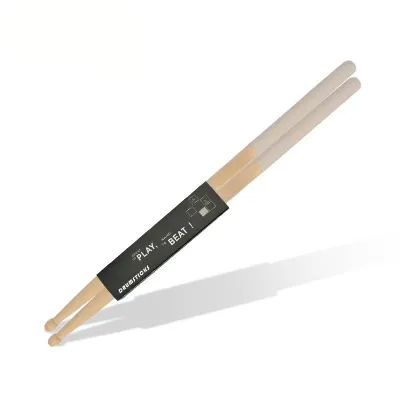
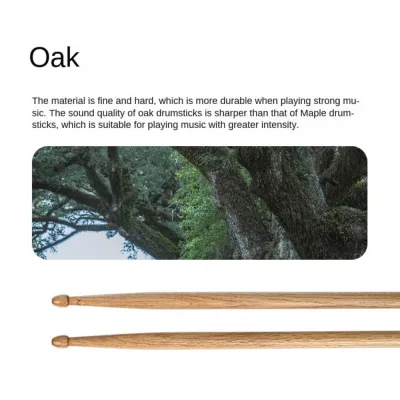
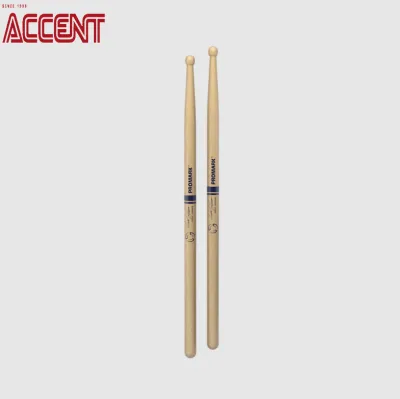
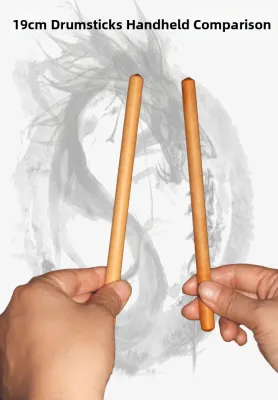
Prices are valid at publication and may change. Please refer to the product page for the latest price.
The number in the sizing code indicates the diameter or thickness of the stick. Counterintuitively, a lower number represents a thicker and heavier stick, while a higher number represents a thinner and lighter stick. For example, a 2B stick is significantly thicker and heavier than a 7A stick, with a 5A stick sitting comfortably in the middle of the spectrum.
The letter in the sizing code historically designated the recommended musical application. The letter “A” originally stood for orchestra, representing sticks designed for lighter, more delicate playing with thinner necks that allowed for subtle dynamics. The letter “B” stood for band, indicating heavier sticks designed for concert bands and brass bands where greater volume and durability were required. While these historical associations are no longer strict rules, the general characteristics of weight and thickness remain true today.
Matching these dimensions to your physical attributes is crucial for comfortable practice. If you have smaller hands or are still building wrist strength, a thinner stick allows you to maintain a relaxed grip without over-compensating with muscle tension. Conversely, players with larger hands often find that thicker sticks fill the palm better, preventing the hand from cramping during extended practice sessions.
Choosing the Right Wood and Tip Shape
The material of your drum sticks directly affects how they feel in your hands, how much shock they absorb, and how long they last. Most wooden drum sticks are crafted from one of three primary wood types, each offering distinct physical properties that suit different playing styles and preferences.

Hickory is the most popular and widely recommended wood type for drum sticks. It is highly favored for its exceptional shock absorption properties, which help cushion the impact of each stroke and reduce the amount of vibration transmitted to your wrists and forearms. Hickory also strikes an excellent balance between flexibility and density, making it a durable choice for daily practice.
Maple is a lighter, less dense wood option. Because of its lower density, a maple stick can be made thicker without becoming excessively heavy. This makes maple ideal for players who prefer the comfortable grip of a thicker stick but want to maintain a light, agile feel for fast patterns or low-volume practice. However, maple is generally less durable than hickory and may chip more easily under heavy use.
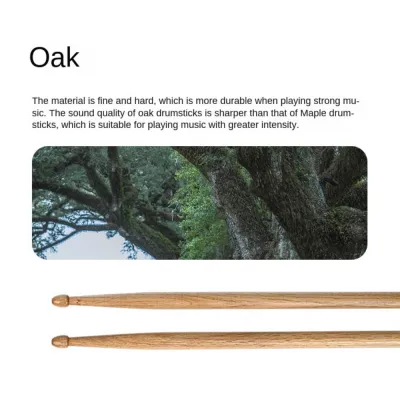
Oak is a very dense, heavy, and rigid wood. It offers maximum durability and is highly resistant to splintering, making it a favorite for heavy hitters. The trade-off is that oak does not absorb shock as well as hickory or maple, meaning more vibration is transferred back into your hands. Beginners should approach oak sticks with caution, as untrained wrists may experience fatigue or discomfort more quickly.
Beyond the wood type, the tip of the stick plays a major role in the sound and response you produce. Wood tips offer a warm, natural, and traditional tone on both drums and cymbals, but they can chip and fray over time. Nylon tips, which feature a plastic cap molded onto the end of the stick, produce a much brighter, cutting cymbal sound and are highly durable, making them excellent for protecting electronic drum pads from damage caused by splintered wood.
Tip shapes also influence your playing articulation. Teardrop tips produce a warm, focused tone with rich low-end frequencies. Round or ball tips offer a highly articulate, bright sound that remains consistent regardless of the angle at which the stick strikes the surface. Barrel tips provide a broader, punchier sound with increased volume, making them well-suited for louder practice sessions.
Recommended Starting Specifications for Beginners
When entering a music store, the sheer variety of choices can be overwhelming. To simplify your decision, it helps to focus on three standard specifications that serve as excellent baselines for beginners, depending on your physical comfort and musical goals.
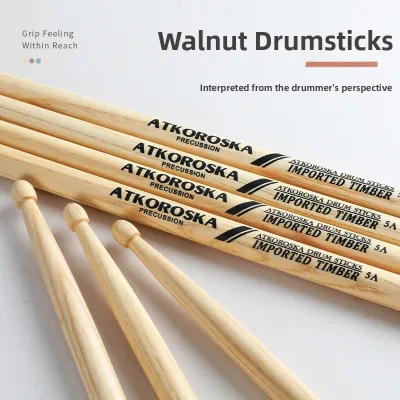
The 5A specification is the undisputed universal standard for beginners. With a moderate length of around 16 inches and a medium diameter, it provides a balanced weight that allows you to feel the natural rebound of the drum head without straining your muscles. It is versatile enough to handle everything from basic rudiment practice on a pad to playing rock, pop, or jazz on a full kit.
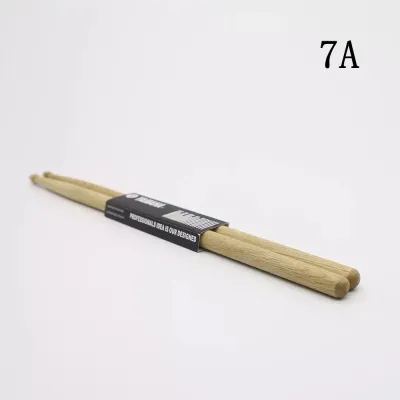
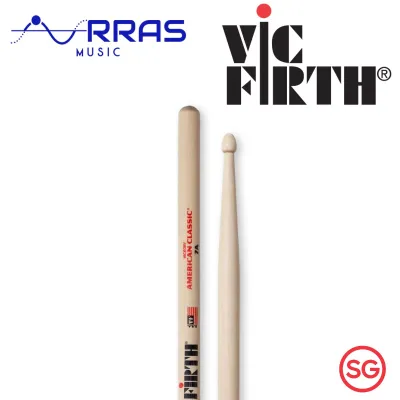
The 7A specification is a lighter, thinner alternative. It is highly recommended for younger players, individuals with smaller hands, or those who prefer a highly responsive, low-effort feel. The lighter weight of a 7A stick makes it easier to control at lower volumes, making it a popular choice for quiet home practice on electronic kits or for exploring softer musical genres.
The 2B specification represents the heavier, thicker end of the beginner spectrum. While it may feel bulky at first, a 2B stick is an exceptional tool for building hand strength, control, and proper wrist movement when practicing on a rubber practice pad. It is also the go-to choice for players who naturally gravitate toward heavy rock, metal, or marching band styles where maximum volume and durability are required.
As a general rule, beginners should start with a single pair of standard 5A hickory sticks. Use them for a few weeks to monitor how your hands and wrists react. If you experience persistent hand fatigue or struggle to maintain control, consider switching to a lighter 7A. If the sticks feel too flimsy or slip out of your grip, try moving up to a thicker 5B or 2B model.
How to Inspect and Buy Drum Sticks in Singapore
While buying drum sticks online is convenient, visiting a physical music store in Singapore is highly recommended for your first few pairs. Physically handling the sticks allows you to perform basic quality checks that ensure you are purchasing a straight, well-balanced, and matched pair.
To check for straightness, take the sticks to a flat surface, such as a glass counter or a smooth table in the store. Roll each stick slowly across the surface while watching the tip. If the tip wobbles or hops as the stick rolls, the wood is warped. Warped sticks will not rebound consistently, which can hinder your ability to develop a proper, even playing technique.
Next, assess the weight and pitch match of the pair. Hold one stick in each hand to feel if they are balanced, then swap hands to confirm. You can also gently tap each stick on a practice pad or a hard surface near your ear; they should produce a similar pitch. A significant difference in pitch indicates a difference in wood density, meaning the sticks will feel unbalanced when you play.
Visiting physical music retailers in established shopping hubs, such as those around City Hall, Bras Basah, or Orchard, gives you the opportunity to test different sizes on in-store practice pads. Many dedicated drum shops and music stores welcome beginners and are happy to let you hold and test various models before making a decision.
When shopping, it is best to buy from authorized dealers and reputable music retailers rather than purchasing extremely cheap, unbranded bundles on general online marketplaces. Low-quality, unbranded sticks are often made from poorly cured wood that warps quickly, splinters easily, and lacks proper weight matching, which can ultimately disrupt your practice and damage your equipment.
Frequently Asked Questions (FAQ)
How often should beginners replace their drum sticks?
Beginners should replace their drum sticks as soon as they show signs of structural damage, such as deep cracks along the grain, severe splintering, or warping. Normal wear and tear, such as minor chipping around the shoulder from hitting cymbals or fraying at the tip, is expected over time and does not require immediate replacement.
However, continuing to play with severely damaged or cracked sticks is highly discouraged. A cracked stick can splinter completely mid-stroke, which can cause painful splinters in your hands or fly off and cause injury. Furthermore, playing with chipped wood tips or splintered shoulders can easily dent, puncture, or tear acoustic drum heads and expensive electronic mesh pads.
Do I need different drum sticks for electronic and acoustic drums?
You do not strictly need different drum sticks for electronic and acoustic drums, as standard wooden sticks work perfectly well on both mesh and rubber electronic pads. However, the condition of the sticks you use on an electronic kit is incredibly important for protecting your equipment.
If you use wooden sticks, ensure they are kept exclusively for your electronic kit and never used on acoustic cymbals, which can create sharp splinters in the wood. Alternatively, choosing nylon-tipped sticks is highly recommended for electronic players, as the smooth plastic tips will not splinter or snag on delicate mesh heads. Specialized electronic drum sticks with dampening features are also available as an optional upgrade to reduce physical pad wear and acoustic room noise.

Community discussion
Share your experience or ask a question. Comments are reviewed before publication.