
Selecting your first kawai piano is a pivotal step in your musical journey. For beginners, the ideal instrument must balance responsive touch, authentic tone, and practical features that support daily practice. Kawai offers exceptional options across both digital and acoustic formats, each catering to different learning environments, budgets, and long-term goals. For those seeking convenience, low maintenance, and headphone practice, the digital KDP and CN series provide excellent weighted key actions. For learners committed to traditional training with the budget and space to match, Kawai’s K-series acoustic uprights deliver unmatched mechanical feedback and organic resonance. The right choice ultimately depends on your lifestyle, living environment, and practice habits.
What to Look for in a Beginner Kawai Piano
When learning to play, developing finger strength and muscle memory is paramount. A beginner needs an instrument that behaves like a traditional acoustic grand, training the hands to control dynamics and articulation. Kawai is globally recognized for its action technologies, which focus on replicating this physical feedback across both digital and acoustic lines.
Key Action and Touch Response The mechanism beneath the keys determines how effectively a student builds proper finger technique. Digital models utilize weighted hammers rather than springs to simulate the resistance of acoustic strings. Graded actions, where lower keys feel heavier than higher keys, are essential for realistic practice. Beginners should avoid unweighted or semi-weighted keyboards, as they fail to build the hand strength required for graded music exams and expressive playing. Kawai’s proprietary actions, such as the Responsive Hammer Compact and Responsive Hammer III, are specifically engineered to mimic the swing and gravity of acoustic hammers.
Products mentioned in this guide
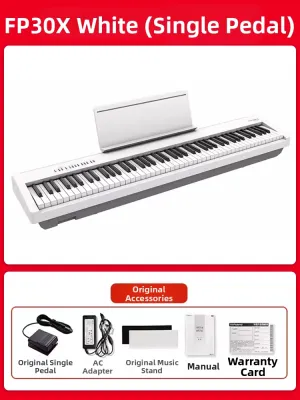
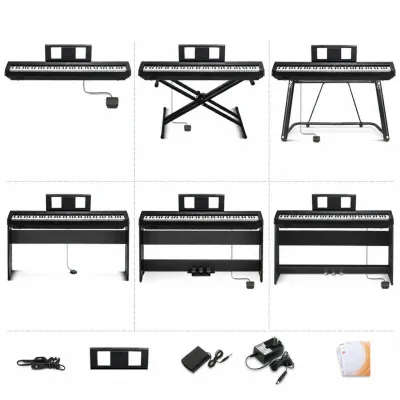
![Casio CDP-S110 Digital Piano [FREE X-STAND] Portable 88 Weighted Keys Instrument for Beginners](https://img.lazcdn.com/g/p/1ca75d35c2c7652c9fdadfa1cdd44a96.jpg_400x400q80.jpg_.webp)
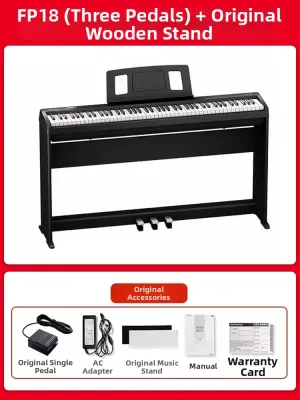
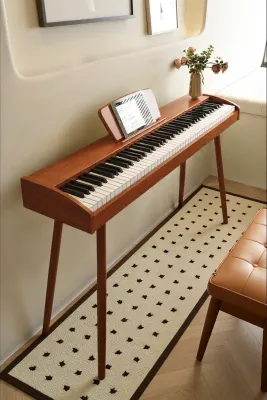
Prices are valid at publication and may change. Please refer to the product page for the latest price.
Sound Engine and Tone Generation Digital pianos replicate acoustic sound using high-resolution digital sampling or physical modeling. Kawai captures the acoustic profile of their premier concert grand pianos, such as the Shigeru Kawai SK-EX, across multiple dynamic layers. This ensures that a soft key press yields a gentle, warm tone, while a hard strike produces a bright, powerful sound. Prioritizing a rich, balanced dynamic range is far more critical than raw volume, as it trains the beginner’s ear to recognize subtle tonal variations and control their playing volume through touch alone.
Connectivity and Learning Features Modern learning is highly interactive, and digital features can significantly accelerate progress. Digital models often feature Bluetooth MIDI and Audio, allowing seamless connection to apps like Kawai’s PianoRemote or third-party instructional software. Built-in metronomes help develop precise timing, while integrated lesson books allow students to practice left- and right-hand parts independently. Headphone jacks are invaluable for silent practice, permitting students to practice at any hour without disturbing family or neighbors. Many models also feature a Virtual Technician function, allowing users to customize parameters like damper resonance and touch curves.
Space, Weight, and Environmental Factors Living conditions heavily dictate which instrument is viable for your home. Digital console pianos are relatively lightweight, often under 50 kg, and easily fit into compact rooms or apartments. Acoustic uprights are heavy, permanent fixtures weighing 200 kg or more, requiring professional moving services and reinforced flooring. Furthermore, environmental conditions are critical in tropical climates like Singapore, where relative humidity levels regularly exceed 80%. Acoustic pianos are highly susceptible to moisture damage, causing wood and felt components to swell, which leads to sticky keys and rusted strings. Acoustic owners must invest in dedicated piano dehumidifiers or heater rods to maintain stable internal conditions, whereas digital pianos require only a stable power supply and basic dust protection.
Kawai Digital Pianos for Beginners
Kawai’s digital piano lineup offers diverse options categorized by commitment level, space requirements, and budget. These instruments provide excellent modern alternatives to traditional acoustics, combining advanced key action simulations with convenient digital features.

Entry-Level Console Digital Pianos (KDP Series)
The Kawai KDP series represents the entry point for dedicated home digital pianos. These instruments are designed as sleek, compact consoles that blend seamlessly into modern living spaces. Models in this line, such as the KDP120, utilize Kawai’s Responsive Hammer Compact II (RHCII) keyboard action. This mechanism uses weighted hammers without springs, delivering a remarkably smooth and realistic touch that closely mimics a grand piano.
For beginners testing their long-term commitment, the KDP series offers an exceptional balance of performance and affordability. It provides the essential tools for early-stage learning without requiring a massive upfront financial investment. The cabinet includes a sliding key cover and a sturdy triple-pedal system, ensuring students learn proper pedaling techniques from day one. Additionally, the KDP120 features built-in lesson songs from Alfred’s Basic Piano Library, allowing beginners to practice standard curriculum pieces at their own pace.
Before purchasing, it is wise to verify the exact specifications with an authorized dealer. Key metrics to check include the polyphony count, which is typically 192 notes, and the speaker output, often 40 watts total. These specifications ensure the instrument has the technical headroom to support your progress through intermediate grades without dropping notes during complex, sustained passages. Spatial Headphone Sound (SHS) technology is also included, which reduces ear fatigue during long silent practice sessions.
Mid-Range Console Digital Pianos (CN Series)
For students committed to long-term practice or preparing for formal graded examinations, the CN series offers a substantial upgrade in both touch and tone. Models like the CN201 and CN301 feature the highly regarded Responsive Hammer III (RHIII) keyboard action. This action incorporates structural counterweights embedded within each key, replicating the physical feedback of an acoustic piano key returning to its resting position. It also features a triple-sensor key detection system and let-off simulation, which replicates the subtle “notch” felt when playing acoustic grand keys very softly.
The CN series also introduces superior sound technology. These models utilize Progressive Harmonic Imaging (PHI) with 88-key stereo sampling, capturing the distinct character of the Shigeru Kawai SK-EX concert grand. The speaker systems are engineered in partnership with audio specialists to deliver a clearer, more spatial sound projection that wraps around the player. The CN301, for instance, includes a four-speaker system with top-facing projection ports to simulate the upward sound dispersion of an acoustic instrument.
This tier provides excellent transition value. As students advance, they require nuanced control over dynamics (pianissimo to fortissimo) and realistic pedal response, including half-pedal capabilities. The CN series delivers these subtle mechanical behaviors, bridging the gap between digital convenience and acoustic realism. Beginners should test the keybed in a showroom to experience the differences in key weight and surface texture, such as Kawai’s Ivory Touch key surfaces, which absorb moisture to prevent slipping during intense practice sessions.
Kawai Acoustic Pianos for Beginners
For learners who want a traditional instrument and have the environment to support it, Kawai’s acoustic upright pianos offer an unmatched organic playing experience. These pianos rely on physical hammers, strings, and solid wood soundboards to produce sound, offering infinite tonal variety.
Compact Upright Pianos for Small Spaces
If you prefer the authentic resonance of a traditional acoustic instrument but face space limitations, Kawai’s compact upright pianos are an excellent solution. Models such as the K-15 or the entry-level K-200 feature a lower cabinet height, typically between 110 cm and 114 cm. This smaller profile allows them to fit comfortably into apartments, HDB flats, or study rooms where a full-sized upright would be physically imposing.
Despite their compact dimensions, these models retain a genuine acoustic action and solid wood soundboards. Kawai’s K-series uprights utilize the Millennium III action, which incorporates parts made from ABS-Carbon composite. This material is incredibly strong and rigid, allowing for faster repetition and greater control. Crucially for tropical regions, ABS-Carbon does not shrink or swell with humidity fluctuations, making these instruments far more stable and durable than traditional all-wood actions.
When placing a compact acoustic piano, consider the room’s acoustics. Sound projects from the back of the instrument, so positioning it slightly away from the wall and avoiding corners can prevent the sound from becoming muddy or overwhelming. Additionally, acoustic uprights require strict environmental controls. You must run a built-in heater rod or keep the room dehumidified to maintain a stable relative humidity of around 50% to 60%, protecting the soundboard from cracking and the strings from rusting. Regular tuning by a certified technician is also mandatory.
Standard Upright Pianos for Serious Beginners
For families committed to a lifetime of classical piano study, investing in a standard-height upright piano like the Kawai K-300 is a premier choice. Standing at approximately 122 cm tall, these instruments feature a larger solid spruce soundboard and longer bass strings. This physical size advantage translates directly into a richer, deeper bass response, a more resonant midrange, and a highly expressive dynamic range that no digital piano can fully replicate.
The long-term value of a standard Kawai acoustic upright is exceptionally high. Unlike digital electronics, which can become obsolete or experience component wear over decades, a well-maintained acoustic piano can last for generations. They retain their resale value remarkably well, making them a secure investment for dedicated students aiming for high-level conservatoire exams.
However, buyers must carefully plan for the physical demands of a standard upright. These instruments weigh over 220 kg and require specialized professional movers. Before purchasing, measure your hallways, doorways, and lift capacities. In multi-story residences or HDB blocks, ensuring the elevator can accommodate the piano’s dimensions is a critical pre-delivery step. Additionally, consider the extended key length of the K-300, which provides more leverage and a more consistent touch weight when playing further up the key, closer to the fallboard.
Digital vs. Acoustic: Choosing the Right Kawai Path
Deciding between a digital and acoustic Kawai piano requires balancing your lifestyle, living situation, and long-term musical goals. Both formats offer distinct advantages, but they cater to very different household dynamics.
| Dimension | Kawai Digital Pianos (KDP / CN Series) | Kawai Acoustic Pianos (K-Series Uprights) |
|---|---|---|
| Maintenance | None required; regular dusting and stable power supply. | Regular tuning (twice yearly); constant humidity control (heater rod). |
| Volume Control | Adjustable volume; dual headphone jacks for silent practice. | Natural acoustic volume; optional hand-operated mute pedal. |
| Touch Authenticity | Simulated weighted action; excellent for early to mid-grades. | Genuine mechanical action; essential for advanced classical training. |
| Long-Term Costs | Low; minimal electricity usage; no regular servicing costs. | Higher; ongoing tuning, regulation, and electricity for dehumidifiers. |
| Portability | High; lightweight (35–50 kg); can be disassembled and moved easily. | Low; heavy (200+ kg); requires professional piano movers. |
Lifestyle and Living Situation Your daily schedule and home layout play a decisive role in this choice. In high-density housing environments, such as apartments and condominiums, noise control is a primary concern. Digital pianos allow you to practice late at night or early in the morning using headphones, ensuring you never disturb neighbors. Acoustic pianos, even with a practice pedal engaged, produce significant sound that penetrates walls and floors, which may restrict your practice hours. Furthermore, acoustic uprights exert concentrated point pressure on floors, requiring protective caster cups to prevent damage to parquet or tile surfaces.
Learning Goals Consider the student’s musical aspirations. For casual players, adult hobbyists, or those focused on pop, jazz, and contemporary music, a digital piano is highly advantageous. It offers varied instrument sounds, recording capabilities, and easy integration with computer software. Conversely, classical students aiming for advanced conservatory grades require the physical feedback, string resonance, and pedaling nuance that only a genuine acoustic action can provide.
Purchasing Tips and Pre-Delivery Verification
When purchasing a kawai piano, always buy through an authorized local distributor. This ensures that your instrument comes with a genuine manufacturer warranty, which typically covers electronic components for digital models and structural elements for acoustic models. Authorized dealers also guarantee that the piano has been shipped and stored under climate-controlled conditions, preventing premature wear before it even reaches your home.
In-Store Testing Never buy a piano sight unseen. Visit a showroom to test candidate models in person. Even as a beginner, sit at the keyboard and press the keys. Pay attention to the physical resistance; the keys should feel smooth, consistent across the entire keyboard, and return quickly to their resting position without clicking. Listen to the tone as you play notes from the lowest bass to the highest treble. The sound transition should be smooth and even, without sudden jumps in volume or harshness. Test the pedals to ensure they offer comfortable resistance and do not squeak.
Delivery and Placement Preparing your home for delivery is crucial. For digital models, ensure the designated spot has access to a grounded power outlet and use a high-quality surge protector to safeguard the internal circuit boards from voltage spikes. For acoustic models, place the piano away from direct sunlight, external windows, and air conditioning vents, as rapid temperature shifts will throw the instrument out of tune. Once delivered, allow an acoustic piano to acclimatize to your room’s specific temperature and humidity for two to four weeks before scheduling its first tuning.
Frequently Asked Questions (FAQ)
Can I take graded piano exams on a digital piano?
Yes, most major international examination boards, such as the ABRSM and Trinity College London, permit the use of high-quality digital pianos for practical exams, particularly in the initial and intermediate grades. However, the instrument must feature a full 88-key keyboard, fully weighted graded action, and a functional sustain pedal. For higher-level classical exams, teachers generally recommend transitioning to an acoustic piano to master the delicate tonal control and pedal techniques required. Always consult your teacher and the specific exam syllabus before registering.
How often does a Kawai acoustic piano need tuning?
A Kawai acoustic piano should be tuned at least twice a year. The wood, metal strings, and felt parts inside the piano are highly sensitive to changes in temperature and humidity. Over time, the high tension of the strings naturally causes them to stretch and slip out of pitch. Regular tuning keeps the instrument sounding its best and prevents uneven tension from warping the cast-iron plate or soundboard. Always hire a qualified, professional piano technician to perform these tunings, as improper DIY adjustments can cause permanent damage to the tuning pins.

Community discussion
Share your experience or ask a question. Comments are reviewed before publication.