
Choosing to learn the piano as an adult is a deeply rewarding decision, but selecting your first instrument can feel overwhelming. Unlike children, adult learners often bring a clear sense of their musical preferences, whether they aspire to play classical masterpieces, accompany themselves while singing pop songs, or explore digital music production. Finding the right keyboard piano involves balancing these personal goals with practical considerations like budget, available living space, and the specific features that support proper finger technique.
In Singapore, where modern living spaces require smart layout choices, a digital keyboard offers a highly practical alternative to a traditional acoustic piano. Digital instruments do not require regular tuning, are unaffected by the local tropical humidity, and allow for silent practice through headphones. By focusing on reputable brands and understanding which technical specifications truly matter, you can select an instrument that keeps you motivated and supports your musical growth for years to come.
Key Features to Look for in a Beginner Keyboard Piano
When evaluating keyboard pianos, the number of keys is the first major specification to consider. A standard acoustic piano has 88 keys, and this full-size layout is highly recommended for adult beginners. While 61-key and 76-key instruments are lighter and more compact, they will eventually limit your progress as you attempt classical pieces or complex modern arrangements that span a wider range of octaves. Starting with an 88-key instrument ensures you will not need to upgrade your keyboard prematurely as your playing skills advance.
Products mentioned in this guide
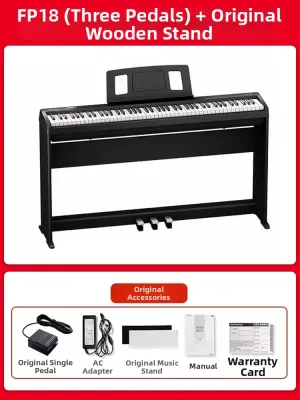
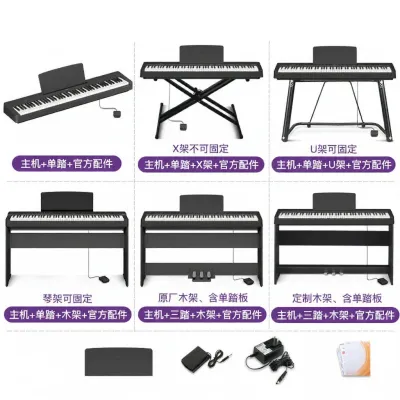
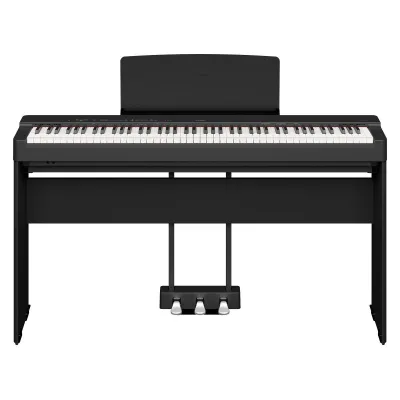
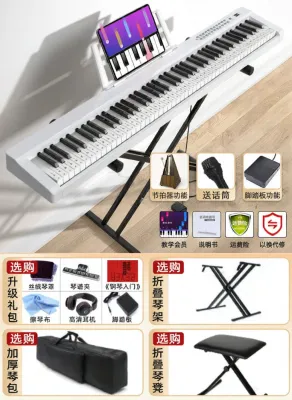
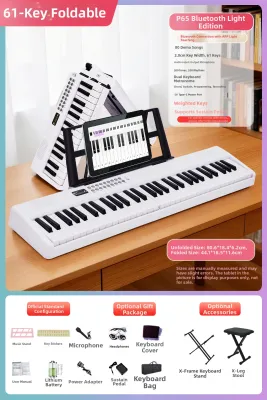
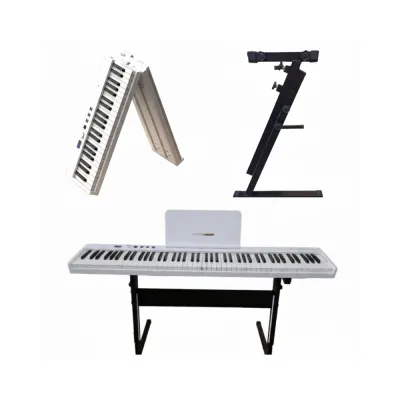
![[ammoon]61 Keys Digital Electronic Keyboard / Piano With MicrophoneUSB CableUser Manual](https://img.lazcdn.com/g/p/e4a8e0dd7c6374c271afdc54fc91cc43.jpg_400x400q80.jpg_.webp)
Prices are valid at publication and may change. Please refer to the product page for the latest price.
Key action is the mechanical design that determines how the keys feel when you press them, and it is the most critical factor in developing proper finger strength and control. Synth-action keys are light and springy, offering no resistance, which is common in budget keyboards but unsuitable for learning piano technique. Semi-weighted keys offer a slight compromise, but fully weighted or hammer-action keys are the gold standard. Fully weighted keys simulate the physical resistance of the wooden hammers inside an acoustic piano, allowing you to build the hand strength and dynamic control necessary to play expressively.
Polyphony refers to the number of individual notes or voices the keyboard can produce at the same time. When you play fast passages or use a sustain pedal, notes continue to ring out; if your keyboard has low polyphony, older notes will be cut off abruptly to make room for new ones. For an adult beginner, a minimum of 64-note polyphony is acceptable, but 128-note polyphony or higher is ideal for a seamless, natural sound. This ensures that even complex chords and sustained passages sound rich and complete.
Modern connectivity options greatly enhance the learning experience for adult beginners. A USB-to-Host or MIDI port is essential for connecting your keyboard to a computer, tablet, or smartphone, allowing you to use interactive learning apps, music notation software, or digital audio workstations. Bluetooth connectivity is increasingly common, enabling you to stream audio from your phone through the keyboard’s speakers or transmit MIDI data wirelessly. Finally, ensure the instrument has a dedicated headphone jack (either 3.5mm or 6.35mm) so you can practice at any hour without disturbing others.
Top Keyboard Piano Brands for Adult Learners
Yamaha is one of the most established names in the musical instrument industry, recognized for its long history of manufacturing both acoustic and digital pianos. For adult beginners, Yamaha digital pianos are highly regarded for their authentic sound samples, which are often recorded directly from their flagship concert grand pianos. Their entry-level weighted keyboards typically feature Graded Hammer Standard (GHS) action, which provides a heavier touch in the lower register and a lighter touch in the higher keys, closely mimicking the natural feel of an acoustic instrument.

Roland is celebrated for its focus on advanced sound engines and durable build quality. Rather than relying solely on static audio recordings, Roland often utilizes sophisticated sound modeling technology to create a dynamic and responsive piano tone. Their entry-level weighted keyboards frequently feature the PHA-4 Standard key action, which includes an escapement mechanism and ivory-feel key surfaces. This texture helps absorb moisture from your fingers, preventing slipping during extended practice sessions and providing a highly tactile playing experience.
Casio has successfully redefined its reputation from making simple electronic toys to producing highly competitive, modern digital pianos. Their Privia and Casiotone lines are particularly popular among adult beginners who prioritize space-saving designs and modern aesthetics. Casio instruments often pack advanced features, such as smart device integration and interactive learning tools, into slim, lightweight cabinets. They offer excellent value for money, providing fully weighted key actions and high-quality tones at highly accessible price points.
Korg is a brand highly favored by keyboardists, synthesist enthusiasts, and music producers alike. While they are famous for professional workstations, their beginner-focused digital pianos offer a unique blend of minimalist design and versatile sound libraries. Korg instruments often feature clean, uncluttered control panels that allow you to focus entirely on playing without being distracted by too many buttons. Their keybeds, such as the Natural Weighted Hammer Action (NH), provide a comfortable, solid feel that is well-suited for both classical practice and contemporary music styles.
How to Match a Keyboard to Your Learning Goals and Space
Living in Singapore often means managing limited floor space in HDB flats or condominiums, making the physical footprint of your instrument a key decision factor. If you have a dedicated spot against a wall, a slim console digital piano with an integrated wooden stand offers a clean, furniture-like appearance that complements home decor. If you need a more flexible setup, a portable slab keyboard is an excellent choice. These can be placed on a folding stand during practice and stored away in a closet or under a bed when you need to reclaim your living space.
Your specific musical goals should also dictate the type of keyboard you choose. If your heart is set on classical training, you should prioritize an 88-key instrument with the most realistic weighted action your budget allows, as classical repertoire demands precise control over dynamics and touch. On the other hand, if you are interested in composing pop songs, exploring electronic music, or working with digital audio software, a lighter 61-key or 76-key keyboard with a wide variety of built-in instrument sounds, rhythm accompaniments, and strong MIDI controller features might be more aligned with your creative path.
When planning your purchase, it is important to look beyond the price of the keyboard itself and allocate your budget in S$ to include essential accessories. A complete setup requires a sturdy stand—such as a double-braced X-stand or a Z-stand—to prevent the keyboard from shaking while you play. You will also need a comfortable, height-adjustable bench to maintain proper playing posture and prevent wrist strain. Finally, ensure you budget for a progressive sustain pedal (also known as a damper pedal) that supports half-pedaling, as the basic plastic footswitches included with many entry-level keyboards do not allow for realistic pedaling technique.
Where to Buy and What to Verify Before Purchasing
Visiting authorized local music showrooms in Singapore is highly recommended before making your final decision. Testing different instruments in person allows you to feel the weight of the keys, listen to the speaker quality, and compare the user interfaces of various brands. Buying from an authorized local retailer also ensures that your instrument comes with a valid local warranty, professional after-sales support, and reliable delivery services, which is especially important for heavier console-style digital pianos.
If you choose to purchase your keyboard through online marketplaces or international retailers, there are several critical factors to verify. First, check the seller’s ratings and return policies carefully. Second, confirm that the power adapter supplied with the keyboard is compatible with Singapore’s electrical standards, which require a Type G plug and a 230V, 50Hz power supply. Imported units from other regions may come with different plugs or voltage requirements, and their manufacturer warranties are often not valid locally, leaving you unprotected if the instrument develops a technical fault.
Upon delivery of your new keyboard, take the time to inspect the package thoroughly before signing for it. Check the outer box for any signs of impact or puncture that might indicate rough handling during transit. Once unboxed, inspect the chassis of the keyboard for physical cracks or misaligned seams. Plug the instrument in and play every single key from left to right, checking that each note sounds clearly at different volume levels and that there are no sticky keys or unusual mechanical clicking noises. Verify that all standard accessories, such as the music rest, power supply, and user manual, are present in the box.
Frequently Asked Questions (FAQ)
Do I need an 88-key keyboard to start learning piano?
While you can learn basic music theory, note reading, and simple melodies on a 61-key or 76-key keyboard, an 88-key keyboard is highly recommended for adult beginners. Standard piano music quickly utilizes notes outside the range of smaller keyboards. Starting with a full-size 88-key instrument ensures that you build correct spatial awareness of the keyboard and prevents you from having to purchase a replacement instrument as your repertoire and technical skills expand.
How can I practice quietly in a shared living space?
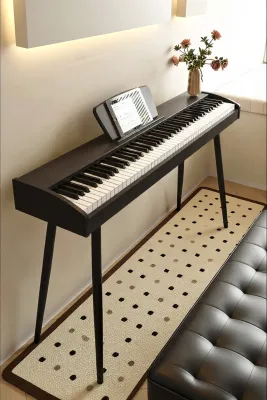
To practice quietly without disturbing family members or neighbors, plug a pair of closed-back headphones into your keyboard’s headphone jack. Closed-back headphones prevent sound from leaking out into the room while blocking external noise. Additionally, because the physical action of striking weighted keys can create low-frequency vibrations that travel through the floor, placing a thick utility mat or rug underneath your keyboard stand can help absorb these mechanical vibrations.
What is the difference between a digital piano and a keyboard?
A digital piano is designed specifically to replicate the acoustic piano experience, focusing on 88 weighted keys, realistic hammer action, and high-quality piano tones housed in a simple cabinet. An electronic keyboard is typically lighter, features unweighted or semi-weighted keys, and focuses on versatility, offering hundreds of different instrument sounds, automatic rhythm accompaniments, and built-in tools for music production and sound design.

Community discussion
Share your experience or ask a question. Comments are reviewed before publication.