
Finding the perfect piano for kids involves balancing your child’s physical growth, developmental stage, and long-term interest with your household budget and living arrangements. The ideal instrument is not simply the most expensive one available; rather, it is the one that matches their current hand size, finger strength, and coordination. Introducing a heavy, fully weighted acoustic piano to a toddler can lead to physical frustration, while giving an unweighted, toy-like keyboard to an older child starting formal lessons can hinder their technical progress and dynamic control.
To guide your selection, think of the process as a structured progression. Very young children (ages two to five) benefit most from compact, unweighted keyboards that encourage sensory exploration and basic rhythm. Primary school beginners (ages six to nine) require touch-sensitive keys—typically on a 61-key or 76-key instrument—to learn the basics of dynamics and hand posture. Older children and intermediate students (ages ten and above) require a full-sized, 88-key digital piano with weighted hammer action or a traditional acoustic piano to build the finger strength and expressive control necessary for formal classical or contemporary repertoires. By matching the instrument to your child’s developmental stage, you can foster a positive learning experience without over-investing in features they cannot yet use.
How to Evaluate Keyboards and Pianos for Children
Before exploring specific models, it is essential to understand the core technical specifications and physical attributes that define keyboards and digital pianos. These factors directly influence how a child learns, how long the instrument will remain useful, and how well it fits into your home.
Products mentioned in this guide
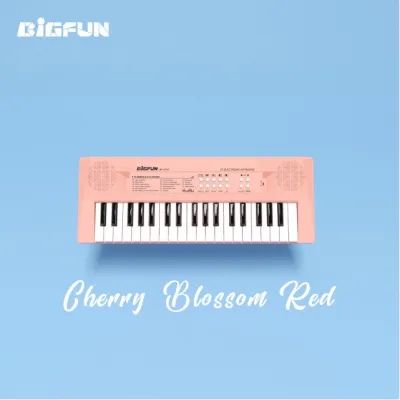
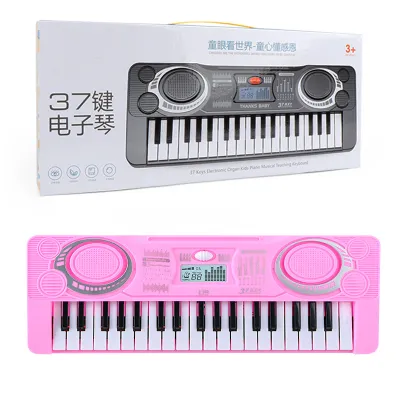
![Yamaha PSR-E283 Portable Digital Keyboard ⚫ Black 61 Keys PSRE283 AC Power Adapter PSR E283 Kids Musical Electronic Electric Instrument Absolute Piano The Music Works Store [LIMITED STOCK]](https://img.lazcdn.com/g/p/16a0f813c10e32e5e036a774ae933031.jpg_400x400q80.jpg_.webp)
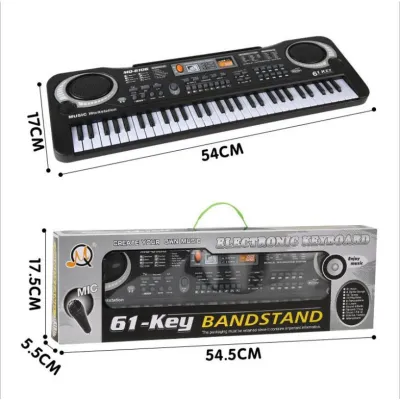
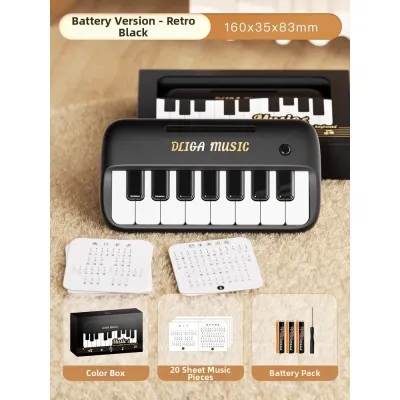
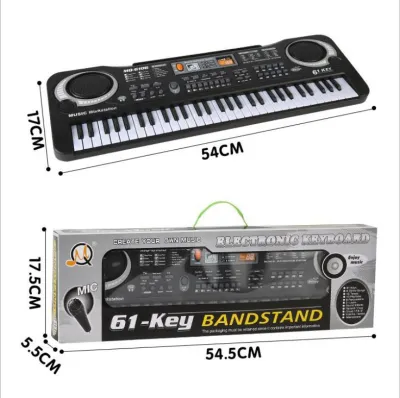
![[✅SG Ready Stock] 61 Key High Quality Music Keyboard Piano kids toys new player beginner Electric Piano](https://img.lazcdn.com/g/p/1f34b80fc1c4ffa462a06ed0ad2ca2fd.jpg_400x400q80.jpg_.webp)
Prices are valid at publication and may change. Please refer to the product page for the latest price.
Number of Keys
Pianos and keyboards come in several standard configurations based on the number of keys. Compact keyboards designed for toddlers typically feature 32 to 49 keys, which is sufficient for simple melodies but highly limiting for two-handed play. Standard portable keyboards generally offer 61 keys (five octaves) or 76 keys (six octaves). These intermediate sizes are highly practical for young beginners, as they accommodate almost all early-stage lesson books and introductory pieces. A full-size piano features 88 keys (seven and a quarter octaves). This full range is standard for classical music, advanced contemporary pieces, and formal graded examinations, such as those administered by the Associated Board of the Royal Schools of Music (ABRSM).
Key Action and Touch
Key action refers to the physical mechanism beneath the keys and how much resistance they offer when pressed.
- Unweighted (Synth-Action): These keys offer virtually no resistance and spring back instantly. They are incredibly easy for tiny fingers to press but do not build finger strength or hand technique.
- Semi-Weighted: These keys combine spring tension with light weights, offering a moderate compromise. They provide slightly more resistance than synth-action keys but are still much lighter than a real piano.
- Fully Weighted (Hammer Action): These keys replicate the mechanical feel of an acoustic piano. They utilize actual weights or hammer mechanisms to simulate the resistance of a traditional action, which is essential for developing proper finger independence, stamina, and control.
Touch Sensitivity
Touch sensitivity—often confused with weighted action—determines whether the volume of the sound changes based on how hard or soft the key is pressed. On a non-touch-sensitive keyboard, a key press always produces the same volume, regardless of force. For formal music lessons, touch sensitivity is a non-negotiable minimum requirement. Without it, a child cannot learn the fundamental concepts of musical expression, such as playing forte (loud) or piano (soft).
Portability and Size
The physical footprint of the instrument is a major practical consideration. While a portable 61-key keyboard can easily be tucked away in a closet or placed on a desk, an 88-key digital piano or acoustic upright requires a dedicated, permanent space. Always check the manufacturer’s exact dimensions and weight specifications before purchasing to ensure the instrument fits comfortably in your designated practice area.
Built-in Features
Modern digital instruments offer a variety of electronic features that can support learning. A built-in metronome is highly valuable for developing a steady sense of rhythm. Recording functions allow students to play back their practice sessions and self-evaluate. Additionally, USB or Bluetooth connectivity allows the instrument to interface with educational software and interactive learning apps on tablets or computers. While these features are highly engaging, they should remain secondary to the quality of the keys themselves. Before purchasing, verify device compatibility and regional restrictions for any accompanying learning applications.
Choosing the Best Piano for Kids by Age and Skill Level
To help you navigate the market, we have categorized the most suitable instruments based on your child’s age, physical development, and learning goals.

Toddlers and Preschoolers (Ages 2–5): Exploration and Fun
For very young children, music education is primarily about sensory exploration, rhythm, and developing an ear for pitch. At this stage, formal piano technique is not the goal.
- Recommended Type: 32 to 49-key portable keyboards with unweighted, smaller keys.
- Why It Works: Toddlers have small hands and lack the muscle development required to press down weighted piano keys. Smaller, unweighted keys allow them to press keys easily without physical strain or hand fatigue, keeping the experience fun and rewarding.
- Key Features to Look For: Look for a lightweight, highly durable design that can withstand rough handling. Engaging built-in sounds, animal noises, simple rhythm backing tracks, and intuitive, colorful interfaces help maintain a preschooler's attention.
- Limitations: These instruments are not suitable for building proper piano technique, posture, or dynamic control. The keys are too narrow, and the lack of touch sensitivity means they cannot be used for formal lessons.
- Buying Advice: Keep your budget low, typically under S$100. Rather than buying unbranded toys from discount online marketplaces, choose entry-level models from established musical instrument manufacturers. These reputable brands ensure the instrument is accurately tuned to standard concert pitch, which is critical for developing a young child's pitch recognition.
Young Beginners (Ages 6–9): Building Foundation and Technique
Around primary school age, children develop the cognitive focus and physical coordination required for formal music lessons. This is the critical stage where basic hand positioning, finger independence, and reading sheet music are introduced.
- Recommended Type: 61 to 76-key keyboards with touch-sensitive or semi-weighted keys, or entry-level 88-key digital pianos with basic weighted action.
- Why It Works: Children in this age group are physically ready to learn how to control their playing volume (dynamics) and maintain proper hand posture. Touch-sensitive keys are mandatory at this stage to support these learning milestones.
- Key Features to Look For: Prioritize full-sized keys (standard piano key width) to ensure your child builds correct muscle memory. Look for touch sensitivity, a built-in metronome, a headphone jack for quiet practice, and a sturdy, height-adjustable stand.
- Limitations: Semi-weighted or unweighted 61-key keyboards will eventually limit a student's progress. As classical or contemporary repertoire becomes more complex, the lack of fully weighted keys will make it difficult to transition to acoustic pianos, and the limited key range will eventually restrict two-handed coordination.
- Buying Advice: This is the most common entry point for families. Expect to spend between S$150 and S$500. Focus your budget on key quality, touch sensitivity, and structural stability rather than hundreds of novelty sound effects or backing tracks that can distract young learners from their core practice.
Older Beginners and Intermediate Players (Ages 10+): Serious Practice and Expression
For older children starting their musical journey, or younger students who have completed two to three years of consistent lessons, the instrument must support advanced technical and expressive demands.
- Recommended Type: 88-key digital pianos with fully weighted hammer action, or traditional acoustic upright pianos.
- Why It Works: Older students and intermediate players require the physical resistance of weighted hammer action to build the finger strength, stamina, and fine motor control needed for complex pieces. A full 88-key range is required to play intermediate classical repertoire and prepare for graded examinations.
- Key Features to Look For: Look for graded hammer action, which replicates how an acoustic piano feels (heavier in the lower bass registers and lighter in the treble keys). High-quality acoustic piano sound samples, a polyphony count of at least 128 notes (to prevent notes from cutting off during complex passages), and support for a triple-pedal unit (sustain, soft, and sostenuto) are also essential.
- Limitations: Fully weighted digital pianos and acoustic uprights are heavy, require a permanent physical space, and represent a much larger financial commitment.
- Buying Advice: If your child is committed to long-term study, preparing for graded music exams, or showing strong interest, investing in a high-quality 88-key weighted instrument is necessary. Prices generally range from S$600 to S$2,000 or more for digital models. We highly recommend consulting your child's music teacher to understand their specific recommendations regarding key action and pedal requirements before making a final purchase.
Acoustic vs. Digital: Choosing the Right Format for Your Home
Once you have determined the appropriate key action and size for your child’s developmental stage, the next major decision is choosing between a traditional acoustic piano and a modern digital alternative. This choice involves several practical, financial, and environmental factors, especially for families living in urban areas.
Space and Housing Constraints
In Singapore, where many families reside in high-density housing such as HDB flats or condominiums, space is at a premium. Acoustic upright pianos have a large physical footprint, are incredibly heavy (often weighing between 180 to 250 kilograms), and require professional movers to transport. They also demand careful consideration of floor load capacity and room layout. In contrast, digital pianos are far more compact, lightweight, and can be easily disassembled or moved by two adults, making them highly compatible with modern apartment living.
Volume Control and Neighbors
One of the greatest advantages of a digital piano is the headphone jack. Learning the piano involves repetitive practice, scales, and inevitable mistakes, which can cause friction with nearby neighbors in close-quarters housing. A digital piano allows your child to practice silently at any hour of the day or night without disturbing others. Many digital models also feature adjustable volume controls, allowing you to set a comfortable listening level for the room.
Maintenance and Longevity
Acoustic pianos are complex mechanical instruments made of wood, felt, and metal strings. Because of this, they are highly sensitive to environmental factors. In Singapore’s hot and humid tropical climate, acoustic pianos require constant climate control to prevent the wood from warping, strings from rusting, and keys from sticking. This typically means keeping a dedicated piano heater bar plugged in and running 24/7, or running a dehumidifier continuously. Acoustic pianos also require regular professional tuning at least once or twice a year, as well as occasional mechanical regulation, which adds to the ongoing cost of ownership. Digital pianos, on the other hand, require virtually zero maintenance beyond basic dusting and cleaning. They never go out of tune, regardless of temperature or humidity fluctuations.
Cost and Resale Value
The initial purchase price of a quality acoustic piano is significantly higher than that of a digital piano, with new entry-level uprights starting around several thousand Singapore dollars. You must also factor in delivery fees, regular tuning costs, and humidity control accessories. While high-end acoustic pianos from prestigious brands can hold their value well or even appreciate over decades, entry-level acoustic pianos and digital pianos both depreciate over time. However, digital pianos offer a much lower entry cost, making them a lower-risk investment for parents who are unsure of their child’s long-term commitment.
Decision Framework
For most families starting out, a high-quality 88-key weighted digital piano is the most practical, cost-effective, and low-stress choice. It fits easily into modern apartments, allows for quiet practice, and eliminates ongoing maintenance costs. However, if your child is an advanced student preparing for higher-level exams, has a dedicated, climate-controlled space, and is deeply committed to classical music, a traditional acoustic upright piano offers an unmatched natural resonance, physical touch, and expressive depth that even advanced digital models cannot fully replicate.
Essential Accessories for a Comfortable Practice Setup
To ensure your child develops proper playing technique and maintains good physical health, the right accessories are just as important as the instrument itself. Poor posture during practice can lead to fatigue, back pain, and long-term habits that are difficult to correct.
Adjustable Benches
An adjustable piano bench is an absolute necessity for growing children. Unlike standard dining chairs or stools, an adjustable bench allows you to set the perfect height so your child’s elbows are level with or slightly above the keys. Furthermore, a child’s feet must never dangle in the air while playing; their feet should rest flat on the floor or on a dedicated footstool to maintain balance, stability, and proper spinal alignment.
Sturdy Stands
If you purchase a portable keyboard or a slab-style digital piano, avoid using flimsy, single-X keyboard stands. These stands are prone to wobbling, which can be highly distracting and dangerous, especially if a heavy 88-key digital piano tips over. Instead, opt for robust double-X stands, Z-style stands, or, ideally, the manufacturer’s custom-designed wooden furniture stand. A stable stand ensures the keyboard remains perfectly level and secure during energetic practice sessions.
Headphones
For quiet practice, invest in a comfortable pair of dedicated over-ear headphones. Look for models with comfortable padding that fits around the ears rather than pressing directly on them. To protect young, sensitive hearing, consider headphones with built-in volume-limiting features, or ensure that the digital piano’s maximum headphone volume is calibrated to a safe level.
Lighting and Environment
Adequate lighting is essential to prevent eye strain, especially when children are reading complex sheet music. Ensure the practice area has a dedicated, adjustable lamp that illuminates both the music stand and the keyboard clearly without creating harsh glare or casting shadows over the keys.
Frequently Asked Questions (FAQ)
At what age should a child start learning the piano?
While musical play and basic rhythm exploration can begin as early as age two or three, formal piano lessons typically start between the ages of five and seven. At this stage, children have developed the necessary hand size, finger independence, and cognitive focus to read basic music notation and follow instructions. Before enrolling your child in formal lessons, look for key readiness signs, such as the ability to focus on a single task for 15 to 20 minutes, basic counting skills, and the physical ability to move individual fingers independently.
Do beginners need an 88-key piano?
Absolute beginners, especially those under the age of eight, do not strictly need a full 88-key piano for their first year of study. A touch-sensitive 61-key or 76-key keyboard is usually sufficient for learning early exercises, basic music theory, and simple two-handed pieces. However, as your child progresses to intermediate classical repertoire or begins preparing for graded music exams, an 88-key instrument becomes mandatory. The full range is required to accommodate advanced compositions and to practice the wide-interval hand movements and coordination exercises found in standard lesson books.
Is a touch-sensitive keyboard enough for early lessons?
Yes, a touch-sensitive keyboard is an acceptable and cost-effective option for the first year or two of early lessons. Touch sensitivity is the absolute minimum requirement because it allows the student to learn how to control volume and express emotion by varying how hard they strike the keys. However, parents should understand that touch sensitivity alone does not replicate the physical resistance of a weighted keyboard. As your child’s finger strength, technique, and repertoire develop, they will eventually need to transition to a fully weighted digital or acoustic piano to build the muscle memory required for advanced playing.

Community discussion
Share your experience or ask a question. Comments are reviewed before publication.