
Selecting your first instrument is a major milestone, but navigating technical specifications can feel overwhelming. For beginners in Singapore, a Yamaha piano is often the default starting point due to the brand’s long-standing reputation for build quality, realistic key action, and reliable resale value. Choosing the best model requires balancing your living space, budget, and learning goals.
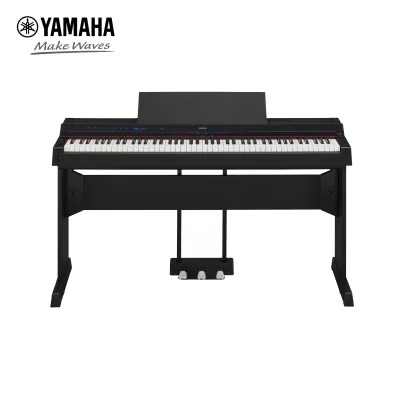
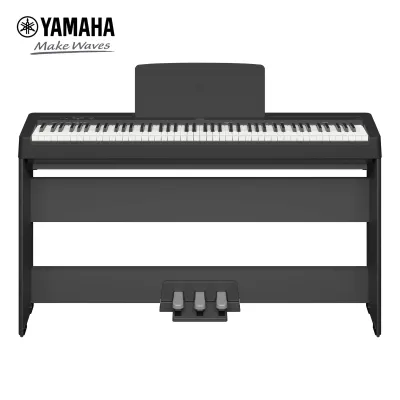
The ideal beginner instrument must provide a realistic touch that mimics an acoustic piano while fitting comfortably into your home. Yamaha’s entry-level lineup is broadly divided into two categories: the portable P-series (such as the P-145 and P-225) and the console-style Arius YDP-series (such as the YDP-145 and YDP-165). For compact HDB flats or flexible living arrangements, the P-series offers unmatched space-saving convenience. For those with a dedicated practice corner who want a traditional aesthetic, the YDP-series provides an integrated cabinet with a full three-pedal setup.
Key Features to Prioritize for Your First Yamaha Piano
When shopping for a digital yamaha piano, it is easy to get distracted by extra features like hundreds of instrument voices, built-in rhythms, or digital effects. However, for a beginner, the primary goal is to develop proper finger strength, hand posture, and a sensitive ear. To achieve this, you should prioritize four core technical specifications.
Products mentioned in this guide
![Yamaha P-143BT Portable Digital Piano 88 Weighted Keys Bluetooth Beginners Instrument P143 P-143 [LIMITED STOCK]](https://img.lazcdn.com/g/p/b40c0a5d1400f3afb2c14a886464b0ef.jpg_400x400q80.jpg_.webp)
![Yamaha NP-15 Portable Keyboard Piano 61-Key Black/White Piaggero Digital Musical Instrument NP15 [LIMITED STOCK]](https://img.lazcdn.com/g/p/aff5a2a6d544d118d346871a4153a7e2.jpg_400x400q80.jpg_.webp)
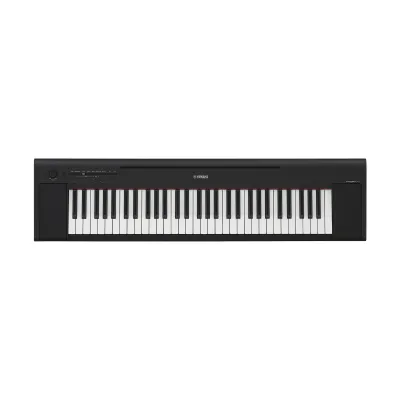
Prices are valid at publication and may change. Please refer to the product page for the latest price.
Key Action and Weighting
The physical feel of the keys is the most critical factor in piano education. Acoustic pianos use a system of hammers and strings, which creates physical resistance when a key is pressed. To replicate this, a quality digital piano must feature fully weighted keys. Yamaha uses graded actions, meaning the keys in the lower register feel heavier than those in the higher register, just like on an acoustic instrument.
For entry-level models, Yamaha utilizes actions such as Graded Hammer Standard (GHS) or the newer Graded Hammer Compact (GHC). These actions ensure that your fingers build the necessary muscle memory and strength. If you practice on unweighted or semi-weighted keys, you will struggle to control the volume and expression when transitioning to an acoustic piano during lessons or exams.
Polyphony Limits
Polyphony refers to the maximum number of individual notes or voices that the digital piano can produce at the exact same time. When you play a fast passage and hold down the sustain pedal, the notes continue to ring out. If your piano has low polyphony, older notes will cut off abruptly to make room for new ones, resulting in a thin, unnatural sound.
While basic keyboards may offer only 32 notes of polyphony, a proper beginner digital piano should have a minimum of 64 notes, though 128 notes is highly recommended. This ensures that even as your pieces become more complex and your pedal technique improves, you will not experience any dropped notes.
Sound Engine Quality
The realism of the piano tone directly impacts your ear training and musical expression. Yamaha digital pianos use high-resolution digital samples of actual acoustic grand pianos, most notably their flagship Yamaha CFX 9-foot concert grand. A sophisticated sound engine captures the subtle nuances of how a piano responds to different striking forces. This dynamic response teaches beginners how to play softly (piano) and loudly (forte) with precision.
Essential Connectivity
Modern learning tools can accelerate your progress significantly. Look for a digital piano with a dedicated headphone jack, which is essential for silent practice in shared living spaces. Additionally, USB-to-Host connectivity allows you to connect the piano to an iPad, tablet, or computer. This enables seamless integration with interactive learning apps, such as Yamaha’s Smart Pianist app, which lets you control settings, select voices, and view sheet music directly from your smart device.
Top Yamaha Digital Piano Recommendations for Beginners
Yamaha’s entry-level digital pianos are designed to cater to different lifestyles and space requirements. Rather than looking for a single “best” model, you should identify which format aligns with your home environment and budget. The lineup is split into portable slab-style pianos and stationary console cabinets.

Best Portable Option for Small Spaces and Flexibility
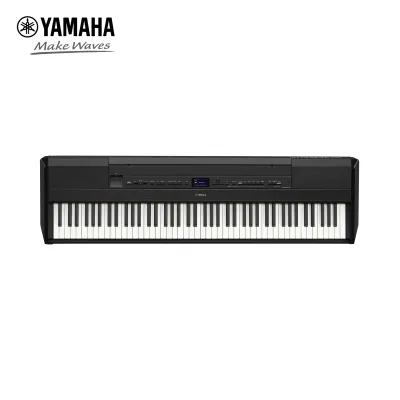
For many residents living in compact HDB flats or condominiums in Singapore, space is a premium commodity. The Yamaha P-series, specifically the P-145 and the P-225, represents the standard for space-saving digital pianos. These models offer a full 88-key keyboard in a slim, lightweight chassis that can easily sit on a portable stand or be stored away when not in use.
The target user for this format is the student, renter, or casual hobbyist who needs flexibility. If you live in a shared apartment or expect to move homes in the near future, a portable model is incredibly easy to pack and transport in a standard car. The P-225 features the Graded Hammer Compact (GHC) action, which reduces the overall physical depth of the keyboard without sacrificing the weighted feel that piano teachers demand.
However, portable models do come with trade-offs. The built-in speakers are smaller and less powerful than those in console models, meaning the sound may lack deep bass resonance when played aloud. Furthermore, the base package typically includes only a basic plastic sustain switch. To get a realistic pedaling experience, you will need to purchase a matching wooden stand and a three-pedal unit separately, which increases the total cost.
Before purchasing a portable Yamaha piano, always verify the bundle contents with the retailer. Check whether the price includes the keyboard unit alone or if it comes packaged with a sturdy stand, a music rest, and a proper sustain pedal. Avoid cheap, generic keyboard stands that wobble during energetic playing, as a stable keyboard is essential for developing proper hand posture.
Best Console Design for a Dedicated Home Corner
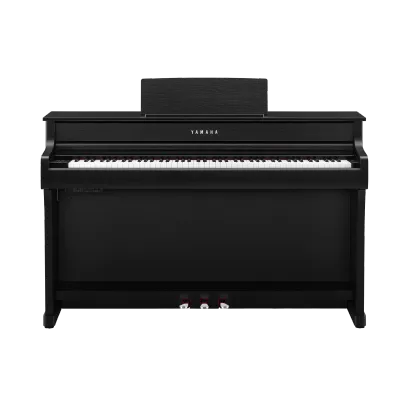
If you have a dedicated space in your living room or study and want an instrument that looks like a traditional piece of furniture, the Yamaha Arius YDP-series is the ideal choice. Models like the YDP-145 and YDP-165 are designed as complete, integrated units with a wooden cabinet, a sliding key cover, and a fixed three-pedal board.
This format is perfect for families with children starting formal piano lessons, or adult beginners who want a permanent, inspiring practice station. The cabinet design does more than just look elegant; it acts as an acoustic chamber. The YDP-series features larger, downward-firing speakers that project sound downward and outward, creating a much richer, more immersive acoustic presence that closely mimics the physical resonance of an upright piano.
The primary limitation of a console piano is its lack of mobility. These instruments are heavy, often weighing over 40 kilograms, making them difficult to move without assistance. They also occupy a fixed floor footprint that cannot be easily cleared away.
When preparing for a console piano purchase, measure your designated floor space carefully before ordering. Ensure that the floor is level and that the location is away from high-traffic areas where the instrument could be bumped. It is also wise to check if the retailer’s delivery service includes assembly, as putting together a heavy wooden console cabinet requires two people and proper tools.
Best Budget-Friendly Entry Point
For casual learners, adult hobbyists, or parents who are hesitant to make a large financial commitment before knowing if their child will stick with the instrument, finding a high-value entry point is essential. The Yamaha P-145 serves as the absolute minimum viable digital piano for serious learning.
This model strips away secondary features—such as Bluetooth audio, extensive instrument voice libraries, and complex recording functions—to focus entirely on the core essentials. It features 88 fully weighted keys using the GHC action and delivers a clean, authentic grand piano tone. This ensures that even at a lower price point, the beginner is not learning bad habits or practicing on an inadequate keyboard.
The limitations of a budget model are found in its basic connectivity and simpler speaker system. You will not find advanced wireless features, and the internal amplification is modest. However, for practicing with headphones or playing in a quiet room, the performance is outstanding.
The most important pre-purchase check for any budget buyer is to ensure the model features 88 fully weighted keys. You may encounter cheaper, 61-key or 76-key unweighted keyboards in your search. While these are fine for casual synthesizer play, they are entirely unsuitable for learning traditional piano. Without weighted keys, a beginner cannot develop the finger dynamics required to play real piano music, making any transition to a teacher’s acoustic piano incredibly frustrating.
Quick Comparison of Yamaha's Entry-Level Series
To help you finalize your decision between the portable P-series and the console YDP-series, it is helpful to compare their physical and functional characteristics side by side.
| Feature / Specification | Portable Series (e.g., P-145, P-225) | Console Series (e.g., YDP-145, YDP-165) |
|---|---|---|
| Ideal Setup | Portable stand, desk, or optional matching wooden stand | Integrated wooden furniture cabinet |
| Typical Key Action | Graded Hammer Compact (GHC) | Graded Hammer Standard (GHS) or Graded Hammer 3 (GH3) |
| Pedal Setup | Single sustain pedal (included); optional 3-pedal unit | Built-in 3-pedal board (Damper, Sostenuto, Soft) |
| Space Requirement | Minimal; highly compact and easy to store | Moderate; requires a dedicated, permanent floor space |
| Speaker System | Smaller, compact speakers (typically 7W x 2) | Larger, resonant cabinet speakers (typically 8W to 20W x 2) |
| Mobility | High; easy to transport in a car | Low; heavy and designed to remain in one location |
When deciding between these two paths, consider your lifestyle and living arrangements in Singapore. If you live in a rented apartment and anticipate moving every few years, the portable P-series will save you significant moving hassle and cost. The ability to pack the piano into a compact box makes relocation stress-free.
On the other hand, if you own your home and have a dedicated study or living room corner, the console YDP-series is highly recommended. The integrated three-pedal unit is securely fixed in place, preventing the pedal from sliding across the floor during practice—a common annoyance with portable pedal switches. Additionally, the sliding key cover protects the delicate keybed from dust, pet hair, and accidental spills, ensuring the instrument remains in excellent condition for years.
Buying, Warranty, and Setup Tips in Singapore
Purchasing a digital piano in Singapore involves unique environmental and logistical considerations. Taking the right steps during purchase and setup will protect your investment and ensure a smooth learning journey.
Where to Buy and Warranty Coverage
Always purchase your Yamaha digital piano from authorized local music retailers or the official Yamaha retail showrooms in Singapore. Buying from authorized channels ensures that your instrument comes with a valid local warranty (typically 12 months) and a genuine, safety-certified power adapter compatible with Singapore’s Type G electrical outlets. Avoid purchasing parallel imports from unauthorized online sellers; while the initial price may seem slightly lower, you will forfeit local warranty coverage, leaving you responsible for expensive shipping and repair costs if an electronic component fails.
Managing Singapore’s Tropical Climate
Singapore’s high humidity (often exceeding 80% relative humidity) and rapid temperature fluctuations pose a challenge for electronic musical instruments. While digital pianos do not have wooden soundboards or strings that go out of tune like acoustic pianos, high humidity can cause internal electronic contacts to corrode or key sensors to become unresponsive over time.
To protect your piano, place it away from direct sunlight, which can warp plastic keys and fade wood finishes. Avoid placing the instrument directly under or opposite an air-conditioning vent, as the rapid cycle of cold drafts and warm, humid air can cause condensation to form inside the cabinet. If your home is exceptionally damp, consider running a dehumidifier in the room or using a protective fabric key cover when the instrument is not in use.
Power and Safety Measures
Digital pianos contain sensitive microprocessors and sound chips. To safeguard your instrument from electrical damage, connect the power adapter to a high-quality surge protector rather than directly into a wall socket or an overloaded extension cord. This protects the delicate internal circuitry from sudden power spikes or voltage fluctuations.
Noise Management for Shared Living
One of the greatest advantages of a digital piano in urban Singapore is the ability to practice silently. In high-density HDB flats and condominiums, sound travels easily through walls and floors. To maintain excellent relations with your neighbors, invest in a comfortable pair of over-ear studio headphones. Using headphones allows you to practice late at night or early in the morning without disturbing anyone, giving you the freedom to make mistakes and learn at your own pace.
Frequently Asked Questions (FAQ)
Do I need an acoustic piano instead of a digital one to start learning?
No, you do not need an acoustic piano to begin your learning journey. Modern entry-level digital pianos with 88 fully weighted keys are highly sophisticated and provide a touch and tone that are more than sufficient for the first several years of classical or contemporary training. Digital pianos offer massive practical advantages for beginners, including the ability to practice silently with headphones, zero ongoing tuning costs, and a compact footprint that fits easily into modern Singaporean homes.
Can I use a standard keyboard stand for a console digital piano?
No, you should never place a console digital piano (such as the YDP-series) on a standard, collapsible X-stand. Console pianos are heavy, top-heavy, and designed to be structurally supported by their own integrated wooden cabinets. Placing a console piano on a flimsy or narrow stand is highly unstable and creates a severe safety hazard, risking damage to the instrument or injury to the player. If you purchase a portable P-series piano, however, you can use a heavy-duty, wide-base Z-stand or double-braced X-stand, though the manufacturer’s matching wooden stand remains the most stable option.
How often does a digital piano need maintenance in a humid climate?
Unlike acoustic pianos, digital pianos do not require regular professional tuning or mechanical regulation. However, in Singapore’s humid climate, basic preventative maintenance is highly recommended. Keep the key cover closed when the piano is not in use to prevent dust and moisture from settling on the key sensors. Wipe the keys weekly with a dry, soft microfiber cloth to remove finger oils. If the keys become sticky or sluggish over time, consult an authorized service center rather than using harsh household chemical cleaners, which can damage the plastic key surfaces and internal lubricants.

Community discussion
Share your experience or ask a question. Comments are reviewed before publication.