
Setting up a dedicated practice space is one of the most effective ways to ensure consistent progress when learning a string instrument. However, new players often face confusion when selecting essential accessories, particularly when distinguishing between a cello stand and a music stand. While both are referred to as “stands,” they serve entirely different, non-interchangeable functions in your musical environment.
A cello stand is a heavy-duty, low-profile support structure designed specifically to cradle the physical weight of your instrument when you are not playing it. In contrast, a music stand is an elevated, adjustable desk designed to hold sheet music, books, tablets, and small practice tools like tuners or metronomes at eye level. Understanding how these two accessories function individually will help you determine which one to prioritize for your immediate practice space, budget, and storage needs.
Core Differences: Instrument Storage vs. Practice Utility
To understand why these two accessories cannot substitute for one another, it is helpful to examine their structural designs and primary purposes. A cello stand is engineered with a low center of gravity to prevent a heavy, valuable wooden instrument from tipping over. It features specialized, padded cradles that support the lower bouts of the cello, along with a neck yoke or safety strap to secure the upper neck. The materials used in its construction are typically heavy-gauge steel or dense wood, prioritizing absolute stability over height adjustment.
Products mentioned in this guide
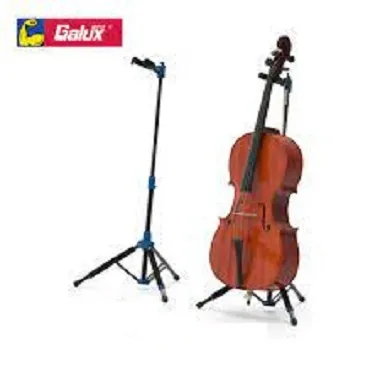
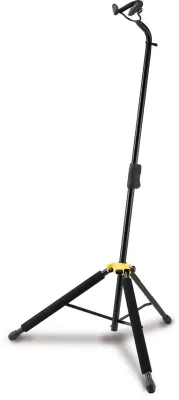
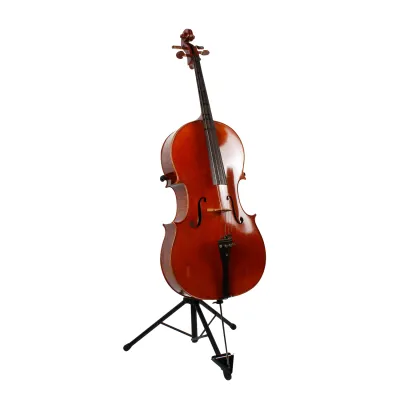
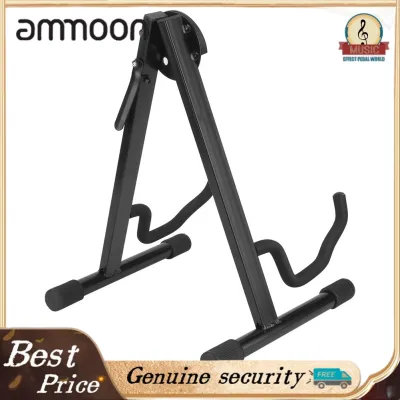
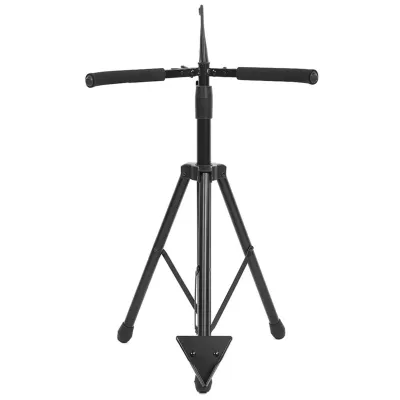
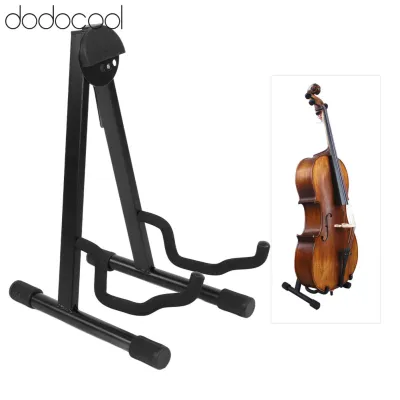
Prices are valid at publication and may change. Please refer to the product page for the latest price.
A music stand, on the other hand, is designed for vertical reach and visual alignment. It consists of a lightweight tripod or weighted base, a telescoping vertical shaft, and a wide, flat tray or desk. This tray can be tilted to various angles to accommodate loose sheet music, heavy anthologies, or digital tablets. Because its primary load consists of paper or lightweight electronics, a music stand is built to be easily adjusted, folded, and transported, prioritizing height flexibility and portability over heavy-load stability.
The physical contact points of each stand highlight their distinct engineering goals. A cello stand directly contacts the delicate varnish and wood of your instrument, requiring soft, non-reactive padding materials like velvet or specially formulated foam. A music stand rarely, if ever, comes into contact with the instrument itself; its contact points are limited to the pages of your music books or the back of your tablet. Attempting to rest a cello on a music stand, or balancing a heavy music book on an instrument stand, compromises the safety of both your gear and your sheet music.
Evaluating Your Need for a Cello Stand
Deciding whether to purchase a cello stand depends heavily on your daily storage habits and the environment in which you practice. If you live in a busy household with children, pets, or high foot traffic, leaving your cello leaning against a chair or a wall is a recipe for expensive structural damage. A dedicated cello stand provides a stable, designated home for your instrument, reducing the risk of accidental bumps that could crack the top plate or snap the neck.

Space constraints within your home also play a significant role in this decision. In compact living environments, finding a safe spot to store a cello can be challenging. While keeping the cello in its hard case is the safest long-term storage method, retrieving it from a zipped or latched case every time you want to play can create a psychological barrier to spontaneous practice. A cello stand keeps the instrument highly visible and instantly accessible, encouraging more frequent practice sessions while occupying a minimal floor footprint.
Environmental factors are another critical consideration, particularly in tropical or highly humid climates. Resting a wooden instrument directly on cold tiled floors can cause rapid temperature and humidity transfers, leading to wood expansion, contraction, or seam separation. Elevating the cello on a stand ensures consistent airflow around the entire body of the instrument, helping to maintain structural stability. However, if your home experiences extreme humidity fluctuations, you must verify whether a stand is safe for open-air storage or if keeping the cello in a climate-controlled case is necessary.
Evaluating Your Need for a Music Stand
Your physical comfort and playing technique are the primary drivers behind the need for a music stand. Cellists must maintain an upright, relaxed posture to bow effectively and avoid long-term physical strain. Placing your sheet music on a flat table, a low coffee table, or your lap forces you to hunch forward, compressing your chest and straining your neck and shoulders. A music stand allows you to position your reading material directly in your line of sight, keeping your spine aligned and your chest open for optimal bowing freedom.
Beyond posture, a music stand serves as the central hub for your practice accessories. During a typical session, you will likely use a tuner, a metronome, a pencil for marking fingerings, and perhaps a smartphone or tablet. A sturdy music stand with a wide tray or an attachable accessory shelf keeps these items organized and within arm’s reach, preventing you from constantly bending down to retrieve them from the floor.
When evaluating music stands, you must choose between portability and stability based on your lifestyle. If you frequently travel to rehearsals, lessons, or orchestra practices, a lightweight, folding wire stand is highly convenient because it collapses into a compact carrying bag. However, if your practice setup is permanent, a heavy-duty, solid-plate music stand offers superior stability. Solid-plate stands do not wobble when you write on your music, and they easily support the weight of heavy binders, thick anthologies, or large tablets without tipping over.
Decision Framework: Which Stand to Buy First
If your budget or space limits you to purchasing just one accessory today, you can prioritize your purchase by evaluating your current storage and practice setup. You should prioritize a cello stand if you do not own a protective hard case and currently lean your instrument against furniture or walls. If your primary concern is preventing immediate physical damage to a valuable instrument in a busy household, securing a stable cello stand is the most logical first step.
Conversely, you should prioritize a music stand if you already have a safe, reliable storage solution—such as a sturdy hard case or a secure closet—but find yourself experiencing neck pain or back fatigue during practice. If you are struggling to read your music from a makeshift surface like a desk or a bed, a music stand will immediately improve your posture, technique, and overall practice quality.
Before making a final decision, verify what alternative solutions you already have at home. If you have a safe corner where your cello can remain in its case, you can safely delay buying a cello stand. If you have a high shelf or a music book holder that can temporarily position your sheet music at eye level, you might prioritize the instrument stand first. Balancing these immediate safety and ergonomic needs will guide you to the right initial investment.
Specifications to Verify Before Purchasing
When shopping for a cello stand, you must verify several critical specifications on the product label or manufacturer’s website to ensure compatibility. First, check the padding material used on the contact cradles; some low-grade rubber or plastic compounds can chemically react with delicate oil or spirit varnishes, leaving permanent marks on your cello. Look for stands specified as “varnish-safe” or those utilizing inert foam or velvet. Additionally, verify the base width and the maximum weight capacity to ensure the stand can easily support the size of your cello, whether it is a fractional student model or a full-sized instrument.
For music stands, pay close attention to the tray dimensions and the adjustment mechanisms. Ensure the tray is deep enough to hold thick music books or binders without them sliding off the edge. Check the maximum and minimum height adjustment range to confirm the stand can be adjusted to your eye level while sitting in your cello chair. Finally, verify the load capacity of the stand, especially if you plan to use a heavy digital tablet or a large binder of sheet music, as lightweight wire stands can easily bend or sag under heavy loads.
Frequently Asked Questions (FAQ)
Can a music stand safely support a cello?
No, a music stand cannot safely support a cello under any circumstances. Music stands are engineered to hold lightweight paper or small electronic devices, and they lack the low center of gravity, wide base, and secure cradles required to balance a heavy, bulky instrument. Attempting to rest a cello against a music stand will almost certainly result in the stand collapsing or the instrument slipping, leading to catastrophic structural damage such as a broken neck, cracked ribs, or a shattered bridge.
Do combination stands exist for both the instrument and sheet music?
While some manufacturers have attempted to design hybrid stands that feature both a music tray and an instrument hanger, these combination designs are rare and generally not recommended for cellos. Combining both functions into a single vertical pole significantly raises the center of gravity, making the entire setup highly susceptible to tipping over if bumped. For the safety of your instrument and the convenience of your practice setup, using separate, dedicated stands for your cello and your sheet music remains the industry standard.

Community discussion
Share your experience or ask a question. Comments are reviewed before publication.