
Starting your musical journey with the ukelele instrument is one of the most accessible and rewarding decisions you can make. This compact, four-stringed instrument has gained immense popularity in Singapore due to its portable size, gentle learning curve, and cheerful tone. However, walking into a music store or browsing online marketplaces can quickly become overwhelming. With hundreds of options ranging from inexpensive novelty toys to premium handcrafted instruments, finding a reliable beginner model requires a clear understanding of what makes an instrument playable and durable.
For a beginner, the primary goal is to find an instrument that stays in tune, feels comfortable in your hands, and produces a pleasing sound. A poorly constructed instrument will constantly slip out of tune and have high string action that hurts your fingers, which often leads to frustration and abandonment of the hobby. By focusing on key construction standards, recognized brands, and proper sizing, you can secure a high-quality starter ukulele that will support your learning journey for years to come.
Key Criteria for Evaluating Beginner Ukuleles
When evaluating a beginner ukulele, the choice of materials is the first major decision you will face. Ukuleles are generally constructed from either laminate wood, solid wood, or a combination of both (such as a solid top with laminate back and sides). Laminate wood consists of thin layers of wood pressed and glued together. It is highly durable, cost-effective, and remarkably resistant to changes in temperature and humidity. For beginners in Singapore, where indoor air conditioning frequently alternates with outdoor tropical humidity, laminate is often the most practical and low-maintenance choice. Solid wood, while more expensive and sensitive to climate fluctuations, vibrates more freely and produces a richer, more resonant tone that matures and improves as the wood ages.
Products mentioned in this guide
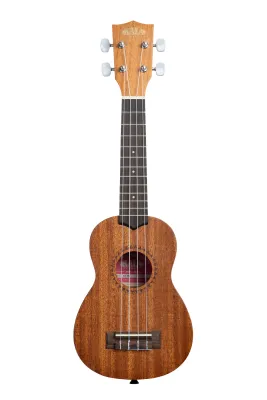
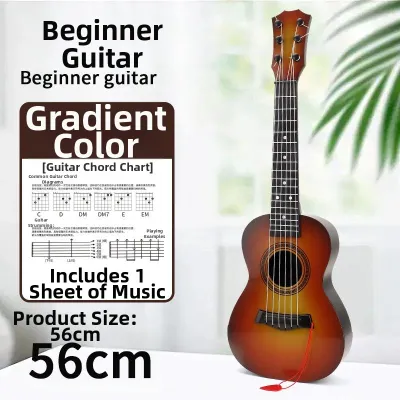
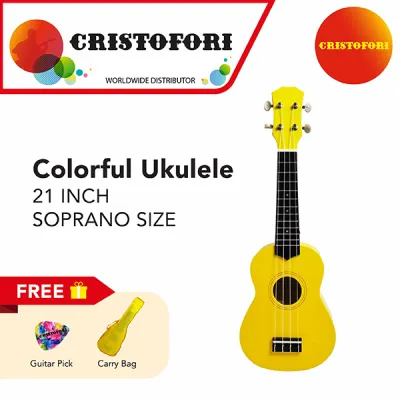
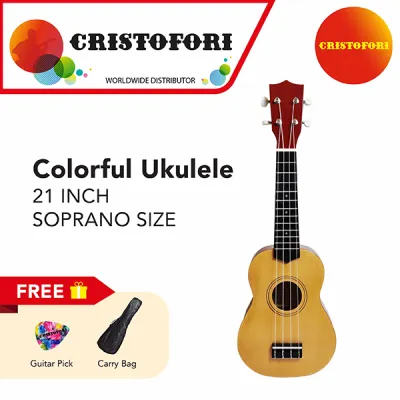
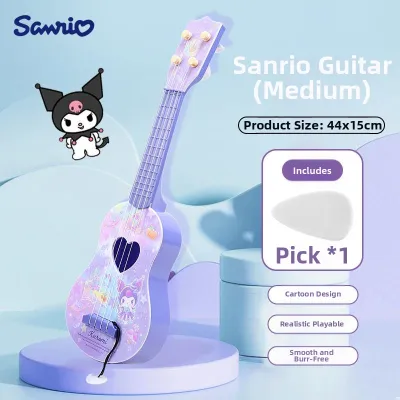
Prices are valid at publication and may change. Please refer to the product page for the latest price.
String action—the height of the strings above the fretboard—is another critical factor that directly impacts playability. If the action is too high, you will need to exert significant finger pressure to press the strings down, which quickly causes hand fatigue and soreness. Conversely, if the action is too low, the strings will vibrate against the frets, creating an irritating buzzing sound. When trying out an instrument, press down on the chords near the headstock (like F and C) to ensure they can be held comfortably without requiring excessive force.
Neck profile and fretwork also play a vital role in finger comfort. The neck should have a comfortable contour that fits naturally in the palm of your hand, allowing your thumb to rest easily against the back. Run your fingers gently along the edges of the fretboard to check the fretwork. In poorly finished instruments, the metal fret wires may protrude or feel sharp, which can scratch your fingers during chord transitions. Smooth, well-filed fret edges are a hallmark of good quality control.
Finally, tuning stability is essential for an enjoyable practice session. Look for instruments equipped with geared tuning machines, which feature visible gears on the back of the headstock. Geared tuners offer a stable gear ratio that allows for precise adjustments and prevents the strings from slipping. Avoid older or ultra-cheap models that use friction pegs, as these rely solely on tight screws and friction to hold tension, making them notoriously difficult for beginners to tune and maintain.
Recognized Beginner-Friendly Ukulele Brands
Navigating the market is much easier when you know which manufacturers consistently deliver reliable entry-level instruments. Dedicated ukulele manufacturers focus exclusively on the design and production of these instruments, which often translates to superior quality control and specialized model ranges. Brands like Kala, Flight, and Ohana are highly regarded in the global ukulele community. Kala, for instance, is widely recognized for its entry-level mahogany and exotic wood laminate series, which offer excellent intonation and robust build quality. Flight has gained popularity for its innovative travel series, which combines smart synthetic materials with wooden tops to create highly durable, climate-resistant instruments perfect for local outdoor use.

Comprehensive musical instrument brands also offer excellent entry-level options. Companies like Yamaha and Cordoba leverage their massive global supply chains and decades of manufacturing expertise to produce highly reliable ukuleles. Yamaha’s entry-level models are known for their utilitarian durability and consistent setup straight out of the box. Cordoba, drawing from its classical guitar heritage, produces ukuleles with wider nut widths and lightweight bracing, resulting in a highly resonant and classical aesthetic that appeals to many adult learners. These comprehensive brands are widely distributed, making it easy to find replacement parts, accessories, and local support in Singapore.
For those on a strict budget, there are several budget-friendly options that still maintain acceptable playing standards. Brands like Makala (a subsidiary of Kala) and Mahalo offer highly affordable starter models. While these instruments utilize simpler materials and basic finishes to keep costs down, they still adhere to proper structural geometry, ensuring correct fret spacing and stable bridge placement. The trade-off with ultra-low-cost instruments is often a simpler, less resonant tone and basic plastic nuts and saddles, but they remain perfectly functional for learning the basics.
When matching a brand to your budget, consider your level of commitment. If you are exploring the instrument as a casual hobby, a reliable laminate model from a budget-friendly brand in the S$60 to S$100 range is an excellent starting point. If you are committed to long-term learning or already have some musical background, investing S$120 to S$250 in a solid-top model from a dedicated manufacturer will provide a richer tonal experience and greater room for musical growth.
Size and Scale Selection for New Players
Ukuleles come in several standard sizes, each offering a distinct scale length, tonal range, and physical handling experience. The three most common sizes for beginners are Soprano, Concert, and Tenor. Understanding the differences between these sizes is crucial for selecting an instrument that matches your physical proportions and musical preferences.
| Ukulele Size | Average Length | Typical Fret Count | Tonal Character | Best Suited For |
|---|---|---|---|---|
| Soprano | 21 inches | 12–15 frets | Bright, classic, plucky | Children, players with small hands, traditionalists |
| Concert | 23 inches | 15–18 frets | Balanced, warm, clear | Adult beginners, general players seeking versatility |
| Tenor | 26 inches | 17–21 frets | Deep, resonant, full | Players with large hands, guitarists, fingerstyle players |
The Soprano is the traditional, classic size of the ukulele. It produces the bright, plucky, and cheerful sound most people associate with the instrument. Because of its short scale length and compact fret spacing, it is highly portable and fits perfectly in the hands of children or adults with smaller hands. However, players with larger fingers may find the fretboard cramped, making it difficult to articulate complex chord shapes without accidentally muting adjacent strings.
The Concert size is widely recommended as the ideal starting point for adult beginners. With a slightly longer neck and wider fret spacing, it offers a comfortable middle ground that accommodates most hand sizes easily. The larger body cavity also provides more physical resonance, resulting in a warmer, louder, and more balanced tone than a Soprano. It retains the classic ukulele character while offering significantly better playability for learning complex chords and fingerpicking patterns.
The Tenor size is the largest of the three standard models and is highly favored by professional performers and fingerstyle players. It features a deep, full, and resonant tone that starts to cross into acoustic guitar territory. The longer scale length provides higher string tension and ample fretboard space, making it incredibly comfortable for players with large hands or those transitioning from the guitar. While it is slightly less portable than its smaller counterparts, its rich projection and extended fret range make it a highly versatile instrument.
Buying and Verifying Your Ukulele in Singapore
When you are ready to make a purchase, performing a thorough physical inspection is the best way to ensure you walk away with a playable instrument. If you are buying from a physical retail store, start by checking the neck alignment. Hold the ukulele at eye level and look down the edge of the fretboard from the headstock to the body; the neck should be straight or have a very slight, almost imperceptible upward bow. A twisted or heavily bowed neck will cause severe intonation issues and fret buzz.
Next, test the tuning pegs by turning them slowly in both directions. They should rotate smoothly without catching, slipping, or feeling excessively loose. Play every single fret on every string individually. Listen closely for any buzzing sounds or “dead notes” where the string fails to ring out clearly. Finally, run your hand along both sides of the neck to ensure there are no sharp fret ends protruding from the wood.
Deciding where to buy involves weighing the convenience of online marketplaces against the personalized service of local authorized dealers. Online retailers often offer competitive pricing and home delivery, which can be highly convenient. However, buying online carries the risk of receiving an instrument that has not been inspected or set up, leaving you to deal with potential factory defects or high action. Local authorized music stores, on the other hand, allow you to physically hold and play different models before deciding. Many local dealers also provide complimentary initial setup services—adjusting the nut and saddle heights to ensure optimal playability—and offer direct, hassle-free warranty support if any structural issues arise.
Singapore’s tropical climate requires special consideration when caring for wooden musical instruments. The high relative humidity, which often exceeds 80%, can cause solid wood to swell, leading to a warped top, lifting bridges, or high string action. While laminate ukuleles are highly resilient to these conditions, solid-top or fully solid wood instruments require active care. Store your ukulele in a padded gig bag when not in use, and place a small silica gel packet or a specialized instrument desiccant inside the bag to absorb excess moisture. Avoid storing the instrument in areas subject to rapid temperature changes, such as directly under an air conditioning vent, near a sunny window, or inside a parked car.
Essential Accessories for Your First Ukulele
To set yourself up for success, you will need a few essential accessories alongside your new instrument. A reliable digital clip-on tuner is the most important accessory you can own. New ukulele strings are made of nylon or fluorocarbon, which naturally stretch and slip out of tune constantly during the first few weeks of play. A clip-on tuner detects the physical vibrations of the headstock, allowing you to tune accurately even in noisy environments. While smartphone tuning apps are useful in quiet rooms, a dedicated clip-on tuner is far more reliable for daily practice.
A padded gig bag is another indispensable item. Unlike thin dust covers, a bag with at least 5mm to 10mm of foam padding protects your instrument from minor impacts, scratches, and sudden environmental shifts during travel. Additionally, keeping a spare set of high-quality strings (such as Aquila Nylgut) in your bag ensures that a broken string will not put an unexpected halt to your practice routine.
Depending on your playing style, you might consider a few optional additions. A ukulele strap can be highly beneficial for maintaining proper playing posture, especially when playing while standing. Note that using a traditional strap requires your ukulele to have pre-installed strap buttons; alternatively, you can use a clip-on soundhole strap that hooks onto the edge of the soundhole without drilling. A capo is another useful tool that clamps across the fretboard, allowing you to quickly change the key of a song to match your singing voice without having to transpose the chord shapes. Finger protectors are generally unnecessary, as ukulele strings are soft nylon and far gentler on beginner fingertips than the steel strings of an acoustic guitar.
When browsing starter packages, evaluate beginner bundle offers carefully. Many bundles tempt buyers with a long list of free accessories, such as colorful straps, plastic pitch pipes, and cleaning cloths. However, these bundles often pair low-quality, unplayable instruments with cheap, fragile accessories. Always prioritize the quality, playability, and brand reputation of the ukulele itself. It is far better to buy a high-quality, standalone ukulele and purchase a reliable tuner and bag separately than to buy a poor-quality bundle that hinders your musical progress.
Frequently Asked Questions (FAQ)
Do I need a solid wood ukulele as a beginner?
No, a solid wood ukulele is not necessary for a beginner. Laminate wood ukuleles are highly recommended for starter players because they are more affordable, exceptionally durable, and highly resistant to Singapore’s high humidity. While solid wood offers a richer and more resonant tone, a high-quality laminate instrument from a reputable brand provides excellent sound and playability without the high cost and delicate maintenance requirements of solid wood.
How often should I change the strings on a new ukulele?
On a new ukulele, the strings will stretch significantly during the first two to three weeks, requiring frequent tuning before they finally settle. For regular players, changing the strings every 6 to 12 months is generally sufficient to maintain a bright, clear tone. You should replace your strings sooner if you notice visible signs of wear, such as fraying, deep nicks over the frets, discoloration, or if the instrument begins to sound dull and struggles to stay in tune.
Is it better to buy a ukulele online or from a local music store?
For beginners, buying from a local music store is highly recommended. Visiting a physical store allows you to hold different sizes (Soprano, Concert, and Tenor) to see which fits your hands best, and lets you hear the tonal differences in person. Furthermore, local stores often inspect and set up the instrument’s action before sale, and they provide reliable, face-to-face warranty support and advice that online marketplaces cannot replicate.

Community discussion
Share your experience or ask a question. Comments are reviewed before publication.