
Finding the right piano keyboard cover for popular 88-key beginner digital pianos like the Yamaha P-45 or Casio CDP-S110 requires looking beyond generic “one-size-fits-all” labels. While both instruments are classified as compact 88-key digital pianos, their physical dimensions, control layouts, and music rest placements differ significantly. A cover that fits snugly on the ultra-slim Casio CDP-S110 might stretch too tightly over the deeper chassis of the Yamaha P-45, potentially putting unnecessary pressure on the keys or outer casing. Conversely, a cover designed for a bulkier workstation will drape loosely over a slim piano, allowing dust to slip underneath the edges.
Protecting your investment is crucial because dust, pet hair, and ambient moisture are the primary silent enemies of digital piano electronics. Over time, fine particles settle between the keys, landing on the delicate rubber contact pads that register your keystrokes. When these pads become dirty, keys may fail to trigger, produce inconsistent volumes, or feel sticky to the touch. By selecting a cover tailored to your specific instrument’s form factor, you establish a reliable barrier that preserves the piano’s action and sound quality for years to come.
Understanding the Main Types of Keyboard Covers
To make an informed decision, you must first understand the primary styles of keyboard covers available on the market. Each type serves a distinct protective purpose, ranging from simple daily dust prevention to heavy-duty transport security.
Products mentioned in this guide
![[ammoon]61 / 88 Key Digital Piano Keyboard Dustproof and Waterproof Cover Electronic Organ Electronic Piano Keyboard Dust Cover](https://img.lazcdn.com/g/p/12e0179bd8ae8f7ecfa80e918a064e45.jpg_400x400q80.jpg_.webp)
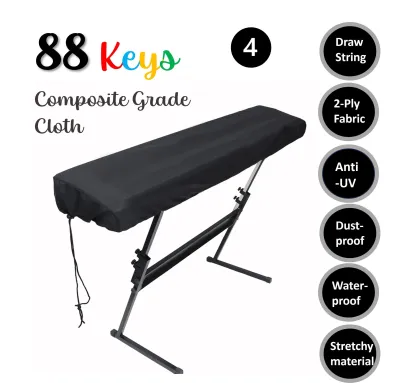
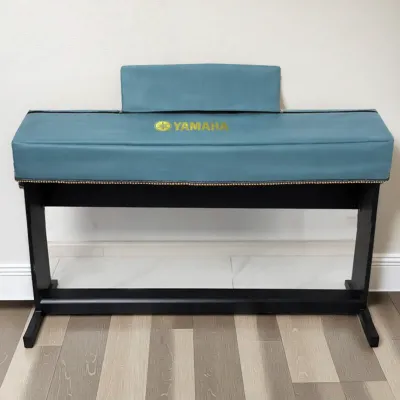
![[SG SELLER] 61 / 88 Keys Dust Cover SUITABLE for Portable Keyboard + Digital Piano](https://img.lazcdn.com/g/p/b8becedab44cdc205ad44c3d32b299b5.jpg_400x400q80.jpg_.webp)
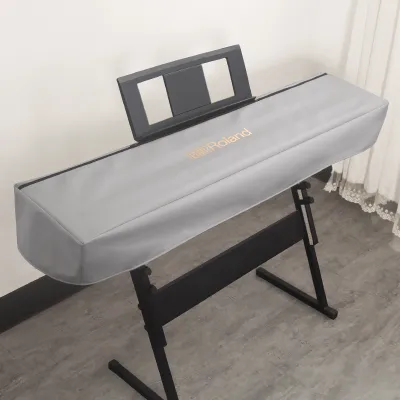
Prices are valid at publication and may change. Please refer to the product page for the latest price.
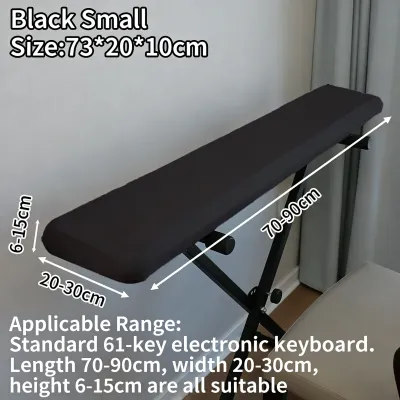
Stretchable spandex or lycra covers are among the most popular choices for home-based digital pianos. These covers utilize highly elastic synthetic fibers that stretch uniformly across the length and width of the keyboard. Most designs feature an integrated elastic band or a drawstring hem that allows you to pull the cover taut around the underside of the piano chassis. This creates a secure, form-fitting seal that prevents dust, pet dander, and small debris from entering the keybed from any angle. Because they are lightweight and highly flexible, they are incredibly easy to slip on and off between practice sessions, making them ideal for daily use.
Padded or quilted covers offer a higher level of physical protection, making them suitable for multi-use rooms, classrooms, or households with active pets and children. Typically constructed from a durable outer layer of nylon or polyester, a thin middle layer of foam padding, and a soft inner lining, these covers shield your instrument from minor bumps, scratches, and light impacts. If you frequently store books, sheet music, or light accessories on top of your piano when it is not in use, a padded cover provides the necessary structural buffer to prevent surface scratches and pressure marks on the keys.
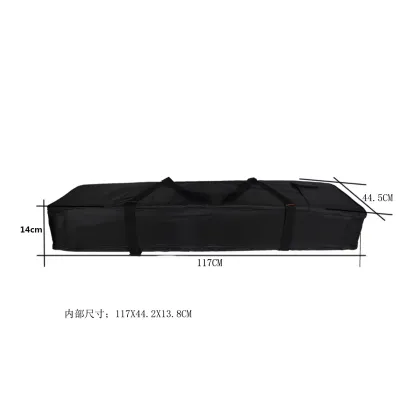
Hard-shell or rigid cases represent the maximum level of protection, but they serve a completely different purpose than standard soft covers. These cases feature rigid exterior walls made of molded plastic, wood, or aluminum, lined with thick, custom-cut foam interiors. They are designed specifically for heavy-duty travel, touring, and long-term storage in demanding environments. While they offer unparalleled protection against drops, heavy impacts, and severe weather, they are heavy, bulky, and highly impractical for quick daily access in a home setting. For a stationary beginner piano like the Yamaha P-45 or Casio CDP-S110, a soft, high-quality fabric cover is almost always the more practical and user-friendly choice.
Verifying Fit and Compatibility for 88-Key Models
When shopping for an 88-key piano keyboard cover, relying solely on the “88-key” label can lead to a frustrating mismatch. Digital pianos vary wildly in their physical profiles, and beginner models are specifically engineered to be more compact than professional stage pianos or workstations.

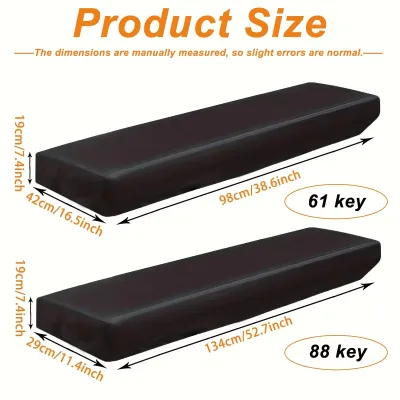
To ensure a proper fit, you must measure the exact length, width, and height of your specific piano model and compare these figures directly against the cover’s specifications. For instance, the Yamaha P-45 has a depth of approximately 295 mm and a height of 154 mm, whereas the Casio CDP-S110 is exceptionally slim, with a depth of around 232 mm and a height of 99 mm. This difference in depth and height means a cover tailored specifically for ultra-slim models like the Casio will be far too tight for the Yamaha, potentially pulling down on the end keys and causing mechanical strain. Conversely, a cover designed for the deeper Yamaha P-45 will drape loosely over the Casio CDP-S110, leaving gaps where dust can easily enter.
Another critical factor to consider is how the cover accommodates the piano’s music rest and rear connections. Many beginner pianists prefer to leave their music stand permanently attached to the keyboard for convenience. If you do, you must look for a cover that features a dedicated zippered opening or a flexible slit along the back. Without this feature, you will be forced to remove the music rest every single time you cover the instrument, which quickly becomes a tedious chore and increases the risk of misplacing or damaging the stand. Additionally, ensure the cover does not pinch or put pressure on power cables, sustain pedal jacks, or headphone inputs protruding from the rear or underside of the chassis.
Before finalizing your purchase, always verify the manufacturer’s compatibility charts or product descriptions for explicit model listings. Reliable manufacturers will often state whether their covers are compatible with specific popular models like the Yamaha P-45 or Casio CDP-S110. If a product description only lists generic dimensions, measure your instrument carefully and allow for a small margin of clearance—typically around one to two centimeters—to ensure the cover can be applied and removed smoothly without catching on the corners of the plastic housing.
Evaluating Materials and Protection Features
The material composition of your keyboard cover directly dictates how well it protects your instrument under different environmental conditions. Understanding the trade-offs between different fabrics will help you choose a cover that matches your home’s climate and storage setup.
Dust-blocking capability is the primary requirement for any keyboard cover, but moisture resistance is equally important, especially in humid tropical environments. While tightly woven fabrics like high-density polyester or nylon offer excellent resistance against accidental liquid spills, they can sometimes trap ambient humidity if the air inside the room is damp. On the other hand, highly breathable fabrics like cotton or lightweight spandex allow air to circulate freely, preventing moisture buildup, but they offer minimal protection against liquid spills. You must weigh these factors based on where your piano is placed; for example, a piano kept near an open window or in a dining area may benefit more from a water-resistant cover, while a piano in a climate-controlled room is best served by a breathable dust barrier.
The interior surface of the cover is just as important as the exterior. The plastic chassis of beginner digital pianos, while durable, can develop fine hairline scratches over time from repeated friction. This is particularly true for high-gloss finishes or smooth matte surfaces. To prevent this cosmetic wear, look for covers that feature a soft inner lining, such as brushed cotton, microfiber, or flannel. These materials glide smoothly over the keys and control panel without causing abrasive wear, ensuring your instrument retains its pristine, out-of-the-box appearance.
Finally, consider the long-term durability and maintenance requirements of the cover material. Dust covers inevitably accumulate dirt, skin flakes, and pet dander over time, meaning they will require regular cleaning. Check the product’s care labels to verify if the material is machine washable or if it requires delicate hand washing. High-quality materials like premium spandex or heavy-duty nylon will maintain their shape, elasticity, and protective properties through multiple wash cycles, whereas low-grade fabrics may shrink, fray, or lose their elastic tension, rendering them useless after a single wash.
Building Your Purchase Shortlist
Once you have identified the type of cover and material that best suits your needs, you can begin narrowing down your options to create a practical purchase shortlist. Taking a systematic approach to this step will save you time and prevent the hassle of returning an unsuitable product.
First, prioritize purchasing from online marketplaces or local music stores that offer clear, flexible return and exchange policies. Even with precise measurements, the unique contours of your digital piano—such as rounded corners or raised control knobs—can occasionally cause an unexpected fit issue. Knowing that you can easily exchange the cover for a different size or style provides peace of mind and ensures you do not end up stuck with an unusable accessory.
Second, take the time to read through user reviews and feedback, specifically searching for mentions of your piano model. When browsing online listings, use the search function within the reviews section to look for keywords like “P-45”, “CDP-S110”, “Yamaha”, or “Casio”. Reading about the firsthand experiences of other owners who have paired the cover with the exact same instrument will give you invaluable insights into how the cover fits, whether it slips off easily, and how well it accommodates the music rest.
Third, ensure the cover design allows for proper ventilation if your piano is prone to generating mild heat. While digital pianos are highly efficient, their internal power supplies and amplifiers can warm up slightly during extended practice sessions. A cover that is applied immediately after playing must not trap this heat inside the chassis. Look for covers made from breathable fabrics, or simply establish a routine of letting your instrument cool down completely before covering it.
Caring for Your Cover and Instrument
Owning a high-quality keyboard cover is only half the battle; maintaining both the cover and the instrument properly is essential to ensure long-term protection and performance.
Always follow the manufacturer’s cleaning instructions strictly to avoid damaging the cover’s fabric or elastic components. If the cover is machine washable, use a gentle cycle with cold water and a mild detergent, and avoid using harsh bleach or fabric softeners that can degrade synthetic fibers. Air drying is generally recommended over machine drying, as high heat can cause spandex to lose its elasticity and nylon to shrink, destroying the precise fit you worked hard to find.
Before applying the cover, always ensure that your digital piano is completely cool and dry. If you have recently cleaned the keys with a damp microfiber cloth or a specialized key cleaner, allow the moisture to evaporate fully before draping the cover over the keybed. Covering a damp or warm instrument can trap moisture and heat inside the casing, creating an ideal environment for mold growth and accelerating the corrosion of sensitive electronic contacts.
When your piano is in active use, store the cover in a clean, dry area rather than tossing it onto the floor. Placing the cover on carpeted floors or dusty surfaces allows it to pick up static electricity, pet hair, and dirt, which will then be transferred directly onto your piano keys the next time you apply it. Fold the cover neatly and place it in a dedicated drawer, a storage basket, or on a nearby shelf to keep the interior lining clean and free of debris.
Frequently Asked Questions (FAQ)
Can I use a 76-key keyboard cover for an 88-key digital piano?
Using a 76-key cover on an 88-key digital piano is highly discouraged due to the physical size differences between the instruments. An 88-key piano is significantly wider than a 76-key model, and attempting to stretch a smaller cover over it will subject both the cover and the instrument to excessive tension.
This extreme stretching can pull down on the outermost keys, putting continuous mechanical strain on the key stems and internal spring mechanisms, which may lead to misalignment or damage over time. Additionally, the excessive tension will likely tear the seams of the cover or cause the elastic bands to snap, rendering it useless. Always match the cover to the exact key count and physical dimensions of your instrument.
Will a keyboard cover affect the sound or action of my digital piano?
A keyboard cover will not affect the sound or action of your digital piano, provided it is used strictly for storage and is completely removed before you begin playing. Covers are designed to protect the instrument when it is inactive and must never be left on the keyboard during a performance or practice session.
Leaving a cover on while playing would physically block the keys and muffle the sound coming from the upward-firing speakers common on models like the Yamaha P-45. Furthermore, keeping the instrument covered while it is powered on can block ventilation ports, preventing heat dissipation from the internal electronic components and potentially causing overheating issues over time.
Do I need a special cover if I live in a humid climate?
In highly humid climates, such as Singapore, relying solely on a standard keyboard cover is not enough to protect your digital piano from moisture damage. While a cover is excellent for blocking dust, a non-breathable waterproof cover can actually trap humid air inside the piano chassis, leading to the corrosion of internal electronic contacts and sticky key action.
To protect your instrument effectively in humid conditions, pair a breathable fabric cover—which allows air circulation—with active moisture management solutions. Using a room dehumidifier or placing silica gel packs inside the piano stand or nearby storage area will help control ambient humidity levels, ensuring your digital piano remains dry and fully functional.

Community discussion
Share your experience or ask a question. Comments are reviewed before publication.