
Starting piano lessons is an exciting milestone for a child, but selecting the right instrument can feel overwhelming for parents. The ideal beginner keyboard must bridge the gap between an engaging, approachable device and a serious musical instrument. To support proper finger technique, muscle memory, and long-term learning, a beginner keyboard should feature at least 61 standard-width, touch-sensitive keys. While a full 88-key weighted digital piano is the gold standard for classical training, a high-quality 61-key portable keyboard with touch response serves as an excellent, space-saving starting point for younger children.
Essential Specifications for a Child's First Keyboard
A standard acoustic piano has 88 keys, which is ideal for a young beginner to ensure they do not outgrow their instrument as their repertoire expands. However, a 61-key keyboard is often sufficient for the first two to three years of lessons, as most beginner method books focus on the center of the keyboard. The critical factor is verifying that the keyboard features full-sized, standard-width keys. Keyboards designed as toys often have narrower, shorter keys that can hinder a child’s development by forcing their hands to adapt to incorrect spacing, making the transition to an acoustic piano during lessons difficult and frustrating.
Key action determines how the keys feel and respond to a child’s touch, which is crucial for developing finger strength and expressive control. Touch-sensitive keys use sensors to detect how quickly or hard a key is pressed, producing a soft sound for a gentle touch and a loud sound for a quick strike. This touch sensitivity is the absolute minimum requirement for piano lessons, as classical music relies heavily on dynamics and expressive playing. Semi-weighted keys offer a small amount of spring resistance, providing a slightly more substantial feel than basic touch-sensitive keys without adding significant weight to the instrument.
Products mentioned in this guide
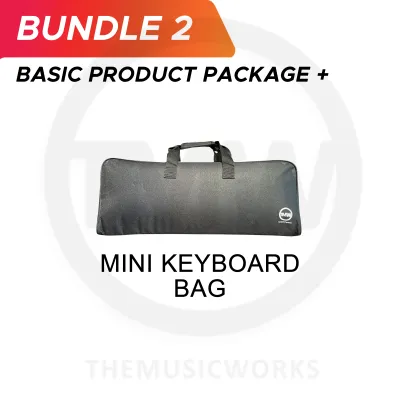
![Yamaha PSS-E30 PSS-A50 Mini Keyboard 37 Keys High Quality PSSE30 PSSA50 Kid Toy Gifts Light Weight Music Instrument Battery USB Powered PSS E30 A50 Absolute Piano The Music Works [LIMITED STOCK]](https://img.lazcdn.com/g/p/febce4b8975c04bd0986e8d090fe4ee1.png_400x400q80.png_.webp)
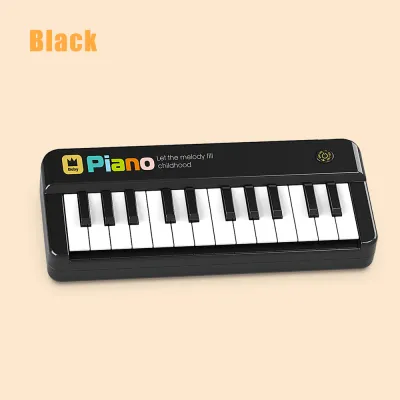

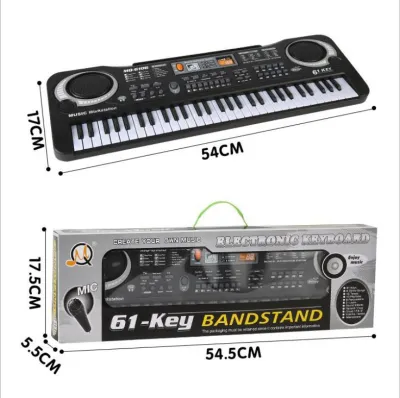
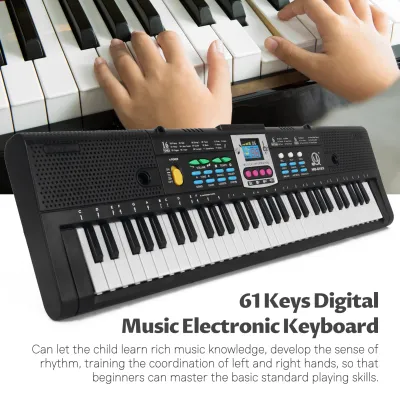
Prices are valid at publication and may change. Please refer to the product page for the latest price.
Fully weighted hammer-action keys replicate the mechanical leverage of an acoustic piano using actual weights inside the chassis, which is highly recommended for students aiming for formal classical examinations. Beyond the physical keys, a built-in metronome is non-negotiable for helping students develop a steady sense of rhythm and tempo from their very first lesson. Look for a keyboard that offers high-quality acoustic piano voices, which encourages a child to focus on tone production and musicality rather than getting distracted by sound effects. A transpose function is also useful for changing the pitch to match other instruments or vocal ranges without changing fingerings.
Connectivity options like a dedicated headphone jack are essential for quiet practice, allowing your child to play at any hour without disturbing the household or neighbors. You should check the size of the headphone jack, as some models use a standard 3.5mm port while others require a larger 6.35mm adapter. Additionally, a USB-to-Host or MIDI port is vital for connecting the keyboard to a tablet or computer to interface with educational software and interactive learning apps, which can significantly boost practice consistency.
Portable Keyboard vs. Digital Piano: Which Fits Your Needs?
Understanding the distinction between a portable keyboard and a digital piano is essential for aligning your purchase with your child’s learning path and your home environment. Portable keyboards are lightweight, compact instruments designed for easy transport and flexible storage. They typically feature 61 or 76 keys, plastic chassis, and built-in speakers.

In contrast, digital pianos are designed to replicate the experience of playing an acoustic piano as closely as possible. They almost always feature a full 88-key keyboard with fully weighted hammer action. Digital pianos come in two main formats: slab-style, which can be placed on a heavy-duty stand, and console-style, which features an integrated wooden cabinet and built-in pedals. The sound generation in digital pianos is typically much more sophisticated than in portable keyboards, utilizing multi-layered acoustic samples to capture the complex resonance and decay of a grand piano.
When evaluating long-term suitability, a digital piano is the superior choice for formal, teacher-led piano lessons. Most piano teachers and examination boards expect students to practice on weighted keys to develop proper touch and expression. If a child practices exclusively on a non-weighted portable keyboard, they may struggle during lessons or exams when faced with the heavy action of an acoustic piano. However, if your child is engaging in casual musical exploration, learning popular songs, or exploring music production, a portable keyboard offers a wider variety of sounds and creative features that can keep them motivated.
In Singapore, household space and acoustic environments are major factors in this decision. Many families reside in High-Density Board (HDB) flats or condominiums where space is at a premium. A console digital piano has a fixed footprint and can be a significant piece of furniture, whereas a portable keyboard or a slab-style digital piano on a folding stand offers excellent space-saving flexibility. Furthermore, acoustic considerations are paramount in close-quarters living. Unlike acoustic pianos, which cannot be silenced, both portable keyboards and digital pianos allow for volume control and headphone use, ensuring your child can practice diligently without causing noise disturbances to immediate neighbors.
Building a Shortlist: Evaluating Brands and Model Specifications
When building a shortlist of potential instruments, focusing on established musical instrument manufacturers is the safest path to securing a quality keyboard. Brands like Yamaha, Casio, Roland, and Korg have spent decades developing educational instruments specifically designed for beginners. For example, Yamaha’s PSR and EZ series are renowned for their educational suites, while Casio’s Casiotone line offers highly portable, budget-friendly options with standard-sized keys. Roland’s FP series and Korg’s Liano or B series provide excellent entry-level digital pianos with high-quality weighted actions.
Before making a purchase, it is crucial to evaluate the warranty terms and the availability of local service centers in Singapore. Reputable brands typically offer a manufacturer’s warranty ranging from one to three years, backed by authorized local distributors who operate dedicated service centers. This local support is invaluable if the keyboard develops electronic faults or physical key issues. Additionally, many authorized retailers offer educational bundles that include essential accessories like a power adapter, a music rest, a sustain pedal, and sometimes introductory online lessons.
To make an informed decision, parents should learn to cross-reference manufacturer specification sheets with independent professional reviews. Do not rely solely on marketing descriptions that use vague terms like “natural feel.” Instead, look for specific technical terms on the spec sheet, such as graded hammer action, velocity-sensitive keys, or polyphony count (aim for at least 64-note polyphony, though 128-note is preferable). Once you identify these specs, search for independent video demonstrations or written reviews from piano teachers to verify how these features perform in real-world practice.
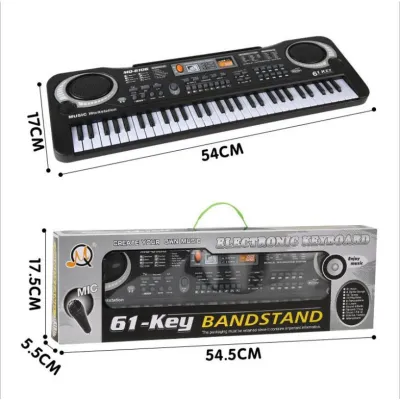
It is equally important to recognize the red flags of toy-like keyboards, which are often sold at very low prices on general online marketplaces. These instruments frequently lack standard musical interfaces, such as a sustain pedal input or a USB-MIDI port, severely limiting their educational utility. Many of these low-cost keyboards feature non-standard, narrow keys that are too small for a child’s developing hands, which can ruin their finger spacing habits. Furthermore, the build quality of these toys is often poor, with cheap plastic keys that lack durability and internal speakers that produce harsh, distorted sounds.
Setting Up an Ergonomic Practice Station
Creating an ergonomic practice station is just as important as choosing the right keyboard. Proper posture is critical for young pianists to prevent physical strain, fatigue, and long-term repetitive strain injuries. When a child sits at the keyboard, their forearms should be parallel to the floor, and their elbows should be bent at a slightly greater than 90-degree angle. To achieve this, you should invest in an adjustable keyboard stand and an adjustable bench. Avoid placing the keyboard on a standard dining table or desk, which is usually too high for a child and forces them to raise their shoulders and tense their wrists.
The choice of accessories also plays a significant role in the safety and functionality of the practice station. If you are purchasing a sustain pedal, ensure it is compatible with your keyboard’s polarity. Many universal sustain pedals feature a polarity switch on the bottom, which prevents the pedal from working in reverse (sustaining when released and silencing when pressed). When selecting headphones for your child, pay attention to their impedance rating. For consumer keyboards and digital pianos, look for headphones with a low impedance, typically between 32 and 80 ohms. Low-impedance headphones can be driven safely and efficiently by the keyboard’s built-in headphone amplifier, ensuring clear sound at safe listening levels without requiring an external amplifier.
To facilitate smooth practice sessions, ensure the keyboard’s music rest or an independent sheet music stand is positioned at eye level, preventing the child from hunching forward or straining their neck to read sheet music or instructional tablets. If your child uses interactive learning apps, look for a stand or holder that securely grips the tablet to prevent it from slipping off during enthusiastic playing.
Finally, physical safety in the practice area should not be overlooked. Keyboards require power cables, and accessories like sustain pedals and headphones introduce additional wires. If these cables are left dangling or sprawling across the floor, they present a significant tripping hazard for children and pets. Use cable ties, velcro straps, or cable management clips to secure all wires along the frame of the keyboard stand. Keeping the floor clear not only ensures safety but also creates a clean, inviting space that encourages your child to sit down and practice.
Final Pre-Purchase Checklist and Verification Steps
Before finalizing your purchase, running through a structured checklist will help you avoid unexpected costs and technical compatibility issues. First, confirm exactly what is included in the box. Some keyboards are sold without a power adapter, requiring you to purchase one separately or rely on batteries, which is neither cost-effective nor environmentally friendly. Calculate the total cost of ownership in S$, factoring in the keyboard, power supply, stand, bench, headphones, and sustain pedal, to ensure you stay within your budget while securing all the necessary components.
Next, verify the technical compatibility of the keyboard with your family’s existing devices. If your child’s piano teacher recommends a specific educational app, check that the keyboard’s USB or MIDI interface is compatible with your tablet’s operating system. You may need to purchase a specific adapter cable, such as a USB-C to USB-B MIDI cable or a Lightning-to-USB camera adapter, to establish a stable connection. Verifying these requirements beforehand prevents frustration on the day the instrument arrives.
It is also essential to confirm the retailer’s return policy and the specifics of the local warranty coverage in Singapore. Ensure you are purchasing from an authorized dealer to guarantee that the manufacturer’s warranty is valid locally. Some parallel-imported instruments may seem cheaper initially, but they often lack local warranty support, meaning you would have to pay out-of-pocket for repairs or ship the instrument overseas.
Lastly, consider how well the chosen model accommodates your child’s potential progression. While a basic 61-key keyboard is a cost-effective way to start, a child who shows strong interest and rapid progress may outgrow it within a year or two. If your budget and home space allow, investing in an entry-level 88-key weighted digital piano from the outset can save you money in the long run by eliminating the need for an intermediate upgrade. Balancing your current budget with your child’s long-term learning goals will guide you to the most sustainable investment.
Frequently Asked Questions (FAQ)
At what age should a child start using a standard keyboard?
Most music educators agree that children can begin using a standard-sized keyboard around the age of four to five. At this stage, their hands are typically large enough to press individual keys without straining, and their fine motor skills are sufficiently developed to grasp basic finger patterns. For younger children under four, toy keyboards with miniature keys can be useful for sensory play, but they should transition to standard-width keys as soon as formal instruction begins to prevent the development of incorrect muscle memory.
Do beginner keyboards require regular tuning or maintenance?
Unlike acoustic pianos, which require professional tuning at least once or twice a year due to changes in humidity and temperature, digital keyboards and digital pianos never go out of tune. They generate sound electronically using digital samples or synthesis, meaning they remain perfectly in pitch indefinitely. However, they do require basic environmental care. In Singapore’s humid climate, it is advisable to keep the keyboard away from direct sunlight and open windows to protect the internal electronics. Regularly wiping the keys with a dry, lint-free microfiber cloth and using a dust cover when the instrument is not in use will prevent dust and moisture from accumulating in the key contacts.

Community discussion
Share your experience or ask a question. Comments are reviewed before publication.