
Finding the right drum stick holder depends entirely on where and how often you play. Whether you need rapid access on a loud stage, meticulous organization for a recording session, or simple storage for daily practice, matching the holder’s form factor to your primary environment ensures your gear is always protected and within reach.
A misplaced stick during a performance can disrupt your rhythm and affect the entire band’s timing. Having a reliable backup stick positioned exactly where your hand naturally falls is a simple way to maintain your focus. By evaluating your specific playing environment, you can choose a storage solution that integrates seamlessly with your drum kit setup.
Drum Stick Holder Types: Caddies vs. Bags
Understanding the physical differences between drum stick caddies and stick bags is the first step in narrowing down your options. These two categories serve distinct purposes, balancing immediate accessibility with high-capacity transport.
Products mentioned in this guide

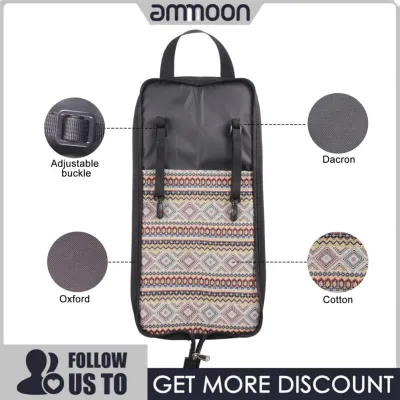
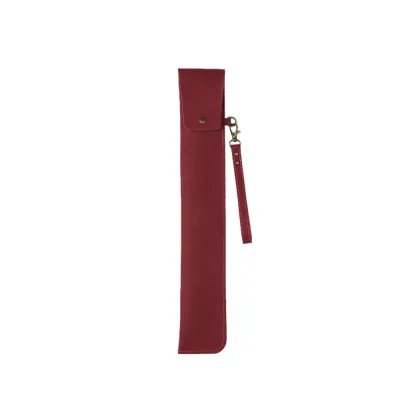
Prices are valid at publication and may change. Please refer to the product page for the latest price.
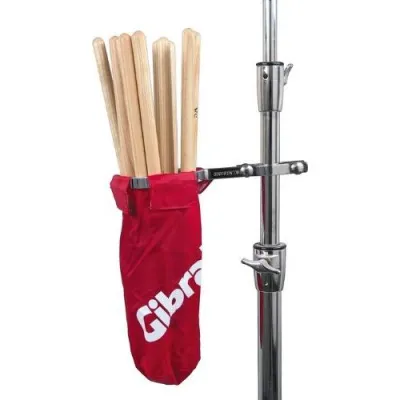
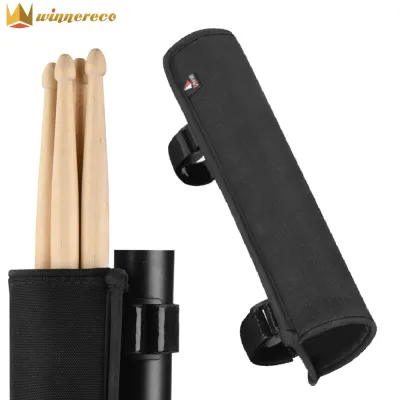
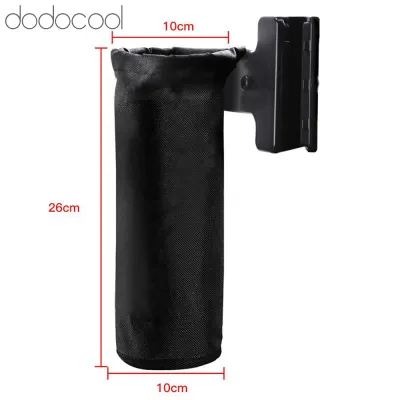
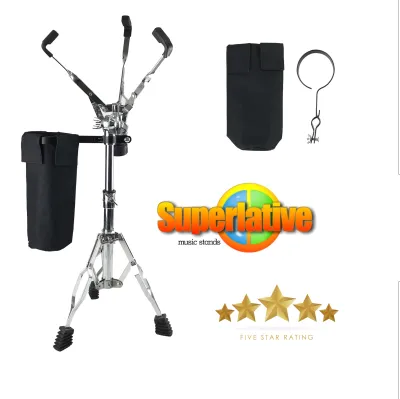
Stick caddies are compact, rigid, or semi-rigid pouches designed to attach directly to your existing drum hardware. They typically hold one to four pairs of sticks and mount onto cymbal stands or hi-hat stands. Because they sit close to your playing zone, they allow for rapid, one-handed retrieval when a stick slips or breaks mid-song.
Stick bags are larger, flexible cases designed primarily for transport and high-capacity storage. They often feature built-in straps or hooks that allow them to hang from the tension rods of your floor tom. While they can hold dozens of sticks, mallets, and brushes, they occupy more physical space on your kit and require you to reach further down to grab a replacement.
The choice between hard cases and soft padded bags also impacts how well your gear is protected. Rigid plastic tubes or hard-shell cases offer excellent crush resistance during heavy transit but lack the flexible pockets of soft padded bags. Soft bags utilize internal foam padding to cushion your sticks against impacts while remaining easy to fold and pack into larger gear cases.
Choosing a Holder for Gigging, Studio, or Home Use
Your primary drumming environment dictates the level of durability, capacity, and accessibility your stick holder must provide. A setup that works perfectly in a quiet home studio may prove impractical on a cramped, fast-paced stage.

For gigging drummers, the priorities are rapid access, secure mounting, and transport durability. Live stages are often dark, crowded, and highly active, making stability critical. A holder that slips or rattles under heavy vibration can distract you during a set. Look for heavy-duty metal clamps or reinforced hook-and-loop straps that lock firmly onto your hardware. Additionally, check the material labels for high-denier fabrics, such as 600D polyester or nylon, which resist tearing and abrasion during frequent packing and travel.
In a recording studio, the focus shifts toward organization, quiet operation, and gear protection. Studio sessions often require quick transitions between different stick models, hot rods, brushes, and mallets to achieve specific tonal textures. A holder with multiple internal compartments and clear layouts allows you to switch tools without searching through a cluttered pile. Furthermore, acoustic isolation is vital in a tracking room. Metal clamps or loose plastic tubes can vibrate against hardware, creating unwanted rattling noises that sensitive microphones will capture. Padded fabric bags or lined caddies help dampen these vibrations, ensuring your recordings remain clean.
For home practice, space-saving designs and simple mounting options are usually the most practical choices. If your drum kit remains set up in a dedicated room, you do not need to worry about weatherproofing or heavy-duty transport features. A simple, lightweight clamp-on caddy or a compact floor-standing bag is often sufficient. These options keep your practice space tidy and ensure your favorite sticks are always organized without requiring a large financial investment.
Key Features to Check Before You Buy
Before purchasing a drum stick holder, verifying its physical specifications against your current drum kit setup ensures compatibility and long-term usability.
First, evaluate the capacity and internal layout of the holder. Check the manufacturer’s specifications for the maximum stick length and diameter the pocket can accommodate. If you use specialty mallets with large felt heads or long orchestral sticks, ensure the compartments are wide and deep enough to prevent them from falling out. Look for dedicated accessory pockets to store essential items like drum keys, dampening gels, earplugs, and metronomes, keeping your entire setup organized in one place.
Next, verify the mounting mechanisms to ensure they fit your hardware. If you choose a clamp-on caddy, check the clamp’s opening range against the diameter of your cymbal or hi-hat stands. Most standard clamps accommodate tubing diameters between 12.7mm and 25.4mm, but heavy-duty stands may require wider openings. If you prefer a hanging stick bag, check that the attachment straps or hooks are adjustable and made of non-abrasive materials that will not scratch the chrome finish of your floor tom tension rods.
Finally, inspect the material and construction details. Read product labels to check for water-resistant exterior coatings, which protect your wooden sticks from humidity and rain during outdoor transport. Pay close attention to the zipper quality and seam reinforcement. Heavy-duty nylon coil zippers and double-stitched seams are essential for preventing blowouts, especially when the bag is packed to its maximum capacity.
Multi-Scenario Use and Basic Maintenance
If you split your time equally between home practice, studio sessions, and local gigs, a hybrid design offers the most versatility. Many modern stick bags feature integrated backpack straps for easy transport alongside heavy-duty hanging clips that attach directly to your floor tom. This allows you to use the same piece of gear as a protective travel case and an active on-kit holder, simplifying your workflow.
Routine maintenance is essential for extending the lifespan of your stick holder. Over time, wooden sticks shed splinters, sawdust, and bark, which accumulate at the bottom of the pockets. This debris can work its way into the zipper teeth, causing them to jam or split. Periodically empty your holder, shake out the loose wood particles, and use a soft brush to clear the zipper tracks. If your holder becomes damp from sweat or humid outdoor venues, air-dry it completely in a well-ventilated indoor space away from direct sunlight to prevent mold growth.
Knowing when to replace your holder is crucial for protecting your gear. If you notice cracked mounting brackets, torn seams, or failing zippers, it is time to invest in a replacement. Continuing to use a damaged holder risks dropping your sticks during a performance or allowing heavy metal clamps to scratch your drum hardware.
Frequently Asked Questions (FAQ)
Can I use a standard stick bag for live gigs?
Yes, you can use a standard stick bag for live performances, provided it features integrated straps or hooks to hang securely from your floor tom. However, hanging bags occupy more physical space and sit lower on the kit, which can make grabbing a replacement stick slightly slower. If you play in tight stage environments or require immediate, eye-level access to your backup sticks, a compact clamp-on caddy mounted directly to a cymbal stand is often a more efficient solution.
How do I clean a fabric drum stick holder?
Always consult the manufacturer’s care label before cleaning your stick holder. For most nylon, polyester, or canvas holders, spot-cleaning is the safest method. Use a damp cloth with a small amount of mild dish soap to gently scrub away dirt, sweat, and stick marks. Avoid using harsh chemical solvents, bleach, or machine washing, as these can degrade the internal padding and strip away water-resistant coatings. Allow the holder to air-dry completely in a well-ventilated area before packing it with gear.
Do I need a separate holder for mallets and brushes?
You do not necessarily need a separate holder, but you must verify that your current holder’s compartment dimensions can accommodate them safely. Brushes with delicate wire bristles or metal pull-rods can easily snag on loose fabric linings, while wide felt mallets require deeper, wider pockets than standard wooden sticks. If you regularly use these specialty tools, look for a stick bag or caddy that features wide, padded internal dividers or dedicated protective sleeves to prevent damage during transport.

Community discussion
Share your experience or ask a question. Comments are reviewed before publication.