
For many adults, the mention of fairy tales conjures up images of whimsical, animated castles and happily-ever-after endings. However, the original narratives collected by Jacob and Wilhelm Grimm in the early nineteenth century were far from sanitized bedtime stories. They were complex, often brutal reflections of European oral folklore, filled with dark psychological landscapes, harsh survival tactics, and moral ambiguities that speak directly to mature readers. To truly appreciate these stories as an adult, you must look past the simplified children’s anthologies and seek out editions specifically curated for mature audiences.
Selecting the ideal volume requires understanding how the tales evolved from raw oral transcripts into polished literary works. It involves evaluating translations, assessing historical commentary, and choosing physical formats that can withstand both intensive reading and local environmental conditions. By focusing on these critical elements, you can find a collection that serves as both an engaging literary journey and a lasting addition to your personal library.
Core Criteria for Choosing an Adult Edition
When searching for an adult-oriented Grimm collection, the translator’s background and the era of the translation are paramount. Early English translations, particularly those from the Victorian era, heavily censored the text to conform to the strict moral standards of the time. Translators frequently removed references to pregnancy, softened violent punishments, and introduced explicit Christian moralizing that was absent from the original oral tales. In contrast, modern academic translators aim for linguistic fidelity, preserving the stark, unvarnished tone of the original German texts.
Products mentioned in this guide
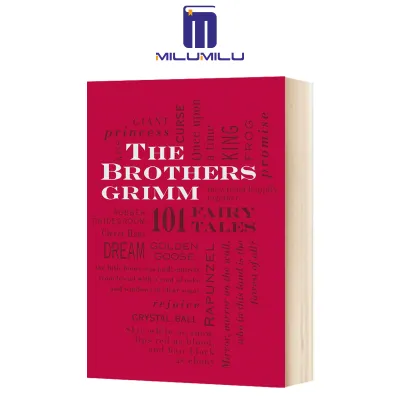
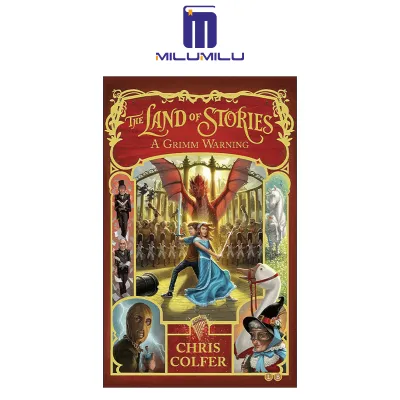
Prices are valid at publication and may change. Please refer to the product page for the latest price.
The presence of unexpurgated content is another crucial factor that distinguishes adult editions from children’s adaptations. In their original forms, tales like Rapunzel and Snow White contained elements that modern readers might find shocking, such as biological parents acting as villains or characters suffering gruesome retributions. An adult edition should explicitly state that it is unabridged and unexpurgated, ensuring that the psychological depth and historical authenticity of the folklore are not lost to modern sensibilities.
For a mature reader, the stories themselves are only half the experience; scholarly annotations and historical footnotes provide the context necessary to fully appreciate them. Annotations explain obsolete cultural references, highlight recurring folklore motifs, and reveal how the Brothers Grimm altered specific tales across different editions. Introductory essays written by literary historians offer valuable insights into the socio-political climate of nineteenth-century Germany, transforming a simple reading experience into an intellectual exploration.
Finally, the physical production quality of the book deserves careful consideration, especially for readers living in tropical climates like Singapore. High relative humidity can cause cheap paper to yellow rapidly and weaken standard glue bindings over time. When investing in a permanent addition to your bookshelf, look for editions featuring acid-free paper, Smyth-sewn bindings, and sturdy cloth or hardcover casings. These material choices ensure the book remains durable and readable through years of storage and frequent handling.
Main Types of Grimm Collections for Mature Readers
Adult-oriented Grimm collections generally fall into four distinct categories, each catering to different reading preferences and collecting goals. The first category consists of academic and annotated editions. These volumes are designed for readers who want to study the tales deeply, offering extensive side-by-side comparisons of different manuscript versions, detailed histories of the oral sources, and essays on folklore methodology. They are often larger, heavier books that prioritize scholarly rigor over casual reading comfort, making them excellent reference materials.

The second category comprises uncensored classic translations. These editions focus primarily on narrative flow and readability while strictly preserving the raw, unpolished tone of the earliest manuscripts. They omit heavy academic footnotes in favor of a clean layout, allowing the reader to experience the stark atmosphere and rapid pacing of the original oral traditions. This type of collection is ideal for those who want to enjoy the stories as compelling, atmospheric literature without constant interruption.
For collectors who value visual presentation alongside literary content, illustrated and fine press editions offer a highly aesthetic experience. These premium volumes pair mature, unexpurgated translations with striking, often dark and atmospheric artwork that complements the mature themes of the text. Utilizing high-grade materials, custom typography, and slipcases, these editions are designed to be displayed and cherished as art objects, though they often carry a higher price tag.
Lastly, modern retellings and thematic anthologies provide a contemporary lens on these classic narratives. Rather than presenting direct translations, these books feature modern authors adapting the core motifs of the Grimm tales into psychological horror, dark fantasy, or feminist reinterpretations. These collections are perfect for readers who are already familiar with the traditional stories and wish to see how contemporary writers subvert and update the folklore to address modern societal complexities.
How to Verify the Edition Before You Buy
To avoid accidentally purchasing an abridged or child-friendly version, you must perform a few targeted verification steps before finalizing your purchase. Start by checking the copyright page or the detailed product description for the translator’s name and the specific source manuscript year. The Brothers Grimm published seven distinct editions of their collection between 1812 and 1857, with the stories becoming progressively more polished, moralistic, and sanitized with each iteration. If you want the rawest, most authentic folklore, look for translations based on the 1812 first edition; if you prefer more structured literary narratives, look for those based on the final 1857 edition.
Another reliable verification method is to inspect the table of contents for specific, lesser-known tales that are almost universally omitted from children’s books due to their grim or bizarre content. Look for titles such as The Juniper Tree, which deals with cannibalism and reincarnation, or The Mouse, the Bird, and the Sausage, a dark fable about domestic roles ending in tragedy. The inclusion of these specific stories is a strong indicator that the publisher has targeted the volume at an adult audience rather than a juvenile demographic.
Additionally, read the publisher’s preface, introduction, or online editorial reviews to confirm the book’s framing. Reputable adult editions will explicitly mention terms like “unabridged,” “complete,” “critical edition,” or “unexpurgated” in their marketing materials. Be cautious of vague descriptions like “classic tales for the family,” which often signal that the text has been edited to remove mature themes and violence.
Physical specifications of the book, such as the page count and dimensions, also offer valuable clues. A truly complete edition of the Grimm fairy tales contains over two hundred stories and should typically exceed six hundred pages in a standard print format. If a listing claims to be a “complete collection” but features a page count of under three hundred pages, it is highly likely to be an abridged selection or to feature heavily condensed versions of the narratives.
Sourcing and Purchasing Books in Singapore
Acquiring specialized literary editions in Singapore requires a strategic approach that combines physical exploration with online sourcing. Visiting local brick-and-mortar bookstores allows you to physically inspect the book’s construction, feel the paper weight, and evaluate the clarity of the typography. This hands-on evaluation is particularly important when considering premium hardcover or illustrated editions, where the tactile experience and visual appeal justify a higher financial investment.
For niche academic translations or specific fine press editions that may not be regularly stocked on local shelves, online book platforms and specialized international distributors are invaluable resources. When searching online, use precise search terms that include the translator’s name or the specific publisher to bypass generic children’s versions. Be sure to check the shipping options and packaging standards of online sellers, as heavy hardcovers require robust packaging to prevent corner damage during transit to Singapore.
When ordering from international platforms, factor in potential import fees, shipping costs, and delivery timelines. Some premium editions may only be available through specialty publishers overseas, which can significantly increase the total cost of acquisition. Comparing prices across multiple reputable online marketplaces can help you find the most cost-effective way to secure a high-quality copy without unnecessary markups.
If you are undecided on which translation style suits your personal taste, utilize the extensive network of the National Library Board (NLB) in Singapore. The public libraries stock a wide variety of translations, ranging from highly academic volumes to modern literary retellings. Borrowing and sampling a few chapters from different translators allows you to compare their prose styles and formatting choices in the comfort of your home before committing to a permanent purchase for your personal collection.
Frequently Asked Questions (FAQ)
Are the original Grimm fairy tales suitable for children?
The original tales collected by the Brothers Grimm were not initially intended for young children, but rather as an academic preservation of German oral folklore. These unexpurgated texts contain significant elements of violence, dark psychological themes, and harsh, uncompromising moral lessons that reflect the difficult realities of pre-industrial European life. Modern adaptations have been heavily sanitized, removing these intense elements to make the stories appropriate for modern childhood sensibilities. Consequently, the original, unedited versions are far better suited for adult readers who can appreciate their historical and psychological depth.
What is the difference between the 1812 and 1857 editions?
The 1812 edition represents the first published collection of the tales, capturing the raw, unpolished, and often abrupt style of oral storytelling directly from the brothers’ sources. These early narratives are characterized by their starkness, lack of moralizing commentary, and occasionally shocking plot points. Over the subsequent decades, Wilhelm Grimm heavily edited the stories, culminating in the final 1857 edition. This later version introduced more descriptive language, softened or removed elements deemed inappropriate for families, and added Christian moral frameworks, making it a more polished literary work but less reflective of raw folklore.
Do I need to read German to appreciate the original tales?
You do not need to read German to fully appreciate the depth and nuance of the original Grimm fairy tales. High-quality modern English translations, produced by dedicated scholars and folklorists, successfully capture the tone, rhythm, and academic context of the original texts. To ensure you are getting an authentic experience, look for translations by recognized experts in German literature and folklore, whose work is accompanied by detailed introductions and explanatory notes that bridge any remaining cultural or linguistic gaps.

Community discussion
Share your experience or ask a question. Comments are reviewed before publication.